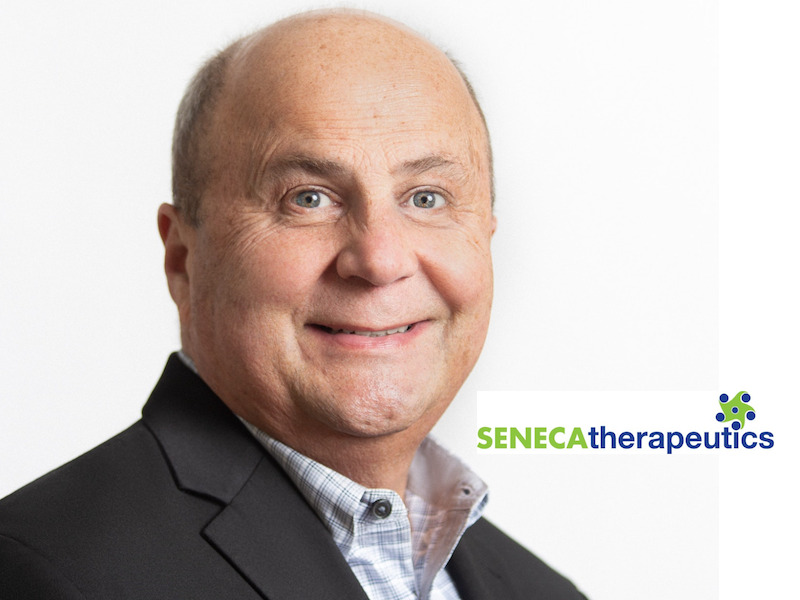
INDIANAPOLIS, Indiana (March 21, 2023) – – VisionTech Angels, among the Midwest’s most active angel investing networks, has invested $190,000 in Seneca Therapeutics with 16 members participating in the follow-on round. With the investment, Seneca has raised $2.8 million to date in its bridge round, with Keiretsu Capital leading the round and participation from VisionTech Angels and multiple other angel investors.
Seneca, based in Blue Bell, Pennsylvania, is a clinical stage biopharmaceutical company focused on developing novel immunotherapeutics and derivatives for difficult to treat solid cancers. Their first candidate is an oncolytic immunotherapeutic called Seneca Valley Virus (SVV) that eliminates tumor cells in which it can replicate. In October 2022, the company received FDA clearance to begin a Phase I/II clinical study utilizing Seneca Valley Virus (SVV-001) in combination with a checkpoint inhibitor in 2023.
VisionTech Angels made its first investment in Seneca in 2021 when 34 investors wrote checks totaling $327,500. The group’s total investment in the biopharmaceutical company is $517,500.
Commenting on the announcement, VisionTech Executive Director Ben Pidgeon said, “VisionTech Angels is excited to continue to support our portfolio company Seneca. Their novel therapy of oncolytic viruses has the potential to identify and treat immunotherapy-resistant tumors. The management team has met several milestones after our initial investment, a significant one was FDA approval of a Phase I/II study. The first oncolytic virus as therapy—Imlygic, now owned by Amgen—was approved in 2015, and there have been recent successes with Replimune, CG Oncology and Tilt. The oncolytic virus immunotherapy market is an exciting space with an expected compound annual growth rate of 12 percent through 2029.”
Seneca CEO James Hussey said he is pleased with the strong support his company has received from VisionTech across two rounds of investment. “VisionTech has been a great investor and supporter of Seneca Therapeutics over the last few years. They are one of the premier angel groups in the United States and we are excited to partner with them on this follow-on round.”
About VisionTech
Founded in 2009, VisionTech is a privately held company that links investors to high-potential, early-growth companies. Based in Indianapolis, VisionTech’s angel investing network includes more than 130 active members across Indiana and Ohio. As of March 15, 2022, 200 VisionTech Angels member investors have deployed more than $27.5 million in capital, investing in 63 portfolio companies from across the United States. Membership is open to accredited investors. Those interested in joining are encouraged to contact VisionTech.
About Seneca Therapeutics, Inc. Seneca Therapeutics was founded to capitalize on the profound tumor specificity of SVV and further the development of SVV-001 in several upcoming clinical trials and the creation and testing of armed derivatives selectively expressing gene product(s) that are inserted into the genome of SVV-001 that create additional anti-tumor effects. Learn more.
On Friday, March 10, 2023, Silicon Valley Bank (SVB), the flagship of the startup banking world, collapsed, causing the FDIC to take over the bank. The failure is the largest since 2008, and it caused a firestorm among customers, the startup and venture ecosystem, policy makers, and politicians. Fanning the flames were media and social platforms, raising the bar on histrionics. It was no wonder that many people dreaded the Monday after. And yet SVB reopened on Monday under the control of the newly created Deposit Insurance National Bank of Santa Clara. Insured depositors with up to $250,000 in their accounts were able to access their money.
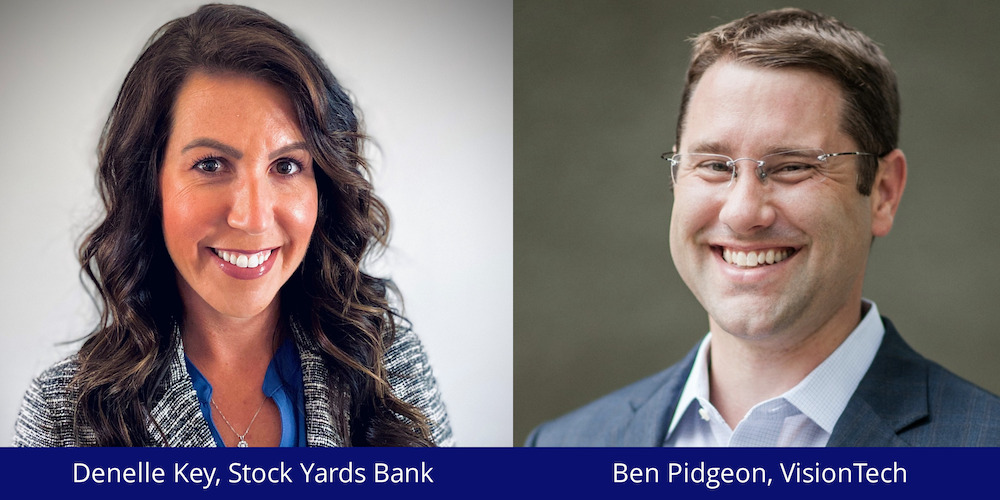
So what next? Although the fallout from SVB’s failure is still unfolding, VisionTech turned to Stock Yard Bank’s Denelle Key for insight. She offered five reasons why startups should go local with their banking and return to personal banking relationships. – Ben Pidgeon, VisionTech Executive Director
BP: How are you handling Friday’s news of Silicon Valley Bank’s crash? DK: First off, this is nothing like the Lehman Brother collapse in 2008. My head is still spinning by how quickly SVB went into receivership. I think it’s the direct result of social media commentary, fearmongering and politicization that the FDIC felt it had to move quickly to avoid more devastating consequences. All weekend long I got calls from fearful bank customers and providing reassurance that Stock Yards Bank is sound, and their accounts are protected. Fortunately, the right people are stepping in to manage the immediate crisis of SVB and avoid the collapse of more banks.
BP: You’ve pointed to the media’s role, but is there another big difference from the financial crisis of 2008? DK: Absolutely! There is a huge generational difference in how young startup founders and their teams – particularly those in the tech sector – have approached banking and the financial side of their businesses. I call them debit card kids. They’ve never handled real money. They don’t see it or deal with it. And they don’t understand the basic fundamentals of banking. They rely solely on the convenience of the Internet and apps for banking services. Most have never stepped foot in a bank. With everything moving so fast in the digital world, it’s easy to lose track of banking and money basics. When a startup CEO has a problem, they head back online as they have no idea what it means to pick up a phone, call their banker and get a real, thoughtful answer from a knowledgeable banker.
BP: You’re right about that. So what are the five reasons why startups should go local and return to personal banking relationships? DK: Reason One is Experience. When you work with a local community bank, you’re working with people who have years of experience advising businesses on the fundamentals of banking, lending and growth. Startups often don’t know what they might need from a banking perspective, and in this environment, the needs change often. Utilizing a small bank allows you to find someone who has working with startups, has experience in your industry, and can speak to the needs of your business. Oftentimes, a startup thinks they need to go to a national bank as they’re going to be doing business on a national or international scale. The reality is that local banks such as Stock Yards is no different than a Bank of America in terms of having the experienced people, products, and services needed to doing business around the world.
BP: It seems like people automatically think large banks are too big to fail. DK: That’s the assumption. Which is why Reason Two is Security. You need to know that your bank, regardless of size, is sound. Take SVB. Its 40,000 customers are mostly tech companies; big companies alike Shopify, Teladoc and ZipRecruiter. They provided services to around half of all U.S. startups. So if you are a startup CEO, it was pretty safe to assume SVB was a good, secure choice. Now we know that wasn’t the case, but why would you think otherwise?
A CEO of a startup or any other stage company should understand the strength of their bank and expect that their personal banker can speak to the bank’s performance. With a community bank, it’s more likely that you’ll find a well-capitalized, balanced bank with strong loan-to-deposit ratios. And if you don’t know why this is important to you as a startup, that’s okay! Ask questions! You want to ensure that your bank is sound, and your money is safe, as both are critical. You don’t want to come to work on Friday, looking forward to the weekend, and see your bank and accounts crashing.
BP: We’ve kind of gotten away from relationships with our bankers. Is that a fair assessment? DK: That’s point three: We need to get back to connected relationships with our bankers. And I don’t mean connected in the LinkedIn sense. I mean pick up the phone, let’s have lunch, can you help me out here, I have a question kind of connection. Real relationships!
Startups, regardless of the age of their founder or CEO, need more than just an ATM, the internet, a debit card, and mobile deposit. You may think that banking and the services they provide are commodities, and you can get by with a digital relationship. However, the last three years have taught us that a relationship with a bank will save your company when hard time happen. During the COVID-19 pandemic, Paycheck Protection Program (PPP) funds distributed through large banks took weeks and weeks to process. Many companies didn’t receive funds simply because they were pushed to the end of the line. Community banks like Stock Yard were able to quickly take care of our clients’ needs because every client had a relationship with their banker. No stone was left unturned by bankers to help their customers. People and their businesses matter. While banking online is convenient, it’s also faceless. And that’s a real problem when problems crop up. A chatbot won’t cut it.
BP: It really get down to that human connection, right? DK: Yep, human connection. So reason four is the ability to communicate with a person, and to trust that person. When you have an engaged banker, someone you’re comfortable talking things over with, this person knows your business and is prepared to problem solve for you. Bankers want to know your business, so we understand where you came from and where you want to go. There’s also a big difference between an employee who works at a bank, and a banker that is a true advisor to your startup or business. Your banker should also be accessible to you, and available to listen to your questions and issues. Having one person to be able to contact to troubleshoot and also brainstorm is a huge asset to a business owner and help you through them. Your job as a business owner is to generate revenue, not spend your time managing customer service issues with a bank. You should be able to easily reach your banker and trust their counsel.
BP: And the last reason to go local? DK: Personal service from a bank and banker with whom you have an open, honest connection. Find a bank that makes you feel comfortable as a client. Even better, find one that makes you happy and valued to be there! Providing outstanding service in all of the ways I’ve mentioned help create and build strong, engaged relationships. You should feel great about the service you are receiving from your bank, know and trust your banker, know they are interested in helping you succeed, and feel comfortable having them as an advisor to your business. If any of these items fall short, it’s time to consider a new bank!
ABOUT STOCK YARDS BANK
Stock Yards Bank’s impressive history began in 1904. Since then, Stock Yards Bank has earned a reputation for personal service, financial strength, and a commitment to the highest standards of business ethics. We have a full range of financial services to meet the needs of each of our customers, regardless of the size or complexity of their needs. We’ve built our business in the simplest and most straightforward way possible: one account at a time, relationship by relationship.
Our mission statement calls for providing unsurpassed service to our customers and a great place to work for our employees. Our commitment to this philosophy is a key reason our parent company, Stock Yards Bancorp, a publicly traded company (NASDAQ:SYBT), has consistently ranked among the country’s top-performing community banks and recognized as one of the “Best Banks to Work For.” Learn more here.
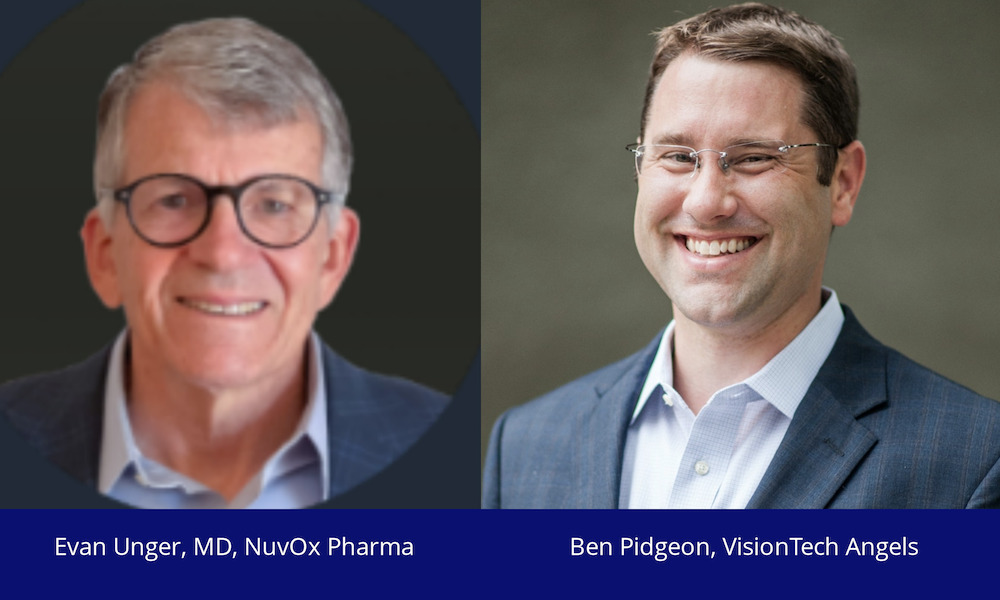
I was introduced to Dr. Evan Unger by Mike Eckert of the NOLA Angel Network in New Orleans.Their group is syndicating an investment opportunity in NuvOx Pharma, a clinical stage pharmaceutical company developing a drug that significantly improves the flow of oxygen from lungs to blood and from blood to tissue. The drug has applications in treating cancer, stroke, acute respiratory distress syndrome, and other fatal diseases. I invited Evan to meet with the VisionTech Angels Screening Committee earlier this month. The group was impressed with NuvOx, its leadership team and board, traction, and the investment opportunity, and we invited him to present at our February 23rd virtual pitch events. Here’s a preview.
BP: I went through your website and was very impressed by your team, starting with yourself. EU: I’ve been busy: board-certified radiologist and inventor; 30 years as a professor of radiology and bioengineering; have 120 issued patents; have founded four biotech companies, the first of which exited to DuPont at a 20x return; and now CEO, president and co-founder of NuvOx. My experience with startups helps me avoid the common pitfalls!
Our leadership team is impressive. Rong Wang is our CFO/COO and is a very strong organizational leader . Prior to joining NuvOx, she was an executive in investor-backed companies and led multiple successful exits. She’s also worked for Fortune 500 companies such as Baxter International. Jennifer Johnson, PhD, is a co-founder and chief scientific officer of NuvOx. She has more than 20 years of deep R&D and regulatory experience, including tenure with Roche. Our skillsets are very complementary, and we form a high performing team.
I can’t thank our board and scientific advisory members enough. We have physicians, a former Roche executive, biotech CEOs, and the former U.S. surgeon general, Richard Carmona. They provide comprehensive board governance structure, investor introductions, advice and more.
BP: Explain the unmet need and how your solution, NanO2, addresses it. EU: The problem we’re solving is hypoxia, a state in which oxygen is not available in sufficient amounts at the tissue level to adequately maintain normal functions. This lack of oxygen is responsible for death or morbidities in cancer, stroke, heart attack, traumatic brain injury, acute respiratory distress syndrome (ARDS), and other diseases.
Our solution is NanO2TM. It is a gas-based active pharmaceutical ingredient (API) that is nanobubble emulsified into liquids to reverse hypoxia in specific medical conditions via simple IV injection. It is designed for use primarily as an adjunct treatment that is synergistic with the standard of care and improves the effectiveness of the treatment. Here is an example. Glioblastoma, a malignant brain cancer, is typically treated with radiation and chemotherapy. Cancer tumors have low levels of oxygen, which makes them resistant to treatment. NanO2 is administered 30 to 60 minutes before chemoradiation to bring up the oxygen level in the tumor. This elevates the effectiveness of the therapy because the standard care, chemoradiation, needs the oxygen in the tumor to be effective. In our initial clinical trial, median survival increased by 40%.
NanO2 can also be applied as an adjunct treatment for ischemic stroke. When it’s administered immediately after stroke in multiple doses, it provides the necessary oxygenation to preserve brain tissue (penumbra ) for about six hours. This exceeds typical door-to-needle treatment window of the American Heart Association, and significantly improved functional independence in our trial.
BP: Where are you in terms of commercialization? EU: Our product has already been developed in formulation, and we are manufacturing it ourselves for upcoming clinical trials. We can easily scale up our manufacturing and at the appropriate time, engage a contract manufacturer. We’ve completed initial clinical trials for glioblastoma with good results and are preparing for a Phase IIb clinical trial for glioblastoma to start in Q1 2023. We have orphan drug status, giving us the advantage of speed to market in the $100 billion oncology market. A second Phase IIb trial in stroke will commence later in 2023. We seek to leverage our active and planned clinical programs with additional non dilutive funding.
BP: You mention this is a platform technology. In addition to cancer and stroke, that other conditions can potentially be addressed by NanO2? EU: While we have clinical evidence in glioblastoma and stroke, we also have pre-clinical evidence in animal models and current or potential grant funding for immunotherapy, heart attack, sickle cell diseases, and ARDS. Other clinicians have suggested applications in wound care such as diabetic foot. There are so many possibilities to leverage our platform, but we remain focused on our clinical programs, so we’re not spreading ourselves too thin.
BP: What kind of IP do you have? EU: We currently have eight patent families that includes seven U.S.-issued patents and their international equivalents that cover China, Europe, Canada, Australia, Japan, and Korea. We plan to file new patents for key excipient, which would give us an additional 20 years’ runway of protection.
In terms of additional protection, we have two orphan drug designations with seven-year market exclusivity. Our drug is potentially regulated as a biologic, which, if we achieve this regulatory status, comes with 12-year market exclusivity. We have also protected our position with an exclusive supply agreement, control of our key ingredients and proprietary manufacturing know how.
BP: What investment round is this? EU: This is a bridge round following a $10 million Series A. It’s worth noting we’ve been very successful in attracting $13 million in non dilutive funding from the National Institutes of Health, Department of Defense and other government funders.
BP: What is your planned use of funds from this round? EU: We plan to use proceeds of the raise to fund our Phase IIb trials for glioblastoma, which begins enrolling patients very shortly. We also will start a Phase IIb trial for stroke in 2023. That clinical trial is being funded by the United Kingdom government.
BP: Why should VisionTech Angels invest in your company? EU: We are addressing a massive market with an unmet need with a drug that has been substantially de-risked, has strong IP protection and a clear pathway to commercialization. We don’t have effective competitors in this field and are very capital efficient. A significant benefit for investors is we have secured more than $13 million in non-dilutive funding and are close to securing an additional $4 million. Finally, our leadership team, our board, and our scientific advisors have deep experience in all aspects of drug development and commercialization and have played a critical role in our success thus far.
VisionTech Angels’ February Pitch Events will be virtual on Thursday, February 23 at Noon and at 6 p.m. ET. Pitch events are open to our members and accredited investors interested in joining our group. To register, check your email for an invitation, go to our Events page where you’ll find the RSVP links, or email Ben Pidgeon at bpidgeon@visiontech-partners.com
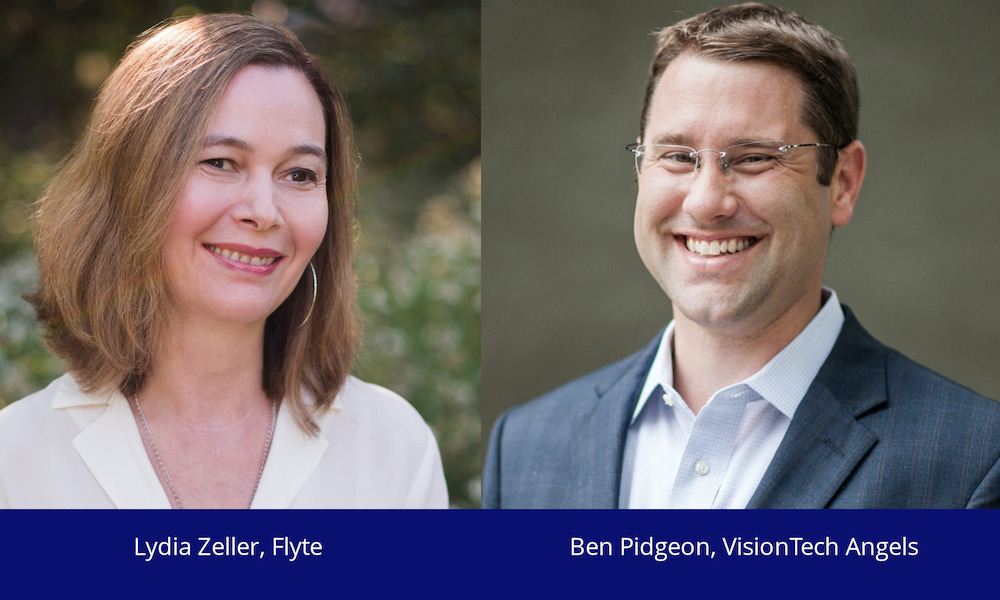
I first met Lydia Zeller, CEO and president of Pelvital (dba Flyte) a femtech solution for stress urinary incontinence in women. If you are unfamiliar with femtech, it is a category of software, diagnostics, products, and services that use technology to focus on women’s health. While VisionTech Angels has invested in a wide range of life sciences companies, this is our first femtech company, a sector that’s recently begun experiencing a lot of growth. I invited Lydia to meet with the VisionTech Angels Screening Committee earlier this month. The group was impressed with Flyte, how they are addressing a significant unmet need, the investment opportunity and Lydia, and we invited her to present at our February 23rd virtual pitch events. Here’s a preview.
BP: Tell me a little about yourself. Is this your first startup? LZ: No, I’ve actually been an entrepreneur for 25 years and have a lengthy background in digital health. The last company I founded and where I served as CEO was Kiio, a digital health company in the musculoskeletal space, which exited in late 2021. I was brought onboard at Flyte in 2022 to take a fresh look at the go-to-market strategy. Outside of Flyte, I’m the board president of the Wisconsin Startup Coalition and a member of Women Business Leaders of the U.S. Health Care Industry Foundation.
BP: What’s the backstory on Flyte? LZ: First, 60% of women suffer from some form of urinary incontinence, so it’s a big problem. Flyte was originally developed by researchers, physicians, and physical therapists at the Arctic University of Norway. They were frustrated by the fact that nothing worked for patients who came in with stress urinary incontinence. Mechanotherapy was being used to treat astronauts who’d lost muscle strength in space. The question was asked, “Can we use this healing modality to revitalize the pelvic floor of women?” That started the effort at Arctic University to develop the technology that became Flyte.
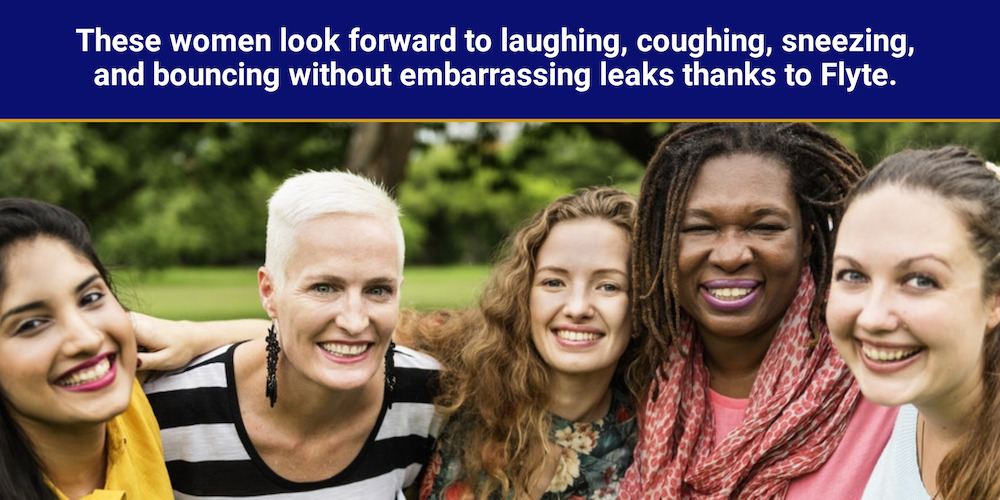
BP: I didn’t realize incontinence was such a big issue. LZ: Most people don’t. And one of the reasons is it’s embarrassing for women to talk about even though one in two have stress or mixed urinary incontinence. It happens when a woman laughs, coughs or bounces during exercise. It can develop after pregnancy. Athletes suffer from it. Incontinence is also part of the aging process. As common as incontinence is, more than 80% of women just put up with it without treatment. Some wear pads or absorbent undergarments, which are expensive. Some do Kegel exercises at home to strengthen muscles. A very small percentage, less than 3%, opt for surgery. That’s expensive, there’s the risk of complications and it doesn’t always work. A lot of women are frustrated and end up living with leaks.
BP: How is Flyte different? LZ: Flyte is a safe, non-surgical, bladder leak treatment for stress urinary incontinence in adult women. It is the only product to apply mechanotherapy to pelvic floor. It is a quick, easy treatment patients can do for just five minutes per day to strengthen their pelvic floor and realize dry or near-dry results in just six weeks.
Now here’s how the “magic” of mechanotherapy works. The Flyte device is a wand made of soft, medical-grade silicone that is placed in the vagina. During treatment, it delivers a series of gentle pulses while the patient contracts her pelvic floor muscles. This amplifies the benefits of each squeeze—commonly called Kegels—by 39 times. This promotes the healing response in the pelvic floor muscles and restores strength and bladder control. Length of treatment is six weeks. Women can continue to use Flyte to maintain pelvic floor muscle tone if they like.
BP: You’ve done clinical trials in Norway and the United States, and the results are impressive. LZ: Thank you! We have done the largest clinical trials of stress urinary incontinence in the world, with a total of 179 participants. The first trial was done in Norway at one center with 60 women. After six weeks, 83% of the women were continent. After two years, 77% will still continent. A second study was done in the United States with multiple centers and 119 women. After six weeks, 81% had improvements and at 12 weeks, 91% reported improvements. Overall, 71% achieved dry or near dry in two to 12 weeks.
BP: What are the barriers to adoption and how are you addressing? LZ: Among consumers, there’s a lack of awareness that there’s something new available to them and that it works. We’ve also found that women are a little leery. Surprisingly, incontinence is a noisy space. A lot of people are selling snake oil. And even traditional treatments aren’t that effective. Many women who have tried something that didn’t work give up. Being new, we have to create awareness and educate women that our treatment works, and it’s quick. Some women achieve total dryness in two weeks, for others it’s six weeks of more. Increasing our presence on social media and through digital healthcare companies will help us increase awareness.
B2B partners get it, particularly clinicians who see the problem day-in and day-out, know their patients struggle with current options and are not solving the problem. They are impressed with the results of our clinical trials. Our price point, $395 per device, would be more attractive if covered by insurance or Medicare/Medicaid. So we are working on getting a reimbursement code.
Interestingly enough, we also have to overcome barriers with potential investors. Femtech is a new category of investing. Men often don’t realize what a debilitating issue incontinence is for women because women hide it so well. Unlike back surgery or a cancer drug, it’s not always easy to explain our return on investment. Incontinence ROI is more complicated. It’s been linked to depression, urinary tract infections, withdrawal from various activities in professional and personal settings, stopping exercise—the list goes on.
BP: What is your go-to-market strategy and where are you seeing traction? LZ: To date, B2C has been our primary focus, and we are making a small profit here. Last year, we concentrated on reducing our customer acquisition cost and succeeded in cutting it in half. Once we close this round, we will be more involved in our B2C outreach through social and digital channels. Where we’re putting more effort is B2B. In the virtual healthcare arena, we are in advanced discussions with multiple partners and have signed a contract with a large Minnesota healthcare system. B2B deals take more time to develop and close but will allow us to scale more quickly.
BP: What kind of intellectual property protection do you have? LZ: Our technology is very well protected, and we did that intentionally. We have 17 patents in all: seven in North America, four in Europe, four in Asia, and two in Australia.
BP: What round is this? LZ: We are currently in our seed round and the goal is to raise $4.5 million. Boomerang Ventures is leading the round through their fund.
BP: What is your planned use of funds? LZ: Our priorities include securing a reimbursement code so we are accessible to more women through private insurance and Medicare/Medicaid; building out our next generation product, a connected device that will enable Cloud capture of data, a mobile apps for users, and features for virtual healthcare companies, health systems and clinicians; and making key hires in sales, marketing and business development that support commercialization. We will also be building our inventory in anticipation of increased demand.
BP: Give me three reasons why VisionTech Angels members should invest. LZ: Do I have to limit it to three? I have five.
BP: Sure! Go ahead. LZ: First off, women’s stress incontinence is a huge market with an unmet need. Second, Flyte is the right product at the right time. At long last, women’s health has become a priority, and this coincides women finally realizing it’s okay to talk to taboo topics like incontinence and demand for solutions for all women. Our timing coincides with the rise of digital health, which thanks to Covid, became mainstream.
Third, we have a differentiated, patent-protected, novel approach that has been de-risked through clinical trials and has regulatory clearance for over the counter and prescription sales. Fourth, our business model aligns with direct-to-consumer retail and digital health, with women and partners looking for a real solution to stress incontinence. We are that solution. Fifth, we have a great team!
VisionTech Angels’ February Pitch Events will be virtual on Thursday, February 23 at Noon and at 6 p.m. ET. Pitch events are open to our members and accredited investors interested in joining our group. To register, check your email for an invitation, go to our Events page where you’ll find the RSVP links, or email Ben Pidgeon at bpidgeon@visiontech-partners.com
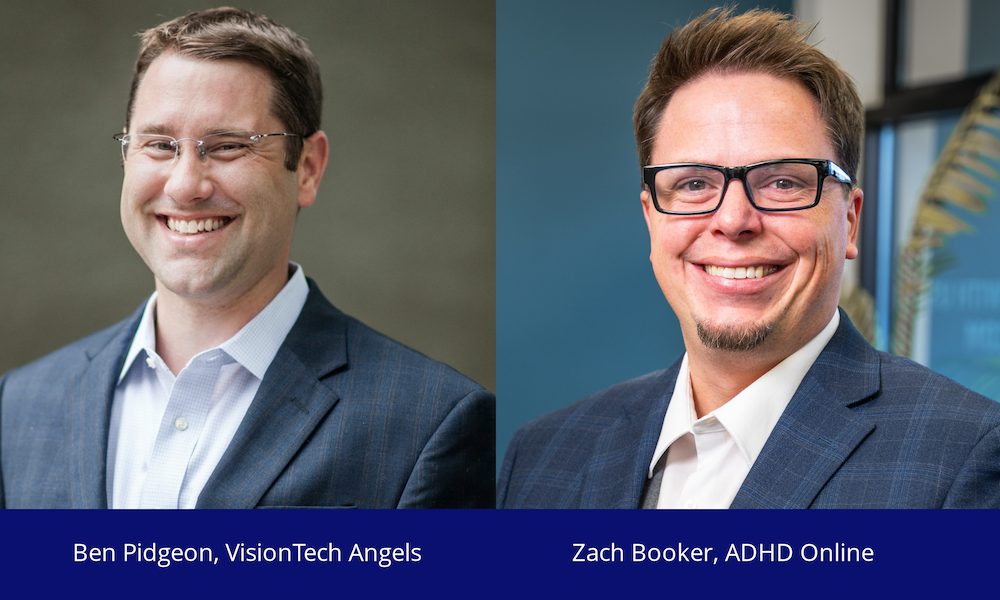
Zach Booker, the co-founder and CEO of ADHD Online, was referred to VisionTech Angels by the Michigan Capital Network. The Grand Rapids, Michigan-based venture capital firm is the lead investor in ADHD Online. With $24 million in annual revenue rate, ADHD Online has far more traction than our typical investment opportunities. Obviously, this is very attractive, but their mission to help the mental health community is well timed. In 2020, the National Institutes of Health reported that one in five adult Americans live with a mental health condition. It’s easy to imagine those numbers have swelled since the global pandemic and resulting social isolation and economic struggles. As the VisionTech Screening Committee delved into ADHD Online, we were even more impressed with ADHD Online and invited Zach to present at our September virtual pitch events. Here’s a preview.
BP: Some founders have a personal connection to their startup. What’s yours? ZB: I have ADHD as does my co-founder and chief innovations officer, Dr. Randall Duthler. Dr. Duthler is a family physician and on the faculty of Michigan State University and has a deep understanding of the challenges ADHD causes for parents, their children and adult patients. Our personal experiences drive our desire to make diagnosis and treatment of ADHD faster, easier and simpler.
BP: How does someone know they have ADHD? ZB: They likely don’t know and that’s a big part of the problem. In adults, you may have a hard time focusing your attention and tasks. Kids with ADHD are more fidgety, impulsive, talk or move excessively. ADHD becomes more apparent once kids go to school because of the structured environment. It’s hard to sit still and be quiet! But these characteristics may not be ADHD. You really need a professional assessment to be sure.
BP: How are you connecting with potential patients? ZB: Patients can be referred by schools, their doctors and health systems. More importantly, people can self-refer. We market across all of our social media platforms along with search engine optimization.
BP: Tell me about ADHD Online and the problems you’re solving. ZB: If you think you or your child has ADHD, you face a bunch of hurdles. First, it will take you about seven months to start the process. That’s an incredibly long time to wait if you or your child are struggling. The system for diagnosis and treatment is very hard to navigate. The complexity of taking time off from work or school for multiple appointments can be challenging. Imagine how tough it was during COVID when in-person services were shut down and telemedicine alternatives were few and far between. It’s also expensive. Expect to spend about $2,000 out-of-pocket even with insurance.
ADHD Online launched in 2018 as an online assessment tool. For the first two years, we bootstrapped and worked on our platform. During COVID, we expanded our services to assessments, consultations and ongoing treatment. Our clinical assessment tool requires patients answer some 250 questions, which can take 60-90 minutes to complete in one sitting. The patient has an unlimited amount of time to complete the assessment with the option to start and stop as they wish. That, coupled with the dynamic experience of the questions changing as answers are submitted ensures not everyone has the exact same test. The questions vary based on the patient’s answers. We use doctorate level psychologists for the diagnosis. Patients receive their diagnosis in an average of three days. Think about that. You think you might have ADHD. You get online, do our assessment, and in that same week later you have professional results. That’s huge.
ADHD Online provides congoing consultations via synchronous visits with a board-certified physician or patients can choose to take their assessment to their physician. Either way, the complexity is gone.
BP: What’s been the patient response to ADHD Online? ZB: Whether it’s parents of a child who is having issues at school or an adult, people simply want to know what’s wrong. Once they’ve used our service, the reviews are overwhelmingly positive about the process, the quick results, and the compassion of our psychologists. I would encourage people to visit our website and read some of the reviews.
BP: What are your competitive advantages? ZB: From the patient perspective, it’s the ease and immediacy of access, how quickly they get their diagnosis, the ability to choose how they receive ongoing care, whether it’s through our physicians and telemedicine or through a local physician in a traditional face-to-face setting. Also important to patients, schools, employers, and health systems accept our assessments so people can get special accommodations at school or work.
For obvious reasons, what we do is highly scrutinized. There used to be multiple competitors in this space. However, in 2022,the U.S. Department of Justice and the Drug Enforcement Administration shut several of them down. Today, there are no other practices that do what we do or use the model we use. We stand alone in the market.
BP: What kind of intellectual property do you have? ZB: we are currently working to secure a process patent for our diagnosis model. Our dynamic assessment questions changes based on answer given, making it a unique product in the mental health system.
BP: What is your total addressable market? ZB: For ADHD, we estimate the total addressable market to be $170 million. However, half of America has something going on with their mental health. We’re front line with our business model and as we expand the platform to include other mental health issues, the market becomes much, much bigger.
BP: What is your revenue model? ZB: It’s pretty simple: fee for service and self-pay. We charge $149 for the assessment, $199 for a 30-minute medical treatment appointment with a physician, and $99 for the follow-up appointment 30 days later. ADHD is a chronic condition, meaning it does not “go away.” Patients can schedule 50-minute teletherapy sessions with a psychologist on a regular or as-needed basis for $99 per session. We use board certified MDs and DOs for our telemedicine services. This is the standard of care for ADHD. Many insurance companies reimburse patients for their care.
BP: Where are you in terms of commercialization? ZB: These quick facts demonstrate where we are. ADHD Online currently serves as many as 650 patients a day. To date, we have assessed more than 90,000 people. More than 35,000 physicians have accepted our diagnosis and continue to treat our patients to this day. We have processed $27 million in credit card payments to date.
BP: What is your planned use of funds? ZB: This is a $5 million bridge round, and we are looking at a fast close. We intend to use the funds to drive growth in three areas. First, we plan to add more dynamic questions in our assessment so that we can identify additional mental health disorders, including anxiety, bipolar, depression, and PTSD. Second, we’d like to establish more partnerships with health systems. There is a tremendous shortage of mental health services, including diagnostics. Partnerships with health systems would allow us to refer patients as well as co-manage with local health systems. Our technology is API first and can easily integrate with electronical medical record systems like EPIC, which is used widely in health care. Finally, we want to establish partnerships with payors, which will support patient access and reimbursement.
BP: Why should VisionTech Angels invest in ADHD Online? ZB: Three words: opportunity, demand and growth. We have great traction, and we need to continue to keep the gas pedal down. We are beginning to dramatically change the mental healthcare delivery system by giving more people more access to care, rapid diagnostics, and more convenient ongoing care that is the standard of care. We have proven demand among patients, health systems and schools, and our assessments are profitable. The growth opportunity extends beyond the United States to Canada and the United Kingdom, where there is a two-year backlog for services. We can plug into their systems quickly.
VisionTech Angels’ September Pitch Events will be virtual on Thursday, September 29 at Noon and at 6 p.m. ET. Pitch events are open to our members and accredited investors interested in joining our group. To register, check your email for an invitation, go to our Events page where you’ll find the RSVP links, or email Ben Pidgeon at bpidgeon@visiontech-partners.com.
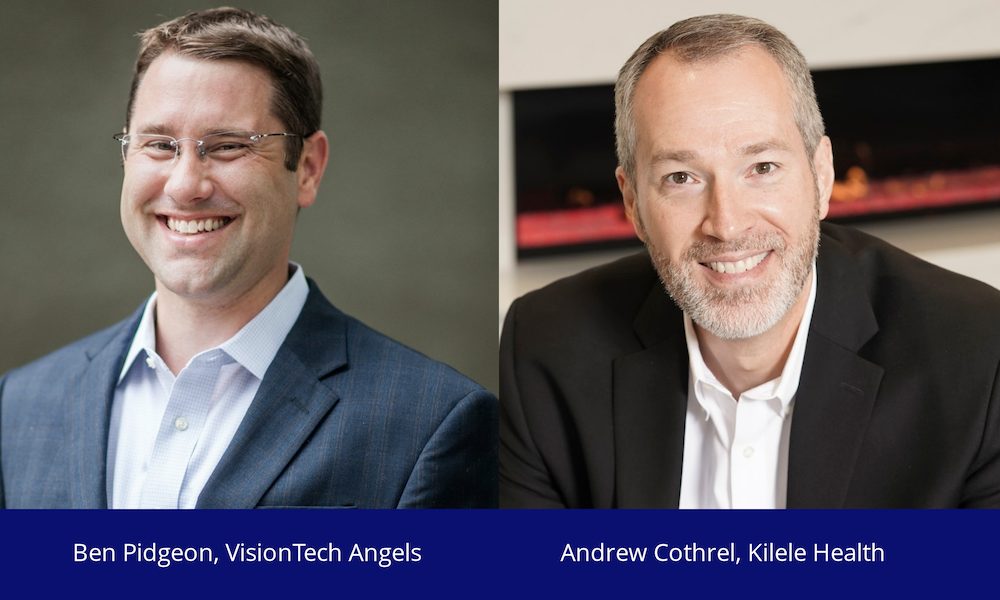
Here’s an interesting fact: Andrew Cothrel, CEO of Kilele Health, has been involved with VisionTech longer than I have. In fact, he goes back to the Stepstone days! In addition to being a VisionTech member/investor, Andrew serves on the board of portfolio company Scioto Biosciences and is the former CEO of SonarMed, another portfolio company that successfully exited in 2020. Having a deep background in the medtech industry bringing new products to market has made Andrew an excellent CEO of early-stage medical device and diagnostics companies. When he recently presented Kilele Health to the VisionTech Screening Committee, we were impressed and invited him to present at our September virtual pitch events. Here’s a preview.
BP: Where did the name Kilele Health come from? AC: Kilele is Swahili for mountain peak. It reflects our vision of helping patients achieve peak health through improved management of their chronic diseases.
BP: Tell me about Kilele Health and unmet need you’re addressing. AC: The science is complex, but our story is simple. The prevalence of chronic disease in America and around the world is bad and getting worse. By chronic diseases I am referring to conditions like diabetes, hypertension, heart disease, respiratory diseases, stroke, cancer, and obesity. Many of these conditions are intertwined. People with diabetes are also likely to suffer from heart disease. Chronic diseases are very difficult to manage. And from a healthcare payer perspective, the slope of the chronic disease cost curve has to bend, or it will bankrupt us.
There is already one success story in this space – continuous glucose monitors (CGMs). Patients and physicians now have a way to continuously monitor blood glucose levels and ultimately, better manage diabetes. Today, there are 5.5 million users of CGMs, representing a $5 billion plus market.
What Kilele Health is doing is following the proven path of continuous glucose monitors but enhancing them to measure other things via Aptamer biosensing. This allows us to leverage the hundreds of millions of dollars that have gone into establishing CGM systems, but the device is now set up to detect other biomarkers or drugs specific to a patient’s chronic diseases and provide real-time monitoring. For example, our CGM+ can monitor drugs or biomarkers related to blood coagulation or congestive heart failure. Having this information allows patients to monitor their condition, make better behavioral choices and better comply with medication regimens. If they notice something wrong, they can contact their doctor. This replaces or reduces the need for in-person appointments to monitor and manage their condition.
Given how physicians and patients have embraced CGMs, we believe adoption of our CGM+ will have some tailwinds. We also know that the original equipment manufacturers of CGMs are all very interested in adding additional biosensing to their devices. That’s where Kilele Health’s Phase I commercialization plan comes in.
BP: Explain aptamer chemistry. I had not heard that term before. AC: Aptamers have been around a long time. They are nucleic acid sequences like DNA or RNA. They are great for binding a specific target molecule. Historically, the problem has been they just don’t last. That is the “big deal” that Kilele has solved; our aptamer biosensors last a very long time.
BP: What are your competitive advantages? AC: We have several competitive advantages over traditional chronic disease management. The need for patients to physically go to their doctor’s office, which delays treatment, is costly and inconvenient, goes way down. Physicians get better data that is better managed, and probably get more compliant patients as well. Payers win because long-term costs of disease management should go down. And nobody drowns in data. Our algorithms will identify events that are noteworthy of physician attention.
In terms of advantages over competitors, I mentioned the longevity of our biosensors. Nobody else that we are aware of is even coming close to doing what we have. The other significant advantage is that we’re not reinventing the wheel. We are leveraging the existing CGM platforms and hope to partner with these OEMs to accelerate time to market as well as speed of adoption based on the positive goodwill of physicians and patients toward CGMs.
BP: What kind of intellectual property do you have? AC: The University of Cincinnati has a suite of more than 30 pending patents on the technology with more coming. Kilele Health has exclusive rights to license this patent protection. We want to build a tall fence around Kilele Health and plan to add our own patents going forward.
BP: What is your total addressable market? AC: Any market over a billion is big, and the market for our technology is significant. We believe our Phase 1 market, which is our CGM+ for people with diabetic comorbidities, represents a $5 billion opportunity. Phase 2, which is using those same assays for non-diabetics, may represent $10 billion. Phase 3, which is new medical indications, is at least another $5 billion opportunity.
BP: What is your revenue model? AC: Phase 1 is very likely to be licensing to one or more current CGM OEMs. After that, it’s hard to know exactly. However, by Phase 3, I would anticipate that we will have built our own wearable monitoring system hardware and software
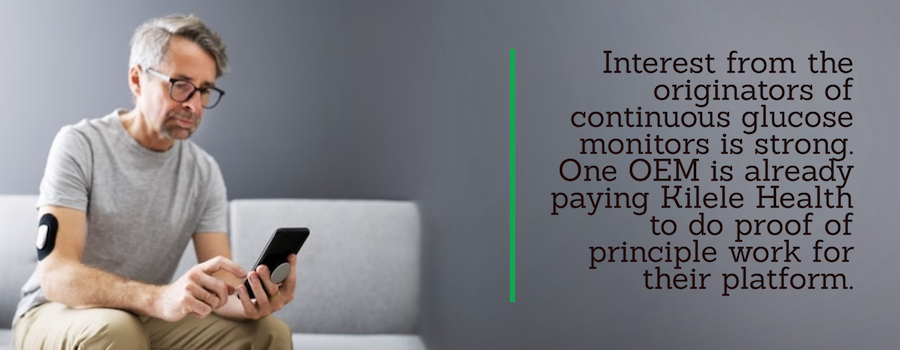
BP: Where are you in terms of commercialization? AC: We are early stage, finalizing our tech and prepared for animal studies leading to human testing and FDA clearance. Our first product is aimed at cardiac comorbidities. Many diabetics have cardiovascular issues, so that’s a natural initial target. That said, we plan to develop multiple sensors in overlapping but staggered tracks. We will be partnering with CGM original equipment manufacturers on development. Already there is strong interest in what we’re doing with aptamers and our CGM+. One OEM is already paying us to do some proof of principle work for their platform.
BP: This is a $2.25M Series Seed Round. What is your planned use of funds? AC: Our use of funds is straightforward. First, we plan to expand team and prove a biosensor life of one week in an animal model. We will be focused on developing aptamers for our top three to five targets. We will also work toward scheduling a pre-submission meeting with the FDA to nail down our clearance submission requirements
BP: Three reasons why VisionTech Angels should invest in Kilele Health. AC: First, our team. Internally, we have global leaders in aptamer biosensors, experienced medtech entrepreneurs, and individuals who have worked directly with potential partners and acquirers. Our external clinical advisors are also excellent.
I’m a known quantity to VisionTech Angels and will be transparent with our investors. Second, we have identified a hole in the portfolios of the three makers of continuous glucose monitors, Abbott, Dexcom and Medtronic. They are all interested in adding new capabilities to their platforms. We are positioned to provide that to them. Lastly, our commercialization pathway will be very capital efficient and hopefully take us to a quick/high IRR exit.
VisionTech Angels’ September Pitch Events will be virtual on Thursday, September 29 at Noon ET and at 6 p.m. ET. Pitch events are open to our members and accredited investors interested in joining our group. To register, check your email for an invitation, go to our Events page where you’ll find the RSVP links, or email Ben Pidgeon at bpidgeon@visiontech-partners.com.
Have you seen the 1990’s comedy with Bill Murray called Groundhog Day? In the movie, his character Phil is caught in a time loop. Everyday, he wakes up to the same day, in the same hotel bed, to the same song on the clock. The only things that change are who he meets and the trouble he gets himself into.
I sometimes feel a little like Phil in Groundhog Day – I’m constantly having the same conversation with startup founders about cap tables. There’s a general lack of understanding about how to structure a cap table for investors. And our conversations typically center on dilutions, valuations, and the potential loss of control of company ownership. I always stress how critical it is to have a detailed understanding of who owns what at each stage of the business. Investors like VisionTech Angels look at that.
Investors also have questions about cap tables and how it changes with each funding round and the addition of new investors. Angel investors are particularly sensitive to changing cap tables because as early investors, we shoulder much of the risk of a startup.
In talking with Jason Schpok at Elevate Ventures, we agreed it would be a tremendous benefit to startup founders and investors to host a webinar on cap tables. So on Wednesday, July 20th, we did just that, presenting “Creating a Cap Table with an Investor’s Perspective in Mind.” Forty people joined the hour-long presentation and discussion and gave it high marks when surveyed after the event.
The content in the webinar is timeless – plus I’m sure I’ll have a few more of those Groundhog Day conversations on cap tables – so we’re posting the webinar here so more founders and investors can listen and learn at their pleasure. If you have additional questions, please reach out to me here.
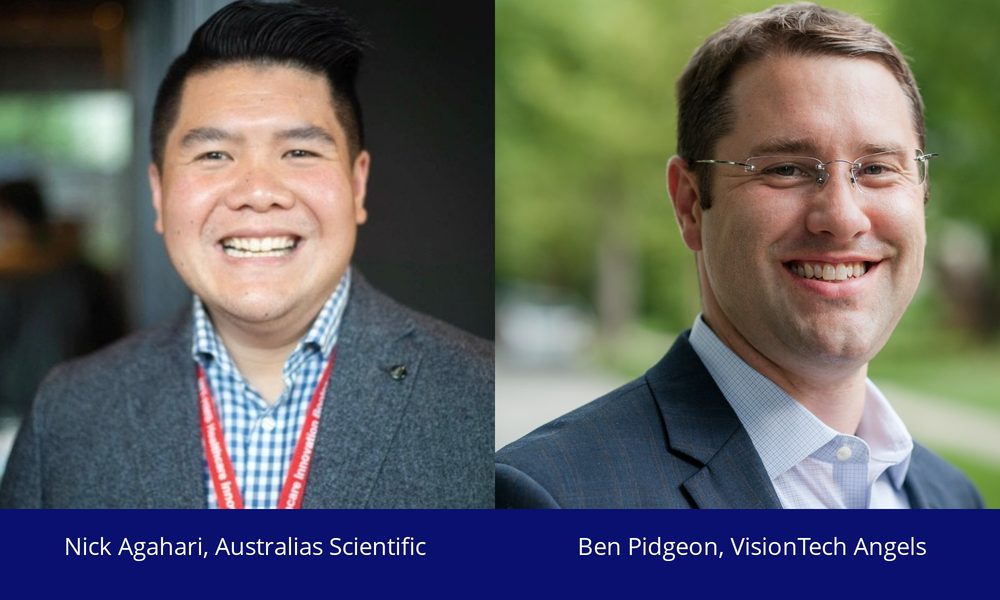
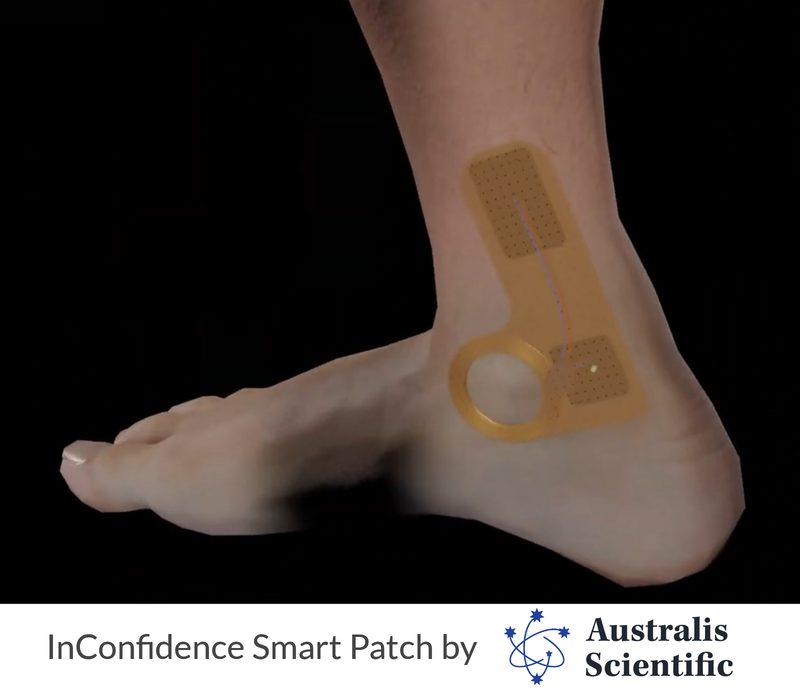
Overactive bladder is a topic most people shy away from. We shouldn’t. Why? Because many of us will suffer from this inconvenient condition when we’re older. While there are treatment options and stop gaps like adult undergarments and continence hygiene products, they’re not perfect. Boston-based Australis Scientific led by CEO Nick Agahari in partnership with co-founder Martin Jensen are developing an at home treatment called the In-Confidence Smart Patch. This device reduces the symptoms of overactive bladder and is an alternative to other treatment options. Nick and Marty are Harvard Health Tech Fellows with backgrounds in Urology. Their understanding of the market and human issue is deep, and their technology is on target. The VisionTech Screening Committee was impressed so we invited Nick to present at our July virtual pitch events. Here’s a preview.
BP: How did you learn about VisionTech Angels? NA: It’s kind of a funny story. One of your investors, Moa Feldenheimer, was participating in an MIT Bootcamp with a startup he’s working on. I was Moa’s coach and his team won the bootcamp! Moa rewarded me with an introduction to Vision Tech.
BP: Can you explain overactive bladder and who it affects? NA: Sure! Overactive bladder, or OAB, is one of those conditions that becomes more prevalent as we age. OAB is predominantly idiopathic which means that there is an absence of pathologic or metabolic factors known to cause it. What happens is as we age, we become more prone to having inappropriate signaling to the brain that the bladder is full when it’s not. This causes “FUN” symptoms: frequency of urination, urgency to urinate, and nocturia or needing to urinate multiple times at night. Eighty percent of people aged 75 have OAB and I assure you the FUN symptoms are no fun for patients.
BP: Tell me your quest to solve the issue. NA: My co-founder Martin Jensen and I met through the Harvard HealthTech Followship in 2021. Only four fellows are chosen each year from hundreds of applicants from around the world, so it’s a high honor. We were embedded for three months at Harvard’s Brigham and Women’s Hospital Department of Surgery to identify unmet clinical needs. What we identified was that the FUN symptoms were pervasive among the patients treated by urological surgeons. Over 90% of patients we observed received surgery, minimally invasive therapies, and medical management to manage their lower urinary tract symptoms which include overactive bladder. Current treatment options weren’t satisfactory for patients or physicians. Ultimately, this discovery set us on the path to create a solution.
Martin Jensen, Australias Scientific
We did a lot of patient and physician interviews and discovered most patients diagnosed with OAB are managed with prescription medicine. Those patients who are not responding to medication have more advanced invasive procedures like Botox injections in their bladders and surgery to implant a lead and pacemakers into their tail bone to control the urge to urinate. We heard a lot of frustration in our interviews. It’s a difficult decision for patients to either take medications which come with adverse side effects or commit to invasive interventions like surgery.
Both Marty and I could personally relate to them. Marty cared for his elderly father-in-law who had Alzheimer’s. Having a better solution that would help him sleep through the night and reduce the number of diapers would have made his care easier and his last years more dignified. My own grandfather had OAB and was very traumatized by it. He tried to be stoic, but it drove him to tears because it robbed him of his independence and identity. This was a man who was a POW during World War II.
BP: What was the unmet need that you identified? NA: People become very frustrated with the indignity of wearing adult diapers to manage their hygiene. They become noncompliant with the medications due to the adverse side effects and the increased risk of dementia. The advanced therapies such as surgery and injections are often not an option especially in the elderly patient cohort. The majority of OAB patients suffer in silence and undiagnosed due embarrassment and the misconception that their urinary symptoms are a normal part of aging.
BP: What is the InConfidence Smart Patch and how does it work? NA: Our goal with the In-Confidence Smart Patch is to develop a novel solution to treat patients with overactive bladder that is discreet, effective, and easy to use without requiring any major lifestyle modifications.
In-Confidence Smart Patch is a minimally invasive and does not require anesthesia, surgical incision, cystoscopy, or deep needles to deliver treatment. Basically, it’s a “set and forget” smart patch worn on the ankle with microarray needle electrode technology. This technology stimulates the posterior tibial nerve in the ankle to relieve the symptoms of OAB. In-Confidence is also capable of delivering maintenance therapy to minimize overall FUN symptoms. Patients activate on-demand therapy to mitigate urgency symptoms and automated on-time therapy to minimize symptoms of nocturia. Patients require a new smart patch each week.
BP: Why do you think people will find it more palatable than adult diapers, medications and surgical intervention? NA: One of the biggest advantages of our technology is ease of use. It’s almost like wearing a sticker. If the patient has ever worn a patch for smoking cessation or diabetes, they will be comfortable wearing our patch. It’s noninvasive and doesn’t require any behavior modifications. The patient literally puts on the patch once a week and forgets it.
Compare this with adult diapers, which are bulky, embarrassing, and don’t fit with the active lifestyles many patients want to regain. Medications, while easy to use, have a lot of negatives. They can make patients feel mentally foggy and because these meds dry up a person’s orifices—the mouth for example—they feel the urge to drink more which stimulates urine. OAB medication have also been proven to increase the risk of dementia and that’s frightening for people and concerning to clinicians. Surgical intervention isn’t always the best option for seniors largely due to the risk of anesthesia and being invasive to the body.
BP: How big is the addressable market in the United States? NA: OAB is an enormous problem, particularly among older adults. In the United States alone, 40 million people have FUN symptoms. Currently, only about 16 million seek clinical diagnosis and treatment. Of these, about 6.8 million are resistant to medication and would benefit from percutaneous tibial nerve stimulation. We are focusing first on the 65,000 patients per year who are receiving neuro-stimulation interventions through their urologist, a segment is $228 million annually in the U.S.
BP: Your product requires a physician prescription. Will physician adoption be a challenge? NA: The In-Confidence Smart Patch is a prescription only device. It’s currently considered as a third-line therapy by the American Urological Association and prescribed after the patient can no longer tolerate prescription medications. As we build our clinical efficacy and health economic data, we hope to be reclassified as a second-line device so patients have an alternative to medication therapy.
In terms of physician adoption, OAB patients are treated by urologists, a subspecialty that’s in high demand. These patients are time-consuming to treat and generate low revenue. During our physician interviews, the response was positive because of favorable outcomes and patients require less hands-on time to manage. A non-pharmaceutical, non-invasive treatment option is also very beneficial for this generally older patient population. Finally, we fit directly into established reimbursement codes, so physicians are compensated while freeing time to increase patient volumes.
BP: Do you have any patents on your technology? NA: We have patents in the national phase and provision applications. We expect our foundational patent to be granted in the next 12 months. We have disclosed further patent applications through Harvard Office of Technology developed as part of our fellowship, which we intend to license. It’s worth noting that Harvard creates quite a moat; they do not hesitate in litigating any patent infringements.
BP: Explain your revenue model. NA: The InConfidence Smart Patch has two components: an induction powering unit that is a one-time purchase and the consumable patches, which are sold as a weekly subscription. We are leveraging existing CPT and ICD codes for percutaneous tibial nerve stimulations, which covers physician fees and device reimbursement.
BP: Where are you in terms of commercialization? NA: We have finished our preliminary development cycle and are finalizing our prototype. We have partnered with a development, design, and engineering firm with roots at MIT and experience in bringing medical devices to market. We have implemented a world class quality management system, and are working toward design lock and filing a 510(K) pathway for a class II medical device with the FDA.
BP: What’s your go-to-market strategy? NA: We are looking to a market launch in Q4 2024. Our beach head will likely be The Villages in Florida, a retirement community with about 130,000 residents. The median age is 72 and about 95% are covered by Medicare. There are 20 urologists serving the community who will be our call points. Market development will be led by a sales team experienced in Urology.
BP: What funding round is this? NA: This is our seed round.
BP: What is your planned use of funds? NA: We are very focused on finalizing our prototype, expanding intellectual property, identifying manufacturing partners and securing FDA approval.
BP: Give three reasons why VisionTech Angels should invest. NA: First, there is a significant unmet medical need around the world, which we have validated. We have identified a market of 33.2 million Americans looking for a discreet treatment that In-Confidence offers. Second, as Harvard Health Tech Fellows , we have been focused on our technology and strategy for the last 12 months with access to incredible resources at Harvard. Lastly, our founding team has deep experience and expertise in Urology, empathy for this patient population, and direct experience with medical devices and building sales teams for global companies such as Boston Scientific and Medtronic. We believe it’s a winning combination.
VisionTech Angels’ July Pitch Events will be virtual on Thursday, July 28 at Noon ET and at 6 p.m. ET. Pitch events are open to our members and accredited investors interested in joining our group. To register, check your email for an invitation, go to our Events page where you’ll find the RSVP links, or email Ben Pidgeon at bpidgeon@visiontech-partners.com.
Living in Indiana, I haven’t thought much about the issue of biofouling of ships and recreational boats and unless you’re a boat owner, it’s likely you haven’t either. Consider the beautiful cruise boats we see on ads. It’s a constant and costly challenge to keep the hulls white and free of barnacles, mussels, and other grunge. Buildup of these unsightly freeloaders causes drag, which slows the ship and increases fuel costs. Typical solutions are not environmentally friendly. Adaptive Surface Technologies (AST) led by CEO David Ward has additive and coating solutions for this and other sticky problems. ASTis benefiting from strong global interest in more sustainable solutions. The VisionTech Screening Committee was impressed so we invited David to present at our May virtual pitch events. Here’s a preview.
BP: Tell me about your company and what unmet need you saw in the market(s) you serve? DW: Adaptive Surface Technologies (AST) is an industrial technology company that produces additives and coatings that repel biological fouling we see in the marine industry plus other fluids, food, contaminants, and ice. Our products can be used for a wide range of aviation, consumer, industrial, marine, and medical applications—any applications where you don’t want material to stick.
A universal unmet need in consumer and industrial applications is better performing, environmentally friendly additives and coatings that keep material from adhering to and/or building up on a surface. You mentioned the marine industry. Current solutions to deter fouling often include biocides such as copper, which are not environmentally friendly. In the packaging industry, recycling is a top priority. Consumer products companies have to be careful not to add something to a package to improve performance that renders it nonrecyclable. Our products solve customers’ problems while protecting and improving the environment.
BP: What’s your solution (products) and what are the benefits? DW: So far, we have brought two distinctive product groups to market: “Wet” SLIPS® liquid surface coatings and “Dry” AST repellent coatings and additives. We have SLIPS coatings for industrial and consumer packaging applications that deliver better non-stick properties than Teflon®. SLIPS coatings create a fully liquid surface that is ultra-smooth and super-slippery so unwanted fluids and biological foulants slide right off. One example is our SLIPS® ZERO™ coating for plastic food packaging that allows for the complete emptying of the container and does not interfere with recycling once the package is empty. With our coating, you can easily get all of the toothpaste or viscous food product out of the packaging. There are some videos on our website that demonstrate exactly how SLIPS® Zero works.
The “dry” AST products are based off of proprietary Surface-Active Polymer additives, which stratify to the surface and create hydrophilic domains within a hydrophobic matrix. These additives were developed to repel marine biofouling and have been commercialized as SLIPS® Foul Protect for marine applications. One product we currently have on the market is SLIPS® Dolphin™ Bottom Paint for recreational boaters. This paint creates an ultra-smooth, slippery surface that organisms can’t attach to. It lasts multiple seasons, so boat owners don’t have to worry about painting their boat every year. It’s also environmentally friendly. The commercial versions for tankers, cruise ships, and other commercial vessels performs the same way. Go to our website to see a demo of SLIPS Dolphin in action.
We’re currently working on a solution for repelling frost and ice for industrial and aerospace applications, a project which was started with the help of two government SBIR grants from the US Air Force (AFWERX).
BP: How big is your addressable market? DW: The marine anti-biofouling coating market is close to $4 billion annually. The majority of the market is commercial shipping; recreational boating is just a fraction. The consumer packaging market is a bit difficult to quantify as there isn’t an existing solution to compare against but given there are billions of packages filled in our target market every year, the prospective licensing income is also very large.
BP: Do you have competitors? Is yes, what is your competitive advantage? DW: Again, it varies by market but centers around performance and sustainability. In the marine market, various paints and coatings are currently used but 90% contain biocides and create microplastic waste because they are designed to decay into the water over time. Neither of those are environmentally friendly and with all of the attention on keeping oceans free of plastics and other non-natural material, we have a significant competitive advantage. In consumer packaging, we improve performance without adding anything that interferes with the package’s recyclability.
BP: You have very robust IP protection: 27 issued patents, 22 in prosecution. DW: Yes, we do. They are split between patents filed by Harvard University when the liquid coating was developed and exclusively licensed to AST for our fields of use. The balance of the patents are owned by AST as we developed the dry coatings used for the marine industry.
BP: What is your revenue model? DW: We predominantly license the use of our products to customers, and therefore gross margins are high. This keeps our revenue model simple. The sales cycle includes time for product validation, but when you’re written into the specs you are in a long-term relationship with the customer. The one outlier is our SLIPS Dolphin Bottom Paint for the recreational boating market. This is a traditional sales model.
BP: What is your traction to date? DW: We have commercial products for the marine, consumer packaging and semiconductor manufacturing markets. As mentioned earlier we have benefited from non-dilutive funding from the U.S. Department of Energy, ARPA-E, U.S. Navy, and the AFWERX SBIR grant supporting development of our anti-frost dry coating.
We’re also excited that one of our new investors is AkzoNobel, a Dutch multinational company that creates paints and performance coatings for both industry and consumers worldwide, which we see as a major vote of confidence.
BP: How do you plan to use the funds from this round? DW: Primarily as working capital as we expand our commercialization team and efforts. Our technology is done for marine and consumer packaging; it’s time to develop our market presence.
BP: Why should VisionTech Angels invest in Adaptive Surface Technologies? DW: We have a very large and growing market opportunity. That’s aided by the environmental benefits we offer. Our technology is proven in the markets we’re focused on. Lastly, we have an expert management team who have deep industry and commercialization experience.
To learn more about Adaptive Surface Technologies, visit their website. VisionTech Angels’ May Pitch Events will be virtual on Thursday, May 26 at Noon ET and at 6 p.m. ET. Pitch events are open to our members and accredited investors interested in joining our group. To register, check your email for an invitation, go to our Events page where you’ll find the RSVP links, or email Ben Pidgeon at bpidgeon@visiontech-partners.com.
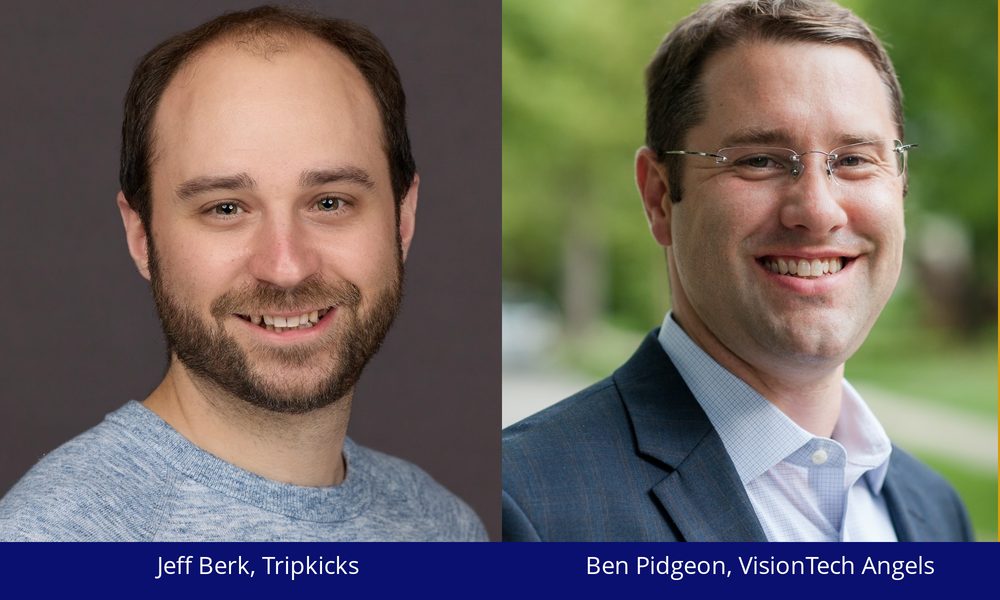
Business travel took a huge hit during the global pandemic. Fortunately, the skies are becoming friendly again and here to take advantage of the situation and changing demands of business travelers is a startup called Tripkicks led by CEO Jeff Berk. There’s a lot to be impressed by with Tripkicks; you’ll read about it below. What’s really cool is the splash they’ve made in the business travel industry. Tripkick was recognized as thePhocusWire Hot Startup 2021 and winner of the Seventh Annual Business Travel News (BTN) Innovate Award for advancing business travel and the TechLaunch BullPen #20. With business travel returning to a new normal, Tripkicks is on trend and has strong traction with large Fortune 500 brands. The VisionTech Screening Committee was impressed so we invited Jeff to present at our April virtual pitch events. Here’s a preview.
BP: How did you hear about VisionTech Angels? JB: We were introduced through one of our board members, Eric Baum, who is a partner at Solidea Capital. He spoke highly of VisionTech through the work they’ve done with other VisionTech portfolio companies.
BP: Tell me about your company and how it came to be. What unmet need did you see? JB: Before Tripkicks, I was a managing director at consulting firm that specialized in corporate travel, expense and procurement technology. I saw first-hand how incredibly slow the business travel industry moves. Companies were concerned with reducing travel expenses and increasing policy compliance. They spent considerable resources putting in platforms to enable that. Now, as business travel restarts, new objectives are being introduced around important initiatives like health and safety, employee satisfaction and ESG. Companies want to address these priorities, but are also keen to not lose sight of the more traditional goals around cost and policy.
This, combined with the fact that business travel is re-emerging after a global pandemic, business travel programs are looking for new capabilities as their travelers return to the skies and roads. As an add-on to business travel programs, we provide tools to influence traveler behavior and bring additional information and capabilities that allow travellers to make better decisions that are in line with company goals and individual preferences. Our initial focus is around point-of-sale for the business traveler.
BP: How are you solving your market’s pain point? JB: We’re focused on making business travel better by helping companies address these new priority areas without changing their existing infrastructure. Tripkicks does three things. First, we provide important travel insights such as health and safety information, entry/documentation requirements, local destination intelligence, notifications from employers, and more when travelers are booking a trip.
We also provide guidance to help these travelers select the most appropriate travel options. Examples of this are that we show travelers which options are the most eco-friendly and where additional benefits are available through their corporate agreements. Finally, we motivate travelers to make specific decisions and change behaviors. Here’s an example, we’ve built an algorithm that introduces rate targets to guide appropriate trip spend, and we can even reward travelers for specific decisions such as choosing a cheaper flight or a more ecofriendly property. This allows them to earn gift cards or fund a carbon offset project.
BP: What is your traction to date? JB: Even though the business travel industry is still finding its legs after the global pandemic, our traction is strong, particularly in the enterprise segment. Early customers include some of the world’s largest companies and cover a wide range of industries like social networks, apparel, technology, media, and pharmaceuticals. We’re currently in implementation with several others, and our pipeline has never been stronger. We’re a lean team that has been able to build a big reputation in our industry given the problems that we are solving and the high-profile accounts coming onboard.
BP: How big is your addressable market and what is your revenue model? JB: In 2019, the annual spend for online corporate bookings of airlines and lodging was $82 billion. Online travel bookings by Fortune 500 companies are generally between $35 million to $100 million annually, with smaller travel programs spending anywhere from $1 million to $35 million. Much like other business travel companies, Tripkicks takes a percentage of the spend on airlines and lodging.
BP: With other, increasingly sophisticated options to in-person meetings, why do you think business travel will return to pre-pandemic levels? JB: Business Travel is a resilient industry that has a history of coming back faster than expected. We’re already seeing strong signals from the mid-market. Larger companies have been more conservative in restarting travel, but we continue to hear from our clients that platforms like Tripkicks help provide the confidence to restart. Of course, some previous trips will be forever replaced by video conferencing, which is positive for us as a society, but we’re also seeing new types of trips. For example, more frequent and purposeful team travel, a direct result of more remote work environments. Industry trade shows are returning to in-person events, and people are excited to once again meet in-person.
BP: What is your competitive advantage? JB: We are first to market and have taken full advantage of that by building a strong brand and network of resellers and referral partners to keep us ahead of future competition. A major advantage for Tripkicks is that we don’t replace existing services or technology, which reduces the burden of change for a company.
Additionally, our partnership and unique integration with SAP Concur, the dominant corporate booking tool, has propelled us into the spotlight. These partnerships give Tripkicks industry credibility while also demonstrating that we work with rather than against legacy service and tech providers in the business travel space. Business travel is a close-knit industry that is extremely difficult to break into, but once you’re in, the potential exists for rapid growth.
BP: What raise is this and how much are you trying to raise? JB: This is a pre-seed round. We raised $1 million in 2021 for product development. Our goal is to raise an additional $500,000 to support us to a Series A round in early 2023.
BP: What is you planned use of funds? JB: We have rapidly added clients to our portfolio and our pipeline is very strong. This raise will go to continuing our sales growth and supporting clients as they restart business travel in their organizations. Additionally, we plan to expand our ESG-related product functionality and expand into other traveler touchpoints beyond the booking process.
BP: Why is ESG functionality important? Is that something business travelers or their companies care about? JB: ESG is really the perfect storm right now. Not only are we seeing pressure from the top-down as boards of directors mandate new requirements, but it’s also something that is coming from the bottom-up. The environment and social issues are incredibly important to younger generations who make up the majority of business travelers.
BP: Give three reasons why VisionTech Angels should invest in your company? JB: Sure, Ben. First, our early traction within our primary market, Fortune 500 and large companies, is impressive and demonstrates the desire for Tripkicks’ offering. Second, while we’re focused on sales and client engagement, we continue to build out our platform to add more of the functionality our target clientele wants and can’t find elsewhere. Third, we have an all-star team that is immersed in this industry. We’re highly visibility, capitalizing on opportunities for high exposure among our prospects. As part of that, we’re fortunate to have a brain trust of advisors, board members, and supporters with deep experience in travel and growing companies.
To learn more about Tripkicks, visit their website. VisionTech Angels’ March Pitch Events will be virtual on Thursday, April 28 at Noon ET and at 6 p.m. ET. Pitch events are open to our members and accredited investors interested in joining our group. To register, check your email for an invitation, go to our Events page or email Ben Pidgeon at bpidgeon@visiontech-partners.com.