Tag: Midwest angel investing

  • Crops that Talk? Meet March 19th Pitch Presenter Kyle Mohler Whose Company, Insignum AgTech, Makes It Possible

    Crops that Talk? Meet March 19th Pitch Presenter Kyle Mohler Whose Company, Insignum AgTech, Makes It Possible

    Growing up in West Lafayette, I have “fond” memories of my summer job de-tasseling corn. This entailed waking up at the crack of dawn, walking through corn fields getting soaked by dew and cut by the corn stalk leaves, pulling off the tassels, and  finishing by 2 p.m. just as it was starting to get really hot—all for $300 a week. See how it’s done here.

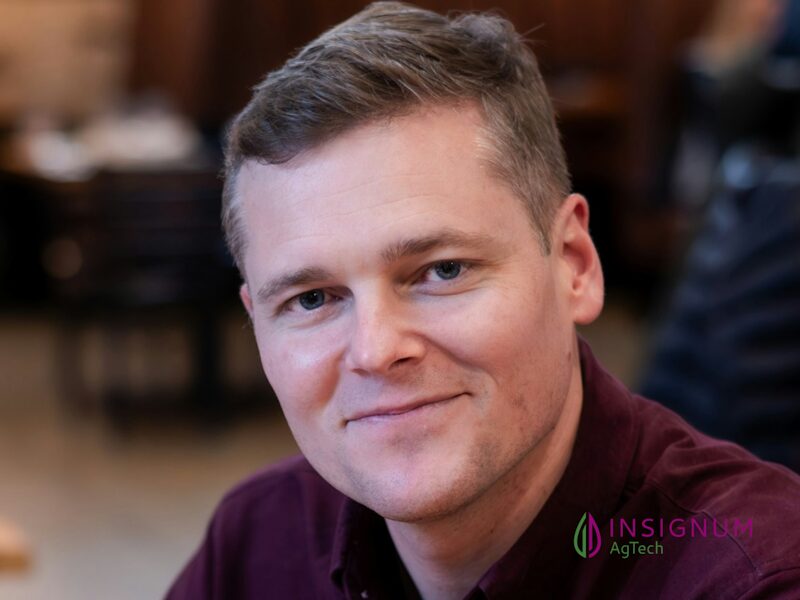
    Corn came back into my life when I met Kyle Mohler, founder and CEO of Insignum AgTech, several years ago. He shared how his biotech company was developing genes that could solve some of ag’s biggest crop protection problems. The genes allow plants to “talk” with farmers about what ails them, so farmers can effectively treat their crops and avoid losses. The idea of “talking plants” caught my attention. Kyle is now preparing to commercially launch Insignum’s first product after meeting impressive milestones. It’s a unique investment opportunity and invite him to pitch to VisionTech investors on March 19. Here’s my preview.

    BP: How did you hear about VisionTech?
    KM: If you’re developing a startup in Indiana, you know VisionTech. Insignum AgTech has been in its R&D phase since 2020. Now that we’re moving into commercialization, the time is right to actively engage with your group.

    BP: What’s your experience in the agriculture industry?
    KM: How far back would you like me to go? (Laughs) I grew up on a farm outside of Lebanon, Indiana, that raised corn, soybeans, cattle, and pigs. I was a member of 4-H and FFA, and as an FFA project in my teens, I rented a field from a neighbor, rented equipment from my dad and raised my first corn crop. I’m sure they both gave me a deal to help steer me to a career in agriculture. It worked! I went on to earn a BS in Plant Biology at Purdue and a PhD in Plant Biochemistry at the University of Edinburgh in Scotland. I followed up with post doc research stints at the University of Georgia and Purdue. 

    BP: What’s the back story on Insignum? 
    KM: I was doing research at Purdue for my post doc from 2015-2018 and looking at farmers’ crop protection strategies. About this time, Mohler Family Farms had just begun applying fungicides as a prophylactic. This of course was another input cost to already thin margins. I believed there was a better way to approach crop protection by engaging the plants themselves in the process. In a sense, having the plants “talk” to farmers when facing stresses like fungus, insect pests or lack of fertilizer.

    Without getting too deep in the science, I devised a way to leverage naturally occurring color genes in plants that are activated to fight disease. In many varieties, these genes have been switched off to ensure the corn or grapes or cabbage is green. But we reactivate the genes to do something new, to communicate at the earliest stage of stress.  For example, when corn is attacked by a fungus, purple spots appear on the leaves—kind of like real time sensors. With this information, farmers get both precision ag and decision ag. With Insignum, they can precisely treat when and where needed rather than arbitrarily treating an entire field. This has a positive impact on yields, input costs and the environment.

    Insignum’s patented gene system allows crops like corn to signal farmers at the very earliest stages of stress from fungus, insects, and infertility using color. Farmers can then treat accordingly.

    BP: Are there any negatives about using this type of genetically modified seeds?
    KM: No. We are leveraging existing genes and natural processes in the plant. We are not making artificial modifications. That’s a win for agriculture, consumers and the environment.

    BP: Is your gene technology limited to corn and fungus?
    KM: Not at all. The Insignum system can be applied to all crop categories such as row crops, vegetables and high-value crops like fruits, nuts, grapes and hops. While we started with fungus, we are developing genes that also detect and signal insect damage and infertility/lack of adequate fertilizer at early stages so farmers can react and treat accordingly. Insignum is definitely a gene technology platform.

    BP: What’s going to make farmers say, “I need this”?
    KM: Agriculture is full of uncertainty—droughts, floods, hurricanes, global tariffs—and involves a series of complex decisions to deliver profitability on every acre.  As operations become larger, every decision costs more for the farmer, the crop and the environment. Insignum gives farmers a powerful new tool that allows them to respond specifically and quickly to what their crop signals is threatening its health before typical symptoms appear. No more guesswork. This is a gamechanger.

    BP: Who are your customers, the seed companies or the farmers? 
    KM: Farmers are our end users. However, our business model involves licensing our gene—and ultimately genes—to seed companies. They will cross breed our genes with their seeds to deliver new value-added seeds with enhanced crop protection. This helps their customers achieve better outcomes and builds brand loyalty.

    BP: What are major milestones to date you’d like to share with VT investors? 
    KM: 2023 was a big year for us. The U.S. Department of Agriculture’s Animal and Plant Health Inspection Service approved the use of our gene quickly and without regulatory hurdles because we use genes naturally occurring in plants. This cleared the way for us to sign an agreement with Beck’s Hybrids to test Insignum’s corn traits in Beck’s elite varieties. This relationship has been very positive and we’re now in year three of testing with Beck’s.

    We recently signed an agreement with another top five seed company and will be testing with Keystone Cooperative, which supports farmers across Indiana, Michigan and Ohio.

    BP: Do you have IP protection?
    KM: Although our gene for fungus detection in corn is natural, it is novel. We have patented the platform to make plant sensors out of pieces of DNA that are naturally in the plant.

    BP: How have you funded Insignum to date?
    KM: We received non-dilutive funding and support from the Indiana Corn Growers Association last year. We’ve raised just over $2 million in dilutive funding from a farmer-led investment group in Iowa called Ag Ventures Alliance, Elevate Ventures, Purdue Ventures, and angel investors.

    BP: What investment round is this and what are your intended use of funds?
    KM: We are looking to raise a $2.5 million Seed Round. We will have a first in March. I’ll make sure there’s room for VisionTech.

    This round will be used to propel our commercialization efforts of our first gene and expanding our gene platform to include a new product and new plant species, likely canola. Corn is king in the Midwest, and canola is the premium crop for Canadian farmers. We’re currently recruiting a business development person as well as an agronomist for field trials and additional data scientists. 

    BP: Give me three reasons VisionTech investors should invest in Insignum AgTech.
    KM: First, it’s the right time to invest in the agriculture industry. The seed industry has consolidated and have cut R&D budgets. They are looking externally for innovation. Second, genes in agriculture are like pharmaceuticals in health care. A single gene can be worth a billion dollars. And we are creating a suite of genes. Finally, we are early in our development, so our valuation is low. It’s a good time to get in with Insignum AgTech.

    VisionTech’s Virtual Pitch Event on Wednesday, March 19 begins promptly at 12 noon ET. Plan to join me and Insignum AgTech Founder and CEO Kyle Mohler and fellow VisionTech investors. Please register here.

  • A Cap Table Dilemma: Founders, Boards, and the Hard Call to Reset

    A Cap Table Dilemma: Founders, Boards, and the Hard Call to Reset

    Conversations around cap table resets have come up with more company founders than you might think over the last year.

    Here’s the situation: The company has raised capital from investors on terms reflecting the broader funding environment and are typically favorable to investors. Everyone aligns on a set of milestones, knowing that while they’re ambitious, they represent the company’s best path to increase valuation and attract future funding. Fast forward 18 months. The company has made meaningful progress, hitting some milestones, though not all.

    With the board’s approval, the founder starts conversations for the next fundraising round. But the feedback quickly turns from product and market strategy to cap table complexity. Some typical comments: “Your cap table is messy.” “Founders should hold more equity at this stage.”

    That’s when the dilemma sets in.

    There’s a strong temptation to “fix” the cap table proactively. That is, to align equity stakes with what new investors expect before the next round. It’s within the founder’s control to do so and seems like it could set up the next raise for success.

    But here’s the unpopular opinion: changing the cap table ahead of a funding round can be like a “Field of Dreams”—if you build it, they might come. The illusion is that a reset will make the company instantly more attractive, but without fresh capital or a value inflection point, it’s often just a cosmetic change.

    So what’s the path forward?

    Transparent Board-Driven Discussion. Before resetting equity, boards and founders should align on whether these changes genuinely impact the company’s ability to reach its next value milestone. If not, they risk sending mixed signals to investors.

    Timing Is Everything. The true value of a cap table reset often comes in tandem with a funding round, reinforcing both the new capital and the refreshed structure as a cohesive step toward growth.

    Clarity for Future Stakeholders. Rather than a field of dreams, investors want a clear path to ROI. Cap table structure should reflect the company’s growth story, not a rebalancing for the sake of optics. If a new investor wants to pursue an investment because they have conviction in the opportunity, they will work with the founder to create a solution concerning the cap table.

    Over the next 18 months, more founders and boards will face this choice: to simplify their cap table now or wait until new capital validates the reset. While the appeal of a clean cap table is undeniable, timing and strategy matter more than aesthetics.

    What would you do in this situation? Drop me a line at bpidgeon@visiontech-partners.com

    Ben Pidgeon is the executive director of VisionTech, a position he’s held since 2016. During this time, Ben has grown member in the angel investing group to 130+ members, the portfolio to 72 companies, and led VisionTech to nearly $4.3 million in deployed capital. Past president of the Venture Club of Indiana, serves on the board of directors for several early-growth companies and does speaking engagements on angel investing and startup capital.

  • Baby, It’s Cold Outside: VisionTech Announces Hot Pitch Lineup of NuvOx,  SinuSauna and NICKLpass

    Baby, It’s Cold Outside: VisionTech Announces Hot Pitch Lineup of NuvOx,  SinuSauna and NICKLpass

    Register now for virtual pitches January 10, 13 + 14!

    While some are still recovering from the holiday break and slogging through snow and ice, VisionTech has just announced a flurry of virtual pitch events set for the second week of January. On-deck for a shot at capital are current portfolio company NuvOx Therapeutics and two newcomers, SinuSauna and NICKLpass. (Dates, times, previews and registration info below.)

    All three presenting company CEOs will get a full hour to pitch in a live, virtual format that gives VisionTech investors from across Indiana and the country to interact with the CEOs and get an insider’s look at the opportunity. VisionTech Executive Director Ben Pidgeon tested the single company pitch event format in 2024 and made the decision to go to it fulltime in 2025.

    “Having more time for investors to really dive in and ask questions of the CEOs following the formal presentation is a huge benefit,” Pidgeon says. “Our investors want to go beyond the pitch deck and uncover compelling reasons to invest in early growth companies. The single pitch company format does that.”

    VisionTech virtual pitch events are open to member-investors and pre-registered guests. Pidgeon encourages those interested in potentially joining VisionTech’s vibrant angel network to experience a pitch event firsthand. Guests may register by contacting Pidgeon. “As one of the Midwest’s most active angel groups, our deal flow, due diligence process, and opportunities are second to none.”

    Here is VisionTech’s January Virtual Pitch Lineup:

    NuvOx Therapeutics
    Rong Wang, CEO + President
    Friday, January 10, 9 a.m. ET
    Website

    A VisionTech portfolio company since 2023, NuvOx returns for a follow-on round. The clinical stage pharmaceutical company has developed first-in-class oxygen therapeutics and is currently raising a $7 million round in two tranches. The first tranche of $3 million will support three active clinical trials: two Phase IIb trials (glioblastoma and stroke) and a Phase Ib (respiratory distress). NuvOx has already successfully completed two Phase IIa trials in Glioblastoma and stroke.

    NuvOx’s lead therapeutic, NanO₂, has a unique mechanism of action that improves the flow of oxygen from lungs to blood and from blood to tissue. Over 30 animal studies have shown therapeutic effect in seven different indications where hypoxia is life threatening. This includes acute hypoxemic respiratory failure, traumatic brain injury, myocardial infarction (heart attack), and hemorrhagic shock.

    NuvOx was co-founded by serial entrepreneur Evan Unger, MD, a board-certified radiologist and Professor Emeritus of Medical Imaging at the University of Arizona. His first biotech company, ImaRx Pharmaceutical, developed three FDA-approved drugs and was acquired by DuPont. His second company, ImaRx Therapeutics, went public. NuvOx’s has a highly experienced leadership team. Learn more.

    SinuSauna
    Nancy Wright, CEO
    Monday, January 13, 12 noon ET
    Website

    SinuSauna is the first respiratory wellness solution invented by physicians that uses the power of heated dry air therapy to counter nasal congestion. Backed by clinical studies that support the benefits of heated, dry air to proactively limit germs before they build up, SinaSauna is a soothing, effective alternative to nasal irrigation products. Users enjoy nasal wellness benefits without drugs, chemicals, mess, and discomfort.

    SinuSauna is the first commercially available product of Respiratory Health Technologies, launched with the support  of Boomerang Ventures, an Indianapolis-based venture fund and studio. The product is available now on Amazon and is generating revenue. SinuSauna seeks to raise $140,000 that remains in a $700,000 pre-seed round to accelerate commercialization.

    NICKLpass
    Sumorwuo Zaza, CEO
    Tuesday, January 14, 12 noon
    Website

    Companies and their teams rely on news sites to stay on top of breaking news and critical trends. The challenge is most news sites require subscriptions, which can be cost prohibitive. There are very few tech-enabled ways for companies to purchase and manage enterprisewide subscriptions. NICKLpass is the solution, a digital platform that provides access to 100-plus (and growing) paid news subscriptions in one account with one login and without passwords or paywalls for an entire team. The savings are significant: up to 50% off retail subscriptions.

    NICKLpass’s client list is impressive and includes Ford, Microsoft, and VISA where senior executives are active users. Its leadership and advisory teams have deep media and technology experience from places like HuffPost, CNN, Thomson Reuters, Google, CBS, iHeartRadio, and The New York Times. The board includes the founder of women.com which IPO’d and was sold to Hearst.

     NICKLpass is raising $1.25 million primarily for business development and ongoing product development. The goal is to break even by mid 2025 and fund company continued growth through earnings or a Series A.

    Registration is required to attend any or all of VisionTech’s January virtual pitch events and digitally meet the CEOs. VisionTech member-investors should email thensley@visiontech-partners.com to register. Guests should reach out to bpidgeon@visiontech-partners.com

  • Check Out VisionTech’s Holiday Roundup of Portfolio Company News

    Check Out VisionTech’s Holiday Roundup of Portfolio Company News

    Despite the headwinds of a presidential election year, a poor economy and high interest rates, 2024 has been a busy year for VisionTechportfolio company, many of which have continued to make measurable progress. VisionTech member-investors have also demonstrated resilience and enthusiasm, completely multiple follow-on rounds with our portfolio companies. As we close out the year and into “Santa Season,” we’re gifting you with a roundup of updates encompassing news from September-November. Keep in mind, we still have one month to go in 2024. We may have more big news soon!

    PORTFOLIO COMPANY NEWS 

    ADIPO THERAPEUTICS

    Indianapolis-based biotech startup Adipo Therapeutics presented scientific data in June at the American Diabetes Association Scientific Sessionin Orlando that demonstrated that their lead asset, ADPO-002NP, can effectively “brown” white adipose tissue in humans. Studies with white adipose tissue from patients undergoing bariatric surgery have shown the expression and up-regulation of two key biomarkers in the process of mitochondrial biogenesis (browning of white adipose tissue,) which has the potential to increase energy expenditure or calories burned. 

    Adipo welcomed two new team members this fall. Marco Verwijs, PhD, is a senior CMC advisor for Adipo and has over 18 years of product development and manufacturing experience. He has a passion for bringing meaningful drugs to patients and has worked on multiple commercial products, leading them from clinical product development through NDA filing and commercial launch. He joins Adipo from Aerovate Therapeutics, where he served as chief technical officer responsible for developing and manufacturing its drug-device product for pulmonary delivery. He has also worked at Vertex, Flexion Therapeutics, and Epizyme. 
     
    Sumitra Ghate joined Adipo as vice president of Product Development and Global Regulatory Affairs. She has nearly 30 years of experience in drug development across both large pharma and emerging biotech firms. Sumitra spent almost two decades at Eli Lilly in Chemistry, Manufacturing and Controls (CMC) and Regulatory Affairs. Much of her time was spent advancing diabetes therapies. Notably, she played a pivotal regulatory lead role in the development and submission of the market application for Trulicity (GLP-1 analog), as well as leading submissions across the insulin portfolio. 

    AKADEUM LIFE SCIENCES

    Akadeum Is closing out 2024 with solid progressAkadeum, which has developed a patent-protected flotation-based separation platform that is revolutionizing biotech workflows across cell therapy, research, diagnostic, and therapeutic markets, continues to make progress. The Ann Arbor, Michigan-based company currently has two demo units of its AlerionTM Microbubble Cell Separation System in the field with cell therapy customers who are either looking to use Akadeum products in process development or in active clinical trials. The Alerion instrument will be commercially launched in Q1 2025. 
     
    CEO Brandon McNaughton reports demand for the Alerion instrument is growing, with multiple users interested in integrating it into upcoming clinical trials. Additionally, Akadium has received continued market validation of its industry-first ability to isolate untouched T cells at scale. It successfully completed its first customer GMP audit. Akadeum has also identified FDA-registered, third-party manufacturing sites ready to help scale the company’s product line. Kits are currently available for cell therapy, purification, culture cleanup, and small-scale immunology research. Akadeum is actively collaborating with federal and corporate partners. Inquiries should be directed here.

    AMPLIFIED SCIENCES

    Amplified Sciences’ lead diagnostic test, PanCystPro, received regulatory clearance in its CLIA certified lab in late July, a major milestone. Congratulations to the Amplified Sciences team and to Jessica Alvarez who led the assay validation efforts with partners at ResearchDX. The company is now shifting focus to the commercialization of the PanCystPro test. This includes navigating the gauntlet to Medicare reimbursement, a pivotal clinical utility trial, and providing PanCystPro to a targeted number of clinicians and patients through an Early Access Program in early 2025. 
     
    CEO Diana Caldwell reported several more recent wins. Amplified Sciences has delivered a second assay, PanHGLG, to further risk stratify patients diagnosed with pancreatic cystic lesions. The assay was able to accurately grade the level of dysplasia as demonstrated in a multi-analyte assay in a diverse cohort of 70 patients. The company has submitted two NIH-NCI grants totaling over $3.4M in potential awards.

    The company has earned well-deserved recognition this year. It won the Innovation Showcase’s Pitch Competition’s Life Sciences Division in June, an honor that came with $10,000 in cash and a $25,000 investment from Elevate Ventures. In September, Amplified Sciences took first place in the RESI Innovators Pitch Challenge and Judges Pick in Boston. 

    Amplified Sciences has added tremendous bench strength to its team with the additions of (L-R) Mike Poderycki, PhD, Director of Research and Technology; Daniel Beck, PhD, Senior Scientist in Chemistry; and Kaitlyn Varela, PhD, Post Doctoral Associate. Poderycki and Beck have nearly 30 years of combined industry and research experience. Varela is launching her career with Amplified. Congratulations  to all!

    AUGMENT THERAPY

    Augment Therapy has teamed up with Niantic, Inc.creators of hit augmented reality games like Pokémon GO and Peridot. The collaboration aims to elevate rehabilitative care by integrating the beloved Peridot virtual pets into the realm of physical rehabilitation, focusing on both pediatric and geriatric care. Patients will engage with their virtual “Dots” within Augment Therapy’s ARWell apps by performing therapeutic movements like throwing, brushing, and walking that are designed to improve mobility and well-being. 
    Augment Therapy will pilot Peridot-inspired experiences in clinical settings, encouraging patients to stay active and adhere to their therapy programs. The company also plans to conduct multi-phased research to measure how these digital companions can enhance patient motivation and performance. The partnership opens up endless possibilities for improving rehabilitation outcomes in fun, engaging ways.

    Asim Ahmed, Global Product Marketing Lead for Niantic, said, “We’re impressed by Augment Therapy’s success in using augmented reality for physical rehabilitation. Together, we’re excited to create engaging therapeutic experiences within the Peridot franchise that transform recovery into a playful journey, enhancing motivation, and making therapy more enjoyable for patients of all ages.” 

    Early this fall, Augment Therapy traveled to New York City to participate in the National Down Syndrome Society’s Buddy Walk. CEO Lindsay Watson and her team performed more than 50 live demonstrations of their ARWell app with participants as young as two years old. Check out the fun here. They also shared their software with Kate Eberle Walker, CEO of Presence, a leading provider of teletherapy services to some 10,000 schools and 2,000 therapists. This led to meaningful conversations on the benefits Augment Therapy could bring to the Presence network, particularly in improving therapy engagement for students with special needs. Augment Therapy also met with members of the Sesame Street Workshop, with whom they have a partnership. Augment Therapy has been a VisionTech portfolio company since 2021.

    ELEVATE K-12

    Piyush Lumba was named CEO of Elevate K-12 on September 18, 2024.  Prior to joining Elevate K-12 in 2022, Lumba served in executive leadership roles at Microsoft, Amazon, and CommerceIQ. Founder and former CEO Shailey Baranwal will continue as Chair of the Board and Chief Learning Officer, focusing on advancing the category of LIVE teaching, forming strategic partnerships, and gathering insights from districts, teachers, and students to help enhance the company’s solutions. Elevate K-12 joined the VisionTech portfolio in 2018. 

    ONSTATION

    OnStation hosted its first in-person OnStation Nation on October 1. For the past two years, this was a virtual event and featured OnStation team members only. In 2024, five customers and two prospects traveled to Cleveland for two days of conversation around what they like, want improved, or added to the collaborative digital stationing platform for  highway construction projects. OnStation received valuable input for its product roadmap and gathered use case stories. Those in attendance felt the passion of the OnStation team, and asked if they can come back to next year’s OnStation Nation. One more bonus of the event: CEO Patrick Russo reports that six-figure proposals were written for both prospects and have a strong likelihood of closing. 

    FLYTE BY PELVITAL

    Effective October 1, the Centers for Medicare and Medicaid Services (CMS) granted PelVital’s Flyte device for treating female stress urinary incontinence a new HCPCS code. PelVital has also received confirmation from Minnesota Medicaid that they are moving Flyte’s HCPCS code from non-covered to covered with prior authorization. This is a significant win for multiple reasons. First, it is the first positive reimbursement policy from a non-Veterans Administration payer. Second, it enables PelVital to drive Medicaid prescriptions in Minnesota. And third, it establishes a precedent to use with other payers in Minnesota as well as other state Medicaid agencies. 

    Flyte, the only at-home therapy of its kind that offers users surgical level results without surgery, has begun shipping its Gen 1.5 device that now includes an app. This upgrade allows the capture of users’ outcome data, supporting clinical care. Flyte users as well as those considering the device also receive expert support from licensed physical therapists to answer questions and ensure proper use.

    HEALIONICS

    Healionics has received the FDA’s Breakthrough Device designation for its innovative STARgraft vascular graft. The STARgraft arteriovenous graft is intended to provide a safer, more reliable means of dialysis access in patients with kidney failure. The FDA’s Breakthrough Devices Program aims to identify important new medical devices that provide more effective treatment of life-threatening and irreversibly debilitating conditions. The Program fast-tracks FDA regulatory review in order to provide timely access for patients and healthcare providers. Healionics’ Breakthrough Device designation signifies FDA acknowledgment that STARgraft clinical outcomes show evidence of significant advantages over current alternatives for dialysis access. The benefits of receiving Breakthrough Device designation include expedited interactions with FDA regarding market clearance and with Medicare regarding potential added reimbursement for healthcare providers.

    “FDA recognition of STARgraft’s potential to significantly improve the standard of care and quality of life for dialysis patients is a major company milestone and validation of our team’s efforts,” said Healionics CEO Mike Connolly. Read press release here.

    In August, Healionics announced that all patients in its current clinical trial of STARgraft had reached the 12-month endpoint with excellent results. The 12-patient cohort implanted with the current version of STARgraft maintained 100% primary unassisted patency through 12 months post-implant, meaning zero interventions were required to maintain sufficient blood flow for dialysis therapy. A zero-infection rate was also achieved. These results are for a limited number of patients, but far exceed the performance of on-market grafts as reported in historical literature and as observed for the Gore-Tex graft control arm of our first clinical trial. The results were recently presented by Dr. John Ross at a major clinical conference, Controversies in Dialysis Access Symposium. Healionics continues to follow patients in this trial, and median duration of functioning implants is now more than 19 months.
     
    HOW’S MOM

    In January 2024, Matt Prasek became CEO of Howe’s Mom and made significant changes to the company’s market strategy to better align with customers’ needs. This included doubling pricing and opening new avenues for growth. One of these is a partnership with Midwest Insurance Group (MIG) established in March. This agreement covers the cost of the How’s Mom Platform automated communications for all 500 senior care facilities insured by MIG. The partnership has contributed to a 56% increase in How’s Mom’s growth resulting in a doubling of annual recurring revenue in just six months. Prasek says the company’s focus for the remainder of the year is to continue success with MIG and scale this model to other carriers to achieve faster growth. 

    LAXIS

    Laxis has introduced OSO: The AI-powered earbud revolutionizing conversations. OSO is an AI-powered personal assistant that is designed to capture, transcribe, and summarize conversations effortlessly. Powered by Laxis AI, OSO records in-person discussions, phone calls, and virtual meetings, generating real-time transcriptions and summaries in 50+ languages. With seamless integration across platforms like Zoom, Google Meet, Teams, Hubspot, and Salesforce, OSO gives users’ productivity a serious upgrade.View promotional video here

    Laxis will be exhibiting its AI-powered sales automation solution  at CES, the most powerful tech event in the world, January 7-10, 2025, in Las Vegas. It is the premier show for introducing hot tech, making deals and connections. Additionally, Forbes recently published an article submitted by Laxis that explores how AI is transforming the sales landscape. Read it here.

    MENTAVI HEALTH

    Mentavi Health, a provider of mental health diagnosis and treatment, has introduced a new affordable offering aimed at helping individuals proactively steward their mental wellness. The Mentavi Mental Wellness Snapshot is a tool that provides a quick, accessible gauge of a person’s mental wellness. It takes about 20 minutes to complete and costs $29.99, with the option for employers to cover the cost for employees. The assessment provides a Mental Wellness Score of Green Zone (all is well), Yellow Zone (consider some proactive actions), and Red (seek further specialist help). The Wellness Score includes detailed breakdowns across various conditions such as anxiety, depression, PTSD, dementia warning signs, ADHD, and loneliness. These results can help determine if a comprehensive diagnostic evaluation and treatment are needed. Contact Corey Hart for more information. Mentavi Health (ADHD Online) joined the VisionTech portfolio in 2023.

    NUVOX

    NuvOx Co-founder, Dr. Evan Unger, won the 2024 Harry Fischer Award for Excellence in Contrast Media Research (CMR). The award recognizes Unger’s exceptional contributions to the field of contrast media research. A commemorative medal was conferred at the annual CMR meeting in October in Oslo, Norway, in early October. Unger, executive chairman of Nuvox Therapeutics, has been at the forefront of ultrasound contrast agent development since 1994. He pioneered the best-selling microbubble contrast agent, Perflutren, and continues to innovate at NuvOx by applying his expertise in microbubble technology to develop nanobubbles for oxygen delivery, the basis of NuvOx’s product, NanO2TM.
     
    Commenting on behalf of CMR, Dr. Jeff Bulte, a professor of Radiology and director of Cellular Imaging at the Johns Hopkins University School of Medicine, said,  “This award honors a long-term track record of outstanding research that has significantly shaped the field of contrast media. Specifically, Dr. Unger is recognized for his work toward the creation, thorough characterization, and demonstration of the feasibility of ultrasound contrast agents in clinical practice.”

    FLYTE BY PELVITAL

    PelVital is capitalizing on growth opportunities within the Veterans Administration (VA). Sales of the Flyte device for female urinary incontinence within VA health centers rose by 10% in September over August. In that same time period, the number of contracted VA Centers rose 17% with 27 centers contracted. PelVital CEO Lydia Zeller says the VA represents a significant growth opportunity as it operates a total of 160 health centers across the United States. PelVital has broadened its prescriber base beyond OB/GYNs to include Primary Care/Family Medicine physicians and nurse practitioners, a move that will increase access to the Flyte device and grow sales.

    ONSTATION

    OnStation has welcomed a former Montana DOT official, Mack Long, as a strategic advisor. Long is responsible for guiding relationships with public sector officials, research and grant funding. Long has 30 years of industry experience, including serving as director of the Montana Department of Transportation. Long also chaired the American Association of State Highway and Transportation Officials’ Construction Committee. Learn more here.

    TRIO LABS

    Trio Labs sees more growth from commercial production.The company, which combines the speed of metal additive manufacturing with the precision of CNC machining to create complex, microscale parts, is seeing more growth from customers transitioning from prototypes to in-market production and from those in full scale production. Trio Labs CEO Adam Steege reports that third quarter revenue exceeded the company’s target by 5% despite anticipated seasonal slowdowns. Trio Labs has also made progress in adding production capacity to meet customer demand. It recently qualified a strategic partner to bolster capacity and supply security.

    SCALE COMPUTING

    Scale Computing was named in Gartner® Hype Cycle™ for Data Center Infrastructure Technologies this year. A market leader in edge computing, virtualization and hyperconverged solutions, Scale Computing announced on September 18 it was recognized as a Sample Vendor in the 2024 Gartner® Hype Cycle™ for Data Center Infrastructure Technologies. Commenting on the news, CEO and Co-founder Jeff Ready said, “Scale Computing has long been dedicated to developing innovative solutions that empower businesses to meet their goals in an increasingly complex IT environment.” Read the release here. Scale Computing joined the VisionTech portfolio in 2015.

    SPINTECH HOLDINGS

    SpinTech has added two to its Board Directors. VisionTech is pleased to announce that VisionTech member-investor Gail Rominger has joined the Board of Directors of SpinTech Holdings. Rominger is president of Rominger Consulting and has more than 30 years of experience in business development. In addition to VisionTech, she is an active mentor, investor, and founder of Dayton, Ohio, area startups. Brian Schafer, managing director of McKenna & Associates, has also joined the SpinTech Board. McKenna is a fast-growing advisory and investment firm that manages complex mergers and assists on government arbitrage efforts for Fortune 500 companies and high-net-worth individuals. Schafer also served more than 25 years in the U.S. Air Force, including time as an F-15 fighter pilot.

    3AWARE

    Congratulations to CEO Bill Moss and the 3Aware team on becoming VisionTech’s newest portfolio company. Twenty-two VisionTech investors wrote checks totaling $145,500 in the deal. Headquartered in Indianapolis, 3Aware has a first of its kind, real-time software surveillance platform, aiSurveillance™, for the post-market life cycle of medical devices. Moss originally pitched VisionTech August 31, 2024.

    WICKED TECHNOLOGIES

    Wicked Technologies continues to meet key milestones in commercializing its Wicked Smart Pad. Designed to combat moisture-related bed sores in seniors, the Wicked Smart Pad is a washable, reusable, sensorized bed pad that detects moisture in real-time and sends alerts to caregivers for quicker response to incontinence events. According to CEO Alli Truttmann, the company is hitting its regulatory pathway target with FDA registration. Wicked Technologies does not need FDA approval as a 510(k) exempt device, just a registration once its Quality Management System is complete. The company’s in-house manufacturing success rate is 98.6% on pads and 97% on modules/software. Additional pad connector modifications are underway to increase durability when laundering the pads. On the sales side, in early October Wicked Technologies successfully installed 23 paying beds at Atria Senior Living’s flagship luxury senior living residence, Coterie, in Hudson Yards, New York.

    ZIVE

    Zive, the creator of Kiwi for Gmail, was invited to participate in the Google Growth Accelerator Program. The accelerator has given Zive direct access to Google marketing experts who have been working alongside the Zive team to refine its marketing approach. Under Google’s guidance, Zive has created new content, targeted new demographics, and explored new pathways to revenue by hitting new keywords. Customer conversion tracking has also been optimized. As a result of these efforts, Zive has increased its marketing spend-to-return ratio from $1.35 to $1.49 in which every dollar spent on ads returns $1.49 in sales. A Q1 marketing blitz is planned to start 2025 strong. See how Kiwi enhances users’ Gmail and office suite experience in this video.

    CLOSED ROUNDS

    Adipo Therapeutics Secures New VisionTech Funding
    VisionTech investors, who wrote checks totaling $242,000 to Adipo Therapeutics in April 2023, invested another $166,000 in early November. VisionTech’s total investment now stands at $408,000. Indiana-based Adipo is advancing a novel treatment to fight the global obesity epidemic. Adipo’s Series A Equity round seeks to raise between $6M and $12M.

    GEOH Closes Seed Plus Round at $3M; Focused on Putting Funds to Work
    GEOH, whose user-friendly software platform is tailored to meet the complex needs of home health agency owners, closed its $3M Seed Plus Round at the end of June. Under the leadership of CEO Tom Bumgardner and CFO David Gunn, GEOH has achieved a 260% increase in year-over-year revenue growth. Proceeds from the round are directed to sales and marketing, expanding geographic footprint, and a hiring business development leader. GEOH became a VisionTech portfolio company in 2022.

    iCHOR Vascular Closed $6 Million Series A Round. 
    iCHOR oversubscribed its Series A Round by $1 million that closed this summer. Queen City Angels led the round with participation from VisionTech and other investors. iCHOR, guided by CEO Tim Blair, is commercializing a platform technology for opening vascular occlusions (blood clots). iCHOR’s first device recently received 510(k) market clearance from the FDA and will be commercially available in October 2024. iCHOR became a VisionTech portfolio company in 2024.

    1LogTech Successfully Closes Round with VisionTech Investors.
    On Monday, October 21, VisionTech closed its round with 1LogTech. Twenty-one VisionTech investors wrote checks totaling $132,500 to the group’s newest portfolio company. Led by CEO JP Wiggins,1LogTech is providing the first transportation-focused integration platform as a service (iPaaS) enabling shippers to self-deploy and maintain carrier integrations. Wiggins originally pitched VisionTech in May 2024.

    OnStation Closes $8.5 million Series A Round in June, Nabs Award.
    Congratulations to CEO Patrick Russo and OnStation team! The round was led by Hardik DeSai and JumpStart Ventures. VisionTech participated, with 37 investors contributing $467,000. VisionTech has invested $1.27 million over three rounds since 2021 when OnStation became a portfolio company. In early September, OnStation was selected as a winner of the Ohio Venture Pipeline All-Star Class of 2024. The award recognized OnStation’s success in closing its Series A round as well as strong growth. 

    Pelvital Closes $1.5 Million Series Seed Plus Round.
    Pelvital CEO Lydia Zeller reported strong demand for Pelvital’s Series Seed Plus financing round, which closed fully subscribed in early September at the maximum authorized amount of $1.5 million. Pelvital is commercializing Flyte, the only at-home, intra-vaginal device that treats stress urinary incontinence in women. Pelvital became a VisionTech portfolio company in 2023. Stay tuned for updates on commercialization of the Flyte device in October.

    Wicked Technologies Led by CEO Alli Truttman Closes Second Round with VisionTech.
    Wicked Technologies CEO Alli Truttmann first pitched VisionTech in October 2023, becoming a portfolio company in early 2024 with an investment of $281,000. Truttmann presented a follow-on round opportunity in October and secured another $100,000 from 15 investors. To date, 35 unique VisionTech investors have ante upped $381,000 to support commercialization of the sensorized Wicked Smart Pad, which is solving the issue of moisture-related bed sores in the elderly.

    OPEN ROUNDS AS OF DECEMBER 1

    HAPPE Spine Led by Interim CEO and Co-Founder Dr. Ryan Roeder Is Raising a $1.5M Bridge Round. 
    Roughly 18 months after FDA clearance, early-growth startup HAPPE Spine’s progress is impressive. Some 30 surgeons across the U.S. have implanted more than 700 INTEGRATE-C Interbody Fusion Cages in 300+ patients with cervical disc degeneration with positive outcomes. HAPPE is looking to expand its patented material and manufacturing platform to  other orthopedic applications. This round will close soon. 

    Nuvox Therapeutics Led by CEO Dr. Evan Unger Is Raising $7M to Complete Three Active Clinical Trials.
    This round is intended to mitigate any risks for completing three clinical trials: Phase IIb trials in gioblastoma and stroke and a Phase Ib in ARDS. The raise includes two tranches, with a first tranche of $3M. This will extend Nuvox’s runway on its trials. The company is pursuing non-dilutive funding through the National Cancer Institute and has two grants under consideration. 

    Scioto Biosciences Led by CFO and Founder Jim Schutz, Is Raising a $750K Bridge Round.
    A VisionTech portfolio company since 2018, Scioto Biosciences is developing the next generation of formulated live bacterial therapeutics leveraging the gut-brain axis to optimize microbiome delivery to benefit children and adults with autism and GI disorders. Studies of autistic children treated with Scioto’s therapeutic are promising.

    Seneca Therapeutics Is Raising a $10M Round.
    A VisionTech portfolio company since 2021, Seneca Therapeutics led by CEO Jim Hussey is developing revolutionary immunotherapeutic candidates to provide advanced targeted treatments for solid cancer tumors. A final capital call is expected in December.

    We hope you have enjoyed this isionTech portfolio company news round up. If you have questions about these companies or are interested in joining VisionTech as a member-investor, please reach out to Executive Director Ben Pidgeon. Find his contact information here. If you’re interested in pitching our group, learn more here.
  • Meet October 21st Pitch Presenter Dr. Ryan K. Roeder, CEO of HAPPE Spine

    Meet October 21st Pitch Presenter Dr. Ryan K. Roeder, CEO of HAPPE Spine

    I originally learned of HAPPE Spine in September 2023 when the co-founder and CTO Dr. Ryan K. Roeder was profiled by the Notre Dame IDEA Center. (Read it here.) Ryan’s INTEGRATE®-C spinal fusion cage had recently been implanted in the first patient, offering significant advantages over traditional devices. Fast forward to this year’s RALLY hosted by Elevate Ventures where I met Ryan in person. He shared that HAPPE Spine’s INTEGRATE-C device has since been implanted in 250 patients, with promising results. I invited Ryan to present to the VisionTech Screening Committee and they fast-tracked HAPPE Spine to pitch to VisionTech Angels investors on Monday, October 21st at 12 noon ET. Please read my conversation with Ryan and make plans to participate in HAPPE Spine’s virtual pitch. 

    BP: Tell us a little about your background.
    RR: I grew up on a family farm in Bremen, Indiana. My initial thoughts of studying mechanical engineering at Purdue changed when I discovered materials engineering, which applies chemistry and physics to design and create materials for all types of technology. I was given opportunity as an undergraduate to do research and realized I liked the independence of working in a research lab and exploring new ideas, so I earned a PhD in materials engineering from Purdue. I then did a post-doctoral research fellowship at IUPUI’s Department of Orthopedic Surgery and then accepted a faculty position at Notre Dame in 2001. So I’ve covered the three major universities in the great state of Indiana! 

    BP: People don’t normally equate Notre Dame with medical devices. Explain the connection.
    RR: Of course nationally most people think of football when they think of Notre Dame. What attracted me was the university’s commitment to growing the engineering and research programs. I’ve been at Notre Dame 24 years during which time research expenditures have grown by more than five-fold. During my first decade at Notre Dame, my research lab was focused on studying bone and biomaterials that integrate with bone and even act like bone. HAPPE’s core technology came out of that research more than 15 years ago. 

    BP: Explain the problem you are solving.
    RR:  Nearly all orthopedic implants have at least one component that needs to interface with living bone. These implants or components are primarily made from two materials – a metal (titanium) or a plastic called PEEK – which are both flawed. Titanium implants support bone growth along surfaces and recent advances in 3D printing allow the production of porous titanium implants that support bone ingrowth. However, the rigidity of titanium shields bone from mechanical loads that stimulate bone growth, and the metal’s density inhibits imaging, making it impossible for physicians to get an unobstructed assessment of healing and fusion post-operatively. PEEK implants allow clear radiographic imaging and transmit mechanical loads to bone, but bone does not like PEEK surfaces. Surgeons have to decide between two non-ideal solutions. 

    HAPPE is an acronym for HydroxyApatite Porous PolyEtheretherketone. Our secret sauce is that this platform addresses the deficiency of PEEK in a way unlike anything on the market. We have modified PEEK to integrate with bone. We added porosity to draw blood and other autologous factors into the implant to promote rapid healing and bone in-growth. We also added hydroxyapatite, which is the same mineral found in bone, into the PEEK such that it is exposed on all material surfaces to promote cell signaling and bone on-growth. Once placed in a patient, the implant looks and acts more like bone. HAPPE also allows clear post-operative imaging of both the implant and new bone growth. This part of our value proposition has become even more important with the rise of AI and data analytics, which require quality imaging data. With our biomaterial platform, physicians are able to assess patient outcomes with much greater clarity.

    BP: Why is your device the right solution?
    RR: The HAPPE INTEGRATE®-C interbody spinal fusion cage is a device that acts as a spacer in the disc space to re-establish proper disk height and spinal alignment. These devices are intended to encourage bone to grow between adjacent vertebrae and fuse them together. We chose this market for our initial product launch because the tradeoffs between PEEK and titanium are acute, and poor outcomes in multilevel fusions provide an opportunity to show improved outcomes with our product. 

    BP: Where are you in terms of commercialization?
    RR: We have been very strategic and methodical in our commercialization efforts, focusing on key influential adopters and serving only a few markets. Our number one focus in commercialization is to validate the efficacy of our platform through clinical studies. This is a large part of this funding round.

    In May 2023, we received FDA clearance. Dr. Stephen Smith performed our first clinical case with the INTEGRATE®-C in August 2023, at Beacon Health in South Bend. Thanks to our 28 early adopter surgeons across the country, more than 500 INTEGRATE®-C spinal fusion cages have been implanted in more than 250 patients, with up to a year of patient follow-up.

    BP: What has the reaction been from orthopedic surgeons? 
    RR: Clinical outcomes have been uniformly excellent on post-operative follow-up. Several surgeons have described three- and six-month post-operative images of bone healing as the best they have ever seen. We are seeing robust fusion even among patients that present challenges due to osteoporosis, diabetes, and heavy smoking or drinking. Dr. Smith says our device is the closest equivalent to a fusion with allograft (actual bone tissue) that he’s ever seen from a synthetic product.

    BP: Any feedback from patients?
    RR: As a company we don’t have direct patient interaction, but we do hear stories from our physicians. Our very first patient told her doctor at her three-month follow-up that she didn’t need to see him anymore. Her pain was gone. A farmer with severe spinal cord compression was treated with a challenging four-level fusion (four HAPPE implants) and returned to work in six months. 

    BP: Is this a platform technology? 
    RR: This is very much a platform technology. The material and manufacturing process are proprietary. This combined with the healing environment that HAPPE promotes and visibility in radiographs opens the doors to additional applications in the spine, as well as sports medicine, extremities and trauma. I will mention these and show examples in my pitch.

    BP: What is the market opportunity?
    RR: Our initial market entry has potential to capture $60 million within the total spine interbody fusion market of $2.5 billion. When you consider bone interfacing components across all orthopedic implants, we have a total addressable market of approximately $10 billion.

    BP: Any competitors?
    RR: HAPPE Spine is first to market with this technology and to protect our position, we have built a deep patent portfolio—ten active and six pending. We have three patent families that protect our material, our manufacturing process and our products.

    BP: Right now, you’re serving as interim CEO. Can you comment on that and on your board?
    RR: Prior to our FDA clearance, we hired a part-time CEO with extensive product launch experience to lead us through that process. After nearly a year, he resigned for personal reasons. I am currently CEO. We anticipate filling the position by the end of 2025. In the meantime, our board of directors includes a wealth of executive leadership talent with a CEO, COO, and former CEO/CFO.  They all have experience in medical devices and orthopedics.

    BP: What investment round is this?
    RR: This is a bridge round to take us through the next 12 months of continued clinical validation and into a presumed Series B round.

    BP: What is your planned use of funds?
    RR: We have three priorities. First, ongoing clinical validation that includes achieving a milestone of 1,000 successful cases, demonstrating clinical outcomes in a retrospective study, and starting a prospective study. Second, manufacturing validation. We’re producing a diverse array of prototype orthopedic and spinal implants to demonstrate product capabilities. Third, commercial validation aimed at achieving sustainable sales and distribution of the INTEGRATE®-C. Last, we are exploring strategic partnerships, including a lead investor for the next equity round.

    BP:  Give me three reasons VisionTech investors should invest in HAPPE Spine?
    RR: Sure! First, we’ve put implants in 250-plus patients and are seeing uniformly excellent early clinical outcomes. Second, we are preparing to engage strategic partners who are taking notice thanks to our surgeons and independent distribution partners. Third, we have built a passionate leadership team and board of directors with a wealth of experience in our target market. We will be adding to our team in 2025. We believe we are on the cusp of an inflection point!

    VisionTech’s Virtual Pitch Event on Monday, October 21st begins promptly at 12 noon ET. Plan to join me and HAPPE Ortho Founder and acting CEO Ryan Roeder and fellow VisionTech investors. Please register here.

  • Meet August Pitch Presenter 3Aware’s Joe Adams with an AI Inflection Point for MedTech

    Meet August Pitch Presenter 3Aware’s Joe Adams with an AI Inflection Point for MedTech

    Have you read the book Exponential Organizations by Silicon Valley legend Salim Ismael? It’s billed as the playbook for 10X growth and impact. When I recently met with Joe Adams, Indianapolis-based serial entrepreneur and now senior vice president for strategic alliances at 3Aware, he highly recommended that I read it. Given the senior leadership team of 3Aware is responsible for $6 billion in M&A transactions, have founded and exited multiple Indiana-based companies and is poised to profoundly disrupt yet another industry, I think I’ll tap into this source of 3Aware’s mojo. This deal came to VisionTech through an individual referral, and I’m super excited VisionTech Angels investors have an opportunity to invest. Please read my conversation with Joe and make plans to participate in his and Bill’s virtual pitch on Wednesday, August 14 at 12 noon. 

    VisionTech Executive Director Ben Pidgeon and 3Aware Senior Vice President Joe Adams

    BP: You’ve said you’re fiercely loyal to Indiana and that’s one reason you’re courting Indiana investors.
    JA: I was raised in Indiana, am a graduate of Indiana University, and have been involved in multiple highly successful startups since the mid 1970s. My very first startup was a collaboration with Dr. Don Brown, who is among the most successful serial software entrepreneurs in the Midwest. Later I was involved with Interactive Intelligence and Software Artistry. Over the course of my career, getting investors in Silicon Valley and Boston to look at us was difficult despite the vibrancy of Indiana’s tech scene. With 3Aware, we have a potentially exponential organization with an incredible leadership team that’s rooted in Indiana. We have amazing early investors from across the country and would like fellow Hoosiers to be part of our success. That’s why we’re excited to participate in VisionTech’s virtual pitch event August 14th.

    BP: Explain the problem you are solving.
    JA:  The medical device industry is near and dear to us in Indiana. But this $500 billion industry is in turmoil due to shrinking margins and the increasing costs and time involved with regulatory compliance. As an example, the costs associated with new EU medical device regulations around recertifications of devices are predicted to exceed 5% of sales. Because of this and already thin margins, companies may have to pull as many as 30% of their products. The U.S. FDA is hot on the heels of the EU with their own time and resource intensive regulations.

    Medical device companies are in dire need of a tech-based alternative to traditional clinical trials and manual re-certifications that consume scarce resources and threaten device viability and corporate profitability. 

    BP: Why is 3Aware the right solution?
    JA: Medtech companies need a way to quickly and easily leverage real-world data about their devices that currently exists in electronic health records (EHR) databases maintained by health systems. We have the answer. 3Aware’s aiSurveillance Platform is a cloud-based SAAS solution that:

    • integrates with EHR and other business systems. 
    • triangulates data from a variety of sources. 
    • links individual patients to their longitudinal experience with devices, allowing on-demand access to device-specific cohorts of patients.
    • and facilitates the mining, analysis, and surveillance of patients’ structured and unstructured real-world evidence (RWE) data to understand indications, experience and outcomes. 

    Our platform automates post market studies, powers ongoing vigilance, and dramatically reduces the time and  money needed to achieve this. It will literally stand the world of medical device manufacturing and compliance on its head – in a good way. Instead of 12 to 18 months for a post-market study, 3Aware can deliver study results in weeks and at a fraction of the cost.

    Access, Analysis, Alerts

    BP: The benefits seem ridiculously huge.
    JA: We truly believe that 3Aware is at an inflection point for the medical device industry. By automating post-market clinical analysis of data that resides in EHRs and  is largely unusable in its current form, we enable medical device companies to secure compliance in 20% of the time and at less than half of the cost of traditional methods. Our analysis also provides ongoing access to data that can be used for other studies, to extend current devices into new applications or enhanced performance as well as support more accurate patient monitoring.

    BP: What is the market opportunity?
    JA: Our initial focus on medtech compliance and product line optimization supports $6 to $9 billion in annual recurring revenue. From there, we can expand into regulatory and safety surveillance, which has a total addressable market of another $56 billion. Further down the road, we can leverage into clinical outcomes analytics and total cost of care for a specific device. This, of course, appeals to health systems, payers, accountable care organizations. Market value to be determined.

    BP: Where are you in terms of commercialization?
    JA: We launched with our initial version of the aiSurveillance Platform and are currently in conversations with two dozen medical device companies, including six of the largest. Cook Medical was our first customer, Zimmer is onboard and there are others close to finalization. We’ve identified and targeted potential customers enabling $150 million in annual recurring revenue, with  an active sales pipeline of nearly $5 million including top ten manufacturers. We are moving ridiculously quickly to scale to meet demand.

    BP: How is the market responding? 
    JA: I wish you could sit in on our presentation to medical device companies. They get it immediately. They don’t get lost in the weeds; they ask “buy” questions. It’s really exciting.

    BP: What kind of IP protection do you have?
    JA: Our platform is enabled by proprietary technology. The basic platform infrastructure was initially developed by HC1. Less than two years ago, the 3Aware aiSurveillance platform application was developed as a joint venture with Cook Medical, Health Cloud Capital and the Mayo Clinic. Since then, 3Aware has been developing the 3Aware WorkBench, which has a patent application filed that protects systems and methods for managing, storing, organizing, and classifying clinical health data associated with medical devices. Soon to follow will be patent applications that cover a host of human assisted adjudication processes and procedures, which will lead to the holy grail of real-time adverse event notification and active surveillance.

    BP: Any competitors?
    JA: We are first to market. There are other companies out there, but they don’t have the breadth of capabilities or the automation that 3Aware already has or the future vision of 3Aware. 

    3Aware CEO Bill Moss and Senior Vice President Amelica Hufford will be presenting August 14.

    BP: Your leadership team is impressive. Let’s touch on that.
    JA: 3Aware’s leadership team has combined experience of more than $6 billion in merger and acquisition transactions. Plus deep, deep experience in tech, medical devices and life sciences. Our CEO Bill Moss alone has five successful exits. Chris Brown, our CFO, is a founding executive of hc1 Insights, whose technology we use. Prashant Thumma, our CTO, was senior director at TelaDoc where he led enterprise architecture. David Kates, our chief data officer, is a leader in the linkage and analysis of healthcare data. And Amelia Hufford, our senior vice president of scientific affairs, came to us from Cook Medical where she led multiple clinical and regulatory science teams. We’ve stacked the deck!

    BP: What investment round is this?
    JA: This is an $8 million seed funding extension round.

    BP: What is your planned use of funds?
    JA: Pretty simple – we’re scaling to meet market demand. 

    BP:  Give me three reasons VisionTech investors should invest in 3Aware?
    JA:  3Aware is truly an inflection technology with the potential to redefine the medical device industry and how devices are validated, certified, and monitored for safety and performance. There is overwhelming market interest as evidenced by the global corporations we’re engaged with, the strength of our pipeline and current recurring revenue. We also have the leadership team to get it done.

    VisionTech’s Wednesday, August 14 Pitch Event will have one virtual session only at 12 noon ET. Plan to join me, Bill Moss, Joe Adams and fellow VisionTech investors. Please register here.

  • Meet July 1 Pitch Presenter Scott Prince, CEO & Co-Founder of Croft, a Fast-Growing Ag Ops Platform

    Meet July 1 Pitch Presenter Scott Prince, CEO & Co-Founder of Croft, a Fast-Growing Ag Ops Platform

    VisionTech’s first foray into agtech, Smart Apply, Inc., ended extremely well with an exit to John Deere roughly 18 months after our first investment round. So when I bumped into Scott Prince, a serial entrepreneur and now CEO and co-founder of Croft at a recent Techpoint Venture Connect event, I was interested to learn more about what Scott was doing with his tech platform that automates and streamlines HR and more specifically, H-2A, administration. It was a great discussion which ultimately led to an invitation to Scott to present to VisionTech Angels investors on Monday, July 1 at 12 noon. Here’s a quick preview.

    (L to R) Scott Prince, Croft; Ben Pidgeon, VisionTech

    BP: What is the problem you’ve identified in the agriculture industry?
    SP: U.S. agribusinesses  have a huge issue with back office operational efficiency, cost, and compliance, especially those that are labor-intensive. Labor costs as well as shortages are critical issues. There is a mass shortage of domestic workers, forcing many agribusinesses to use the complicated and expensive H-2A Visa seasonal, nonimmigrant ag worker program. H-2A is a non-capped seasonal Visa for almost 100 eligible countries, with the majority of the 400,000 annual farmworkers coming from Mexico, Central America and South Africa. H-2A has more than 200 rules and the bureaucracy behind the program is complex and as hard to navigate. Since labor is usually one of the highest input costs for a farm, securing a competent workforce in a compliant and lowest-cost way is essential to farm profitability and viability.

    BP: How are you solving it with Croft?
    SP: Croft has built and continues to enhance a collaborative ag operations platform that automates and streamlines farmers’ back-office operations administration by centralizing and managing data, forms, and workflows for the agribusiness, domestic and H-2A workers, H-2A agent, and service providers. We’re helping  15,000 farms that rely on H-2A  workers and the rest of the 250,000 labor-intensive farms be more organized, efficient, productive, compliant, and profitable. Croft Case Manager streamlines H-2A agents’ internal operations, and those agents resell Croft Connect to each of their farm clients. Case Manager and Connect work in tandem to bring all participants together collaboratively in the same platform for the first time to save all time & money while increasing overall compliance.

    BP: Croft was founded in late 2022, but already you have great traction.
    SP: Yes, we do I both funding and customer revenue. Our first major investor was Purdue University DIAL Ventures in partnership with High Alpha Innovations. Purdue invested $950,000 in pre-seed money to fuel the development of our platform. Croft has attracted other agtech venture funds, including Ag Startup Engine and Ag Ventures Alliance. We have paying customers throughout the United States and have onboarded notable operations like Tom Farms and Beck’s Hybrids here in Indiana. These early adopters provided critical feedback, allowing us to refine our platform and demonstrate substantial value in the market.

    BP: What are farmers and farm agents liking about Croft?
    SP: We have the ability to cut their administrative time in half, be prepared for government audits and inevitable investigations, increase the performance of their workers who don’t have to worry about compliance, and finally, increase farm profitability. Our platform is also very easy to learn and use. It’s tough to make a buck in farming while you’re trying to feed the world and your family. We want to make farming financially viable through more efficient, effective back-office operations.

    BP: What’s your revenue model?
    SP: Typical B2B SaaS with annual per farm platform and per farmworker user fees and  add-on modules to follow. The typical SaaS direct go-to-market activities of advertising, engaging via demos, converting trials, selling, upselling, and renewing are more difficult and much longer for agriculture given its late tech adoption curve and rural/remote geographies. Croft has a direct sales program, but most of the emphasis is on our indirect Partner Reseller program, launching with H-2A agents that 80% of H-2A growers use. This indirect model decreases our customer acquisition cost and by sales cycle by over 85%.

    BP: Any competitors?
    SP: No one is doing exactly what we’re doing. The industry is still largely paper-based.

    BP: What round is this?
    SP: This is our seed round. Grit Road Partners, a Nebraska-based, agtech venture firm, is leading the round. We look to raise $1.5 million with a likely oversubscription up to $2 million.

    BP: How will these funds be used?
    SP: Much of it will go to sales, customer support and marketing. We’re taking a “white glove” approach to sales and service to develop strong, personal relationships with value-added resellers and ag customers, spark referrals, build our brand and position Croft as a thought leader. We’ll be attending targeted industry conferences, participating in podcasts, and networking with ag bureaus for national awareness, with very specialized and local co-marketing activities with Resellers. 

    BP: Give three reasons why VisionTech members should invest in Croft.
    SP: First, we’re solving a very critical set of problems for the U.S. agriculture industry, one that has been overlooked by leading tech vendors. Second, our current solutions have extra strong product-market fit, with a strategic roadmap supporting business intelligence-based services that farms will depend on to increase profitability. Third, we have a seasoned team with deep technology, agriculture, SaaS, finance, operations, sales, and marketing experience that knows how to launch, grow, and exit SaaS companies successfully.

    One more thing investors will like  – we’re certified as a Qualified Indiana Business and investors are eligible for the Indiana Venture Capital Investment Tax Credit.

    BP: If people want to learn more, where should they go?
    SP: Our website of course. But I highly recommend watching this video for more. 

    VisionTech’s July 1 Pitch Event will have one virtual session only at 12 noon ET. This is a fast-moving opportunity so please plan to join me, Scott and fellow VisionTech investors. Please register here.

  • Meet February Pitch Presenter Aegle Therapeutics’ Shelley Hartman: Healing with EVs

    Meet February Pitch Presenter Aegle Therapeutics’ Shelley Hartman: Healing with EVs

    Last year was a very good year for VisionTech. Applying strict criteria, we completed 18 deals worth $2.88 million. We’re continuing our thesis this year, looking hard at leadership, the unmet needs being met, milestones achieved, and deal terms. We’re also leaning into syndication partners for deal flow and diligence. Early this year, New World Angels of Boca Raton, Florida, suggested we look at a pioneering biotech startup called Aegle Therapeutics. Last year, both of our groups  invested in NuvOx Therapeutics, so I was open to reviewing Aegle and its novel platform therapy for severe burns and other rare and challenging skin conditions.Impressed with CEO Shelley Hartman, her “EV” technology’s potential impact on lives and traction, I invited her to present at our February 29 pitch events. Here’s a preview.

    Ben Pidgeon, Shelley Hartman

    BP: Before we get started, I heard you are the proud mom of a former high school football player.
    SH: (Smiles) That would be my daughter Sofia. During her senior year in high school, she was a starting running back for the boys’ varsity team. Before the season started, the coach took me aside and said, ” Do you know why she is so good? She can see the hole and run through it.” And so she did. All season.

    BP: That’s a great story. Your background is in banking. How did you get involved with a biotech startup out of the University of Miami?
    SH: You must be reading my LinkedIn profile, Ben. Yes, I spent nearly 20 years with First Boston and Goldman Sachs. In both cases, my focus was life sciences and healthcare services companies: advising, raising capital, mergers and acquisitions. In 2004, I was recruited to Fort Lauderdale, Florida, to run LifeSync Holdings, a corporate incubator developing biopharma, medtech and diagnostic products. We were funded by TGP, Medtronic, 3M, and other large investors; it was a great experience. I wrapped up that role in 2013, but because of my daughter’s football, weightlifting and lacrosse career, I wanted to stay in Florida. So I became an entrepreneur-in-residence (EIR) for the University of Miami Miller School of Medicine.  

    BP: How did you get involved with Aegle Therapeutics?
    SH: I was introduced to Bob Williamson in the tech transfer office at the University of Miami Miller School of Medicine. He’s a serial life sciences entrepreneur and was looking at licensing some technology around stem cells and wanted my help on it. That tech came from the lab of Dr. Van Badiavas. Van had found a way to harness the poer of stem cells without using the cells. This was the foundation of what would soon become Aegle Therapeutics. I reviewed it and thought the science was brilliant and very elegant. We ended up licensing the technology and I came onboard with Aegle full-time in 2019 as CEO.

    BP: You mentioned something called “EVs” in an earlier conversation and all I could think about was Tesla. Can you explain, in layman’s terms, what you’re doing with Aegle and EVs.
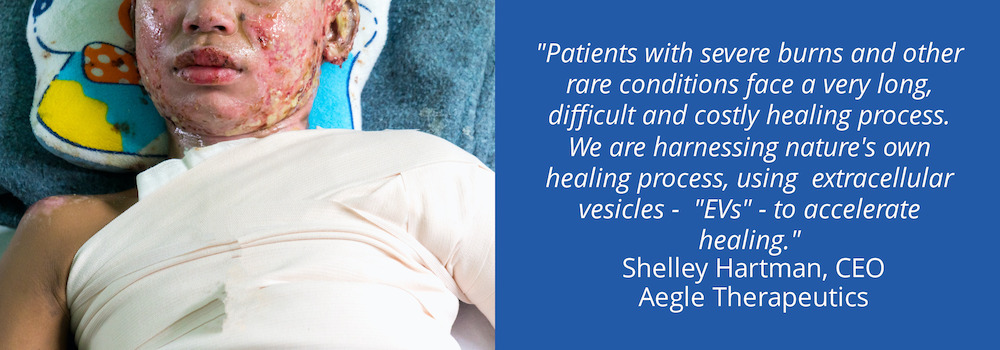
    SH: The science does get pretty deep, but here’s the elevator version: Aegle is developing novel, extracellular vesicle (EVs) therapies in the form of a topical medication to treat rare and severe dermatological disorders with significant unmet medical need. Our initial targets are severe second degree burns and a rare pediatric, skin condition called dystrophic epidermolysis bullosa.

    You’ve probably heard  of stem cells being used to treat cancer and other diseases. Well, we are taking EVs, which are secreted by stem cells, and using them to influence the immune system, accelerate healing, support blood vessel growth and neuronal regeneration, and minimize inflammation and scarring . Using EVs, we are harnessing the body’s own power to heal itself faster and more completely.

    BP: Share an example.
    SH: Think about someone who’s experienced severe burns in a fire, a work or recreational accident or on a battlefield. Burn wounds are extremely difficult for patients and physicians. They’re painful, they swell, they’re slow to heal, and cause terrible scarring. It  can cost millions per patient to treat. If skin grafts are required, that’s another layer of complexity, pain and cost. We recently treated our first patient whose foot was charred in a boating accident. Withing seven days of one dose of our EV-based topical, his burn wound was closed, there was a significant reduction in swelling, and no sign of ischemic reperfusion injury. In four weeks, his pain was gone, and in 12 weeks, his foot was completed healed.

    BP: That’s impressive! I can see why the military would be interested in this.
    SH: They are! We have $1.5 million in non-dilutive funding through the Congressionally Directed Medical Research Program, specifically for biotech innovations like ours.

    BP: Why hasn’t this been addressed before?
    SH: Our overall approach is novel, but it’s our manufacturing approach that truly differentiates our platform. Our lead product, AGLE-102™, is a natural composite of EVs; it’s not engineered. Our method of isolating and collecting the EVs is very precise, safe, and does not damage or modify the EVs. The end product mimics the body’s own natural production.

    BP: We always want to know about IP to ensure companies’ moats are deep and wide.
    SH: We’ve definitely got that covered. We have 85 patents of which 55 have been granted. Many of these are around our manufacturing and composition of matter. Our patents cover all major markets, including the United States, EU, Japan, Australia, and Canada. We’ll continue adding to our IP as we add to our pipeline.

    BP: What round is this?
    SH: This is a $5 million Series A preferred stock round. Right now we have commitments for $2.8 million and would like to close on $3 million by the end of February.

    BP: What’s the planned use of funds?
    SH: Basically to continue our momentum. We plan to use the proceeds to generate strong clinical data in both our burn and dystrophic EB clinical trials, which we hope shows AGLE-102 as a new modality to treat other inflammatory and immune-based dermatologic disorders.

    BP: Give me three reasons why VisionTech Angels should invest in Aegle.
    SH: First, it’s the perfect time to get behind our company. We recently completed the proof of concept in our burn trial and the results exceeded expectations. We are moving forward with our second clinical trial, dystrophic EB, which is a major inflection point. Third, our manufacturing process is unique, challenging and the IP behind it is extensively protected. We have successfully completed multiple GMP manufacturing runs. Here’s a fourth reason: we all know it’s a challenging time for biotech startups to be fundraising. We’d like to close the round quickly, so our pre-money  valuation is very favorable to investors. 

    VisionTech Angels’ Virtual Pitch Events will be held Thursday, February 29 at 12 Noon and 6 p.m. ET. Pitch events are open to our members and accredited investors interested in joining our group. To register, check your email for an invitation, go to our Events page where you’ll find the RSVP links. You can also email Ben Pidgeon at bpidgeon@visiontech-partners.com.

  • Meet February Pitch Presenter Tim Blair of iCHOR: Saving Lives, Simplified

    Meet February Pitch Presenter Tim Blair of iCHOR: Saving Lives, Simplified

    VisionTech Angels enjoys strong deal flow, something I credit to our relationships with other venture groups in state and across the country. When our syndication partners have opportunities they believe are a good fit for our group, they send them our way. This ensures we see top quality deals, but also allows us to leverage due diligence. This is how I met Tim Blair, president of iCHOR. Queen City Angels liked Tim and iCHOR’s percutaneous clot retrieval system that improves patient outcomes and reduces surgical costs.The value proposition, leadership, and traction is compelling, so I invited Tim to present at our February 29 pitch events. Here’s a preview.

    BP: How did you get involved with iCHOR?
    TB: The past 30 years, I’ve focused my career on medtech, medical device, healthcare consumables, and nutraceuticals. This includes sales, marketing, business development, operations and R&D across the peripheral vascular space. I spent more than nine years working at NAMSA, a medical device contract research organization, which whetted by appetite for improving technology and bringing devices to market more efficiently.

    In 2018, I became president of a medical device company called iCHOR Vascular, a platform technology that is aimed at becoming the market leader in opening vascular occlusions related to vascular disease such as embolic and thrombotic events. Our goal is to be an elegant “first line on the table therapy” in treating peripheral vascular occlusions.

    BP: Explain the issue you’re addressing.
    TB: The gold standard for removing peripheral blood clots are drugs (lytics) that essential break down clots over a few days.  However 40-50% of patients are not candidates for lytics which means they receive a surgical thrombectomy or we intervene with stroke type technologies that are not always optimal for the issues in our peripheral vascular system. It should also be noted that drug and surgical therapeutic options have significant bleeding and surgical complications that can be minimized or eliminated with iCHOR technology. 

    Unlike data we now have on coronary disease and stroke, peripheral vascular occlusions are far less understood. Peripheral disease of arteries and veins in lower extremities is a fast-growing market with significant mortality rates. The tools and techniques to treat these conditions are outdated, don’t improve outcomes yet costs to treat are skyrocketing. What does treatment look like now? It’s either drugs to dissolve the clot which require several days in the ICU or surgery. We knew we needed new tools to address the shortcomings of today’s gold standard, drugs and surgeries. Patient outcomes have not budged in 50-plus years. This directly attributed to the lack of reasonable therapeutic options in the toolbox today.

    BP: What’s driving the market?
    TB: The market is driven by an aging population, patients living longer, an increase in disease prevalence, increases in virus-related conditions that also increase prevalence, and things like opiates and other drug use. Today’s treatment options are less than perfect and extremely expensive.  We need tools that are simple, effective, and equally address the economics that plague our healthcare industry.  

    BP: Explain iCHOR’s solution and value proposition.
    TB: The iCHOR system replicates successful parameters of surgical clot removal with a proven mechanism of action (balloon sweep) combined with on-demand embolic protection.  iCHOR checks key boxes for physician end users and patients:

    • Non-surgical therapy
    • Non-drug therapy
    • Arresting flow avoids blood loss often associated with surgery or aspiration tools
    • Arresting flow avoids distal embolization of materials moving downstream
    • Designed to fit all anatomical vessels
    • Designed to always maintain sheath/wire access so physicians can make multiple passes quickly
    • Avoids scarring or valve damage associated with metal dragging tools like stent retrievers
    • Does not require capital equipment.

    We believe iCHOR’s technology will become the new gold standard to treat peripheral blood clots because it’s easy to use, can treat a wide range of clot anatomy and morphology, and we address the economic issues associated with today’s therapies.

    BP: What’s your competitive advantage?
    TB: Simplicity and familiarity. Our platform is built on techniques physicians have trusted for decades in surgery. Physicians aren’t having to be convinced of using something totally foreign or difficult to master. The mechanism of action is proven. We just made it minimally invasive. Once they use our iSWEEP device and discover how simple and effective it is, well, there’s no going back.

    BP: You’ve assembled a strong leadership team and strategic partnerships.
    TB: We sure have! Our executive team all have decades of experience in the medtech industry and professional networks that are proven and trusted. Our scientific advisors include vascular surgeons, interventional radiologists and cardiologists, who are industry influencers and are actively involved in advising iCHOR so we can get better treatment options to market sooner rather than later. Lastly, we have partnerships with the Cleveland Clinic’s Global Cardiovascular Innovation Center; NAMSA, the testing gold standard for the FDA and globally notified bodies); Medical Murray, a best-in-class engineering and manufacturing company we’ve worked with previously; and experts in reimbursement, intellectual property and financial services. We are looking to add several more scientific advisors and  strategic partnerships in the coming months as part of our go to market strategy.

    BP: Where are you in terms of commercialization?
    TB: We have both market clearance from the FDA and published real-world efficacy data in a 25-patient test market. We continue to focus on market validation and real-world data from a clinical perspective, but also on technical and manufacturing validation. The venous device is currently being used in a limited market release and expect the University of North Carolina, Vanderbilt, and several other major health systems to come on board this quarter. Our next generation devices have already been submitted to the FDA. 

    Although we’re in the early stages of commercialization with this limited market release, we have started to execute our hybrid sales model which utilizes distributors, direct hires and 1099s. It’s an approach we’ve used successfully in the past.

    BP: What’s the market size?
    TB: In a word, massive. This is a $4.7 billion available treatable market in the U.S. and $20 billion outside the U.S. for our current iCHOR arterial and venous technologies. Peripheral arterial disease and deep vein thrombosis is a rapidly growing market currently underserved with mechanical options.  We believe our ease of use, effectiveness, less stress on patients, and the economics will make iCHOR devices the “go to.”

    BP: What kind of IP do you have?
    TB: Our first patent was issued in the U.S. in August 2021. Our patents support the marketed product, which is not always the case with many patents. Our IP also supports the methods behind the procedures to prevent people from cobbling parts together to do what we do.  Additionally, we have patent protection in Canada and the European Union.  Our plan is to add to our IP portfolio as we extend the product line and indications for use.

    BP: What round is this?
    TB: This is a Series A Equity Round with a $5 million ask. Queen City Angels is leading the round and we’ve gotten strong support from a number of other angel groups around the country. We currently have $4.2 million in and hope to close the round quickly so we can focus 110% of our efforts on commercializing iCHOR.

    BP: What is your planned use of funds?
    TB: The proceeds of this raise will be used to fund R&D, quality and regulatory, sales and marketing, and administrative costs aimed at strong exit potential and an eventual positive balance sheet. We have a clear path of milestones laid out, and this funding will help us check the boxes our industry values.

    BP: Give me three reasons why VisionTech Angels members should invest.
    TB: Sure! First, couple the addressable market for our iCHOR arterial and venous technologies ($4.7 billion) with the tremendous interest from physicians and it’s a huge opportunity. Second, our market clearance and early procedures are going well; we’re meeting our de-risking milestones which is critical. Finally, our valuation and terms are very favorable to investors, and we’d love to have VisionTech Angels investors involved.

    VisionTech Angels’ Virtual Pitch Events will be held Thursday, February 29 at 12 Noon and 6 p.m. ET. Pitch events are open to our members and accredited investors interested in joining our group. To register, check your email for an invitation, go to our Events page where you’ll find the RSVP links. You can also email Ben Pidgeon at bpidgeon@visiontech-partners.com.

  • Bucking the Trend: VisionTech Angels Invest $2.88 Million in 18 Deals, Nearly a Half a Million More than in 2022

    Bucking the Trend: VisionTech Angels Invest $2.88 Million in 18 Deals, Nearly a Half a Million More than in 2022

    INDIANAPOLIS, Indiana (January 23, 2024) – – In a report issued January 4 by Crunchbase, global investing in startups stalled in 2023, declining by 38%, the lowest level in five years. Lackluster investing left startups scrambling for capital, tightening belts, laying off employees, and even shutting down.

    Perhaps VisionTech Angels didn’t get the memo because the Indianapolis-based venture firm bucked the trend, increasing its total amount invested in 2023 by 18%. VisionTech Angels invested $2.88 million in 2023, nearly a half million dollars over the previous year ($2.4 million). The group’s investors ponied up, participating in 18 deals, writing 157 checks. VisionTech ended the year with eight new portfolio companies: Adipo Therapeutics, Amplified Sciences, FiberX, Laxis, Mentavi Health, NuvOx Therapeutics, Pelvital USA, Inc. (Flyte), and Primary Record.

    Ben Pidgeon, executive director of VisionTech, says despite headwinds his group stayed the course and continued to invest, taking advantage of the most investor friendly terms in a decade. “We had a really great year in 2023. Company valuations were lower, investors had more leverage on deal terms, and thanks to our great syndication network in Indiana and across the country, we were able to participate in attractive deals on companies generating income and hitting key milestones.”

    He adds, “Investors in the Midwest tend to be practical, maybe a bit conservative. In 2023, when VisionTech was presented with good deals, we moved quickly, sometimes in as little as 30 days.”

    (L-R) Lydia Zeller, Patrick Russo, Diana Caldwell

    One of those was deals was Pelvital, a femtech company based in Minneapolis with a novel device called Flyte for treating urinary incontinence in women. VisionTech was part of a syndicate of investors led by Boomerang Ventures, investing $259,900 in two rounds during 2023. The deal first came to VisionTech in 2021 but the group passed, unconvinced of its ability to scale. When Pelvital circled back in 2023 with a new CEO, Lydia Zeller, a new business model and the ability to meet ambitious milestones, VisionTech’s members embraced the opportunity.

    Says Pidgeon, “Lydia is a strong startup founder and leader. Although she faced some skepticism from investors early on, she wasn’t fazed and outperformed her milestones. Pelvital just completed a companion app for their device, has successfully transitioned from a B2C to B2B company, and the results of their clinical trial will soon be published in an important peer-reviewed journal, Therapeutic Advances in Urology. That performance earned her two rounds of investment in 2023 from our group.”

    VisionTech investors also reacted strongly to OnStation, a mobile productivity app for roadway workers. Since VisionTech’s original investment in 2021, OnStation has signed contracts with multiple states’ Department of Transportation and more than 100 contractors as their go-to app for interstate construction projects. VisionTech has participated invested in two rounds with OnStation totaling $803,000.

    OnStation CEO Patrick Russo says having VisionTech as an investor is a huge advantage for his startup. “Knowing I can count on VisionTech for follow-on investments has made fundraising easier. I can circle the wagons with them, see what I’ve got and what I still need to raise. Because they’ve invested multiple times, that gives new investors the confidence to invest in us, too.”

    Another plus is having a VisionTech investor, Scott Noble, serve on OnStation’s board of directors. “Scott sees everything that’s happening in our company; there are no secrets. The trust we’ve built over three years is invaluable.”

    Pidgeon says VisionTech investors focused a lot of attention on startup leadership teams in 2023. Investors were impressed with Diana Caldwell, CEO of Amplified Sciences, a startup based on technology developed at Purdue University. “Diana gained deep experience while working at Lilly for 17 years, as founder of Pearl Pathways and an entrepreneur-in-residence at Purdue. This gave our group confidence in Diana; 21 investors wrote checks totaling $165,000 to Amplified Sciences in their fundraising round.”

    Caldwell says VisionTech’s funding helped her startup close their seed round of investment which fueled the achievement of major milestones. “We secured our CLIA lab regulatory certificate, have a soft launch of our first test targeted, and are developing two additional tests.”

    In addition to continuing to invest, VisionTech also had three exits with positive returns to investors: Allotrope, SmartFile and Smart Apply. Says Pidgeon with a smile, “It’s why we do what we do.”

    Looking ahead to 2024, Pidgeon is optimistic. “It’s a great time to be an early-stage investor. Valuations will continue to shift lower and be more favorable to investors. Exit windows are expected to open up. Portfolio companies that survived 2023 are the ones with cash flow to carry them into the new year—there are no substitutes for profitability. Fortune favors the bold and patient. That’s definitely VisionTech.”

    About VisionTech

    Founded in 2009, VisionTech is a privately held company that links early-stage investors to high-potential, early-growth companies. Based in Indianapolis, VisionTech’s angel investing network includes more than 130 active members across Indiana and Ohio. As of December 2023, 215 VisionTech member investors have deployed more than $27.4 million in capital, investing in 71 portfolio companies from across the United States. Membership is open to accredited investors. Those interested in joining are encouraged to contact VisionTech.