Tag: Indiana angel investing

  • What Do The Innovation Showcase Speakers Have in Common? A Passion for Startups

    Excitement is growing as the Venture Club of Indiana counts down to its premier, carefully curated startup pitch event, The Innovation Showcase on August 22 in Indianapolis. This year, a companion event joins the Showcase: The Next Level Fund Indiana Venture Summit. The Summit is designed to introduce venture capitalists and others to the exciting opportunities available through the Next Level Indiana Fund. I’ve invited Venture Club of Indiana Board Member and Program Committee Leader Sandy Wilcox to tell us about The Innovation Showcase, how the day will roll out, and the all-star line-up of speakers whose experiences as entrepreneurs, educators, and investors are legendary. VisionTech Angels is pleased to share Sandy’s inside perspective. Read on!
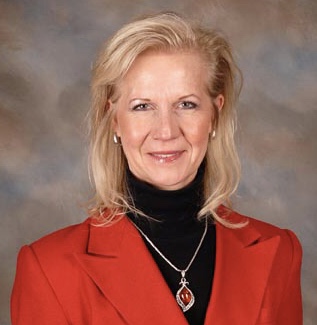
    Sandy Wilcox, The Innovation Showcase Program Chair

    In planning to hold the Next Level Fund Indiana Summit the same day as the Innovation Showcase, our objective was to encourage venture capitalist from all over the country to participate in The Innovation Showcase along with our statewide investment community. We all know that Indiana has long been considered a flyover state. The Venture Club Board and our president, Aaron Gillum, who is also senior vice president with 50 South Capital, are seeking to transform this perception and reflect the excitement and extraordinary progress of Indiana’s tech-driven innovation. By inviting investors to both events on the same day and putting our startups on stage in front of those investors, we know that we are fulfilling our objective, “Where Capital Meets Innovation!”

    When I volunteered to be program chair for The Innovation Showcase, I knew my committee and I had an amazing job ahead of us. Our goal was to make the Showcase a dynamic event for everyone regardless of your perspective, startup or VC, student or supporter.

    When the Next Level Fund Summit ends at around 11:30 a.m. and the attendees leave their seats, they will walk out of the hall and into The Innovation Showcase’s Entrepreneur’s Expo filled with booths hosted by some of Indiana’s finest startups for a “walking lunch.”

    At precisely 1 p.m., The Innovation Showcase will kick off with welcoming remarks from Venture Club President Aaron Gillum and Kip Frey, Executive Vice President, New Ventures, The Heritage Group.

    Don Brown, The Accidental Entrepreneur

    Seeking one of the most significant pioneers in Indiana’s technology space, we asked Don Brown, CEO of LifeOmic, to be our keynote speaker. As a leader at Software Artistry, and then as founder and CEO of Interactive Intelligence, Don negotiated the successful creation and sale of Interactive Intelligence to Genesys Telecommunications for a record $1.6 billion. His new adventure is LifeOmic, an Indianapolis-based software company that leverages the cloud, machine learning, and mobile devices to offer disruptive, precision medicine solutions to healthcare providers. A serial entrepreneur, Don still calls himself, an “accidental entrepreneur.” Sharing his entrepreneurial journey as well as lessons learned, Don will also outline his bold vision for the future of healthcare with Innovation Showcase guests.

    Don Kuratko, IU Kelley School of Business

    Following our keynote, the pitches begin! Two rounds of 10 of Indiana’s finest startup companies will present to Investors in the audience and to win a cash prize. Who better to serve as the emcee of this competition than Dr. Don Kuratko, the Gill Distinguished Chair and Professor of Entrepreneurship at the Indiana University Kelley School of Business. Recognized among the Top 10 entrepreneurship scholars in the world, “Dr K” created one of the country’s first entrepreneurship centers at Ball State University in 1983. His love, drive, and determination to build the foundation in education to prepare and support the growth of entrepreneurship make him a stunning choice to emcee our pitch competition!

    Jeff Ready, CEO, Scale Computing

    In between the two pitch segments, Jeff Ready, CEO of Scale Computing, will lead us on the “The Road… After the Showcase.” Jeff will share the impact winning The Innovation Showcase’s Venture Idol pitch competition in 2008 presented to him as CEO of an Indiana startup. Today, with 2,000 customers in 30 countries and a total capital raise of $96 million, Scale is poised for explosive growth through partnerships with much larger companies skillfully negotiated by Jeff and his team. He will also interview two other past winners to demonstrate the real impact of presenting and winning at the Venture Club’s Innovation Showcase. We ask from time to time, “Does the Showcase make a difference?” Jeff and the other winners prove that “YES,’ it absolutely does!
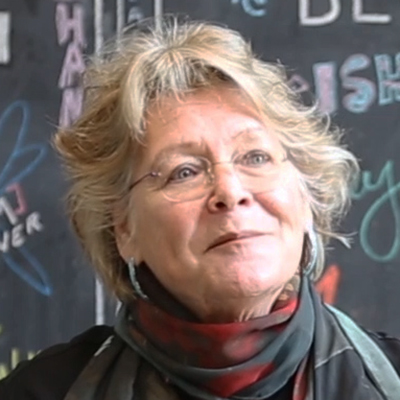
    Jane Martin

    After the final round of pitches, Jane Martin, a retired venture capitalist, will present “Seven Decades of Venture Capital, A Brief History.” A maverick as a women investor in the venture capital world, Jane was instrumental in numerous deals, investing in the likes of FedEx, MCI, Control Data, Sun Microsystems, Gymboree, and Calloway Golf to name a few. She will further discuss what it will take to bring venture capital investors to Indiana.

    The Showcase will wrap up with a dynamic panel of female VCs discussing venture investing from a woman’s perspective.  At 5:30 p.m., the winners of the pitch competition will be announced and we’ll celebrate with a VIP reception.  A full day to be sure, but a day that you won’t want to miss!
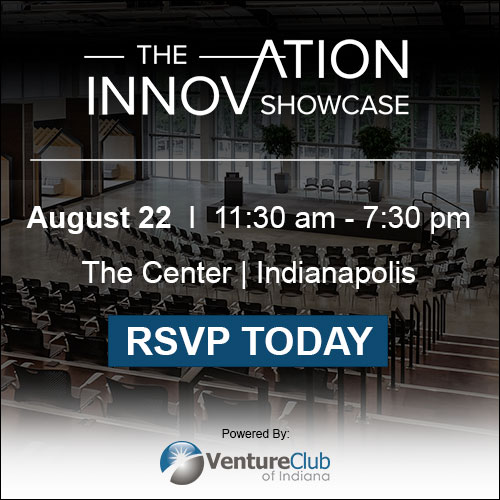
    The Venture Club of Indiana hopes you are as excited about the outstanding program and speakers we’ve assembled for The Innovation Showcase, Thursday, August 22, 11:30 a.m.-7:30 p.m. at The Center in Indianapolis. For more information about The Innovation Showcase, visit our website. If you don’t have you ticket yet, grab it now! Space is limited and you don’t want to miss out on Indiana’s largest pitch event.



  • The Road to the Showcase: Searching for Indiana’s Most Investable Companies

    The Innovation Showcase is Indiana’s largest curated event for entrepreneurs, investors, and supporters of the state’s vibrant ecosystem and includes a pitch competition with up to 20 startups representing a spectrum of industries. As a board member of the Venture Club of Indiana, I’ve personally been involved with the Showcase for seven years. While this year’s event isn’t until August 22, my fellow Venture Club board member, attorney and chair of the Showcase pitch competition, Travis Stegemoller, has spent the last six months crisscrossing the state in a search for Indiana’s most investable companies. I recently had coffee with Travis to learn more about “The Road to the Showcase.”

    Ben Pidgeon, VisionTech

    BP: I hear you and Aaron Gillum (Venture Club President) have been putting lots of miles on your cars on something called “Road to the Showcase.” What’s that all about?
    TS: You heard right; I’ve put at least 1,000 miles on mine on the Venture Club’s pitch company selection process. Two years ago, we took a look at how pitch companies are selected for The Innovation Showcase. At that time, most were from the Indianapolis area. As the Venture Club of Indiana, we realized we had to do a better job getting startups across the state represented in the Showcase and connecting them with venture capitalists. So we created the Road to the Showcase, where we hold pitch competitions in nine cities across the state. The winners of each go on to compete at The Innovation Showcase in Indianapolis in August.

    Travis Stegemoller,
    Barnes & Thornburg

    BP: Where all have you been?
    TS: We kicked off in South Bend at Notre Dame’s IDEA Center in April and from there went to Hammond, Evansville, New Albany, Lafayette, Fort Wayne, Indianapolis, and Terre Haute. We’re wrapping up in Muncie at an event called the Innovation Connector on July 23 at 6:30 p.m. I’ve been to nearly every Road to the Showcase event. I think Aaron’s been to all of them.

    BP: How did you pull this nine-city tour?
    TS: Sounds like a logistical nightmare, right? Actually, it’s been great thanks to some wonderful partners. Elevate Ventures has been deeply involved from the start and offered the services of their entrepreneurs in residence to connect us with local stakeholders around the state. In some cases, we joined existing pitch events like “The Big Sell” in Hammond sponsored by Purdue University Northwest. One of our Venture Club board members, Nick Arnett, was instrumental starting The Blaze pitch event in Fort Wayne, which was co-hosted by the Venture Club, Start Fort Wayne and Founders Spark. All of the events are volunteer-driven and we had no shortage of help. I encourage you to visit our website for details on the Road to the Showcase events and hosting venues.

    BP: What kind of turnout did you have at the Road to the Showcase events?
    TS: First, I want to thank our local partners. Each city rallied around their event and really invested in the success of their local startups. There was great involvement in recruiting and coaching startups, finding qualified judges and inviting people to just come and experience it all. It’s been amazing. The overall turnout was great everywhere, but I have to give a shout out to Fort Wayne with over 100 attendees and to Evansville, which had tremendous enthusiasm.

    In terms of the startups, the overall quality has been impressive. We had the opportunity to see pitch companies across many industries, including software, hardware, consumer, medical devices, and life sciences. Most were considered true startups, but were in the process of scaling their business.”

    BP: What were the criteria for selecting the winners to go on to The Innovation Showcase Pitch?
    TS: The Venture Club has developed a judging rubric that rates each company on their product, scalability, traction, and management team. Our goal is to identify the most investable companies. Our hope was to find two per city. We anticipate having up to 20 pitch companies at The Innovation Showcase pitch competition on August 22. We’re still finalizing the list, but it will be a highly competitive event.

    BP: Any surprises on the Road to the Showcase?
    TS: Two things: how much fun I had meeting people across the state who are truly passionate about encouraging and supporting entrepreneurs and secondly, just how barren I-69 is between Evansville and Indy. Nothing for 1.5 hours, not even a McDonalds!

    BP: That’s harsh.
    TS: Right?

    The Venture Club of Indiana invites you to attend The Innovation Showcase, Thursday, August 22, 11:30 am-7:30 pm at The Center in Indianapolis. Register here. If you would like to become an Innovation Showcase sponsor, find information here. See you in August!

  • Brickell Biotech Added to June Pitch Week Line-up

    As VisionTech Angels know, I hate to turn away interesting investment opportunities. That’s why our selection committee reviews some 400 startups a year; we’re hoping for a unicorn. So when Brickell Biotech contacted me earlier this week to see if they could participate in VisionTech’s June Pitch Week, I agreed to take a look.

    Ben Pidgeon, VisionTech Executive Director

    It didn’t take long for me to invite the Boulder, Colorado-based company to come on the road with me for Pitch Week, June 24-27, and pitch to VisionTech Angels’ chapters in Lafayette, Dayton, OH; Fort Wayne, Bloomington, and Indianapolis.

    Here’s what caught my eye about Brickell:

    Brickell is a clinical-stage pharmaceutical company focused on differentiated innovative prescription therapeutics for treating debillitating skin diseases. Their lead pipeline asset, sofpironium bromide, is a topical soft anticholinergic intended for axillary hyperhidrosis (uncontrolled excessive sweating) that recently completed Phase 3 in Japan, successfully meeting all primary and secondary endpoints, via Brickell’s partner, Kaken Pharmaceutical Co., Ltd. Brickell is eligible to receive sales-based milestones and royalties of future net sales from Kaken in Japan and other Asian countries.

    The market for sofpironium bromide is large. There are many individuals living with hyperhidrosis. Roughly 15.3 million in the United States alone suffer from hyperhidrosis. This condition is chronic and has the tendency to negatively impact virtually all important aspects of life.

    A competitor is paving the way for reimbursement in the United States. Dermira, a public company valued at $550 million, recently launched the first topical prescription treatment for hyperhidrosis, Qbrexza®, approved by the FDA. Brickell’s investigational product is being developed to offer potentially unique differentiating features that the company believes could be best-in-class.

    Brickell just announced a reverse merger with Vical Inc. (Nasdaq:VICL) and, in combination, is raising $25 million from a prominent life sciences investment firm to fund the pivotal U.S. registration trials that Brickell intends to start in Q4 2019. Brickell will merge with a wholly owned subsidiary of Vical in an all-stock transaction. When finalized, the combined company will operate under the name, Brickell Biotech, Inc., and trade on the Nasdaq under a new ticker symbol to be determined. Brickell will own 60 percent of the new company. Read the release here>

    Here’s the deal for VisionTech Angels investors: Brickell is raising $10 million in a convertible debt offering to get through the closing of the reverse merger. Just under half is already subscribed from current investors and the leadership team’s own personal investments, with an additional $1 million in commitments from two venture capital firms. The reverse merger is scheduled to close prior to the end of Q3 2019. The new company is estimated to have a post-merger valuation of approximately $90 million. Funds from the merger will get Brickell through completion of a Phase 3 clinical trial of the lead pipeline asset, sofpironium bromide, in the United States.

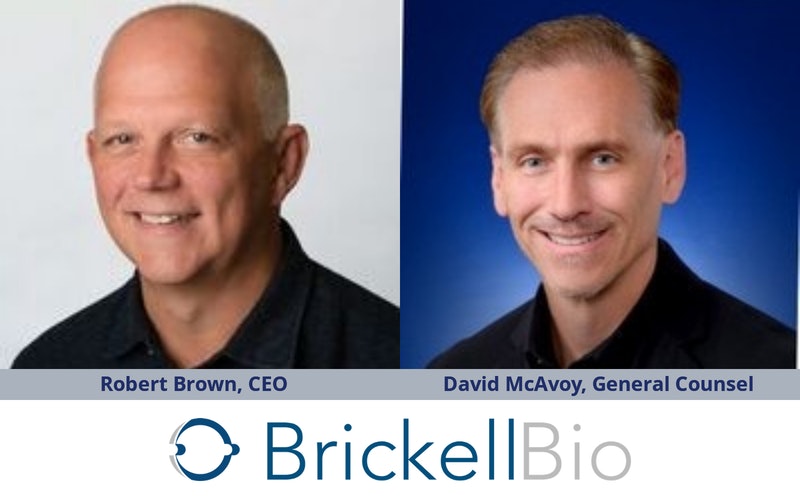
    Brickell’s management team is impressive. Its members have launched multiple billion-dollar blockbuster drug brands such as Prozac®, Cialis®, Taltz®, Cymbalta®, and Juvederm® and successfully built several biotechs that were acquired by big pharma at very attractive multiples. CEO Rob Brown and General Counsel David McAvoy are both former long-time Lilly executives.

    We now how two presenting companies for June Pitch Week, Xact Medical and Brickell Biotech and I’m excited by them both. If you have not RSVP’d yet, I encourage you to do so now. Find details here.


  • Insights from an Angel Investor: Patterns and Core Values

    I technically started angel investing in 2012, but I wasn’t serious about investing until I became a managing partner of VisionTech Angels in late 2014. With roughly 120 accredited investors who review up to 15 screened investment opportunities each year and about 30 portfolio companies we’ve invested in, we have a very active, very engaged group.

    Tony Petrucciani

    In my excitement to get in the game, my initial strategy was the shotgun approach. If the company made it through VisionTech’s fairly rigorous process, I figured it was good enough for me.

    Let me back up for a minute. I began my professional career writing code for small companies in the early 1980s while a student at Ball State University. (I tell my kids that I was a nerd before nerds were cool.) There are two things it takes to be a coder: the ability to learn a new language (C++, Java, Python) and the ability to create and debug an algorithm. By the time I graduated in 1985, I had my own startup company with half a dozen customers who paid me to customize their off-the-shelf software.

    Here’s what’s interesting. I realized at the ripe age of 20, I wasn’t creating one-off, custom solutions. What I was really doing while creating software products was pattern matching. Each company I worked with, while different, had similar needs that required similar solutions. Identifying the pattern helped me reach the right solution more efficiently without reinventing the wheel.

    The Power of Patterns

    It was a pivotal moment. Once I realized this, pattern matching showed up everywhere, from the gaps and shortcomings in standard software products to patterns in vertical and micro-vertical markets. I discovered common patterns in skill sets and how they could generate career options and salary increases. I found pattern matching in people who turned out to be my best friends. Like Malcolm Gladwell’s book Blink, our brains develop pattern matching algorithms way before we decide to do almost everything in life, and for me that included writing that first line of code.

    Still, I didn’t explicitly understand my propensity for pattern matching. When I founded Single Source Systems in 1985, I was pattern matching as I interviewed potential employees, explored potential vendors/partners, and even as I participated in sales cycles with potential customers. And it worked. Over the years, I built a team of talented individuals who allowed our company to grow rapidly. Twice we landed on Inc. Magazine’s list of the 500 Fastest Growing Privately Held Companies in the United States.

    It goes without saying, but nearly 100 percent of our best employees, partners, and customers shared our company’s core values. We didn’t set out to use our core values as a measuring stick, but consciously or unconsciously aligning core values worked.

    I was further reminded of the power of pattern when I was fortunate enough to go through a failed acquisition in 2007. I say fortunate because this was a first for me. The negotiations and ultimate breakdown offered no pattern upon which I could match. Our team learned from that experience, and when a similar opportunity arose in 2011, we were better prepared to take advantage of it. A global enterprise software provider acquired Single Source Systems for a much better number than we would have gotten just four years earlier.

    Isn’t it funny how a small amount of data points can give you so much information?

    I was reflecting on this recently as I look back on the 37 different companies in which I have invested since December 2014. How would I tell what kind of companies I would like/love/hate when I looked back over the years? You guessed it. It’s all about pattern matching. But unlike the time when I was six and warned not to touch the hot iron in my parent’s workroom only to go back to touch it when no one was watching (my dad may have left it hot on purpose as I blistered my finger really well!), you don’t get immediate feedback on what to pattern match when you are in angel/seed stage investing. (By the way, the phrase, “I bet you won’t do that again” sticks with me nearly 50 years later.)

    So what have I learned over the last five years?

    Five years is long enough for me to know there are certain types of companies and/or leadership teams that I don’t mix well with, but more on that in a minute.

    Early in my career, I was lucky enough to go through the Entrepreneurship Masters Program created by Inc. Magazine, MIT and EO. The facilitator was a guy named Verne Harnish, who had a book called Mastering the Rockefeller Habits. The program taught me a great process for managing companies, especially fast growth companies.

    One of the basic tenets is to identify your company’s core values, then honestly measure everyone in the company based on these core values. If they share your core values, you find the right seat on the bus for that person. If they don’t, they likely need to get off your bus and find a bus where they fit.

    I got into angel investing with the thought that in addition to providing startup capital, I’d have a seat on the bus of the companies I invested in as a coach/mentor. Fortunately, I’ve found that many companies want me to help based on my experience—after all, I have made many, many mistakes as well as achieved great success. I do it because I love product management, problem solving and providing stories of experiences to management teams. Not so they do what I say, but so they have more data points to do their own pattern matching. So far I have participated in more than 10 board of director positions.

    Not every startup has had a seat on the bus for me. Some don’t want my opinion, advice or involvement; they just want my money. And I appreciate that data point.

    What have pattern matching and core values taught me and how has it influenced my investments?

    The short answer is a lot.

    I’ve learned to recognize and appreciate pattern matching in the companies I’m considering for investment. If the patterns are positive, I’m much more likely to invest. If the patterns I value are not there, forget about it!

    I’ve also learned that if I don’t do a thorough job checking to see if the founders of my potential investment match (or don’t match) my core values, meaning their personal and company’s core values, I’m going to be frustrated at some level. This requires me to meet with founders and understand their core values. If they don’t know their core values, I need to talk them through it. If they don’t think it’s important, I probably need to wait for the next opportunity.

    A company’s patterns and core values influence my investment decisions. This type of investing isn’t the same as just buying stock in Apple, Amazon or Walmart (although it could be). My approach requires real person-to-person work with a lot of interaction. Each founder, no matter how much they think they know, will need help many times during their process. Even if they don’t think they need help, mine or someone else’s, they probably can’t argue that help would make things easier and/or faster. Founders need to understand that investors are not working against them, but with them. This should be clear in their core values. This is how they earn my support, financial and otherwise.

    Learn more about VisionTech Angels at our website. If you would like to speak with Tony personally, contact us and we’ll make an introduction.


  • IBJ’s May Power Breakfast on Life Sciences to Feature VisionTech’s Ben Pidgeon

    Ben Pidgeon, VisionTech

    INDIANAPOLIS (April 15, 2019) – – The Indianapolis Business Journal (IBJ) has selected VisionTech Partners I VisionTech Angels Executive Director Ben Pidgeon as a panelist at its upcoming Power Breakfast Series on Indiana’s life sciences industry. The discussion will focus on the sustainability of Indiana’s success in the life sciences space, which last year attracted a record $115 million in venture funding.

    The IBJ Power Breakfast is set for Friday, May 3 at the Indianapolis Marriott. Roche Diagnostics is the presenting sponsor.

    Since joining VisionTech as its first executive director in 2016, Pidgeon has become one of the most familiar faces in Indiana’s startup circles. Each year, he and his member-based selection committee screen some 400 startups before selecting the 12 to 15 invited to present to VisionTech Angels’ investor network across Indiana and Ohio. Under Pidgeon’s leadership, VisionTech’s investment portfolio has swelled to 30 companies, the majority of which are in the life sciences and/or headquartered in Indiana.

    Pidgeon will be joined on the panel by a respected group of life sciences executives and experts, including Marietta Harrison, associate director, Purdue University Center for Cancer Research; Ketan Paranjape, vice president, Diagnostics, Information Solutions, Roche Diagnostics; Mike Sherman, former president and CEO, Endocyte; Derek A. Small, president and CEO, Assembly Biosciences; and John Spegele, vice president, Business Solutions, Covance Central Laboratory Services. The Indianapolis Business Journal’s John Russell, the publication’s health care and life sciences reporter, will moderate.

    The IBJ Power Breakfast Life Sciences event will be held at the Indianapolis Marriott, 350 W. Maryland Street. Individual tickets and table sponsorships are available. Register now as space is limited.

    About VisionTech Partners I VisionTech Angels

    Founded in 2008, VisionTech Partners I VisionTech Angels is a privately held company that links investors to high-potential, early-growth companies. Based in Indianapolis, capital of one of the nation’s most vibrant innovation regions, VisionTech is where inventors, entrepreneurs, investors, universities, and strategic partners convene to share, fund, and launch innovative technologies and companies. VisionTech Angels has chapters in Bloomington, Fort Wayne, Indianapolis, Lafayette, Dayton, Ohio; and an Affinity chapter for physicians, AngelBom.

  • Atlas Energy Systems: Heat to Electricity, No Moving Parts


    Ben Pidgeon, VisionTech

    VisionTech Angels’ Executive Director Ben Pidgeon recently sat down with Ian Hamilton, founder and CEO of Atlas Energy Systems, to learn more about the company that’s repurposing technology originally developed in the 1960s by NASA for space applications into an exciting new solution for the oil and gas, nuclear and solar energy industries. Ian, a Purdue graduate with a Masters in Nuclear Engineering, will be presenting Atlas Energy during VisionTech’s upcoming Pitch Week, April 15-18. Read on!

    BP: The story behind Atlas Energy Systems’ technology is unique. Tell me about it.
    IH: Our thermionic energy converter (TEC) was inspired by technology previously developed in the 1960’s by NASA for space nuclear power. When the Soviet Union fell in the 1980s, NASA cancelled its space nuclear power programs. Russia was our competitor and with the end of the Cold Way, there was no reason to pursue it further despite the fact the technology was proven to work in space. So patents expired. I learned about it while an undergrad at Purdue, got interested, founded Atlas Energy Systems, and now we’re using NASA technology to develop plasma thermionic energy converters for waste heat power generation, concentrated solar and advanced nuclear reactors.

    BP: How does your technology work – in layman’s terms?
    IH: It’s all in our tagline: Heat to Electricity, No Moving Parts. What we’re doing is directly converting heat from any source you can think of, whether it’s sunlight, nuclear or the waste gas from oil wells, into electricity. If you have a source of high intensity heat, we can generate electricity with a convertor that has no moving parts. Digging deeper, Atlas Energy Systems is leveraging modern materials science, new plasma physics simulations, and advanced manufacturing techniques to develop a thermionic energy converter for the 21st century. Our novel device designs incorporate proprietary electrode materials and coatings as well as an electrode form factor to increase converter performance and reduce operating temperatures. Bringing this new capability to the technology is the necessary step in taking thermionic energy converters from a lab technology to a commercialized product.

    BP: What’s the driver behind the technology?
    IH: The short answer is that it’s a simple way to generate electricity. Also, the technology is proven; we’re not breaking new ground, we’re finding new applications. What makes it attractive is the simplicity of the process and the converter itself. The device has no moving parts so there’s nothing to break. It’s compact and saves space. We were originally thinking of compact power source for nuclear subs, but there are many other applications.

    BP: You were targeting the nuclear industry with batteries made from nuclear waste, but now you’re focused on the oil and gas industry. How did that come about?
    IH: We initially were working on nuclear batteries for NASA and the U.S. Navy and its nuclear subs. We got a call from far left field—a company in the oil and gas industry. They were interested in replacing current three-decades old technology used in oil and gas sensors combustion fuel systems with our thermal electric converters. So it seems oil and gas chose us.

    BP: What benefits do your thermionic energy converters offer the oil and gas industry?
    IH: Oil and gas production sites such as wells and offshore rigs use flare stacks, a gas combustion device, to burn off unusable, waste gas.  The main application of our thermionic energy converters would be to replace the old combustion device with ours and convert the flair gas into electricity. The advantages are significant. Current systems are inefficient and expensive. Our converters turn the waste gas into electricity that can be used at the well site or on offshore rigs. Our converters have no moving parts and are proven to survive in the harshest environment possible, space, so maintenance is minimal; always a good thing in remote locations. Repurposing the waste reduces CO2 emissions and methane, which is good for the environment. Overall, it’s a smart solution for the industry.

    BP: What type of patent protection do you have?
    IH: Original technology designs were either top secret or patent protected. What’s interesting is most of the original patents were for space and nuclear applications and expired in the 1980s when the government lost interest. Now anyone can access the old patents and use the information, which we have done. Atlas Energy Systems now has a patent pending on our plasma thermionic energy converter and will file additional patents on uses and applications.

    Ian Hamilton, CEO, Atlas Energy Systems

    BP: You have the unique honor of being included on Forbes’ 2018 “30 Under 30” list in 2018  that recognizes the brashest entrepreneurs across the United States. You were all of 25 years old when you won. That’s impressive.
    IH: It was exciting and also an honor as I was nominated by two different people. I’ve always been interested in entrepreneurship and, in fact, founded Atlas Energy Systems during my sophomore year at Purdue with three classmates. After earning my masters in Nuclear Engineering, I did a fellowship at Argonne National Labs Chain Reaction Lab in part because of their emphasis on entrepreneurship and how to translate energy tech into the marketplace. I’ve always thought it’s one thing to do research and scientific discovery, but if you can’t turn commercialize your technology and deliver a product the market cares about, it goes to waste.


    BP: Why should VisionTech Angels invest in Atlas Energy Systems?
    IH: Although we’re an early stage energy startup, we’re positioned as a hard tech scalable manufacturing company capable of providing thousands of units to companies. And the oil and gas industry is a great launch pad for us with interest from customers and a potential acquirer that I will discuss in my pitch. We currently have a demonstration unit and money from VisionTech Angels would fund our initial units for immediate sales and support our go to market strategy for oil and gas.

    To learn more about Atlas Energy Systems, visit their website. For details on VisionTech Angels’ April Pitch Week, visit our events calendar.

  • Don’t Panic: React Mobile Is Keeping Hospitality Industry Workers Safe

    Ben Pidgeon, VisionTech

    VisionTech Angels’ Executive Director Ben Pidgeon recently sat down with Robb Monkman, co-founder and CEO of React Mobile, to learn more about the company that’s dedicated to protecting people working in the hospitality industry from on-the-job assault, harassment and other dangers, Robb will be presenting React Mobile, a SaaS platform, during VisionTech’s upcoming Pitch Week, April 15-18. Read on!

    BP: What motivated you to found React Mobile?
    RM: When I was in college, I lived off campus with roommates. One night, two guys with guns broke into our apartment, held guns to our heads and robbed us. I was literally frozen; there was no way to call for help. That led me to create an app college students could use for emergencies. Since then, the app has grown into a powerful enterprise platform that gives people from all walks of life – at universities, in business environments and now the hospitality industry – a way to call for help. Ultimately, my partners and I are motivated to make the world a safer place.

    Robb Monkman, CEO, React Mobile

    BP: You started at universities and then moved to hotels and resorts. What attracted you to the hospitality industry?
    RM: It’s simple: the obvious need for personal safety and  increasing acknowledgement and action by lawmakers and leaders in the hospitality industry that the issue of employee safety has to be addressed. Here’s a quick fact for you: more than half of hotel workers, primarily housekeeping staff, face harassment and assault on the job. And it happens every day! Laws are now being passed to implement panic buttons for hospitality employees. React Mobile’s hometown, Seattle, was among the first in the country to pass a law. New York, Chicago, Miami, and other major destination cities have passed similar laws. They’re serious, too. Failure to comply could result in a hotel having their license revoked, fines and/or increased liability insurance costs.

    The hospitality industry has also addressed the problem, creating the 5 Star Promise to provide panic buttons to all employees by 2020 to keep people safe should they encounter any threat on the job. This initiative is backed by the top 19 brands, including Hilton, Marriott and Disney Resorts, for a total of more than 18,000 properties.

    BP: Explain how React Mobile works.
    RM: The React Mobile platform utilizes both GPS geolocation and blue tooth beacon technology that allows hotel security to pinpoint the whereabouts of employees in real time down to a specific room when a distress call is received. It works equally well in a high-rise property as is does in a sprawling casino property. Should a distress call be off-property on a golf course or in a pool area for example, we provide exact GPS coordinates for Google map tracking. React Mobile is cloud-based and integrates with the leading hotel platforms, making it easy to install. Finally, React Mobile is not a one-size-fits-all solution. Hotels can choose from several solutions.

    BP: I know this is intended for employee safety, but it could protect guests as well.
    RM: Absolutely! The sniper at the Mandalay Bay in Las Vegas in 2017 was an eye-opener for the industry. After that incident, employees were afraid to go to work. They never know what they’re going to find behind a hotel door. The unions began to pressure hotels to provide employees with panic buttons. I am proud to say that React Mobile was the first solution to be deployed on the Vegas strip.

    BP: Tell me about the market. Is there an ideal customer?
    RM: The market for React Mobile is huge; any hotel would benefit from our panic button solution. Our technology is particularly well suited for multi-story buildings, multi-building properties and golf, ski and other themed resorts. Currently, our focus is the major brands due in part to their commitment to implementing employee panic buttons by 2020.

    BP: What’s your traction look like?
    RM: It’s an exciting time for React Mobile. We have nearly 150 properties under contract and are a preferred vendor with a number of top brands, including Choice Hotels, Best Western Caesar’s Entertainment, Accor Hotels, and the Sands, owner of the Venetian in Las Vegas. We recently won an RFP with a major theme park company. We have a huge opportunity with hotel management groups and aggregators.

    BP: What’s your revenue model?
    RM: React Mobile is sold as a software-as-a-service, but we have three revenue streams: hardware that includes the Bluetooth beacons and panic buttons; recurring service fees based on room counts; and lastly, installation and onsite training.

    BP: What’s your exit strategy?
    RM: It’s fairly clear-cut. An acquisition partner would likely come from one of our integration partners or someone in the security industry.

    BP: Why should VisionTech Angels invest in React Mobile?
    RM: We have serious traction—almost 20,000 hotels are committed to implementing panic button technology. As one of the firsts in the space, we’ve built a strong foundation and our platform is easy to implement as it integrates with current security platforms. We’re trusted by large hotels, casinos and resorts. The 2020 implementation deadline is almost here. All we need is rocket fuel for our growth to take off.

    To learn more about React Mobile, visit their website. For details on VisionTech Angels’ April Pitch Week, visit our events calendar.


  • February Pitch Week Preview: Roomored Brings TV Magic to New Home Construction

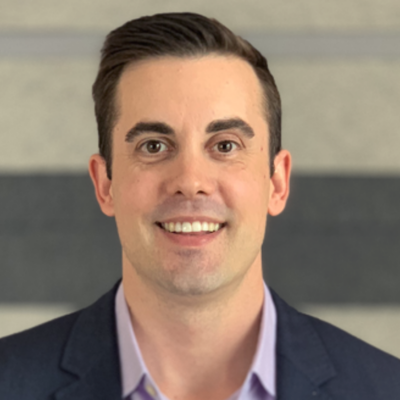
    Ben Pidgeon

    VisionTech Angels’ Executive Director Ben Pidgeon recently sat down with Farrukh Malik, founder and CEO of Roomored, to learnmore about the company that’s disrupting the residential construction industry by taking the pain out of buying and selling new homes and eliminating the need for expensive spec homes. Farrukh will be presenting Roomored during our first Pitch Week of 2019, February 25-28. Read on!

    BP: You have an interesting story behind Roomored.
    FM: I’m somewhat of a citizen of the world. I was born in India, but my family moved to Australia when I was 15. After university, I was an investment banker for Macquarie Infrastructure Partners for nine years, moving from Sydney to Abu Dhabi and ultimately to New York City. Great companies and technologies are often born of pain points. Early in my career I bought a new construction condo. When it was completed, I was disappointed; it looked nothing like what I expected. With each move, the pain continued. Will my furniture work here? How will this two-inch flooring swatch look throughout my home? I have a numbers brain so visualizing what a condo or home would look like was extremely difficult for me.

    I wanted to start my own company and partly because of my pain point, I believed the residential construction industry was ripe for change. At the time, virtual reality technology was new and I saw an opportunity to create a tool for custom home builders that would replace the need to build model homes and support the sales process in a way that no one else was doing.

    BP: How have home builders traditionally marketed new developments?
    FM: Most will build and furnish one or more spec homes, which have to be staffed with sales people. They put together literature on floor plans and options. They have boards with swatches showing colors, tiles, flooring, shingles – you name it. Home buyers have to come out to development, which is usually just a dirt patch, tour the model home and then spend hours trying to visualize their dream home. It’s a tedious, frustrating process!

    BP: How does Roomored solve this problem?
    FM: Roomored provides a virtual reality (VR) experience not unlike what people see everyday on HGTV. Imagine Fixer Uppers’ Joanna Gaines and the VR designs she shows her clients. Roomored is just like that. We make TV magic real for builders and customers using actual photo-real floor plans, paint colors, finishes, and options offered by the home builder. Roomored creates the home buyer’s dream home in real time so no visualization skills are necessary.

    The benefits to home builders are significant. They can avoid the expense of building, furnishing and staffing model homes. Instead, they can have an onsite design center with design stations equipped with Roomored. They can also use the platform on their website, so home buyers can go to the site and design their home online when it’s convenient for them. Roomored cuts the consultation time—the average engagement time is 30 minutes—and shortens the sales cycle time. There’s also higher satisfaction at the end of the project because the home meets the buyers’ expectations.

    Farruhk Malik, Roomored

    BP: Did you have any unforeseen hurdles as your were creating Roomored?
    FM: We’re very proud of our photo-realism, but early in our product development, we determined that photos are often inaccurate, particularly when we used images supplied by other companies. Lighting and retouching remove the reality of an image pretty quickly. In building our finishes database, we use our own photography to ensure colors, scale, textures, and patterns are as accurate as possible.

    BP: What’s your business model?
    FM: Software as a Service based on the number of floor plans. Very simple and affordable.

    BP: What differentiates Roomored from competitors?
    FM: Roomored’s competitive advantage is our ability to provide photorealism that is customizable, while achieving scalability and volume. There are a number of companies (mainly rendering studios and agencies) that can provide really nice photorealism, but zero customization, and it is pretty easy to provide custom layouts, but no photorealism. Roomored is doing both in a way that it makes sense for homebuilders to license a software that helps their buyers visualize what they are buying pre-construction, and make design decisions.

    BP: Do you have customers and are you generating revenue?
    FM: Yes and yes. We are targeting high-volume builders of residential communities first, followed by mid- to small-sized builders. Our clients currently include Mattamy Homes in Canada, Hillwood Communities in Dallas that has 35 active communities on their books and M. Signature Homes in Austin. The M. Signature Home development, The Grove, is a perfect example of how Roomored supports the sales effort. They are building 1,500 homes and have 25 base floor plans and numerous options and finishes. They’ve chosen to skip the model homes the model homes in favor of a sales center with Roomored for support. With the homes priced from $500,000 up to $1.5 million, that’s a vote of confidence!

    BP: Looking forward to your pitch!
    FM: We’re looking forward to the road show!

    To learn more about Roomored, visit their website and watch this cool video. For details on VisionTech Angels’ February Pitch Week, visit our events calendar.

  • Don’t Whine About the FDA: How to Talk so Regulators Will Listen

    Don’t Whine About the FDA: How to Talk so Regulators Will Listen

    This Don’t Miss Event Is Co-Sponsored by
    VisionTech Angels + the Indiana Chapter of the Society of Physician Entrepreneurs (SOPE).

    Bob Seevers is a master storyteller. Before you ask him if he’ll tell stories to your kid’s first grade class, you have to understand one thing: the stories he shares are not about The Three Little Pigs, Curious George or Diary of a Wimpy Kid.

     No, Bob’s stories are about promising medical devices and drug candidates. And they’re intended for a very specialized audience, the U.S.

    Bob Seevers, PhD, Pearl Pathways

    Food and Drug Administration (FDA). Rather than entertain, the purpose is to streamline the FDA regulatory process, which is infamous for being confusing, time consuming and costly.

    As a senior advisor at Pearl Pathways, there’s nothing Bob likes better than grooming clients to become master storytellers so they can tell their story in a way FDA regulators understand and how they want to hear it. (With not even a peep of a whine!)

    Now he’s ready to share his insight with you.

    On Thursday, February 7, 5:45 pm at Leaf Software, Bob will share 25 years worth of experiences on the inside track of the FDA in a special VisionTech-SOPE event titled: Don’t Whine About the FDA: How to Talk so Regulators Will Listen. 

    The topic is important to a diverse audience that includes:

    • Life sciences startups with medical devices or drug candidates facing or in the process of securing FDA clearance
    • Physician entrepreneurs considering their own startup.
    • Angel investors looking for a greater understanding of investable companies that require an FDA approval to advance to commercialization.

    At the core of Bob’s discussion and generous question and answer segment is how best to present your story so your drug or device moves smoothly through the regulatory process. Here’s a taste of what you’ll learn:


    “FDA reviewers are solid scientists who have seen good work and bad, including cases where folks have tried to cheat. Reviewers know where to look for information. Best to build trust by giving them what they want.”

    “The entrepreneurs I’ve had the pleasure to work with have worked their butts off getting their device or drug to this point. They can’t help but tell a reviewer, ‘We’ve tested this and it’s good.’ Don’t give in to this temptation. There’s no shortcut; the FDA needs to see your data.”

    “It’s tempting to tell FDA reviewers everything, but I advise clients to cut 80 percent of what they want to say. At the first meeting, all you need is a high level summary that gets to core of your device or drug. The FDA will take it from there.”

    Intrigued? We sure are. Bob’s “inside baseball” perspective on how best to navigate the FDA regulatory processes was earned at the FDA itself and at Eli Lilly and Company. He spent eight years at the FDA as a team leader, managing a staff of PhD reviewers for the evaluation of CMC sections of INDs and NDAs. During his 16 years with Lilly, Bob was a principal regulatory scientist, leading the regulatory CMC submission strategy for drugs in preclinical development through their NDA/MAA submission and the approval process for both small and large molecules. He’s also served as a World Health Organization invited lecturer on drug development.

    Additionally, Bob’s knowledge spans all major therapeutic areas with specific expertise in CNS, endocrine, metabolism, autoimmune, oncology, pediatric drug formulation and clinical research, radiopharmaceuticals, and drug delivery systems.

    “Don’t Wine About the FDA: How to Talk so Regulators Will Listen” with Pearl Pathways’ Bob Seevers is set for Thursday, February 7, 5:45 pm, less than two weeks away. Space is limited. RSVP here> Find directions to Leaf Software here>


  • 5 Steps for Avoiding Risk-Related Accidents, Mistakes and Mishaps

    5 Steps for Avoiding Risk-Related Accidents, Mistakes and Mishaps

    Hylant’s Mike Cremeans

    After 25 years of helping more than 450 clients in the life sciences industry, I have plenty of war stories about what can happen to startup companies.

    Like the time a device company startup was shipping a $100,000 load of products to a distributor and the train derailed, destroying everything. No insurance.

    Or the time another startup company’s contract manufacturer had a fire that shut down production, leaving the startup unable to fill critical orders. No insurance.

    Or the time a startup drug company entered the European market without telling their insurance broker (me), got sued and then wondered if they were covered. Yes, but not in Europe.

    I could go on, but you get the picture. When you least expect it, something can happen to slow your momentum or even put you out of business. Life doesn’t have to be this way. Here are the five steps for avoiding risk-related accidents, mistakes and mishaps:

    • Recognize that risk exists and be open to discussion. It’s not if something will happen, it’s when. No company is immune to accidents, mistakes or mishaps. No matter how much money you have in your accounts, one mishap can explode your carefully calculated burn rate. You avoid unnecessary costs; why not make avoiding unnecessary risk a priority?
    • Identify exactly where you’re vulnerable. It’s better to know your risks before they become costly liabilities. A thorough risk assessment can pinpoint immediate and even longer-term vulnerabilities and help you develop strategies for mitigating risk through policies, procedures, and protection (insurance).
    • Recognize that insurance—and insurance brokers—are not commodities. Life sciences are very different from other industries. Before doing a risk assessment, make sure you have a broker who is qualified to help. Companies will spend painstaking amounts of money and time selecting the right consultants, accountants and lawyers, but have no problem randomly pulling a few names off the Internet and getting quotes. Invest time in finding a broker with experience in your industry to do the assessment.
    • Don’t procrastinate. Do a risk assessment now. You don’t have to purchase insurance, but you should know your risk.
    • Use the risk assessment to guide insurance decisions. The worst thing a startup can do is be reactive rather than proactive. Case in point: A startup I know landed a huge contract with a group purchasing organization. Buried deep within the contract were insurance requirements. The startup signed the contract without knowing the cost of coverage, making a $50,000 mistake. A risk assessment would have helped identify potential issues like this and eliminated costly surprises.

    If you’d like more tips and strategies for avoiding costly risk-related accidents, mistakes and mishaps, attend a special VisionTech event, “War Stories from a Life Sciences Risk Strategist,” on Wednesday, January 16, 5:45 pm at Leaf Software. The event is open to members of VisionTech Angels and their portfolio companies, AngelBOM, the Society of Physician Entrepreneurs Indiana Chapter, and other guests. Please RVSP here. I look forward to meeting you and swapping war stories and advise.

    Mike Cremeans calls himself the luckiest man in the world. VisionTech thinks his clients – all 450 of them – are pretty lucky to have him watching their back. Mike is the Life Sciences Industry Leader for the Hylant Group, an insurance brokerage firm with 14 offices nationwide, more than 700 employees and 84 years in business. Learn more about Mike here>