Tag: Ben Pidgeon

  • Meet July Pitch Presenter #1: Nick Agahari of Australias Scientific, Restoring Calm to Overactive Bladders

    Meet July Pitch Presenter #1: Nick Agahari of Australias Scientific, Restoring Calm to Overactive Bladders

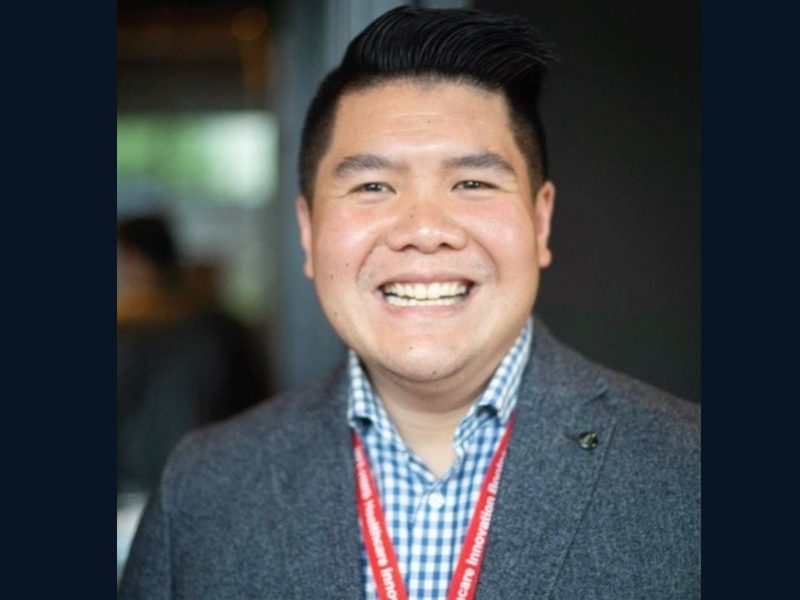
    Overactive bladder is a topic most people shy away from. We shouldn’t. Why? Because many of us will suffer from this inconvenient condition when we’re older. While there are treatment options and stop gaps like adult undergarments and continence hygiene products, they’re not perfect. Boston-based Australis Scientific led by CEO Nick Agahari in partnership with co-founder Martin Jensen are developing an at home treatment called the In-Confidence Smart Patch. This device reduces the symptoms of overactive bladder and is an alternative to other treatment options. Nick and Marty are Harvard Health Tech Fellows with backgrounds in Urology. Their understanding of the market and human issue is deep, and their technology is on target. The VisionTech Screening Committee was impressed so we invited Nick to present at our July virtual pitch events. Here’s a preview.
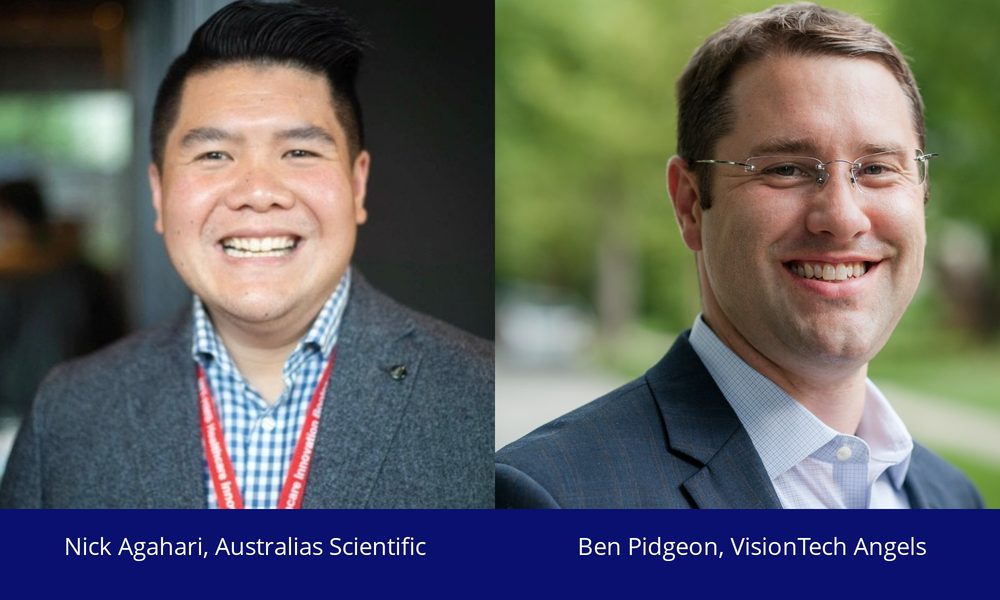
    BP: How did you learn about VisionTech Angels?
    NA: It’s kind of a funny story. One of your investors, Moa Feldenheimer, was participating in an MIT Bootcamp with a startup he’s working on. I was Moa’s coach and his team won the bootcamp! Moa rewarded me with an introduction to Vision Tech.

    BP: Can you explain overactive bladder and who it affects?
    NA: Sure! Overactive bladder, or OAB, is one of those conditions that becomes more prevalent as we age. OAB is predominantly idiopathic which means that there is an absence of pathologic or metabolic factors known to cause it. What happens is as we age, we become more prone to having inappropriate signaling to the brain that the bladder is full when it’s not. This causes “FUN” symptoms: frequency of urination, urgency to urinate, and nocturia or needing to urinate multiple times at night. Eighty percent of people aged 75 have OAB and I assure you the FUN symptoms are no fun for patients.

    BP: Tell me your quest to solve the issue.
    NA: My co-founder Martin Jensen and I met through the Harvard HealthTech Followship in 2021. Only four fellows are chosen each year from hundreds of applicants from around the world, so it’s a high honor. We were embedded for three months at Harvard’s Brigham and Women’s Hospital Department of Surgery to identify unmet clinical needs. What we identified was that the FUN symptoms were pervasive among the patients treated by urological surgeons. Over 90% of patients we observed received surgery, minimally invasive therapies, and medical management to manage their lower urinary tract symptoms which include overactive bladder. Current treatment options weren’t satisfactory for patients or physicians. Ultimately, this discovery set us on the path to create a solution.

    Martin Jensen, Australias Scientific

    We did a lot of patient and physician interviews and discovered most patients diagnosed with OAB are managed with prescription medicine. Those patients who are not responding to medication have more advanced invasive procedures like Botox injections in their bladders and surgery to implant a lead and pacemakers into their tail bone to control the urge to urinate. We heard a lot of frustration in our interviews. It’s a difficult decision for patients to either take medications which come with adverse side effects or commit to invasive interventions like surgery.

    Both Marty and I could personally relate to them. Marty cared for his elderly father-in-law who had Alzheimer’s. Having a better solution that would help him sleep through the night and reduce the number of diapers would have made his care easier and his last years more dignified. My own grandfather had OAB and was very traumatized by it. He tried to be stoic, but it drove him to tears because it robbed him of his independence and identity. This was a man who was a POW during World War II.

    BP: What was the unmet need that you identified?
    NA: People become very frustrated with the indignity of wearing adult diapers to manage their hygiene. They become noncompliant with the medications due to the adverse side effects and the increased risk of dementia. The advanced therapies such as surgery and injections are often not an option especially in the elderly patient cohort. The majority of OAB patients suffer in silence and undiagnosed due embarrassment and the misconception that their urinary symptoms are a normal part of aging.
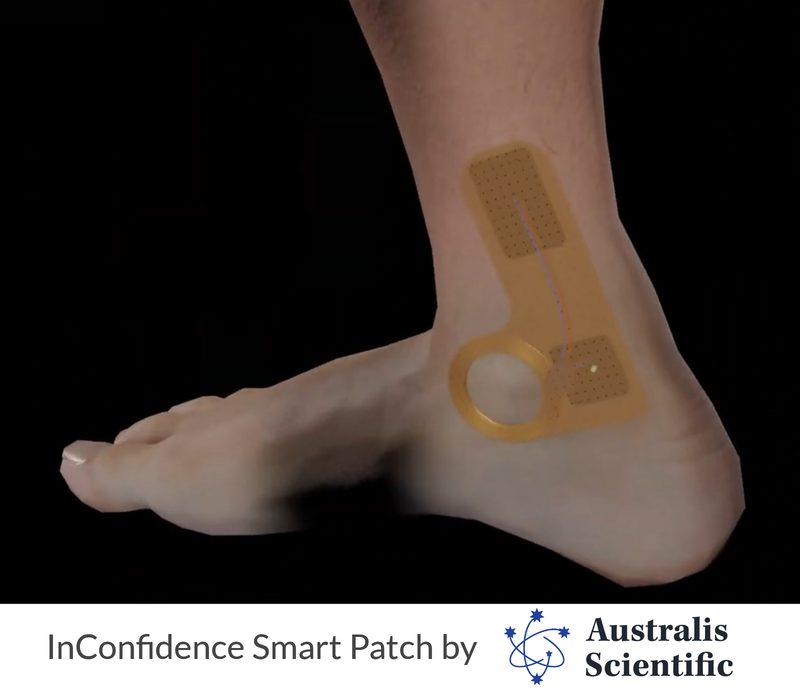
    BP: What is the InConfidence Smart Patch and how does it work?
    NA: Our goal with the In-Confidence Smart Patch is to develop a novel solution to treat patients with overactive bladder that is discreet, effective, and easy to use without requiring any major lifestyle modifications.

    In-Confidence Smart Patch is a minimally invasive and does not require anesthesia, surgical incision, cystoscopy, or deep needles to deliver treatment. Basically, it’s a “set and forget” smart patch worn on the ankle with microarray needle electrode technology. This technology stimulates the posterior tibial nerve in the ankle to relieve the symptoms of OAB. In-Confidence is also capable of delivering maintenance therapy to minimize overall FUN symptoms. Patients activate on-demand therapy to mitigate urgency symptoms and automated on-time therapy to minimize symptoms of nocturia. Patients require a new smart patch each week.

    BP: Why do you think people will find it more palatable than adult diapers, medications and surgical intervention?
    NA: One of the biggest advantages of our technology is ease of use. It’s almost like wearing a sticker. If the patient has ever worn a patch for smoking cessation or diabetes, they will be comfortable wearing our patch. It’s noninvasive and doesn’t require any behavior modifications. The patient literally puts on the patch once a week and forgets it.

    Compare this with adult diapers, which are bulky, embarrassing, and don’t fit with the active lifestyles many patients want to regain. Medications, while easy to use, have a lot of negatives. They can make patients feel mentally foggy and because these meds dry up a person’s orifices—the mouth for example—they feel the urge to drink more which stimulates urine. OAB medication have also been proven to increase the risk of dementia and that’s frightening for people and concerning to clinicians. Surgical intervention isn’t always the best option for seniors largely due to the risk of anesthesia and being invasive to the body.

    BP: How big is the addressable market in the United States?
    NA: OAB is an enormous problem, particularly among older adults. In the United States alone, 40 million people have FUN symptoms. Currently, only about 16 million seek clinical diagnosis and treatment. Of these, about 6.8 million are resistant to medication and would benefit from percutaneous tibial nerve stimulation. We are focusing first on the 65,000 patients per year who are receiving neuro-stimulation interventions through their urologist, a segment is $228 million annually in the U.S.

    BP: Your product requires a physician prescription. Will physician adoption be a challenge?
    NA: The In-Confidence Smart Patch is a prescription only device. It’s currently considered as a third-line therapy by the American Urological Association and prescribed after the patient can no longer tolerate prescription medications. As we build our clinical efficacy and health economic data, we hope to be reclassified as a second-line device so patients have an alternative to medication therapy.

    In terms of physician adoption, OAB patients are treated by urologists, a subspecialty that’s in high demand. These patients are time-consuming to treat and generate low revenue. During our physician interviews, the response was positive because of favorable outcomes and patients require less hands-on time to manage. A non-pharmaceutical, non-invasive treatment option is also very beneficial for this generally older patient population. Finally, we fit directly into established reimbursement codes, so physicians are compensated while freeing time to increase patient volumes.

    BP: Do you have any patents on your technology?
    NA: We have patents in the national phase and provision applications. We expect our foundational patent to be granted in the next 12 months. We have disclosed further patent applications through Harvard Office of Technology developed as part of our fellowship, which we intend to license. It’s worth noting that Harvard creates quite a moat; they do not hesitate in litigating any patent infringements.

    BP: Explain your revenue model.
    NA: The InConfidence Smart Patch has two components: an induction powering unit that is a one-time purchase and the consumable patches, which are sold as a weekly subscription. We are leveraging existing CPT and ICD codes for percutaneous tibial nerve stimulations, which covers physician fees and device reimbursement.

    BP: Where are you in terms of commercialization?
    NA: We have finished our preliminary development cycle and are finalizing our prototype. We have partnered with a development, design, and engineering firm with roots at MIT and experience in bringing medical devices to market. We have implemented a world class quality management system, and are working toward design lock and filing a 510(K) pathway for a class II medical device with the FDA.

    BP: What’s your go-to-market strategy?
    NA: We are looking to a market launch in Q4 2024. Our beach head will likely be The Villages in Florida, a retirement community with about 130,000 residents. The median age is 72 and about 95% are covered by Medicare. There are 20 urologists serving the community who will be our call points. Market development will be led by a sales team experienced in Urology.

    BP: What funding round is this?
    NA: This is our seed round.

    BP: What is your planned use of funds?
    NA: We are very focused on finalizing our prototype, expanding intellectual property, identifying manufacturing partners and securing FDA approval.

    BP: Give three reasons why VisionTech Angels should invest.
    NA: First, there is a significant unmet medical need around the world, which we have validated. We have identified a market of 33.2 million Americans looking for a discreet treatment that In-Confidence offers. Second, as Harvard Health Tech Fellows , we have been focused on our technology and strategy for the last 12 months with access to incredible resources at Harvard. Lastly, our founding team has deep experience and expertise in Urology, empathy for this patient population, and direct experience with medical devices and building sales teams for global companies such as Boston Scientific and Medtronic. We believe it’s a winning combination.

    VisionTech Angels’ July Pitch Events will be virtual on Thursday, July 28 at Noon ET and at 6 p.m. ET. Pitch events are open to our members and accredited investors interested in joining our group. To register, check your email for an invitation, go to our Events page where you’ll find the RSVP links, or email Ben Pidgeon at bpidgeon@visiontech-partners.com.


  • The Three Things Startup Founders Have in Common with Top Gun: Maverick

    The Three Things Startup Founders Have in Common with Top Gun: Maverick

    By Ben Pidgeon

    Welcome back from the long Memorial Day weekend celebrating our nation’s heroes; enjoying time with family and friends; perhaps taking in the greatest spectacle in racing, the Indianapolis 500; or, if you’re like me, catching 2022’s first bona fide blockbuster movie, Top Gun: Maverick, which grossed a a record $156 million over the four-day holiday. I am sure Tom Cruise, the producer, and director are ecstatic about the ROI after a two-year delay on the film.

    Here’s my review of Top Gun: Maverick: “WOW.” What a wonderful sequel to a film I watched many times in my youth. “I have the need for speed” and so many other phrases are still in my lexicon.

    As I was watching the film, I couldn’t help but compare the nearly impossible mission (another Tom Cruise tribute – pun intended) to the mission of starting a company and what that means to investors.  In Top Gun: Maverick, pilots had to be precise, adaptable, and a little lucky as part of a team led by a visionary capable of seeing how to succeed. How is that different from a startup?

    Today’s environment requires the same precision of startup teams. You have to stay focused on the core business, recognize what you’re good at, hire talent where you have gaps, and don’t get too thin on efforts. At the same time, you must be able to evaluate new opportunities as they arrive with a set of KPIs that increase the startup’s longevity or cash flow. It’s o.k. to say ‘no’ to opportunities that aren’t mutually beneficial or don’t align with your mission. Finally, startups must stay laser focused on target market personas and develop a strategy to get them as enthusiastic fans/buyers of your product.

    Adaptation is the next parallel between startups and Top Gun: Maverick. Specifically, market conditions and customer sentiment are changing. What is your response? One approach might be examining the cohort of customers acquired in the last 30 to 90 days and comparing them to the prior period. Are they the same or different in the price they paid for your product or service, their decision-making process, or in your cost to acquire them as customers? Have new threats or competitors arrived on the radar, how does their offering compare to yours, how well are they funded, and do they have momentum?  Examine this data carefully with as much objectivity as you can apply – are there any adjustments to your business that need to be made? This is critical; the last three years are probably not going to look like the next three years. 

    The last similarity is luck, and is tricky to discuss. It is likely the X factor in the success of many startups. I often ask startup founders and CEOs: Would you rather be lucky or smart?  Personally, I would rather be lucky. You can prepare for smart by gathering information, critically thinking through scenarios and hiring talent where you have gaps. Luck is out of your control and somewhat randomized or odds based. However, I think you can increase your odds of being lucky. Situational awareness, being able to identify and take advantage of true opportunities, focusing on what you can control, being relentless in your preparation, and putting in the work can increase the odds in your favor. 

    As investors, we know startups are risky and that founders must be gutsy, resilient and laser focused. Even so, they will make mistakes. Their primary job is to make sure that those mistakes aren’t fatal. As you invest, whether with VisionTech Angels or another group, think critically about who is in the cockpit, where you put resources and welcome to the “Danger Zone.”

    Ben Pidgeon

    Interested in learning more about VisionTech Angels, our approach to investing and how to join our angel investing network? We welcome new members. Please contact Executive Director Ben Pidgeon or visit our website here.

  • Meet May Pitch Presenter #2: David Ward of Adaptive Surface Technologies, Riding the Green Wave

    Meet May Pitch Presenter #2: David Ward of Adaptive Surface Technologies, Riding the Green Wave

    Living in Indiana, I haven’t thought much about the issue of biofouling of ships and recreational boats and unless you’re a boat owner, it’s likely you haven’t either. Consider the beautiful cruise boats we see on ads. It’s a constant and costly challenge to keep the hulls white and free of barnacles, mussels, and other grunge. Buildup of these unsightly freeloaders causes drag, which slows the ship and increases fuel costs. Typical solutions are not environmentally friendly. Adaptive Surface Technologies (AST) led by CEO David Ward has additive and coating solutions for this and other sticky problems. AST is benefiting from strong global interest in more sustainable solutions. The VisionTech Screening Committee was impressed so we invited David to present at our May virtual pitch events. Here’s a preview.

    BP: Tell me about your company and what unmet need you saw in the market(s) you serve?
    DW: Adaptive Surface Technologies (AST) is an industrial technology company that produces additives and coatings that repel biological fouling we see in the marine industry plus other fluids, food, contaminants, and ice. Our products can be used for a wide range of aviation, consumer, industrial, marine, and medical applications—any applications where you don’t want material to stick.

    A universal unmet need in consumer and industrial applications is better performing, environmentally friendly additives and coatings that keep material from adhering to and/or building up on a surface. You mentioned the marine industry. Current solutions to deter fouling often include biocides such as copper, which are not environmentally friendly. In the packaging industry, recycling is a top priority. Consumer products companies have to be careful not to add something to a package to improve performance that renders it nonrecyclable. Our products solve customers’ problems while protecting and improving the environment.

    BP: What’s your solution (products) and what are the benefits?
    DW: So far, we have brought two distinctive product groups to market: “Wet” SLIPS® liquid surface coatings and “Dry” AST repellent coatings and additives. We have SLIPS coatings for industrial and consumer packaging applications that deliver better non-stick properties than Teflon®. SLIPS coatings create a fully liquid surface that is ultra-smooth and super-slippery so unwanted fluids and biological foulants slide right off. One example is our SLIPS® ZERO™ coating for plastic food packaging that allows for the complete emptying of the container and does not interfere with recycling once the package is empty. With our coating, you can easily get all of the toothpaste or viscous food product out of the packaging. There are some videos on our website that demonstrate exactly how SLIPS® Zero works.

    The “dry” AST products are based off of proprietary Surface-Active Polymer additives, which stratify to the surface and create hydrophilic domains within a hydrophobic matrix. These additives were developed to repel marine biofouling and have been commercialized as SLIPS® Foul Protect for marine applications.  One product we currently have on the market is SLIPS® Dolphin™ Bottom Paint for recreational boaters. This paint creates an ultra-smooth, slippery surface that organisms can’t attach to. It lasts multiple seasons, so boat owners don’t have to worry about painting their boat every year. It’s also environmentally friendly. The commercial versions for tankers, cruise ships, and other commercial vessels performs the same way. Go to our website to see a demo of SLIPS Dolphin in action.

    We’re currently working on a solution for repelling frost and ice for industrial and aerospace applications, a project which was started with the help of two government SBIR grants from the US Air Force (AFWERX).

    BP: How big is your addressable market?
    DW: The marine anti-biofouling coating market is close to $4 billion annually. The majority of the market is commercial shipping; recreational boating is just a fraction. The consumer packaging market is a bit difficult to quantify as there isn’t an existing solution to compare against but given there are billions of packages filled in our target market every year, the prospective licensing income is also very large.

    BP: Do you have competitors? Is yes, what is your competitive advantage?
    DW: Again, it varies by market but centers around performance and sustainability. In the marine market, various paints and coatings are currently used but 90% contain biocides and create microplastic waste because they are designed to decay into the water over time. Neither of those are environmentally friendly and with all of the attention on keeping oceans free of plastics and other non-natural material, we have a significant competitive advantage. In consumer packaging, we improve performance without adding anything that interferes with the package’s recyclability.

    BP: You have very robust IP protection: 27 issued patents, 22 in prosecution.
    DW: Yes, we do. They are split between patents filed by Harvard University when the liquid coating was developed and exclusively licensed to AST for our fields of use. The balance of the patents are owned by AST as we developed the dry coatings used for the marine industry.

    BP: What is your revenue model?
    DW: We predominantly license the use of our products to customers, and therefore gross margins are high. This keeps our revenue model simple. The sales cycle includes time for product validation, but when you’re written into the specs you are in a long-term relationship with the customer. The one outlier is our SLIPS Dolphin Bottom Paint for the recreational boating market. This is a traditional sales model.

    BP: What is your traction to date?
    DW: We have commercial products for the marine, consumer packaging and semiconductor manufacturing markets. As mentioned earlier we have benefited from non-dilutive funding from the U.S. Department of Energy, ARPA-E, U.S. Navy, and the AFWERX SBIR grant supporting development of our anti-frost dry coating.

    We’re also excited that one of our new investors is AkzoNobel, a Dutch multinational company that creates paints and performance coatings for both industry and consumers worldwide, which we see as a major vote of confidence.

    BP: How do you plan to use the funds from this round?
    DW: Primarily as working capital as we expand our commercialization team and efforts. Our technology is done for marine and consumer packaging; it’s time to develop our market presence.

    BP: Why should VisionTech Angels invest in Adaptive Surface Technologies?
    DW: We have a very large and growing market opportunity. That’s aided by the environmental benefits we offer. Our technology is proven in the markets we’re focused on. Lastly, we have an expert management team who have deep industry and commercialization experience.

    To learn more about Adaptive Surface Technologies, visit  their website. VisionTech Angels’ May Pitch Events will be virtual on Thursday, May 26 at Noon ET and at 6 p.m. ET. Pitch events are open to our members and accredited investors interested in joining our group. To register, check your email for an invitation, go to our Events page where you’ll find the RSVP links, or email Ben Pidgeon at bpidgeon@visiontech-partners.com.

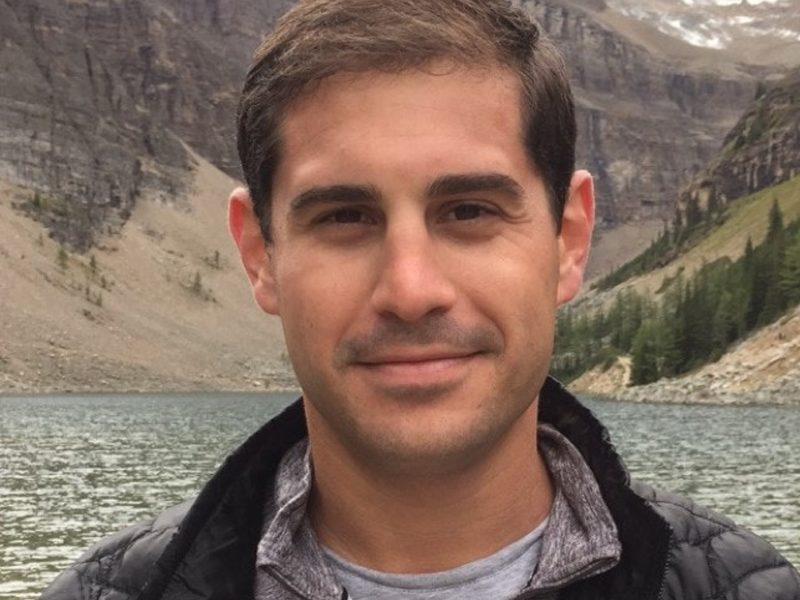
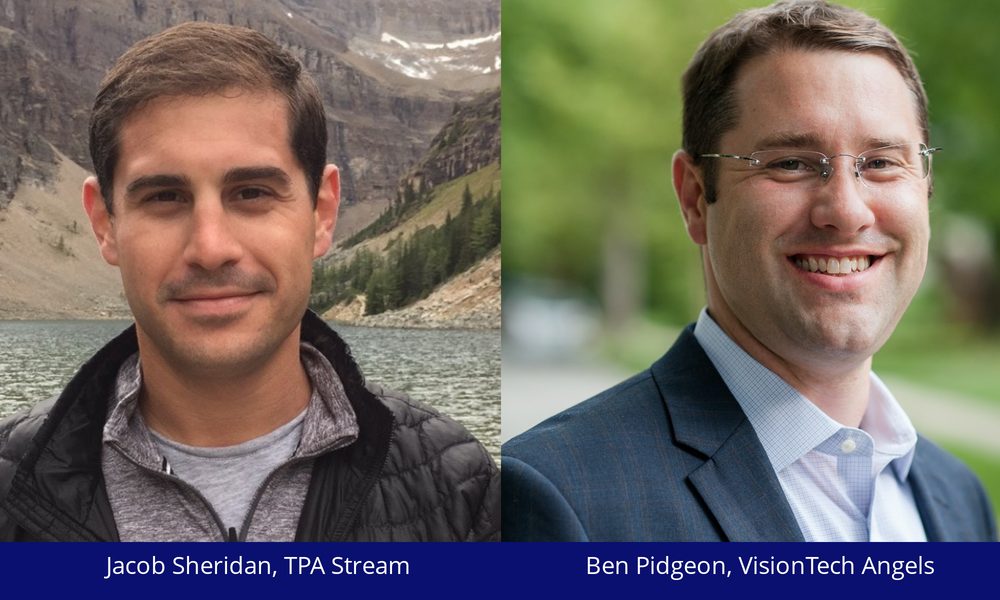
  • Meet May Pitch Presenter #1: Jacob Sheridan of TPA Stream, Unlocking Big Claims Data for Small Employers

    Meet May Pitch Presenter #1: Jacob Sheridan of TPA Stream, Unlocking Big Claims Data for Small Employers

    Employee benefits are the second largest expense for companies. And there’s no getting around it. To attract and retain talent, you have to offer benefits. But this mandatory expense has become increasingly painful for  small companies. Over the last three years, employee benefits costs have increased an average of 5% a year. Cleveland-based insurtech software company TPA Stream led by CEO Jacob Sheridan has a solution. Their claims harvesting platform gives smaller companies the ability to unlock claims data that then can be used to reduce annual benefits costs by as much as 25%. TPA Stream’s value proposition is resonating with the marketplace: their traction in 2021 was strong and 2022 looks to be more of the same. The VisionTech Screening Committee was impressed so we invited Jacob to present at our May virtual pitch events. Here’s a preview.

    BP: Tell me about TPA Stream and what unmet need you saw in the market?
    JS: About 10 years ago, one of my co-founders, Eric Sukulac, was working for a small company as a software developer. He used his health insurance, and it became somewhat of an administrative nightmare. He had to submit claims to his company’s third-party administrator (TPA) every month, and when he got reimbursed for his medical expenses, the amount was always wrong. Realizing the system was broken, he set out solve it and brought me and Steve Fuhry, now our CTO, on to solve it.

    As we dug into it, we identified a much larger issue which is the fact that small businesses (with less than 100 employees) have no access to their medical, dental, and vision claims data. As a result, these companies typically make decisions based on assumptions and end up overpaying for employee benefits. We saw an opportunity to capture and aggregate companies’ claims data and make it available to health insurance brokers and TPAs to better meet the needs of the small group market.

    BP: What’s your solution and what are the benefits?
    JS: We launched our first product in 2014,  a claims harvesting platform that unlocks hard to access claims data for employers. It’s a gamechanger as it allows companies to customize their benefits to their employee population instead of purchasing a high-cost, off-the-shelf benefits package. TPA Stream helps companies save as much as 25% a year on their benefits, savings that can be put toward something else. We have since followed up with a claims and employee enrollment integration and employer invoicing solution. Back to Eric’s original frustration, employers and employees can use the platform for more visibility into their benefits without the old manual processes.

    BP: What kind of response have you gotten?
    JS: Across the board—insurance brokers, TPAs, employers—people are super excited by what we offer. The uptake by health insurance brokers alone has been incredible. We now support 250 carriers across the United States.

    BP: How big is your addressable market?
    JS: There are six million small companies in the United States that represent a $18 billion addressable market.

    BP: You seem to have a number of competitors. What is your competitive advantage?
    JS: We do have competitors, but no one has what we have, the claims harvesting capability and the data it affords. Our ability to integrate with other systems is largely unique as well. We’re building a new product  for brokers that will launch in a few weeks that will give us a “triple moat” against competitors.

    BP: What is your revenue model?
    JS: It’s a straightforward SaaS model. We sell the software platform to TPAs and brokers.

    BP: What is your traction to date?
    JS: We’re extremely pleased with the traction to date. We now have 40,000 employers representing 1.8 million members on the platform. In 2021, we hired Greg Brady as VP of Sales and Amanda Metes as our Marketing Director, which has been great. We’re better positioned than ever and expect the next six months to be huge.

    BP: How do you plan to use the funds you raise?
    JS: We have already built out our technology, so these funds will go to building out our team. The top priority is the sales team, followed by development and operations personnel

    BP: Why should VisionTech Angels should invest in TPA Stream?
    JS: First and foremost is our team. We have put together an awesome group of people who are dedicated to what we’re doing and driving the next wave of growth. Second, our product gives us an unfair advantage. No other company has a claims-harvesting platform like TPA Stream. Finally, the economics. Our operating model is extremely attractive with high gross margins. It’s a compelling combination.

    To learn more about TPA Stream, visit their website. VisionTech Angels’ May Pitch Events will be virtual on Thursday, May 26 at Noon ET and at 6 p.m. ET. Pitch events are open to our members and accredited investors interested in joining our group. To register, check your email for an invitation, go to our Events page where you’ll find the RSVP links, or email Ben Pidgeon at bpidgeon@visiontech-partners.com.

  • AgTech Startup Smart Apply® Raises $1.3 Million in Seed Round in Preparation for Series A

    AgTech Startup Smart Apply® Raises $1.3 Million in Seed Round in Preparation for Series A

    An independent USDA study found the precision spray technology reduced pesticide use by up to 60 percent.

    INDIANAPOLIS, Indiana (May 10, 2022) – – Smart Apply® an agtech startup whose precision spray technology reduces chemical and water usage by orchards and vineyards by an average of 50 percent, has successfully raised a $1.3 million seed round. The proceeds from the round will be used to build upon the company’s momentum in preparation for a Series A round.

    Indianapolis-based VisionTech Angels led the round with strong participation from Elevate Ventures, Frontier Angels, AGrow Ventures, and individual angel investors.

    The Smart Apply system helps solve significant challenges faced by orchards and vineyards around the world to reduce and better control chemical use. Additionally, water shortages are necessitating aggressive measures to use limited resources more intelligently without sacrificing crop yields.

    Commenting on the announcement, Smart Apply Founder and Chairman Steve Booher said, “The excitement in the marketplace around our Smart Apply precision spray technology is palpable, with placements in the field growing faster than projections. Our value proposition that we reduce dependence on pesticides, other chemicals, and water by 50 percent and more resonates on multiple levels: financial, environmental, social, and public health. The timing for Smart Apply could not be better.”

    The Smart Apply precision spray system is based on nearly a decade of development, field-testing, and research at the USDA Agriculture Research Service. A study published in The Journal of ASTM International in September 2020, found that the system reduced pesticide use by 60 percent, 52.8. percent, and 50 percent on average at two nurseries and a fruit farm, respectively. The system also reduced pesticide costs significantly.

    VisionTech Executive Director Ben Pidgeon said Smart Apply’s technology and traction resonated with his angel network: 35 investors wrote checks totaling $390,000. “We invested in Smart Apply because of the quadruple value proposition. Farmers win because they can spend less on pesticides and decrease water usage. The environment wins because fewer chemicals are required to achieve the same or better results and there’s less spray drift, which satisfies regulatory oversight. Equipment dealerships win by having better technology that meets customers’ needs. Finally, Smart Apply wins because they are at the center of the value equation.”

    Smart Apply CEO Jerry Johnson said the ease with which Smart Apply’s technology can be integrated with a farmer’s current spray equipment and processes is a major part of Smart Apply’s appeal. “Our system, which is sold as a kit, is compatible with existing air-blast sprayers. Farmers realize the significant benefits of Smart Apply immediately. The sustainability and cost advantages are just too big to ignore.”

    The company’s Series A round is anticipated to begin in early summer.

    About Smart Apply® Inc.

    Originally founded as SmartGuided LLC, Smart Apply is a Delaware C Corp based in Indianapolis, Indiana, that created the laser-guided, density-based, precision sprayer technology in conjunction with the USDA. The Company markets the Smart Apply® intelligent spray control system through dealerships around the world. The Smart Apply system is proven to reduce chemical use by more than half, with less waste and less labor. Learn more.

    ###

    Contact: Melanie Lux, melanie@lux-writes.com, 803-331-4794

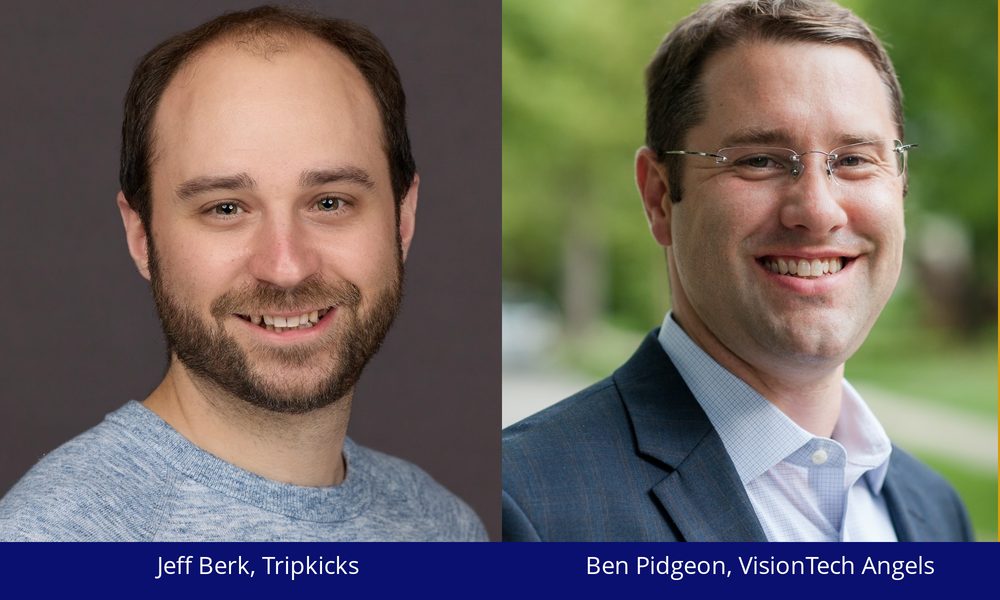
  • Meet April Pitch Presenter #2: Jeff Berk of Tripkicks, Making Business Travel Better

    Meet April Pitch Presenter #2: Jeff Berk of Tripkicks, Making Business Travel Better

    Business travel took a huge hit during the global pandemic. Fortunately, the skies are becoming friendly again and here to take advantage of the situation and changing demands of business travelers is a startup called Tripkicks led by CEO Jeff Berk. There’s a lot to be impressed by with Tripkicks; you’ll read about it below. What’s really cool is the splash they’ve made in the business travel industry. Tripkick was recognized as thePhocusWire Hot Startup 2021 and winner of the Seventh Annual Business Travel News (BTN) Innovate Award for advancing business travel and the TechLaunch BullPen #20. With business travel returning to a new normal, Tripkicks is on trend and has strong traction with large Fortune 500 brands. The VisionTech Screening Committee was impressed so we invited Jeff to present at our April virtual pitch events. Here’s a preview.

    BP: How did you hear about VisionTech Angels?
    JB: We were introduced through one of our board members, Eric Baum, who is a partner at Solidea Capital. He spoke highly of VisionTech through the work they’ve done with other VisionTech portfolio companies.

    BP: Tell me about your company and how it came to be. What unmet need did you see?
    JB: Before Tripkicks, I was a managing director at consulting firm that specialized in corporate travel, expense and procurement technology. I saw first-hand how incredibly slow the business travel industry moves. Companies were concerned with reducing travel expenses and increasing policy compliance. They spent considerable resources putting in platforms to enable that. Now, as business travel restarts, new objectives are being introduced around important initiatives like health and safety, employee satisfaction and ESG. Companies want to address these priorities, but are also keen to not lose sight of the more traditional goals around cost and policy.

    This, combined with the fact that business travel is re-emerging after a global pandemic, business travel programs are looking for new capabilities as their travelers return to the skies and roads. As an add-on to business travel programs, we provide tools to influence traveler behavior and bring additional information and capabilities that allow travellers to make better decisions that are in line with company goals and individual preferences. Our initial focus is around point-of-sale for the business traveler.

    BP: How are you solving your market’s pain point?
    JB: We’re focused on making business travel better by helping companies address these new priority areas without changing their existing infrastructure. Tripkicks does three things. First, we provide important travel insights such as health and safety information, entry/documentation requirements, local destination intelligence, notifications from employers, and more when travelers are booking a trip.

    We also provide guidance to help these travelers select the most appropriate travel options. Examples of this are that we show travelers which options are the most eco-friendly and where additional benefits are available through their corporate agreements. Finally, we motivate travelers to make specific decisions and change behaviors. Here’s an example, we’ve built an algorithm that introduces rate targets to guide appropriate trip spend, and we can even reward travelers for specific decisions such as choosing a cheaper flight or a more ecofriendly property. This allows them to earn gift cards or fund a carbon offset project.

    BP: What is your traction to date?
    JB: Even though the business travel industry is still finding its legs after the global pandemic, our traction is strong, particularly in the enterprise segment. Early customers include some of the world’s largest companies and cover a wide range of industries like social networks, apparel, technology, media, and pharmaceuticals. We’re currently in implementation with several others, and our pipeline has never been stronger.  We’re a lean team that has been able to build a big reputation in our industry given the problems that we are solving and the high-profile accounts coming onboard.

    BP: How big is your addressable market and what is your revenue model?
    JB: In 2019, the annual spend for online corporate bookings of airlines and lodging was $82 billion. Online travel bookings by Fortune 500 companies are generally between $35 million to $100 million annually, with smaller travel programs spending anywhere from $1 million to $35 million. Much like other business travel companies, Tripkicks takes a percentage of the spend on airlines and lodging.

    BP: With other, increasingly sophisticated options to in-person meetings, why do you think business travel will return to pre-pandemic levels?
    JB: Business Travel is a resilient industry that has a history of coming back faster than expected. We’re already seeing strong signals from the mid-market. Larger companies have been more conservative in restarting travel, but we continue to hear from our clients that platforms like Tripkicks help provide the confidence to restart. Of course, some previous trips will be forever replaced by video conferencing, which is positive for us as a society, but we’re also seeing new types of trips. For example, more frequent and purposeful team travel, a direct result of more remote work environments. Industry trade shows are returning to in-person events, and people are excited to once again meet in-person.  

    BP: What is your competitive advantage?
    JB: We are first to market and have taken full advantage of that by building a strong brand and network of resellers and referral partners to keep us ahead of future competition. A major advantage for Tripkicks is that we don’t replace existing services or technology, which reduces the burden of change for a company.

    Additionally, our partnership and unique integration with SAP Concur, the dominant corporate booking tool, has propelled us into the spotlight. These partnerships give Tripkicks industry credibility while also demonstrating that we work with rather than against legacy service and tech providers in the business travel space.  Business travel is a close-knit industry that is extremely difficult to break into, but once you’re in, the potential exists for rapid growth.

    BP: What raise is this and how much are you trying to raise?
    JB: This is a pre-seed round. We raised $1 million in 2021 for product development. Our goal is to raise an additional $500,000 to support us to a Series A round in early 2023.

    BP: What is you planned use of funds?
    JB: We have rapidly added clients to our portfolio and our pipeline is very strong. This raise will go to continuing our sales growth and supporting clients as they restart business travel in their organizations. Additionally, we plan to expand our ESG-related product functionality and expand into other traveler touchpoints beyond the booking process.

    BP: Why is ESG functionality important? Is that something business travelers or their companies care about?
    JB: ESG is really the perfect storm right now. Not only are we seeing pressure from the top-down as boards of directors mandate new requirements, but it’s also something that is coming from the bottom-up. The environment and social issues are incredibly important to younger generations who make up the majority of business travelers. 

    BP: Give three reasons why VisionTech Angels should invest in your company?
    JB: Sure, Ben. First, our early traction within our primary market, Fortune 500 and large companies, is impressive and demonstrates the desire for Tripkicks’ offering. Second, while we’re focused on sales and client engagement, we continue to build out our platform to add more of the functionality our target clientele wants and can’t find elsewhere. Third, we have an all-star team that is immersed in this industry. We’re highly visibility, capitalizing on opportunities for high exposure among our prospects. As part of that, we’re fortunate to have a brain trust of advisors, board members, and supporters with deep experience in travel and growing companies.

    To learn more about Tripkicks, visit  their website. VisionTech Angels’ March Pitch Events will be virtual on Thursday, April 28 at Noon ET and at 6 p.m. ET. Pitch events are open to our members and accredited investors interested in joining our group. To register, check your email for an invitation, go to our Events page or email Ben Pidgeon at bpidgeon@visiontech-partners.com.


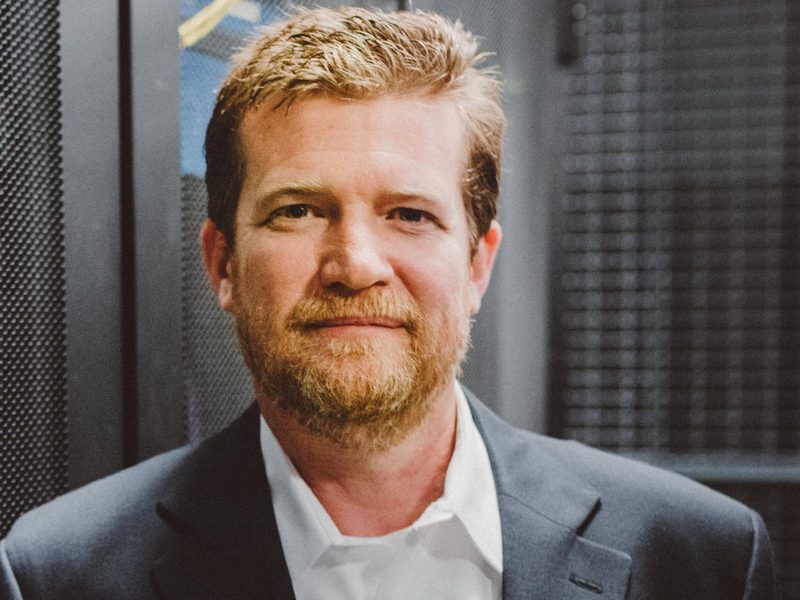
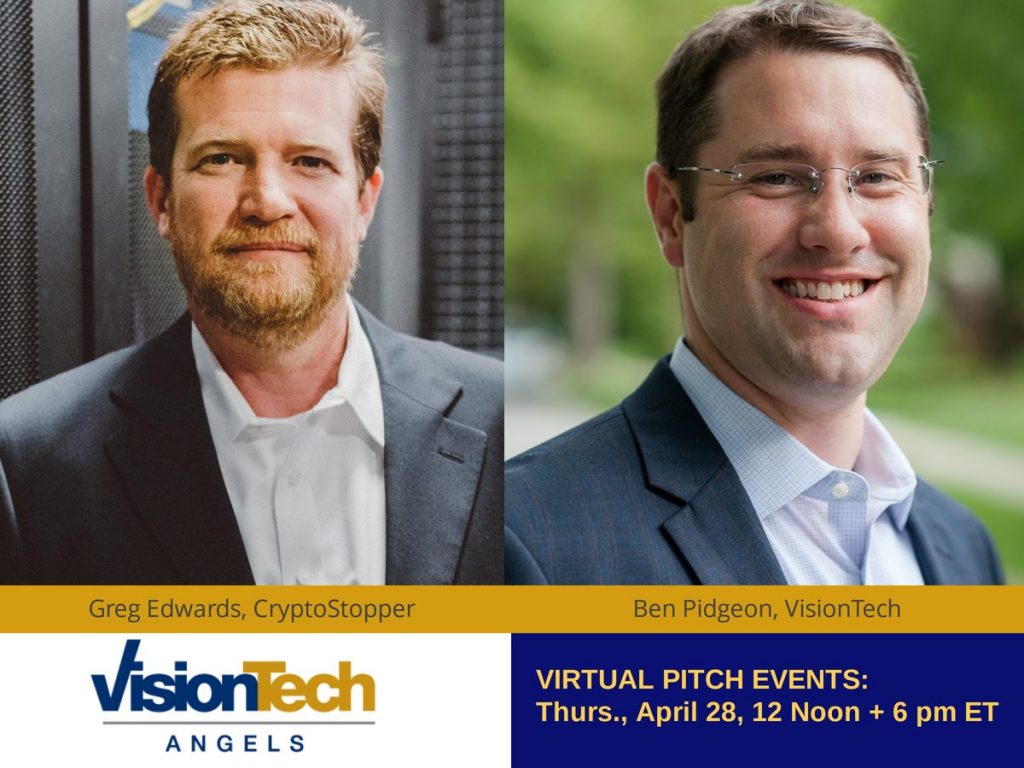
  • Meet April Pitch Presenter #1: Greg Edwards of CryptoStopper, Detecting + Stopping Ransomware

    Meet April Pitch Presenter #1: Greg Edwards of CryptoStopper, Detecting + Stopping Ransomware

    Two angel investing group executives with whom we’ve done deals in the past suggested I take a look at CryptoStopper. What impressed them also impressed me. The CEO, Greg Edwards is an experienced entrepreneur and leader with a good track record. He’s taken three companies to liquidity events. His people are very loyal, following him from one company to the next. His current company, CryptoStopper, is on trend and has impressive traction. The VisionTech Screening Committee was also impressed with what Greg’s doing so we invited him to present at our April virtual pitch events. Here’s a preview.

    BP: You’re based in Iowa. How did you hear of VisionTech Angels?
    GE: Raising capital, you have to look beyond your backyard. I’ve been working closely with Frontier Angels in Bozeman, Montana, and NO/LA Angels in New Orleans, securing $860,000 toward our $1.5 million raise. They suggested I speak with VisionTech Angels and made the introduction.

    BP: Tell me about your company and how it came to be. What unmet need did you see?
    GE: I’ve been in the managed service provider (MSP) space for almost 25 years. Since 1998, I’ve owned WatchPointIT, reselling off-the-shelf security solutions. At the same time, I founded and successfully exited Axis Backup, an offsite backup company. I saw firsthand the rise of ransomware events happening in the backup space. Ransomware attacks accounted for 15% percent of all cyber attacks in the United States in 2018, and almost every business, government entity, university, healthcare system, and utility company are targets. I realized that backup was a horrible last line of defense against ransomware. CryptoStopper was created to stop the unnecessary destruction and chaos caused by ransomware. 

    BP: How are you solving your market’s pain point?
    GE: CryptoStopper solves the pain of ransomware attacks by stopping actively running ransomware that gets past traditional cybersecurity tools. CryptoStopper software tool literally shuts down active ransomware attacks in milliseconds, preventing the attack from encrypting  anything beyond “bait” files. This limits costs incurred by customers due to server down time, tracing the attack, restoring backup files, and paying ransoms to recoup data. If it sounds like a nightmare, it is. Best to avoid it with CryptoStopper.

    BP: How large is your addressable market?
    GE: Currently there are about 42,000 MSPs in the United States with a total addressable market of $252 million in annual recurring revenue. The mid-market and enterprise business represents another, larger opportunity down the road.

    CryptoStopper

    BP: What is your traction to date?
    GE:  For a young company, we’ve been strong out of the gate. We already have 94 MSP partners, more than 14,000 license in use and annual recurring revenue of $300,000. March was our best month to date with 21 new MSP partners. Our goal is to have 2,000 by the end of 2024.

    BP: What is your revenue model?
    GE: Simple and sticky: SaaS in the form of perpetual monthly recurring licenses sold to MSPs.

    BP: Do you have any competitors and if yes, what is your competitive advantage?
    GE: There are competitors entering the space. Our advantage is ease of deployment and configurability along with being a separate point product that can’t be stopped by the ransomware attackers. Also, we’re targeting small- and mid-size organizations , a market segment that’s relatively untapped. These entities have fewer resources, less infrastructure and many remote workers, which make their needs unique. They tend to outsource their cybersecurity solutions to a third-party MSP.

    BP: Do you have any IP protection?
    GE: We filed a provisional patent in March 2021 to protect trade secrets related to our detection algorithm; however, it has not been completed due to concerns the application may give away our competitive advantage. We have put in place Proprietary Information and Inventions Agreements with all founders, employees, and consultants. We’re also planning  to keep our techniques, algorithms, and strategies as trade secrets.

    BP: What raise is this?
    GE: This is our seed round. We have about $640,000 to raise before the round closes.

    BP: How do you plan to use the funds?
    GE: Primarily on sales and marketing. We want to expand our lead generation as we are ready to scale.

    BP:  Please give three reasons why VisionTech Angels should invest in your company?
    GE: I have four reasons! he opportunity and growth potential for CryptoStopper as an anti-ransomware cybersecurity company is massive and perfectly timed. The leadership team taking CryptoStopper to market is experienced and has an exceptional understanding of launching a product within the MSP space. We plan to supplement our leadership team with a board of directors that will include industry experts in cybersecurity and SaaS. Next, the scalability of the business is built-in using Azure Apps. Finally, with a 98 percent retention rate of customers and the ability to add thousands of additional MSP partners with limited additional resources, CryptoStoppers growth potential is exponential.

    BP: Sounds great! Thank you.
    GE: My pleasure.

    To learn more about CryptoStopper, visit  their website or listen to this podcast. VisionTech Angels’ March Pitch Events will be virtual on Thursday, April 28 at Noon ET and at 6 p.m. ET. Pitch events are open to our members and accredited investors interested in joining our group. To register, check your email for an invitation, go to our Events page or email Ben Pidgeon at bpidgeon@visiontech-partners.com.

  • Better Bovine Reproduction: Meet March Pitch Presenter Dr. Jim Donahue of ReproHealth Technologies

    Better Bovine Reproduction: Meet March Pitch Presenter Dr. Jim Donahue of ReproHealth Technologies

    I have known Dr. Jim Donahue since 2016 when he joined VisionTech Angels as an investor through AngelBOM, a chapter made up entirely of physicians. He is one of our more active members, often joining us for our “Breakfast with Ben” gatherings despite his busy schedule as a fertility specialist. I was a little surprised to learn that he was pivoting his career from helping human parents conceive to helping farmers and ranchers with cow reproduction with a startup called ReproHealth Technologies. Intrigued, I invited Jim to present to VisionTech’s Screening Committee. We were impressed by ReproHealth’s device and the potential to dramatically change this important part of agriculture with technology and invited him to present at our special March Virtual Pitch Events. Here’s a sneak  preview.

    BP: You’ve been an investor with VisionTech Angels? For six years. Did you ever see yourself pitching to the group?
    JD:  I had no idea! It is exciting being part of such a great group of docs and investors. That said, I’ve always been an innovator. Our medical practice did the first ever blastocyst embryo transfer in 1998, the first GIFT procedure at a Catholic hospital, and most recently, the first successful pregnancy with an intravaginal embryo culture device in 2018. ReproHealth was the next step.

    BP: You’re a fertility specialist for people. How did you get into the cattle reproduction business?
    JD: It’s kind of amazing on a number of levels. First, I’m a city boy from Miami. What do I know about cows? But here’s a little-known fact. Human in vitro fertilization (IVF) began with cattle. Dr. Bob Edwards did the first successful human IVF with the birth of Louise Brown in 1978, later winning the Nobel Prize for this breakthrough. I did my master’s degree in Human Embryology at the University of Leeds 20 years ago. Dr. Edwards trained the people who trained me. He said to me one time that since it worked in cows, he knew it would work in humans. It finally worked on the 101st attempt!   

    Fast forward to 2017, my medical practice team did the first human intravaginal embryo culture procedure in Indiana using an outdated FDA approved device. The patient got pregnant with twins and the embryos were of exceptional quality. We explored the market and we discovered that bovine IVF does not work well. I knew that we could create a better, more effective device that would solve a technical problem. In talking with farmers, they understand what we’re doing and want to try what is now known as the Embvita device. This led to the formation of ReproHealth Technologies.I have met a lot of farmers who seem to want to try the device. Seeing the problem, identifying a solution, and getting early market validation led to the formation of ReproHealth Technologies.

    BP: What pain points did you see in the cattle business?
    JD: In modern agriculture where farmers are breeding for very specific traits like milk production or more heavily muscled animals, cows are often impregnated with artificial insemination, embryo transfer or IVF. While IVF has overtaken embryo transfer as the preferred method, results are disappointing due to the fact that embryos do not grow well in lab incubators. Also, the eggs are typically collected at sites far removed from the farm and shipped to regional IVF labs for insemination and embryo culture. By the time the eggs make it to the lab, they’re old and less than ideal. Typically, of the 17 or so eggs collected, only 25% are fertilized and suitable for implanting in a cow. It’s not very efficient or effective.

    Our device, which is implanted in the cow vagina, is essentially a culture chamber, doing the same job as a lab incubator. It brings together the eggs and sperm in a more natural environment. This results in twice as many fertilized eggs that mature into healthy, transplantable embryos. Another advantage is the procedure is done at the farm rather than at a far-off lab. Farmers immediately see that it’s less complicated and results in more calves from their prized dairy or beef cow.

    BP: What makes the Embvita device a must have among cattle producers?
    JD: We recently met with a major U.S. dairy producer. Although they had never seen a company like ours before, they recognized our technology has the potential to completely change how they replace their cattle. They also invited us to come back and work with them for four weeks as part of their accelerator program. Although we’re not a must have yet, it’s impressive when a potential customer that produces over 20% of dairy in the U.S. pays you $10,000 just to travel to their headquarters and work with them.

    BP: The typical dairy or beef cow produces one calf a year. With the Embvita device, you can produce as many as eight embryos from one cow in a single season. In effect, you’re turning cows into super producers.
    JD:Amazing, isn’t it? But it’s not just about the volume of embryos.Our goal is to help farmers optimize the genetic traits that lead to dairy cows that produce more milk and beef cattle that are better meat producers. So yes, with the help of the Embvita device, cows with highly desirable traits have the potential to exponentially produce more high-quality offspring. And with cryopreservation, the farmer controls supply and demand in terms of deciding how many of the embryos are immediately implanted in surrogate mother cows and how many are held for a future date. There is huge potential in maximizing the number of offspring of these ideal mama cows.

    Additionally, we feel strongly that our technology and requirements to utilize it are simple enough that it can easily be deployed in parts of the world where there is food insecurity and a need to increase their cattle herds. Our technology could help them. Helping other parts of the world is very important to us.

    BP: The cattle industry is under fire by some because of their gas production. How do you counter this?
    JD: It’s possible that by breeding higher producing cattle with the Embvita device, we will need fewer cattle to produce the same amount of milk or meat. Fewer cows should lessen the greenhouse gas footprint of dairy farms and cattle operations, a plus for the environment .

    BP: Explain your revenue model.
    JD: Our revenue model is pretty simple; it’s based on selling the Embvita device and culture media to veterinarians or larger operations. A typical vet may purchase 600 devices and culture media a year. The device is single use. Depending on how the farmer uses the resulting embryos – either one at a time and freezing the rest or implanting all of the embryos into surrogate cows – we expect repeat sales over the life of the cow.

    BP: What is the market size?
    JD: There are about 40 million beef and dairy cows in the United States. Each year, some 15% (six million) are replaced using IVF, artificial insemination and embryo transfers. The artificial insemination market is much bigger than the IVF market, but the potential to optimize the number of desired trait offspring may make them switch to our device. A cow naturally produces only one offspring a year. With our device, she could produce many more per year. Capturing the current segment where human intervention is used is a significant opportunity. But looking at the market overall, it has the potential to be much bigger.

    BP: What’s your competitive advantage?
    JD: We have three main competitive advantages. First, there is little or no transporting of the cows; we bring the lab to the farm. The cows stay at their home farm which reduces stress on the animal and eliminates transportation time and expense. Second, our Embvita device results in two times as many embryos as the competition. From 17 eggs, we typically get eight embryos while the competition gets four. Third, we have incredible expertise on our team. In addition to my background in IVF, my co-founders include a biomedical engineer at Cal-Poly and an embryologist. We also have a partner who is a veterinarian who specializes in cattle.

    BP: Do you have IP protection?
    JD: We have filed for provisional and utility patents in United States, European Union and Brazil. We have 3D printed a prototype and have testing going on right now.    

    BP: What round is this and how will funds be used?
    JD: Up until this time, I have bootstrapped the company on my own. We’ve reached an inflection point where we need more capital to fast track our product development. We also would like to bring additional human capital onboard. So we are raising a $1 million pre-seed round.

    BP: What would you say to VisionTech Angels considering an investment in ReproHealth?
    JD: I have been a human fertility specialist for 30 years, and now plan to focus 100 percent of my time on ReproHealth. We have a unique opportunity to change entire industries, the dairy and beef industries, through a more modern process that also has the potential to decrease livestock-related greenhouse gas emissions. I’m a city boy raised in Miami, but I’m drawn to  agtech, the people and the opportunity. With that being said, investing is a personal decision, and I leave it up to each investor to make his or her own decision about investing in ReproHealth.

    To learn more about ReproHealth Technologies, visit  their website. VisionTech Angels’ March Pitch Events will be virtual on Thursday, March 24 at Noon ET and at 6 p.m. ET. Pitch events are open to our members and accredited investors interested in joining our group. To register, check your email for an invitation, go to our Events page or email Ben Pidgeon at bpidgeon@visiontech-partners.com.

  • Meet February Pitch Company #2: CRISPR QC, Quality Control for Gene Editing

    Meet February Pitch Company #2: CRISPR QC, Quality Control for Gene Editing

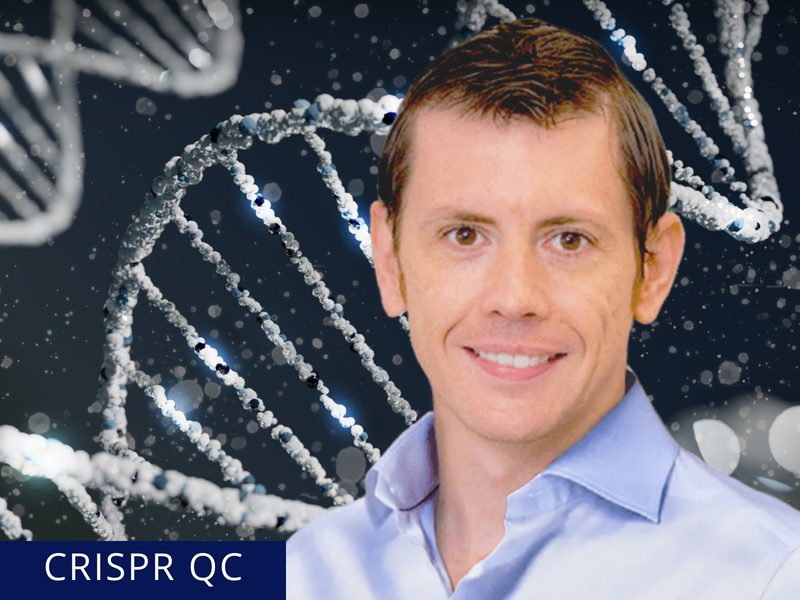
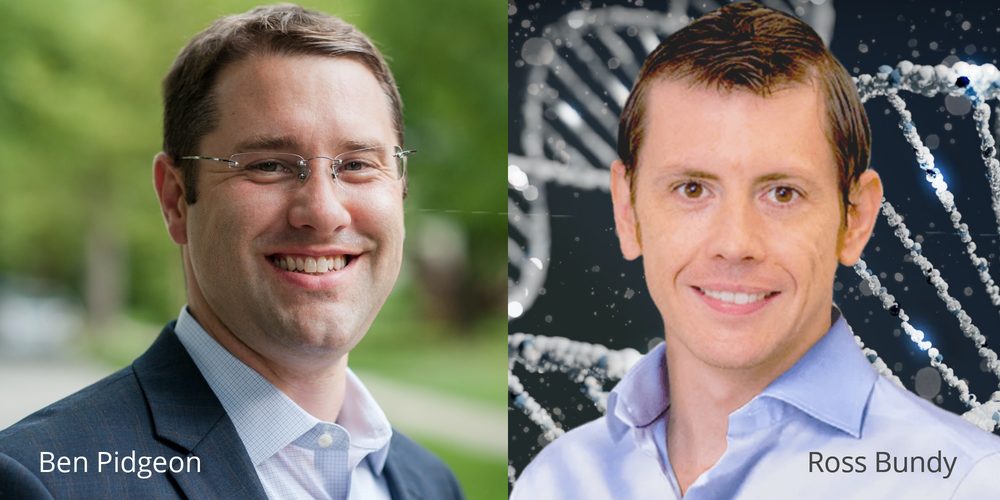
    “I was really excited to meet Ross Bundy, president of CRISPR QC, and learn what they’re doing in the hot biotech space of gene editing. There is incredible promise for treating and potentially reversing genetic diseases as well as opportunities in animal science and agriculture. Enjoy this short preview and plan to join VisionTech for Ross’ pitch on Thursday, February 24.”

    Ben Pidgeon, Executive Director, VisionTech

    Gene therapy, the ability to alter a gene in a living cell, is considered by some to be the greatest scientific breakthrough of the last decade. And it’s easy to understand why. If a person with an inherited disease such as sickle cell anemia , a disease without a cure, could be successfully treated with gene therapy, that would be huge. Indeed, scientists are getting very close to making this a reality

    There is a sticking point: gene editing, even when using a technology platform such as CRISPR, is very difficult to master. Accuracy is critical to avoided unintended consequences. Seeing an opportunity in this hot biotech space, San Diego-based CRISPR QC has set out to become the “quality control experts” with automated CRISPR QC testing tools, analytics, and knowledge to assist researchers in improving their CRISPR assay designs.

    CRISPR QC is currently raising a $2-$4 million seed round. Company President Ross Bundy will be pitching VisionTech Angels at the group’s February 24 virtual pitch events at 12 noon E.T. and 6 p.m. ET.

    Although it is an early-stage startup, CRISPR QC is attracting strong industry attention. Bundy reports that leaders in the CRISPR space are approaching his company and funding projects to advance tools and technology that will support greater accuracy. NIST, the National Institute of Standards and Technology, is also pushing for the development of standards for measuring and quality assuring gene editing outcomes. Also, Dr. Kiana Aran who is the inventor of  CRISPR QC’s underlying technology and who serves on the board of directors, recently received a $1.6 million grant from the National Institutes of Health to help establish quality control standards for CRISPR therapies.

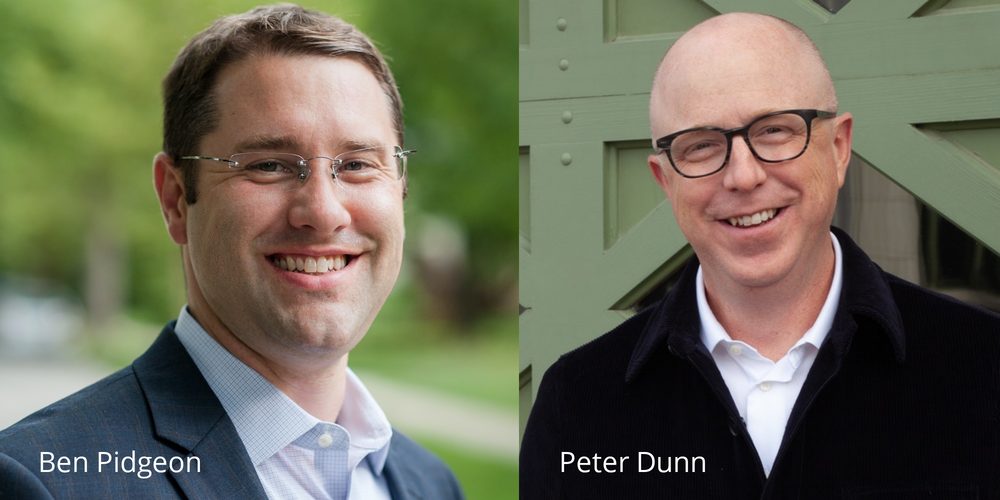
    Please join VisionTech for what promises to be a fascinating pitch from Ross Bundy of CRISPR QC and Peter Dunn of Your Money Line. Choose from two events both on Thursday, February 24. Our 12 noon ET event offers an abbreviated session. Our evening event at 6 p.m. ET includes pitches and an expanded discussion period. Find details and registration links here.

    VIsionTech Angels virtual pitch events are open to VisionTech member investors and accredited investors interested in joining our group. To learn more, visit our website.

  • Meet February Virtual Pitch Presenter #1: Peter Dunn of Your Money Line

    Meet February Virtual Pitch Presenter #1: Peter Dunn of Your Money Line

    A colleague suggested that I meet Peter Dunn, CEO and founder of Your Money Line, as he was raising a seed round and I’m always interested in investing opportunities. Prior to meeting with him, I did a little research and discovered this was no ordinary CEO, this was Pete the Planner®, an award-winning comedian, USA Today columnist, and author of 10 books on financial wellness. It was really hard not to be intrigued. We met and after learning more about Your Money Line, a SaaS company that helps employers connect employees to confidential financial guidance to solve common money woes. The VisionTech Screening Committee was also impressed with what Peter’s doing so we invited him to present at our February virtual pitch events.

    BP: What’s the story behind Your Money Line?
    PD: I worked as an investment advisor from 2000 to 2012 in Carmel, where I live with my family. I soon realized that most people don’t need a wealth advisor, they need a personal financial advisor to help them through a myriad of financial issues such as dealing with student loan debt, buying a home, finding money to save for retirement. In 2005, I started my media career doing television appearances on the local news. That led to a radio show and eventually an opportunity to write for USA Today and the Indianapolis Business Journal. I ultimately wrote ten books, appeared on a number of national news shows, and made various appearances on Good Morning America.

    In 2017, I launched Your Money Line Powered by Pete the Planner®. Your Money Line is a fintech company that is the culmination of my experience and identifying a huge need among companies to help their people achieve financial wellness for productivity reasons, human reasons and ultimately, so people can achieve financial security to retire.

    BP: You launched five years ago. What makes Your Money Line a must-have now?
    PD: People have had money issues as long as there’s been money. But seriously, the last two years of COVID and the uncertainties it’s caused have put extreme financial pressures on everyone. Now with inflation, people are really stressed and need help. That goes for business owners and their employers. Given our offering, now is the right time to scale our company and start helping people get on track with their finances and sanity.

    BP: How does it benefit employees?
    PD: Employees have access to two things, the Your Money Line Call Line and the Your Money Line Dashboard. The call line is our financial concierge service. Employees with questions call into a dedicated line that connects them with one of our trained money experts. These experts provide answers and also follow up with additional resources if needed. The dashboard takes the call line a step further by providing an online hub for a wealth of money resources. This includes a personal debt tracker,  a budgeting tool and video courses. To really personalize the service, people can complete a brief quiz and the dashboard provides a specific financial path based on individual needs. This really helps people understand what they need to do and how to do it to overcome the financial stresses of life.

    BP: How does this benefit employers?
    PD: There are so many benefits. First, there’s the human factor. If you have employees who are constantly worried about money, who are faced with unexpected expenses, whose partner has lost their job—well, how well can they concentrate on work? Traditional employee benefits don’t address this kind of issue. Providing access to a service like Your Money Line is a much more empathetic, proactive approach to employees’ financial wellbeing and mental health! So we help employers solve underlying financial issues for many employees that keep them from living their best life, purchasing homes and saving for retirement.

    There’s also a significant financial benefit. Employees who aren’t burdened by debt are better able to participate in company 401(k)s and prepare for retirement at age 66 or 67. Unfortunately, employees who have not saved for retirement tend to work longer, which has huge financial ramifications for employers. It’s far better to prepare employees to retire “on time.”

    A final benefit and what’s truly unique is our technology which helps employers track employee engagement with the money line, dashboard,  videos, and other resources. We show on average where employees stand financially and their behavioral changes through on-demand reporting and quarterly reports. So companies see exactly how and where we are making a difference, and if an employee is having difficulties, it creates an opportunity for intervention: a conversation, show of empathy, kindness. And guidance.

    BP: What kind of traction do you have?
    PD: We currently serve employees in all 50 states, which is exciting because we know we’re making a difference for people. Our sweet spot is with legacy companies with large workforces that take a long-term approach to the needs of their employees, particularly within the realm of retirement readiness. We also have traction with school districts. You may be curious about that, but many teachers start their careers with tremendous debt due to student loans. It’s a huge financial burden. In the fall of 2021, we worked with teachers in three school districts to get their loans forgiven and succeeded in helping them increase their combined net worth by $3 million. They can now concentrate on teaching and also building retirement accounts.

    BP: What’s your financial model?
    PD: We are a SaaS model. Customers pay an annual, per employee fee for their entire workforce. Our target customers are companies with 1,000 plus employees. They typically sign three-year contracts with us so there is built-in stickiness.

    BP: How much are you raising?
    PD: Up until this point, I’ve bootstrapped the company. Now, however, we are ready to scale. This is a seed round and we set a goal of $2.5 million. I am happy to say we’ve oversubscribed but are keeping the round open for VisionTech Angels.

    BP: What will the funds from this round be used for?
    PD: We are really focused on executing our go-to-market strategy. The funds from our seed round will be used to add to our sales, marketing and technology team.

    BP: Why should VisionTech Angels investors write checks to Your Money Line?
    PD: I have four reasons. First, even at this early growth stage, we have great traction in revenue, renewal rates among existing customers are high, and we have a robust pipeline. Second, we have significant partnerships within the global financial industry. Some of the world’s largest financial companies entrust us with their clients. Third, we have the right team to scale the company. Finally, we’re providing a service that is sorely needed by many Americans.

    To learn more about Your Money Line, visit their website. VisionTech Angels’ February Pitch Events will be virtual on Thursday, February 24th at Noon ET and at 6 p.m. ET. Pitch events are open to our members and accredited investors interested in joining our group. To register, check your email for an invitation, go to our Events page or email Ben Pidgeon at bpidgeon@visiontech-partners.com.