Tag: Angel investing Indiana

  • Meet August Pitch Presenter 3Aware’s Joe Adams with an AI Inflection Point for MedTech

    Meet August Pitch Presenter 3Aware’s Joe Adams with an AI Inflection Point for MedTech

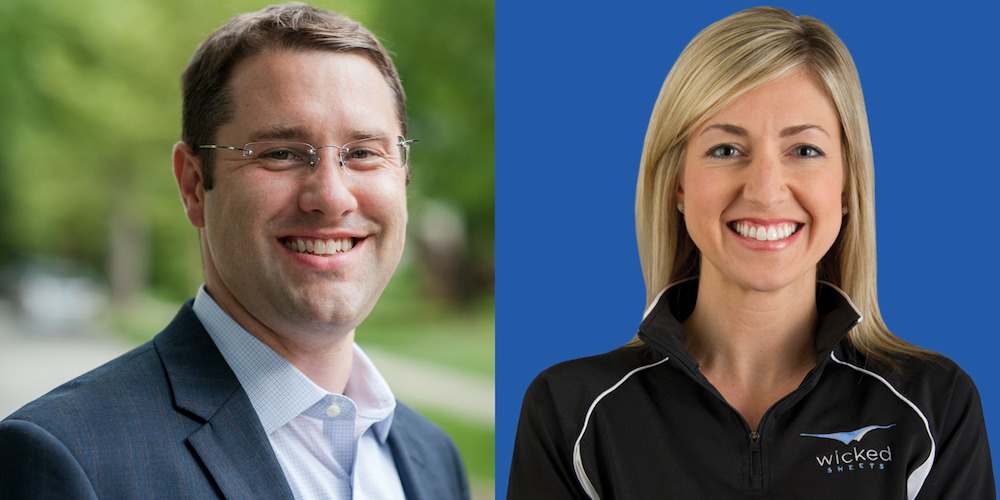
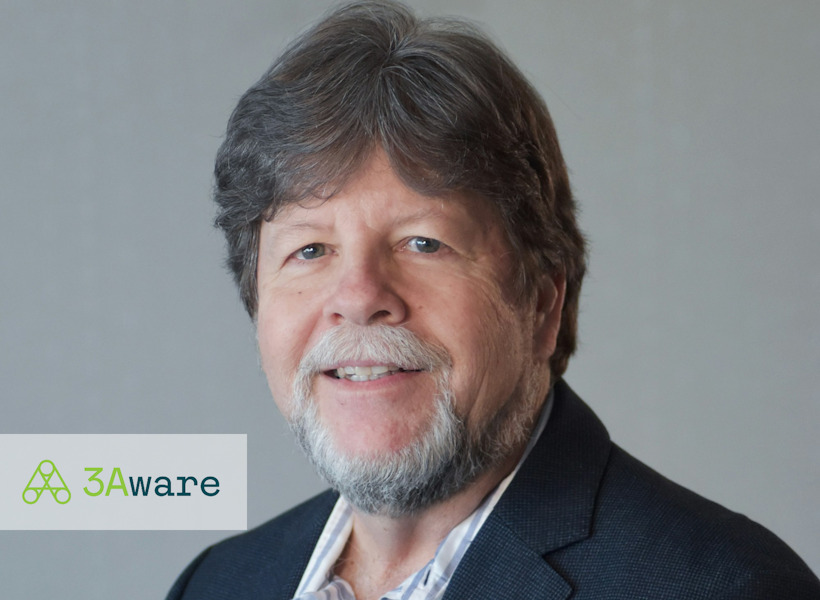
    Have you read the book Exponential Organizations by Silicon Valley legend Salim Ismael? It’s billed as the playbook for 10X growth and impact. When I recently met with Joe Adams, Indianapolis-based serial entrepreneur and now senior vice president for strategic alliances at 3Aware, he highly recommended that I read it. Given the senior leadership team of 3Aware is responsible for $6 billion in M&A transactions, have founded and exited multiple Indiana-based companies and is poised to profoundly disrupt yet another industry, I think I’ll tap into this source of 3Aware’s mojo. This deal came to VisionTech through an individual referral, and I’m super excited VisionTech Angels investors have an opportunity to invest. Please read my conversation with Joe and make plans to participate in his and Bill’s virtual pitch on Wednesday, August 14 at 12 noon. 

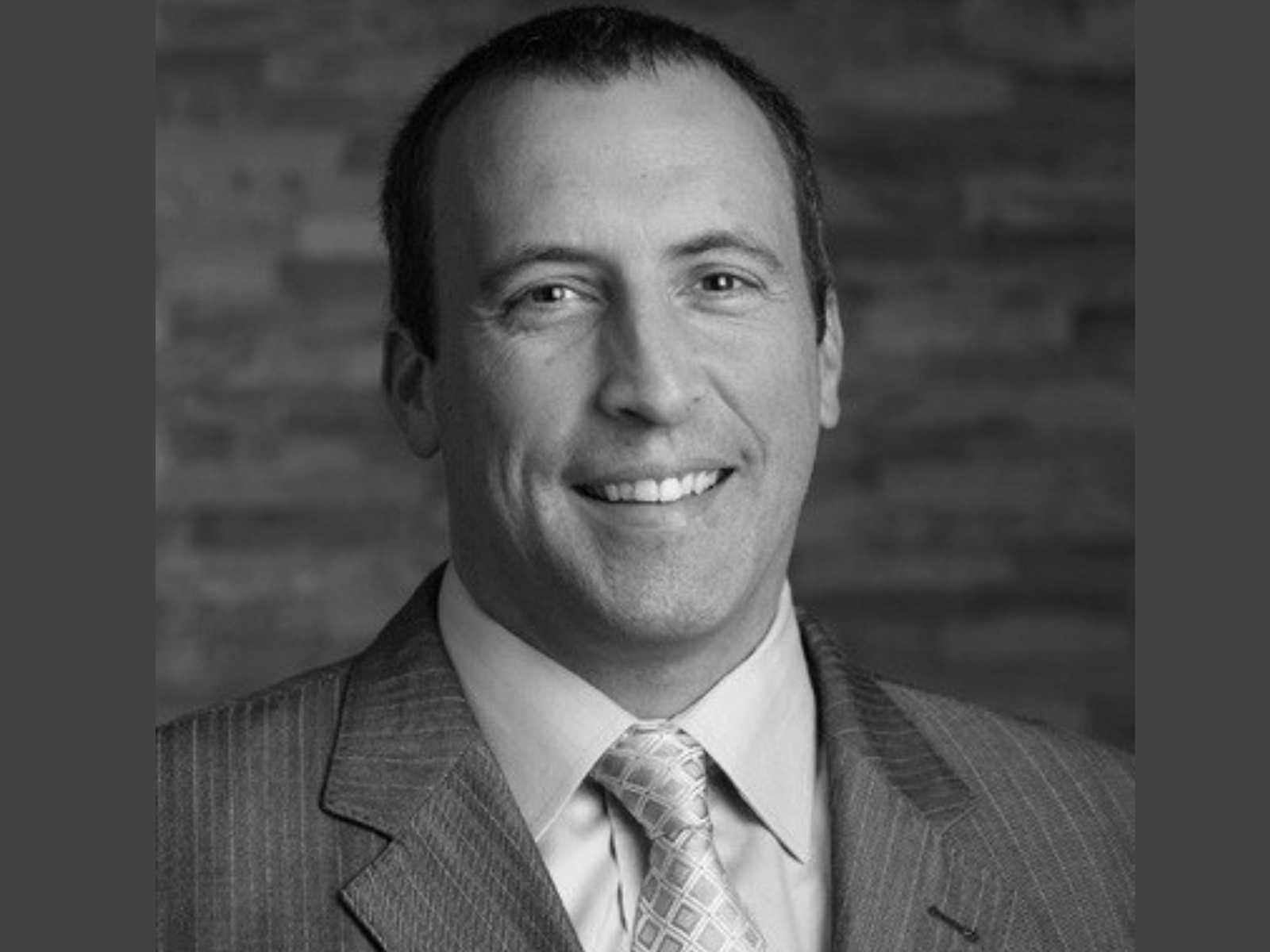
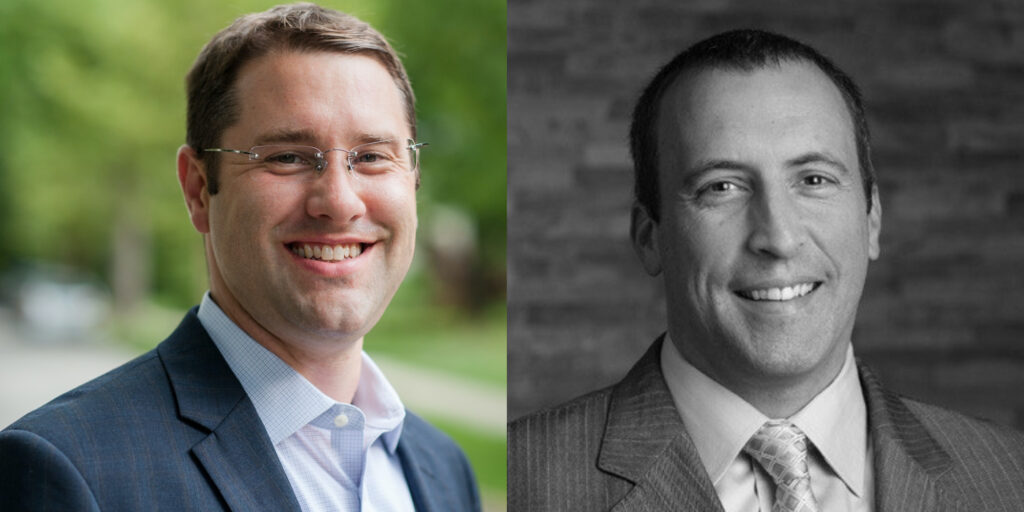
    VisionTech Executive Director Ben Pidgeon and 3Aware Senior Vice President Joe Adams

    BP: You’ve said you’re fiercely loyal to Indiana and that’s one reason you’re courting Indiana investors.
    JA: I was raised in Indiana, am a graduate of Indiana University, and have been involved in multiple highly successful startups since the mid 1970s. My very first startup was a collaboration with Dr. Don Brown, who is among the most successful serial software entrepreneurs in the Midwest. Later I was involved with Interactive Intelligence and Software Artistry. Over the course of my career, getting investors in Silicon Valley and Boston to look at us was difficult despite the vibrancy of Indiana’s tech scene. With 3Aware, we have a potentially exponential organization with an incredible leadership team that’s rooted in Indiana. We have amazing early investors from across the country and would like fellow Hoosiers to be part of our success. That’s why we’re excited to participate in VisionTech’s virtual pitch event August 14th.

    BP: Explain the problem you are solving.
    JA:  The medical device industry is near and dear to us in Indiana. But this $500 billion industry is in turmoil due to shrinking margins and the increasing costs and time involved with regulatory compliance. As an example, the costs associated with new EU medical device regulations around recertifications of devices are predicted to exceed 5% of sales. Because of this and already thin margins, companies may have to pull as many as 30% of their products. The U.S. FDA is hot on the heels of the EU with their own time and resource intensive regulations.

    Medical device companies are in dire need of a tech-based alternative to traditional clinical trials and manual re-certifications that consume scarce resources and threaten device viability and corporate profitability. 

    BP: Why is 3Aware the right solution?
    JA: Medtech companies need a way to quickly and easily leverage real-world data about their devices that currently exists in electronic health records (EHR) databases maintained by health systems. We have the answer. 3Aware’s aiSurveillance Platform is a cloud-based SAAS solution that:

    • integrates with EHR and other business systems. 
    • triangulates data from a variety of sources. 
    • links individual patients to their longitudinal experience with devices, allowing on-demand access to device-specific cohorts of patients.
    • and facilitates the mining, analysis, and surveillance of patients’ structured and unstructured real-world evidence (RWE) data to understand indications, experience and outcomes. 

    Our platform automates post market studies, powers ongoing vigilance, and dramatically reduces the time and  money needed to achieve this. It will literally stand the world of medical device manufacturing and compliance on its head – in a good way. Instead of 12 to 18 months for a post-market study, 3Aware can deliver study results in weeks and at a fraction of the cost.

    Access, Analysis, Alerts

    BP: The benefits seem ridiculously huge.
    JA: We truly believe that 3Aware is at an inflection point for the medical device industry. By automating post-market clinical analysis of data that resides in EHRs and  is largely unusable in its current form, we enable medical device companies to secure compliance in 20% of the time and at less than half of the cost of traditional methods. Our analysis also provides ongoing access to data that can be used for other studies, to extend current devices into new applications or enhanced performance as well as support more accurate patient monitoring.

    BP: What is the market opportunity?
    JA: Our initial focus on medtech compliance and product line optimization supports $6 to $9 billion in annual recurring revenue. From there, we can expand into regulatory and safety surveillance, which has a total addressable market of another $56 billion. Further down the road, we can leverage into clinical outcomes analytics and total cost of care for a specific device. This, of course, appeals to health systems, payers, accountable care organizations. Market value to be determined.

    BP: Where are you in terms of commercialization?
    JA: We launched with our initial version of the aiSurveillance Platform and are currently in conversations with two dozen medical device companies, including six of the largest. Cook Medical was our first customer, Zimmer is onboard and there are others close to finalization. We’ve identified and targeted potential customers enabling $150 million in annual recurring revenue, with  an active sales pipeline of nearly $5 million including top ten manufacturers. We are moving ridiculously quickly to scale to meet demand.

    BP: How is the market responding? 
    JA: I wish you could sit in on our presentation to medical device companies. They get it immediately. They don’t get lost in the weeds; they ask “buy” questions. It’s really exciting.

    BP: What kind of IP protection do you have?
    JA: Our platform is enabled by proprietary technology. The basic platform infrastructure was initially developed by HC1. Less than two years ago, the 3Aware aiSurveillance platform application was developed as a joint venture with Cook Medical, Health Cloud Capital and the Mayo Clinic. Since then, 3Aware has been developing the 3Aware WorkBench, which has a patent application filed that protects systems and methods for managing, storing, organizing, and classifying clinical health data associated with medical devices. Soon to follow will be patent applications that cover a host of human assisted adjudication processes and procedures, which will lead to the holy grail of real-time adverse event notification and active surveillance.

    BP: Any competitors?
    JA: We are first to market. There are other companies out there, but they don’t have the breadth of capabilities or the automation that 3Aware already has or the future vision of 3Aware. 

    3Aware CEO Bill Moss and Senior Vice President Amelica Hufford will be presenting August 14.

    BP: Your leadership team is impressive. Let’s touch on that.
    JA: 3Aware’s leadership team has combined experience of more than $6 billion in merger and acquisition transactions. Plus deep, deep experience in tech, medical devices and life sciences. Our CEO Bill Moss alone has five successful exits. Chris Brown, our CFO, is a founding executive of hc1 Insights, whose technology we use. Prashant Thumma, our CTO, was senior director at TelaDoc where he led enterprise architecture. David Kates, our chief data officer, is a leader in the linkage and analysis of healthcare data. And Amelia Hufford, our senior vice president of scientific affairs, came to us from Cook Medical where she led multiple clinical and regulatory science teams. We’ve stacked the deck!

    BP: What investment round is this?
    JA: This is an $8 million seed funding extension round.

    BP: What is your planned use of funds?
    JA: Pretty simple – we’re scaling to meet market demand. 

    BP:  Give me three reasons VisionTech investors should invest in 3Aware?
    JA:  3Aware is truly an inflection technology with the potential to redefine the medical device industry and how devices are validated, certified, and monitored for safety and performance. There is overwhelming market interest as evidenced by the global corporations we’re engaged with, the strength of our pipeline and current recurring revenue. We also have the leadership team to get it done.

    VisionTech’s Wednesday, August 14 Pitch Event will have one virtual session only at 12 noon ET. Plan to join me, Bill Moss, Joe Adams and fellow VisionTech investors. Please register here.

  • July 12 Pitch Presenter Solomon Ssenyange, CEO of RedNOx, Is Tackling Greenhouse Gases – and Winning

    July 12 Pitch Presenter Solomon Ssenyange, CEO of RedNOx, Is Tackling Greenhouse Gases – and Winning

    In late June, Rev1 Ventures came to me with an interesting investment opportunity and like Croft, a fast-moving deal. Rev1 is leading a $1.7 million seed round in RedNOx, a startup based on technology from Ohio State University that has developed highly sensitive sensors for NOx, N20 and CO2. RedNOx has raised and will close on half of that amount in early July. Thinking the deal is a good fit for VisionTech, Rev1 offered to syndicate the deal with us to help close the round. RedNOx Solomon Ssenyange is a PhD and a serial entrepreneur with one exit to his credit. His new venture has impressive traction, which is why I invited him to pitch Friday, July 12 at 12 noon. Here’s a quick preview.

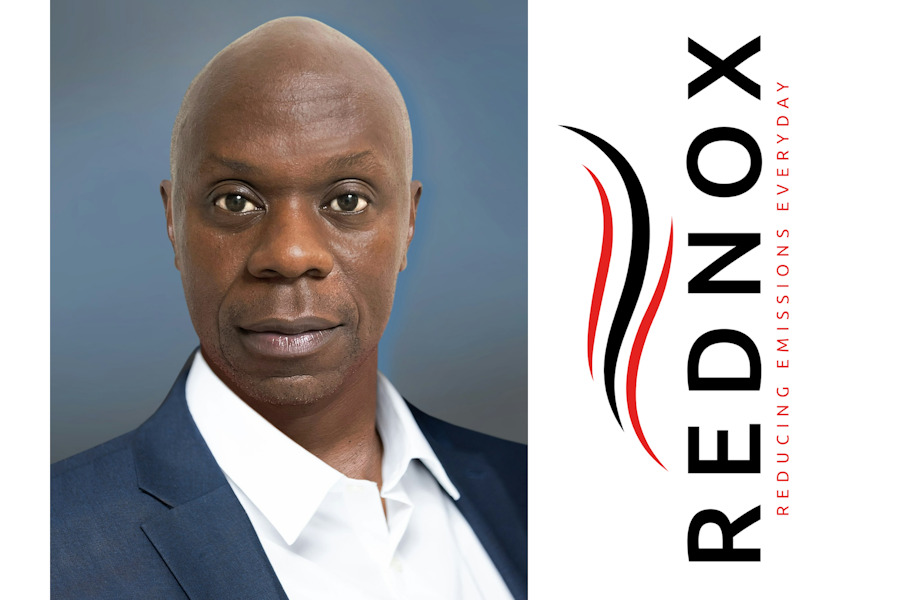
    Solomon Ssenyange, RedNOx, and Ben Pidgeon, VisionTech

    BP: You are an academic by training, but also a serial entrepreneur. How did you pivot from research lab to boardroom?
    SS: I earned a PhD in Analytical Chemistry from the University of Alberta in Canada, with emphasis on solid-state electrochemistry—the science behind advanced sensors. I also did a post-doc at Ohio State University in Analytical Chemistry. My real passion is business. In 2021, I licensed technology from Ohio State that became the foundation of Spirometrix. We commercialized an FDA-cleared, hand-held breath monitoring device for people with  asthma. We exited the company in 2020. I’m now involved in other startups, including RedNOx.

    BP: Tell me about RedNOx.
    SS: RedNOx is a startup with an innovative sensor platform for greenhouse gases such as NOx, N2O, and CO2. It’s the same proven sensor technology behind Spirometrix, but we’re applying it to new industries. The main objective of our sensor platform is to detect the presence of greenhouse gases and reduce emissions for various industries as rapidly as possible. 

    Our initial focus is mobility and agriculture. In mobility, makers of gas and diesel engines used in light and heavy equipment, trucks, and cars have NOx emissions limits they are mandated to meet by 2027 in both the U.S. and E.U. Existing NOx sensor technologies do not meet ultra-low NOx measurement requirements except for RedNOx. Our sensors detect with incredible sensitivity (less than 1ppm), emissions levels to ensure manufacturers are compliant with future emission limits that will bring future internal combustion engine closer to near zero-emissions. RedNOx sensors are also being used to help farmers optimize fertilizer usage while minimizing greenhouse gas emissions.

    All vehicles must meet stringent new emissions standards in the US and EU by 2027.

    BP: Why are your sensors so compelling to engine and automotive industries?
    SS: The fines for noncompliance are staggering. Last December, Cummins paid $1.675 billion in fines for installing devices engines to allow them to emit excess pollution. Navistar was fined $52 million in another emissions case. Toyota had to halt shipments of 10 models over mishandling its engine tests. These manufacturers can’t afford to be noncompliant. Our ultra-low NOx Sensor is the answer in part because our sensors exceed the global regulatory range for NO and NO2 with no cross sensitivity to other emissions. Our sensors also perform in high-temperature, high stress environments. 

    BP: What kind of traction do you have?
    SS: Cummins and Caterpillar recognize the potential of deploying our sensors in their engines and both have signed purchase orders with us. 

    BP: Impressive! What about the agriculture industry?
    SS: Nitrogen is essential for crop growth; however, its production and use is linked to greenhouse gas emissions. The agriculture industry is under pressure to reduce the use of nitrogen to bring down emissions. We are developing the AgroNOx sensor specifically for the agriculture industry to accurately measure  and monitor both NOx and N2O emissions. Our sensors are capable of measuring both with high accuracy and surpassing other sensors that measure only NOx.

    The benefit to farmers is they can avoid over application of nitrogen, which can save 10-30% in costs. It also supports precision ag and sustainability goals.

    RedNOx was just awarded a $650,000 SBIR Phase II Award to further development of its ag sensors.

    BP: What kind of traction do you have in agriculture?
    SS: We have good traction there, too, with two specialty fertilizer companies. The first is ICL Group of Tel Aviv in Israel, and PivotBio. They are using our technology to help determine the amount of greenhouse gases their fertilizers release when used by farmers. We are very early in agriculture, and it represents a maximum greenfield for us.

    BP: You recently got some great news for this part of your business.
    SS: Yes, we were just awarded a $650,000 SBIR Phase II Award from the USDA to accelerate development of our agriculture sensors. It’s great to have this non-dilutive funding to put into the company and our technology.

    BP: Do you have any patent protection?
    SS: Yes, we have a robust patent portfolio addressing our gas sensors and systems and methods. We also have two patents pending specific to agriculture applications. We conduct quarterly intellectual property reviews against competitors to protect our IP from competitors.

    BP: Do you have any competitors?
    SS: We have three competitors that we’re aware of, Nittera, NGK Insulator and Indrio Technologies. Indrio comes the closest in performance, but they product is priced significantly higher than RedNOx sensor. The other companies are low in price and performance.

    BP: What investment round is this?
    SS: This is our seed round, and our goal is to raise $1.7 million. We are halfway there with Rev1 Ventures leading the way. We hope to close the round by the end of September 2024.

    BP: What is your planned use of funds?
    SS: Two-fold. First, to fulfill the purchase orders for Cummins and Caterpillar. Second, to complete the development of our AGRI-NOX sensor so we can move forward quickly with current and future partnerships.

    BP: Give me 3 reasons VisionTech investors should invest in REDNOX?
    SS: Our sensor technology is truly innovative and our ability to detect the presence of specific emissions exceeds global standards. The market demand for emissions monitoring technology is growing as evidenced by the purchase orders we have from global companies very familiar in Indiana like Cummins and Caterpillar. Finally, we have validation of our technology and strong pipelines from both the mobility and agriculture sectors.

    VisionTech’s Friday, July 12 Pitch Event will have one virtual session only at 12 noon ET. 
    Please plan to join me, Solomon and fellow VisionTech investors. Please register here.
  • Meet July 1 Pitch Presenter Scott Prince, CEO & Co-Founder of Croft, a Fast-Growing Ag Ops Platform

    Meet July 1 Pitch Presenter Scott Prince, CEO & Co-Founder of Croft, a Fast-Growing Ag Ops Platform

    VisionTech’s first foray into agtech, Smart Apply, Inc., ended extremely well with an exit to John Deere roughly 18 months after our first investment round. So when I bumped into Scott Prince, a serial entrepreneur and now CEO and co-founder of Croft at a recent Techpoint Venture Connect event, I was interested to learn more about what Scott was doing with his tech platform that automates and streamlines HR and more specifically, H-2A, administration. It was a great discussion which ultimately led to an invitation to Scott to present to VisionTech Angels investors on Monday, July 1 at 12 noon. Here’s a quick preview.

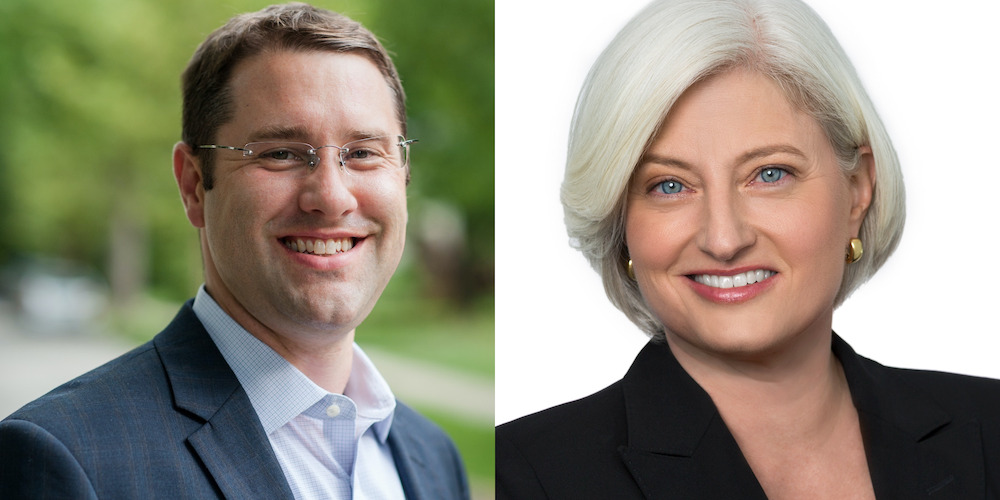
    (L to R) Scott Prince, Croft; Ben Pidgeon, VisionTech

    BP: What is the problem you’ve identified in the agriculture industry?
    SP: U.S. agribusinesses  have a huge issue with back office operational efficiency, cost, and compliance, especially those that are labor-intensive. Labor costs as well as shortages are critical issues. There is a mass shortage of domestic workers, forcing many agribusinesses to use the complicated and expensive H-2A Visa seasonal, nonimmigrant ag worker program. H-2A is a non-capped seasonal Visa for almost 100 eligible countries, with the majority of the 400,000 annual farmworkers coming from Mexico, Central America and South Africa. H-2A has more than 200 rules and the bureaucracy behind the program is complex and as hard to navigate. Since labor is usually one of the highest input costs for a farm, securing a competent workforce in a compliant and lowest-cost way is essential to farm profitability and viability.

    BP: How are you solving it with Croft?
    SP: Croft has built and continues to enhance a collaborative ag operations platform that automates and streamlines farmers’ back-office operations administration by centralizing and managing data, forms, and workflows for the agribusiness, domestic and H-2A workers, H-2A agent, and service providers. We’re helping  15,000 farms that rely on H-2A  workers and the rest of the 250,000 labor-intensive farms be more organized, efficient, productive, compliant, and profitable. Croft Case Manager streamlines H-2A agents’ internal operations, and those agents resell Croft Connect to each of their farm clients. Case Manager and Connect work in tandem to bring all participants together collaboratively in the same platform for the first time to save all time & money while increasing overall compliance.

    BP: Croft was founded in late 2022, but already you have great traction.
    SP: Yes, we do I both funding and customer revenue. Our first major investor was Purdue University DIAL Ventures in partnership with High Alpha Innovations. Purdue invested $950,000 in pre-seed money to fuel the development of our platform. Croft has attracted other agtech venture funds, including Ag Startup Engine and Ag Ventures Alliance. We have paying customers throughout the United States and have onboarded notable operations like Tom Farms and Beck’s Hybrids here in Indiana. These early adopters provided critical feedback, allowing us to refine our platform and demonstrate substantial value in the market.

    BP: What are farmers and farm agents liking about Croft?
    SP: We have the ability to cut their administrative time in half, be prepared for government audits and inevitable investigations, increase the performance of their workers who don’t have to worry about compliance, and finally, increase farm profitability. Our platform is also very easy to learn and use. It’s tough to make a buck in farming while you’re trying to feed the world and your family. We want to make farming financially viable through more efficient, effective back-office operations.

    BP: What’s your revenue model?
    SP: Typical B2B SaaS with annual per farm platform and per farmworker user fees and  add-on modules to follow. The typical SaaS direct go-to-market activities of advertising, engaging via demos, converting trials, selling, upselling, and renewing are more difficult and much longer for agriculture given its late tech adoption curve and rural/remote geographies. Croft has a direct sales program, but most of the emphasis is on our indirect Partner Reseller program, launching with H-2A agents that 80% of H-2A growers use. This indirect model decreases our customer acquisition cost and by sales cycle by over 85%.

    BP: Any competitors?
    SP: No one is doing exactly what we’re doing. The industry is still largely paper-based.

    BP: What round is this?
    SP: This is our seed round. Grit Road Partners, a Nebraska-based, agtech venture firm, is leading the round. We look to raise $1.5 million with a likely oversubscription up to $2 million.

    BP: How will these funds be used?
    SP: Much of it will go to sales, customer support and marketing. We’re taking a “white glove” approach to sales and service to develop strong, personal relationships with value-added resellers and ag customers, spark referrals, build our brand and position Croft as a thought leader. We’ll be attending targeted industry conferences, participating in podcasts, and networking with ag bureaus for national awareness, with very specialized and local co-marketing activities with Resellers. 

    BP: Give three reasons why VisionTech members should invest in Croft.
    SP: First, we’re solving a very critical set of problems for the U.S. agriculture industry, one that has been overlooked by leading tech vendors. Second, our current solutions have extra strong product-market fit, with a strategic roadmap supporting business intelligence-based services that farms will depend on to increase profitability. Third, we have a seasoned team with deep technology, agriculture, SaaS, finance, operations, sales, and marketing experience that knows how to launch, grow, and exit SaaS companies successfully.

    One more thing investors will like  – we’re certified as a Qualified Indiana Business and investors are eligible for the Indiana Venture Capital Investment Tax Credit.

    BP: If people want to learn more, where should they go?
    SP: Our website of course. But I highly recommend watching this video for more. 

    VisionTech’s July 1 Pitch Event will have one virtual session only at 12 noon ET. This is a fast-moving opportunity so please plan to join me, Scott and fellow VisionTech investors. Please register here.

  • Meet February Pitch Presenter Aegle Therapeutics’ Shelley Hartman: Healing with EVs

    Meet February Pitch Presenter Aegle Therapeutics’ Shelley Hartman: Healing with EVs

    Last year was a very good year for VisionTech. Applying strict criteria, we completed 18 deals worth $2.88 million. We’re continuing our thesis this year, looking hard at leadership, the unmet needs being met, milestones achieved, and deal terms. We’re also leaning into syndication partners for deal flow and diligence. Early this year, New World Angels of Boca Raton, Florida, suggested we look at a pioneering biotech startup called Aegle Therapeutics. Last year, both of our groups  invested in NuvOx Therapeutics, so I was open to reviewing Aegle and its novel platform therapy for severe burns and other rare and challenging skin conditions.Impressed with CEO Shelley Hartman, her “EV” technology’s potential impact on lives and traction, I invited her to present at our February 29 pitch events. Here’s a preview.

    Ben Pidgeon, Shelley Hartman

    BP: Before we get started, I heard you are the proud mom of a former high school football player.
    SH: (Smiles) That would be my daughter Sofia. During her senior year in high school, she was a starting running back for the boys’ varsity team. Before the season started, the coach took me aside and said, ” Do you know why she is so good? She can see the hole and run through it.” And so she did. All season.

    BP: That’s a great story. Your background is in banking. How did you get involved with a biotech startup out of the University of Miami?
    SH: You must be reading my LinkedIn profile, Ben. Yes, I spent nearly 20 years with First Boston and Goldman Sachs. In both cases, my focus was life sciences and healthcare services companies: advising, raising capital, mergers and acquisitions. In 2004, I was recruited to Fort Lauderdale, Florida, to run LifeSync Holdings, a corporate incubator developing biopharma, medtech and diagnostic products. We were funded by TGP, Medtronic, 3M, and other large investors; it was a great experience. I wrapped up that role in 2013, but because of my daughter’s football, weightlifting and lacrosse career, I wanted to stay in Florida. So I became an entrepreneur-in-residence (EIR) for the University of Miami Miller School of Medicine.  

    BP: How did you get involved with Aegle Therapeutics?
    SH: I was introduced to Bob Williamson in the tech transfer office at the University of Miami Miller School of Medicine. He’s a serial life sciences entrepreneur and was looking at licensing some technology around stem cells and wanted my help on it. That tech came from the lab of Dr. Van Badiavas. Van had found a way to harness the poer of stem cells without using the cells. This was the foundation of what would soon become Aegle Therapeutics. I reviewed it and thought the science was brilliant and very elegant. We ended up licensing the technology and I came onboard with Aegle full-time in 2019 as CEO.

    BP: You mentioned something called “EVs” in an earlier conversation and all I could think about was Tesla. Can you explain, in layman’s terms, what you’re doing with Aegle and EVs.
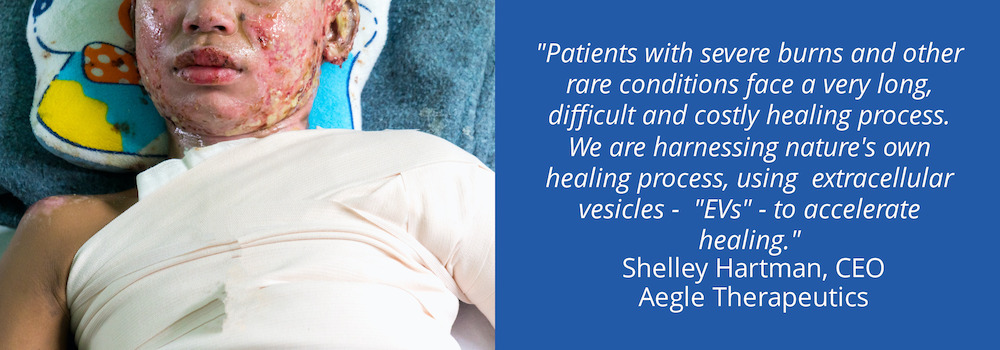
    SH: The science does get pretty deep, but here’s the elevator version: Aegle is developing novel, extracellular vesicle (EVs) therapies in the form of a topical medication to treat rare and severe dermatological disorders with significant unmet medical need. Our initial targets are severe second degree burns and a rare pediatric, skin condition called dystrophic epidermolysis bullosa.

    You’ve probably heard  of stem cells being used to treat cancer and other diseases. Well, we are taking EVs, which are secreted by stem cells, and using them to influence the immune system, accelerate healing, support blood vessel growth and neuronal regeneration, and minimize inflammation and scarring . Using EVs, we are harnessing the body’s own power to heal itself faster and more completely.

    BP: Share an example.
    SH: Think about someone who’s experienced severe burns in a fire, a work or recreational accident or on a battlefield. Burn wounds are extremely difficult for patients and physicians. They’re painful, they swell, they’re slow to heal, and cause terrible scarring. It  can cost millions per patient to treat. If skin grafts are required, that’s another layer of complexity, pain and cost. We recently treated our first patient whose foot was charred in a boating accident. Withing seven days of one dose of our EV-based topical, his burn wound was closed, there was a significant reduction in swelling, and no sign of ischemic reperfusion injury. In four weeks, his pain was gone, and in 12 weeks, his foot was completed healed.

    BP: That’s impressive! I can see why the military would be interested in this.
    SH: They are! We have $1.5 million in non-dilutive funding through the Congressionally Directed Medical Research Program, specifically for biotech innovations like ours.

    BP: Why hasn’t this been addressed before?
    SH: Our overall approach is novel, but it’s our manufacturing approach that truly differentiates our platform. Our lead product, AGLE-102™, is a natural composite of EVs; it’s not engineered. Our method of isolating and collecting the EVs is very precise, safe, and does not damage or modify the EVs. The end product mimics the body’s own natural production.

    BP: We always want to know about IP to ensure companies’ moats are deep and wide.
    SH: We’ve definitely got that covered. We have 85 patents of which 55 have been granted. Many of these are around our manufacturing and composition of matter. Our patents cover all major markets, including the United States, EU, Japan, Australia, and Canada. We’ll continue adding to our IP as we add to our pipeline.

    BP: What round is this?
    SH: This is a $5 million Series A preferred stock round. Right now we have commitments for $2.8 million and would like to close on $3 million by the end of February.

    BP: What’s the planned use of funds?
    SH: Basically to continue our momentum. We plan to use the proceeds to generate strong clinical data in both our burn and dystrophic EB clinical trials, which we hope shows AGLE-102 as a new modality to treat other inflammatory and immune-based dermatologic disorders.

    BP: Give me three reasons why VisionTech Angels should invest in Aegle.
    SH: First, it’s the perfect time to get behind our company. We recently completed the proof of concept in our burn trial and the results exceeded expectations. We are moving forward with our second clinical trial, dystrophic EB, which is a major inflection point. Third, our manufacturing process is unique, challenging and the IP behind it is extensively protected. We have successfully completed multiple GMP manufacturing runs. Here’s a fourth reason: we all know it’s a challenging time for biotech startups to be fundraising. We’d like to close the round quickly, so our pre-money  valuation is very favorable to investors. 

    VisionTech Angels’ Virtual Pitch Events will be held Thursday, February 29 at 12 Noon and 6 p.m. ET. Pitch events are open to our members and accredited investors interested in joining our group. To register, check your email for an invitation, go to our Events page where you’ll find the RSVP links. You can also email Ben Pidgeon at bpidgeon@visiontech-partners.com.

  • Meet February Pitch Presenter Tim Blair of iCHOR: Saving Lives, Simplified

    Meet February Pitch Presenter Tim Blair of iCHOR: Saving Lives, Simplified

    VisionTech Angels enjoys strong deal flow, something I credit to our relationships with other venture groups in state and across the country. When our syndication partners have opportunities they believe are a good fit for our group, they send them our way. This ensures we see top quality deals, but also allows us to leverage due diligence. This is how I met Tim Blair, president of iCHOR. Queen City Angels liked Tim and iCHOR’s percutaneous clot retrieval system that improves patient outcomes and reduces surgical costs.The value proposition, leadership, and traction is compelling, so I invited Tim to present at our February 29 pitch events. Here’s a preview.

    BP: How did you get involved with iCHOR?
    TB: The past 30 years, I’ve focused my career on medtech, medical device, healthcare consumables, and nutraceuticals. This includes sales, marketing, business development, operations and R&D across the peripheral vascular space. I spent more than nine years working at NAMSA, a medical device contract research organization, which whetted by appetite for improving technology and bringing devices to market more efficiently.

    In 2018, I became president of a medical device company called iCHOR Vascular, a platform technology that is aimed at becoming the market leader in opening vascular occlusions related to vascular disease such as embolic and thrombotic events. Our goal is to be an elegant “first line on the table therapy” in treating peripheral vascular occlusions.

    BP: Explain the issue you’re addressing.
    TB: The gold standard for removing peripheral blood clots are drugs (lytics) that essential break down clots over a few days.  However 40-50% of patients are not candidates for lytics which means they receive a surgical thrombectomy or we intervene with stroke type technologies that are not always optimal for the issues in our peripheral vascular system. It should also be noted that drug and surgical therapeutic options have significant bleeding and surgical complications that can be minimized or eliminated with iCHOR technology. 

    Unlike data we now have on coronary disease and stroke, peripheral vascular occlusions are far less understood. Peripheral disease of arteries and veins in lower extremities is a fast-growing market with significant mortality rates. The tools and techniques to treat these conditions are outdated, don’t improve outcomes yet costs to treat are skyrocketing. What does treatment look like now? It’s either drugs to dissolve the clot which require several days in the ICU or surgery. We knew we needed new tools to address the shortcomings of today’s gold standard, drugs and surgeries. Patient outcomes have not budged in 50-plus years. This directly attributed to the lack of reasonable therapeutic options in the toolbox today.

    BP: What’s driving the market?
    TB: The market is driven by an aging population, patients living longer, an increase in disease prevalence, increases in virus-related conditions that also increase prevalence, and things like opiates and other drug use. Today’s treatment options are less than perfect and extremely expensive.  We need tools that are simple, effective, and equally address the economics that plague our healthcare industry.  

    BP: Explain iCHOR’s solution and value proposition.
    TB: The iCHOR system replicates successful parameters of surgical clot removal with a proven mechanism of action (balloon sweep) combined with on-demand embolic protection.  iCHOR checks key boxes for physician end users and patients:

    • Non-surgical therapy
    • Non-drug therapy
    • Arresting flow avoids blood loss often associated with surgery or aspiration tools
    • Arresting flow avoids distal embolization of materials moving downstream
    • Designed to fit all anatomical vessels
    • Designed to always maintain sheath/wire access so physicians can make multiple passes quickly
    • Avoids scarring or valve damage associated with metal dragging tools like stent retrievers
    • Does not require capital equipment.

    We believe iCHOR’s technology will become the new gold standard to treat peripheral blood clots because it’s easy to use, can treat a wide range of clot anatomy and morphology, and we address the economic issues associated with today’s therapies.

    BP: What’s your competitive advantage?
    TB: Simplicity and familiarity. Our platform is built on techniques physicians have trusted for decades in surgery. Physicians aren’t having to be convinced of using something totally foreign or difficult to master. The mechanism of action is proven. We just made it minimally invasive. Once they use our iSWEEP device and discover how simple and effective it is, well, there’s no going back.

    BP: You’ve assembled a strong leadership team and strategic partnerships.
    TB: We sure have! Our executive team all have decades of experience in the medtech industry and professional networks that are proven and trusted. Our scientific advisors include vascular surgeons, interventional radiologists and cardiologists, who are industry influencers and are actively involved in advising iCHOR so we can get better treatment options to market sooner rather than later. Lastly, we have partnerships with the Cleveland Clinic’s Global Cardiovascular Innovation Center; NAMSA, the testing gold standard for the FDA and globally notified bodies); Medical Murray, a best-in-class engineering and manufacturing company we’ve worked with previously; and experts in reimbursement, intellectual property and financial services. We are looking to add several more scientific advisors and  strategic partnerships in the coming months as part of our go to market strategy.

    BP: Where are you in terms of commercialization?
    TB: We have both market clearance from the FDA and published real-world efficacy data in a 25-patient test market. We continue to focus on market validation and real-world data from a clinical perspective, but also on technical and manufacturing validation. The venous device is currently being used in a limited market release and expect the University of North Carolina, Vanderbilt, and several other major health systems to come on board this quarter. Our next generation devices have already been submitted to the FDA. 

    Although we’re in the early stages of commercialization with this limited market release, we have started to execute our hybrid sales model which utilizes distributors, direct hires and 1099s. It’s an approach we’ve used successfully in the past.

    BP: What’s the market size?
    TB: In a word, massive. This is a $4.7 billion available treatable market in the U.S. and $20 billion outside the U.S. for our current iCHOR arterial and venous technologies. Peripheral arterial disease and deep vein thrombosis is a rapidly growing market currently underserved with mechanical options.  We believe our ease of use, effectiveness, less stress on patients, and the economics will make iCHOR devices the “go to.”

    BP: What kind of IP do you have?
    TB: Our first patent was issued in the U.S. in August 2021. Our patents support the marketed product, which is not always the case with many patents. Our IP also supports the methods behind the procedures to prevent people from cobbling parts together to do what we do.  Additionally, we have patent protection in Canada and the European Union.  Our plan is to add to our IP portfolio as we extend the product line and indications for use.

    BP: What round is this?
    TB: This is a Series A Equity Round with a $5 million ask. Queen City Angels is leading the round and we’ve gotten strong support from a number of other angel groups around the country. We currently have $4.2 million in and hope to close the round quickly so we can focus 110% of our efforts on commercializing iCHOR.

    BP: What is your planned use of funds?
    TB: The proceeds of this raise will be used to fund R&D, quality and regulatory, sales and marketing, and administrative costs aimed at strong exit potential and an eventual positive balance sheet. We have a clear path of milestones laid out, and this funding will help us check the boxes our industry values.

    BP: Give me three reasons why VisionTech Angels members should invest.
    TB: Sure! First, couple the addressable market for our iCHOR arterial and venous technologies ($4.7 billion) with the tremendous interest from physicians and it’s a huge opportunity. Second, our market clearance and early procedures are going well; we’re meeting our de-risking milestones which is critical. Finally, our valuation and terms are very favorable to investors, and we’d love to have VisionTech Angels investors involved.

    VisionTech Angels’ Virtual Pitch Events will be held Thursday, February 29 at 12 Noon and 6 p.m. ET. Pitch events are open to our members and accredited investors interested in joining our group. To register, check your email for an invitation, go to our Events page where you’ll find the RSVP links. You can also email Ben Pidgeon at bpidgeon@visiontech-partners.com.

  • Meet October Pitch Presenter Alli Truttmann of Wicked-Smart Pad: Real-Time Relief for Vulnerable Seniors

    Meet October Pitch Presenter Alli Truttmann of Wicked-Smart Pad: Real-Time Relief for Vulnerable Seniors

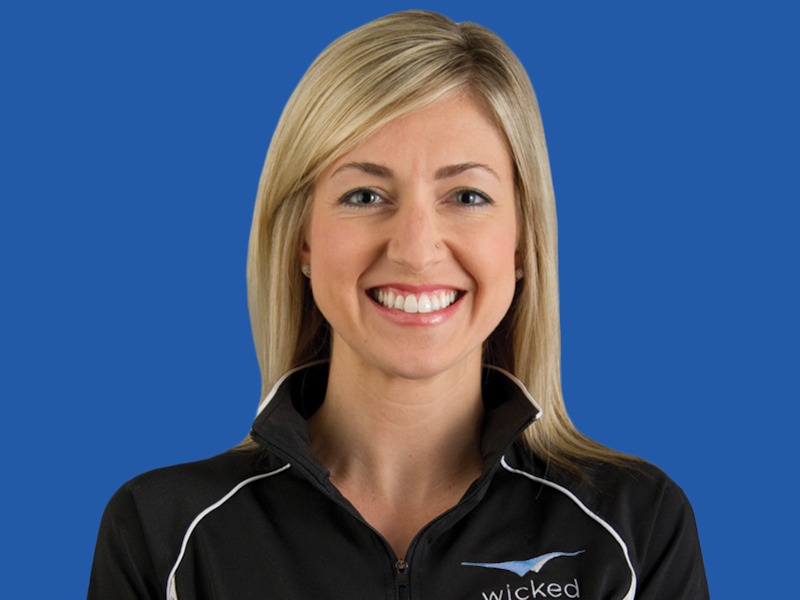
    Alli Truttmann, CEO of Wicked Technologies, is on a mission to solve an extremely painful and costly problem among the elderly and their caregivers: bed sores. Perhaps better known as pressure ulcers, these sores are made much worse by a person’s incontinence and lack of a timely response from caregivers. When I met Alli, she shared the story of her grandma, Shirley, and how it inspired her to create the Wicked-Smart Pad™, a solution that has the potential to bring dignity and dryness back to the elderly and enable for responsive care. I invited Alli to a VisionTech Angels Screening Committee. The group immediately saw the potential and invited her to present at our October 26 pitch events. Here’s a preview.

    BP: How did you find out about VisionTech Angels?
    AT: I was working with Elevate Ventures and participating in one of their life sciences pitch competitions. Knowing how strong Indiana’s life sciences ecosystem is, particularly medical device and drug discovery, I asked Elevate if there were angel groups in the state that might be interested in investing in my company. The first group out of their mouth was VisionTech Angels. Meeting Ben and learning more about the group’s members and expertise, I knew it was the perfect group to engage with.

    BP: Tell me a little about yourself and your background as an entrepreneur.
    AT: I went to college to become a child psychologist working with kids on the spectrum. After tearing my ACL playing indoor soccer, I realized I would not be able to do active physical therapy with kids—I’m a get down on the floor kind of therapist. So I had to find something else. I pivoted to health care when I began having night sweats. Realizing there had to be a better option than regular sheets, I developed moisture wicking sheets and founded Wicked Sheets, LLC, in 2008.

    I’ve always been close to my grandma, Shirley Truttman. In her 90s, she suffered from dementia, mild incontinence and bedsores. She also had very sensitive skin, which was aggravated by the moisture of incontinence. So I got her on Wicked Sheets to help keep her dry. Unfortunately, she died from incontinence-related bedsores at age 94 in 2017. See grandma and grandpa suffer through this inspired me find a better solution for elderly people, their families and caregivers.

    BP: Where did the idea for Wicked Technologies come from?
    AT: I have to give COVID some credit here. Because of supply chain issues caused by COVID, I had sheets sitting on ships off the coast of California. Wanting to keep my team busy, we started working on an incontinence pad. I even filed a patent on the idea without the technology. I had a friend who was an entrepreneur in residence at the University of Louisville. There was a professor who had a wearable sensor to detect sweat. Sweat’s a lot like urine. I thought, ‘Why can’t we use this sensor to detect urine and help stop moisture-related bed sores?’ So I applied for an SBIR grant from the National Institutes of Health (NIH) and was awarded $500,000. I put Wicked Sheets on pause, and it was off to the races with Wicked Technologies and the Wicked-Smart Pad.
    BP: How big is the problem?
    AT: Huge! Incontinence in older adults is very common. It’s estimated 13 million live with incontinence. One in ten will develop incontinence-related bedsores from urine, which is very acidic and painful on thinning skin. From a financial perspective, the cost of bed sore treatment is estimated to  be $39 billion. And that doesn’t include the 17,000 annual lawsuits over bedsores.

    BP: Explain your solution.
    AT: The Wicked-Smart Pad is designed for senior care facilities, with future versions for aging in place and hospice It is a washable, dryable pad with sensors that detect in real time a moisture event and sends an alert to the caregiver. This alert goes to a dashboard of choice: nurses’ station desktop, smart phone or tablet. A second alert is sent to ensure a timely response of cleaning the person up, changing undergarments or diaper, and replacing the pad. The soiled pad is laundered for reuse. What’s impressive is the sensors detect can detect as little as one ounce of urine in less than 15 seconds.

    There are a number of benefits. First, quicker response to incontinence events that helps avoid a person lying or sitting in urine-soaked garments or beds. Second, it is so much easier to replace a pad than it is to strip, sanitize, and remake a bed after an incontinence event. It’s also safer for the patient. Third, the data from monitoring patients and the frequency and volume of their events is invaluable to understanding their conditions and care needs. Also, communications are encrypted and wirelessly transmitted. Watch a demo here.

    BP: Do you have intellectual property protection?
    AT: We have one non-provisional patent, two provisional patents, an exclusive option with the University of Louisville Research Foundation and another that we are considering.

    BP: Where are you in terms of commercialization?
    AT: We’ve got a lot going on. We’re working with regulatory and quality management consultants on our FDA clearance and manufacturing controls. We’re pursuing an FDA approval as a Class 1 medical device, which is 510(k) exempt. We think that will take five to six months to clear. We’ve hired a quality consultant in Indianapolis who came highly recommended. We’re also working on our reimbursement code.

    What’s very exciting is we have an active NIH pilot in Louisville with an Atria Senior Living and have two-paid pilots with Atria Senior Living scheduled to begin in the next several months.

    BP: What’s your go to market strategy?
    AT: We are learning a lot with our current pilot. A key validation is a 300% improvement in staff response time to incontinence events. Once the three scheduled pilots are completed and we have our FDA clearance, reimbursement code and manufacturing processes locked in, we will be ready to scale. In 2024, that includes implementing across Atria Senior Living’s portfolio of 370 communities. Followed in 2025 with implementations at Glennis Solutions properties. They currently have more than 1,000 communities in their portfolio. We’ll also start looking at a new category, assisted living communities, for additional expansion.

    BP: Any competitors? How are you different?

    AT: There are a  lot of incontinence management products on the market, the most recognizable being adult diapers. Most, however, are single use, do not have sensor capabilities or monitoring, and are more about capturing urine rather than detecting when a person urinates. The Wicked-Smart Pad is truly tech-enabled with real-time detection and monitoring, caregiver alerts, being wireless, and finally reusable through simple laundering. Finally, it takes five minutes to change our pad versus the 45 minutes it takes to clean up a person, change their clothes, and sanitize and remake a bed.

    BP: What round is this?
    AT: This is a Series A round with the goal of raising $1.58 million This gives us 16 months of runway, and potentially more based on sales.

    BP: What is your planned use of funds?
    AT: Half of what’s raised will go to building our inventory. Another 25% will go to continuing product development and the rest to salaries and selling, general and administrative expenses.

    BP: Why should  VisionTech Angels members invest in Wicked Technologies.
    AT: First, when you look at the comfort, health and dignity of the elderly coupled with labor shortages in the senior care space, the need for a high-impact, technology-enabled solution is great. Second, I’ve spent the last 14 years developing high performance wicking fabrics that I’m now enhancing with sensor technology. Third, we have a clear path ahead with our pilots and roll-out strategy in 2024-2025. Lastly, our approach to developing the Wicked-Smart Pad has been to go to senior living stakeholders and ask patient care directors what they need and build to those needs.

    VisionTech Angels’ Virtual Pitch Events will be held Thursday, October  26 at  Noon and 6 p.m. ET. Pitch events are open to our members and accredited investors interested in joining our group. To register, check your email for an invitation, go to our Events page where you’ll find event information and the RSVP links. You can also email Ben Pidgeon at bpidgeon@visiontech-partners.com.

  • Meet September Pitch Presenter Nick Wangler of Details, Building a B2B Marketplace for Orthodontics

    Meet September Pitch Presenter Nick Wangler of Details, Building a B2B Marketplace for Orthodontics

    One of my kids has had braces so when I met Nick Wangler, president and co-founder of Details, I immediately appreciated the value proposition of his startup. What he and co-founder Dr. Jeff Biggs have created is an online marketplace that connects orthodontic practices with all the suppliers they rely on to run their practices. What’s cool is they can continue to buy from the same suppliers they always have. The only difference is they’re all in one place. Huge time and money saver. I liked Details’ product-market fit and their early traction, so I invited Nick to a VisionTech Angels Screening Committee. The group was impressed with the company’s vision to build B2B marketplaces in healthcare verticals and invited him to present at our September 6 pitch events. Here’s a preview.

    BP: How did you find out about VisionTech Angels?
    NW: I worked at DeveloperTown for four years coaching and consulting with startups so naturally had heard of VisionTech Angels. When we started fundraising, there was one day in particular when four different investors told me, “This would be perfect for VisionTech,” so here we are!

    BP: How did you get involved  with Orthodontic Details?
    NW: It’s kind of a funny story. DeveloperTown’s bread and butter is software consulting and development, in addition to supporting startups. One day Dr. Jeff Biggs, an Indianapolis orthodontist who’s probably put braces on some of your kids, showed up and said he wanted us to “Build the Amazon of Orthodontics.” Now that’s a complicated request, but he was serious about it. So we gave him some homework to do, and he did the same with us. As we got to know Jeff, we saw his brilliance, willingness to learn and his humility, and agreed to build something together.

    The deeper I got into Jeff’s project, the more interested I became interested in co-founding the company with him. His expertise is orthodontics and mine is business and helping people launch companies. Startups aren’t easy, but it was very clear Jeff was someone I wanted to climb the mountain with. I got permission from my partners at DeveloperTown, who also invested in Details, to leave and co-found the company.

    BP: Explain the market need.
    NW: The pain point for orthodontic practices is clear: clinical staff are pulled away from revenue-generating activities such as starting new patients to order supplies. Keeping the practice stocked with all of the supplies they need to treat patients and run a business is complicated and time consuming. A practice is typically dealing with 15-plus different companies for products they use on a daily basis. Some of these companies have ecommerce sites, but many do not, requiring practices to call a salesperson to place orders. There is a tremendous amount of time spent ordering, following up and managing the financial side. Old school all the way.

    BP: What’s the market size?
    NW: We’re tackling a series of healthcare verticals, starting with orthodontics, where $1.2 billion is spent on supplies each year.

    BP: What’s your solution?
    NW: We have literally done what Jeff set out to do: create an Amazon-like platform for orthodontics practices. With Details, they can order all of their supplies in one place, without changing suppliers. Details also gives them access to their shopping list, order status, practice order history, and ways to find savings. All of the headaches and massive amount of time associated with managing multiple suppliers is gone simply by paying a monthly SaaS membership fee to Details, while unlocking a clinical staff member to spend time on revenue generating activities, like starting new patients

    BP: Where are you in terms of scaling the company?
    NW: We’ve grown from three practices piloting a spreadsheet version of our product to more than 100 practices paying to use our custom-built platform within 18 months. As you can imagine, this has brought attention from the supply side of the business, where we recently announced partnerships with key suppliers like 3M, G&H, Dynaflex, and more. Customer usage is off the charts, with more orders come through in June 2023 than all of Q4 of 2022 combined.

    BP: What kind of response have you gotten from customers? Is this influencing other practices to jump on board?
    NW: Oh my gosh! The response we’re getting from practices is what fuels my excitement for Details. Soon after we launched our MVP platform, something we never imagined started to happen. Practices were sending us hand-written notes and texting us, thanking us for saving them time, money, and the stress of ordering from and managing multiple vendors. Many said we’d given them their lives back. One orthodontist wrote and said his practice manager would probably quit if he took Details away from her.

    Testimonials are key in health care. Like other industries, few want to be first. But when they see what’s working for others in their peer group or industry, they want in. Referrals are also important, and our investors, many of whom are orthodontists, help with that.

    BP: Do you have intellectual property protection?
    NW: What we’re doing behind the scenes is patentable, which is a process we’ve started and anticipate wrapping up this year.

    BP: What is your revenue model?
    NW: We’re primarily SaaS, with practices paying a monthly fee to use the platform. The time and supply spend savings practices are seeing allows our service to literally pay for itself. We add additional value by onboarding the practices, so they know how to use the platform and by identifying savings on the supplies they order. We’ve identified additional revenue streams we’ll be revealing soon as well.

    BP: Is this platform transferable to other industries?
    NW: Absolutely. That said, we are focusing our energy on the orthodontics vertical to truly delight our customers, secure market share, and do any fine tuning to our platform and business model we think is beneficial. An example of this is our use of AI to reduce time to value. With a solid beachhead in orthodontics, there are multiple overlooked healthcare verticals that we can enter and scale pretty easily. These are endodontics which has a $1.4 billion annual supply spent, veterinary medicine with a $2 billion annual supply spend, and the big one, dermatology, with a $5.5 billion supply spend.

    BP: What round is this?
    NW: This is a seed round, and our goal is to raise $1 million.

    BP: What is your planned use of funds?
    NW:  We currently have more than 1o0 practices on our platform. Now that we’ve proven our platform for customers as well as suppliers, and proven our sales approach, it’s time to scale. This is primarily growth capital and we’re looking forward to pouring gas on the fire.

    BP: Give me three reasons why VisionTech Angels members should invest.
    NW: I’ve got four. First, we’ve learned how to convert leads to sales and are now closing more than 60% of those leads. Second, our customer retention rate is greater than 96%—we’re very sticky. Third, many of our early investors are orthodontists, consultants , and industry partners, who are a main source of lead generation. Finally, we’ve built a team hungry for success.

    BP: Sounds good! Looking forward to your pitch on Wednesday, September 6.

    VisionTech Angels’ Pitch Events will be held Wednesday, September 6. The Noon Session is virtual. The Evening Session at 5:30 pm ET is your choice of in-person with dinner at KSM at 800 E 96th St #500, Indianapolis, or virtual. Pitch events are open to our members and accredited investors interested in joining our group. To register, check your email for an invitation, go to our Events page where you’ll find the RSVP links. You can also email Ben Pidgeon at bpidgeon@visiontech-partners.com.

  • As Money for Female-Led Startups Tightens, VisionTech Angels Invests Big in Two: Pelvital and Amplified Sciences

    As Money for Female-Led Startups Tightens, VisionTech Angels Invests Big in Two: Pelvital and Amplified Sciences

    Female founders reading a TechCrunch report in mid-July found little to smile about. The media outlet reported that startups with all female-led founders are struggling to raise capital in 2023, having picked up just $1.4 billion – 1.6% of allocated capital – in the first half of 2023. During the same period of 2022, all female-founded startups raised $3.1 billion, a drop of $1.7 billion in a year’s time.

    What gives? Part of it can be attributed to an overall slow-down in the venture market due to jitters in the economy. According to Pitchbook during bear markets, investments in women-led companies drops as fund managers seek “safe” investments, preferring male-led to female led startups.

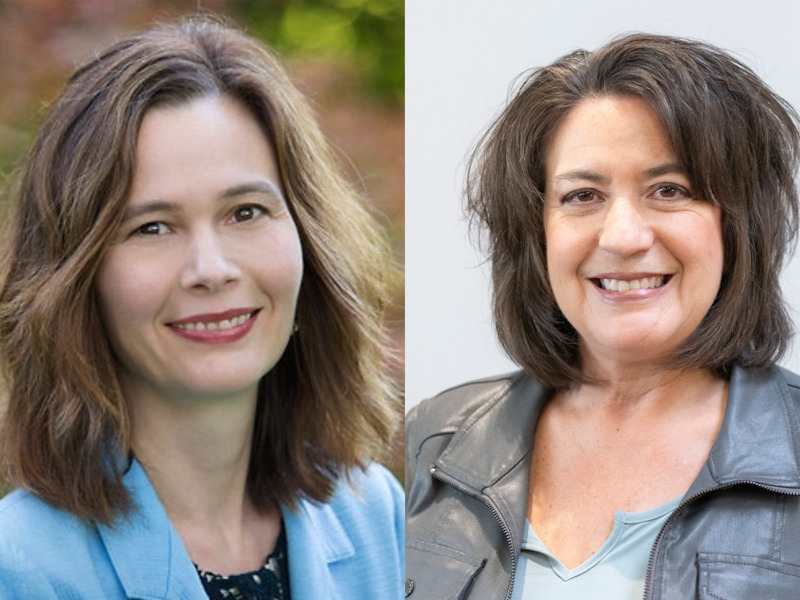
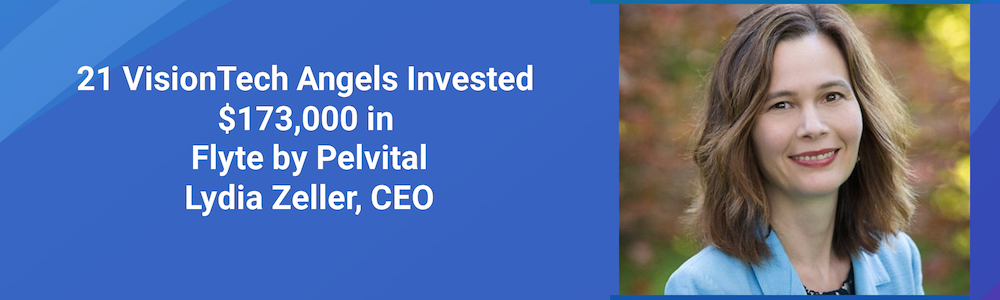
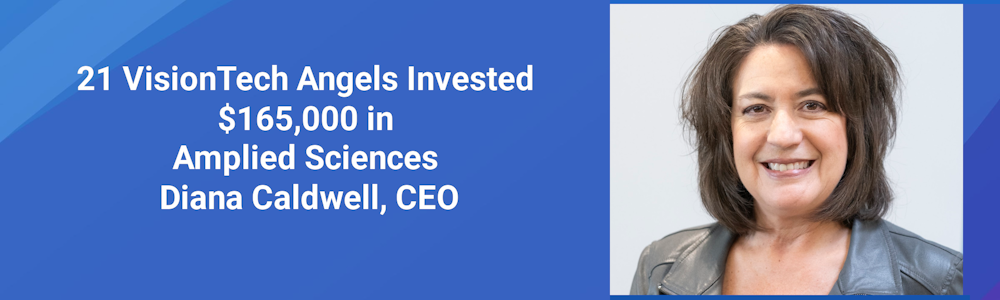
    Apparently, VisionTech Angels investors didn’t read the TechCrunch report as 45 wrote checks totaling $338,000 in two female-led startups, Pelvital led by CEO Lydia Zeller, and Amplified Sciences led by CEO Diana Caldwell. Pelvital raised $173,000 and Amplified Sciences $165,000 with VisionTech in seed rounds.

    VisionTech Angels has invested in four startups this year, three of which are led by women (Karen Wurster, CEO of Adipo Therapeutics, is the third). Executive Direct Ben Pidgeon is not surprised by his group bucking the trend and betting on female founders in 2023.

    “In each case, we have strong, proven, trailblazing female leaders in Lydia, Diana, and Karen with potentially transformative solutions in the life sciences market. They may be breaking barriers, but our members saw solid opportunities that are rewriting the code of innovation and invested in these companies and their leadership.”

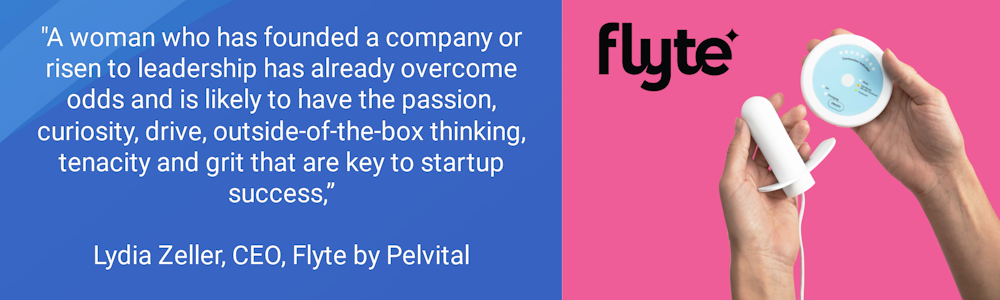
    Zeller, whose company Pelvital is commercializing a clinically proven medical device called Flyte that helps solve the embarrassing problem of female urinary incontinence, admits that female-led startups face unique challenges, some of it self-inflicted. Women tend to undervalue the perspective and expertise they bring to the table and struggle with pre-conceptions of what an entrepreneur looks like. She believes women need to flip the table on this thinking.

    “Our varied responsibilities across work and non-work domains help women leaders by necessity become adept at synthesizing nuanced information from multiple inputs and distilling it into key actionable insights. I rarely encounter a woman CEO who is hampered by overly linear thinking. They are open minded, curious, skilled at evaluating and mitigating risk, and unafraid to seek the diversity of perspectives that strengthens any decision-making process. A woman who has founded a company or risen to leadership has already overcome odds and is likely to have the passion, curiosity, drive, outside-of-the-box thinking, tenacity and grit that are key to startup success,” she says.

    Caldwell is no stranger to startups. She is the founder of Pearl Pathways, a life sciences consulting firm she led as CEO for nine years. Caldwell also has served as an entrepreneur in residence at the Purdue Research Foundation and on the boards of startups. Having advised hundreds of life sciences entrepreneurs, it comes as no surprise that she would join a well-respected Purdue researcher, V. Jo Davison, PhD, in co-founding Amplified Sciences. Based in West Lafayette, Amplified Sciences is a clinical stage diagnostics company focused on accurately detecting and preempting the risks of debilitating diseases.

    Having a male co-founder is proven to increase the odds of a female founder attracting capital. In 2022, startups with male and female co-founders secured 16.5% of venture capital compared to 1.9% women-only founders pulled in. Says Caldwell, “Clearly, there are more challenges in fundraising for female startups. There have even been well documented studies demonstrating that investors ask different kinds of questions of females when pitching. Specifically, men get asked questions about the potential for gains while women get asked about the potential for losses. “

    Caldwell, like Zeller, has not let these biases stop her or other female founders who are her colleagues. “I know many life sciences female founders who are rockstar builders of teams, incredibly creative when solving problems, know how to surround themselves with diverse teams AND listen to them, and are always planning ahead for plan b and c.  And when it comes to capital raises, perhaps we are more familiar with how much one can raise with ‘bake sales’ and therefore get really creative when fundraising,” she says. 

    Case in point, in early July, Amplified Sciences pursued and was awarded a SBIR grant worth approximately $400,000 to develop a test to determine if pancreatic cysts are benign or potentially malignant. Says Caldwell, “I’m extremely proud of our team for earning the SBIR award. This grant provides important non-dilutive funding that will help us achieve a number of milestones and help fund partnership with clinicians to access critical clinical samples.” 

    As for Zeller, Pelvital closed its seed round in July having raised $2.68 million. Boomerang Ventures led the round with participation from VisionTech Angels, Wisconsin Investment Partners, and Edward Bergmark, founder and former CEO of Optum. The infusion of capital was well timed. The company is preparing for the release of its next generation Flyte device in October that delivers an enhanced user experience and adds significant capabilities for clinical partners.

    “With our recent funding round, we expanded our commercial team, bringing in three leaders with outstanding experience across the clinical and payor ecosystem and are dedicated to improving women’s health. Our team is energized and keenly focused on expanding access to Flyte’s novel technology through contracts with health systems, payors, and virtual healthcare providers. It’s going to be an exciting and pivotal year for Flyte,” Zeller says.

    Pidgeon loves the energy VisionTech Angels’ women-led startups bring to the group’s investment portfolio. “We recognize that traditionally angel investing has been the realm of men. VisionTech Angels, however, has a history of investing in highly capable and high-performing female founders and CEOs—Shaily Baranwall of Elevate K12, Lindsay Watson of Augment Therapy and Haley Marie Keith of MITO Materials—to name a few.”

    He adds, “We’re excited to add Lydia, Diana, and Karen Wurster to our portfolio in 2023. It may be a down year elsewhere for investing in female-led startups, but that’s definitely not the case with VisionTech Angels.”

    If you are the founder or CEO of an early growth startup company, we invite you to learn more about VisionTech Angels and our investing process here. We welcome all comers! If you are an accredited investor who’d like to join a collegial, inclusive and active angel investing network, invest with us! Learn more about VisionTech Angels here.
  • 5 Reasons Startups Should Go Local, Return to Personal Banking Relationships

    5 Reasons Startups Should Go Local, Return to Personal Banking Relationships

    On Friday, March 10, 2023, Silicon Valley Bank (SVB), the flagship of the startup banking world, collapsed, causing the FDIC to take over the bank. The failure is the largest since 2008, and it caused a firestorm among customers, the startup and venture ecosystem, policy makers, and politicians. Fanning the flames were  media and social platforms, raising the bar on histrionics. It was no wonder that many people dreaded the Monday after. And yet SVB reopened on Monday under the control of the newly created Deposit Insurance National Bank of Santa Clara. Insured depositors with up to $250,000 in their accounts were able to access their money.

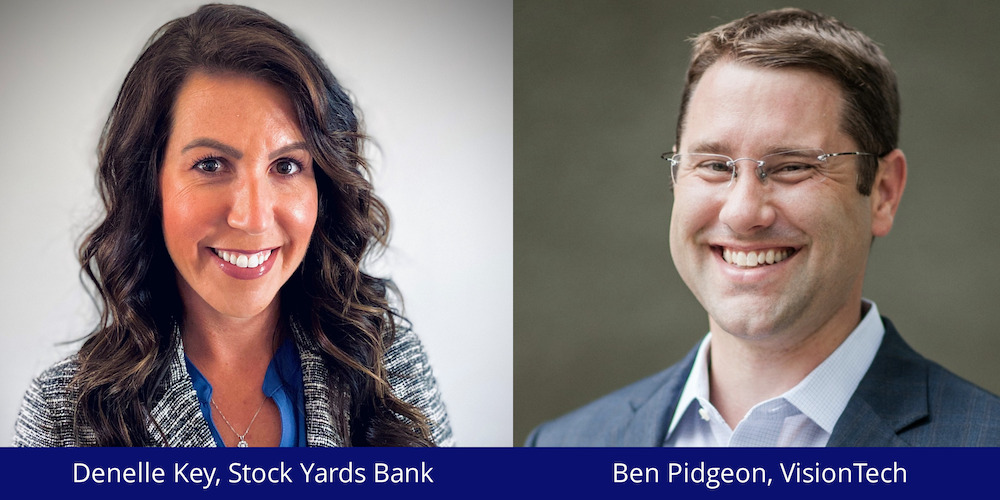
    So what next? Although the fallout from SVB’s failure is still unfolding, VisionTech turned to Stock Yard Bank’s Denelle Key for insight. She offered five reasons why startups should go local with their banking and return to personal banking relationships.  – Ben Pidgeon, VisionTech Executive Director

    BP: How are you handling Friday’s news of Silicon Valley Bank’s crash?
    DK: First off, this is nothing like the Lehman Brother collapse in 2008. My head is still spinning by how quickly SVB went into receivership. I think it’s the direct result of social media commentary, fearmongering and politicization that the FDIC felt it had to move quickly to avoid more devastating consequences. All weekend long I got calls from fearful bank customers and providing reassurance that Stock Yards Bank is sound, and their accounts are protected. Fortunately, the right people are stepping in to manage the immediate crisis of SVB and avoid the collapse of more banks.

    BP: You’ve pointed to the media’s role, but is there another big difference from the financial crisis of 2008?
    DK: Absolutely! There is a huge generational difference in how young startup founders and their teams – particularly those in the tech sector –  have approached banking and the financial side of their businesses. I call them debit card kids. They’ve never handled real money. They don’t see it or deal with it. And they don’t understand the basic fundamentals of banking. They rely solely on the convenience of the Internet and apps for banking services. Most have never stepped foot in a bank. With everything moving so fast in the digital world, it’s easy to lose track of banking and money basics. When a startup CEO has a problem, they head back online as they have no idea what it means to pick up a phone, call their banker and get a real, thoughtful answer from a knowledgeable banker.

    BP: You’re right about that. So what are the five reasons why startups should go local and return to personal banking relationships?
    DK: Reason One is Experience. When you work with a local community bank, you’re working with people who have years of experience advising businesses on the fundamentals of banking, lending and growth. Startups often don’t know what they might need from a banking perspective, and in this environment, the needs change often. Utilizing a small bank allows you to find someone who has working with startups, has experience in your industry, and can speak to the needs of your business. Oftentimes, a startup thinks they need to go to a national bank as they’re going to be doing business on a national or international scale. The reality is that local banks such as Stock Yards is no different than a Bank of America in terms of having the experienced people, products, and services needed to doing business around the world.

    BP: It seems like people automatically think large banks are too big to fail.
    DK: That’s the assumption. Which is why Reason Two is Security. You need to know that your bank, regardless of size, is sound. Take SVB. Its 40,000 customers are mostly tech companies; big companies alike Shopify, Teladoc and ZipRecruiter. They provided services to around half of all U.S. startups. So if you are a startup CEO, it was pretty safe to assume SVB was a good, secure choice. Now we know that wasn’t the case, but why would you think otherwise?

    A CEO of a startup or any other stage company should understand the strength of their bank and expect that their personal banker can speak to the bank’s performance. With a community bank, it’s more likely that you’ll find a well-capitalized, balanced bank with strong loan-to-deposit ratios. And if you don’t know why this is important to you as a startup, that’s okay! Ask questions! You want to ensure that your bank is sound, and your money is safe, as both are critical. You don’t want to come to work on Friday, looking forward to the weekend, and see your bank and accounts crashing.

    BP: We’ve kind of gotten away from relationships with our bankers. Is that a fair assessment?
    DK: That’s point three: We need to get back to connected relationships with our bankers. And I don’t mean connected in the LinkedIn sense. I mean pick up the phone, let’s have lunch, can you help me out here, I have a question kind of connection. Real relationships!

    Startups, regardless of the age of their founder or CEO, need more than just an ATM, the internet, a debit card, and mobile deposit. You may think that banking and the services they provide are commodities, and you can get by with a digital relationship. However, the last three years have taught us that a relationship with a bank will save your company when hard time happen. During the COVID-19 pandemic, Paycheck Protection Program (PPP) funds distributed through large banks took weeks and weeks to process. Many companies didn’t receive funds simply because they were pushed to the end of the line. Community banks like Stock Yard were able to quickly take care of our clients’ needs because every client had a relationship with their banker. No stone was left unturned by bankers to help their customers. People and their businesses matter. While banking online is convenient, it’s also faceless. And that’s a real problem when problems crop up. A chatbot won’t cut it.

    BP: It really get down to that human connection, right?
    DK: Yep, human connection. So reason four is the ability to communicate with a person, and to trust that person. When you have an engaged banker, someone you’re comfortable talking things over with, this person knows your business and is prepared to problem solve for you. Bankers want to know your business, so we understand where you came from and where you want to go. There’s also a big difference between an employee who works at a bank, and a banker that is a true advisor to your startup or business.  Your banker should also be accessible to you, and available to listen to your questions and issues.  Having one person to be able to contact to troubleshoot and also brainstorm is a huge asset to a business owner and help you through them. Your job as a business owner is to generate revenue, not spend your time managing customer service issues with a bank. You should be able to easily reach your banker and trust their counsel.

    BP: And the last reason to go local?
    DK: Personal service from a bank and banker with whom you have an open, honest connection. Find a bank that makes you feel comfortable as a client. Even better, find one that makes you happy and valued to be there! Providing outstanding service in all of the ways I’ve mentioned help create and build strong, engaged relationships. You should feel great about the service you are receiving from your bank, know and trust your banker, know they are interested in helping you succeed, and feel comfortable having them as an advisor to your business. If any of these items fall short, it’s time to consider a new bank!

    ABOUT STOCK YARDS BANK

    Stock Yards Bank’s impressive history began in 1904. Since then, Stock Yards Bank has earned a reputation for personal service, financial strength, and a commitment to the highest standards of business ethics. We have a full range of financial services to meet the needs of each of our customers, regardless of the size or complexity of their needs. We’ve built our business in the simplest and most straightforward way possible: one account at a time, relationship by relationship.

    Our mission statement calls for providing unsurpassed service to our customers and a great place to work for our employees. Our commitment to this philosophy is a key reason our parent company, Stock Yards Bancorp, a publicly traded company (NASDAQ:SYBT), has consistently ranked among the country’s top-performing community banks and recognized as one of the “Best Banks to Work For.” Learn more here.

  • Meet Our February Pitch Presenter: Dr. Evan Unger of NuvOx Pharma, Using Oxygen to Amplify Treatments

    Meet Our February Pitch Presenter: Dr. Evan Unger of NuvOx Pharma, Using Oxygen to Amplify Treatments

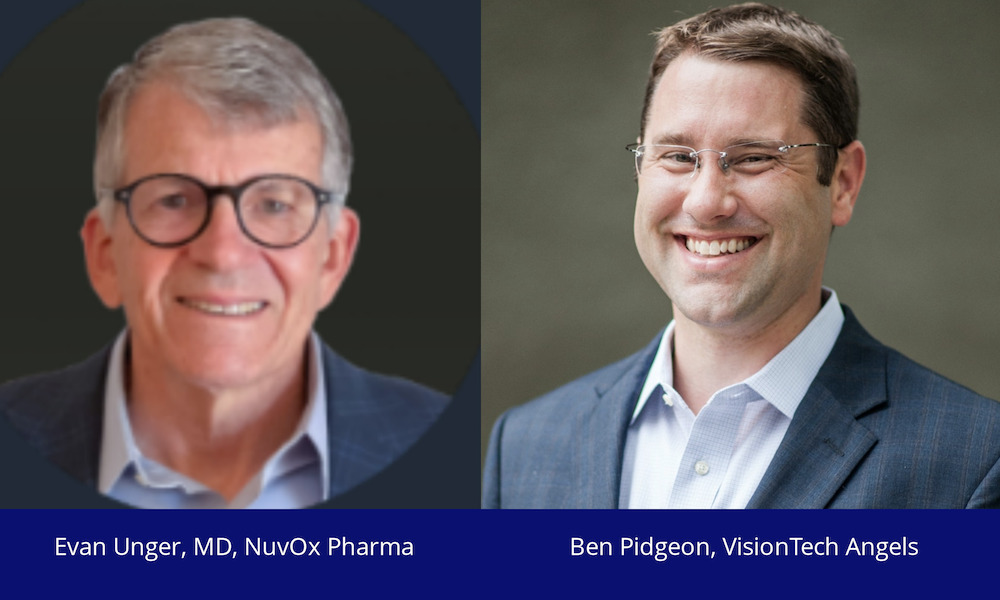
    I was introduced to Dr. Evan Unger by Mike Eckert of the NOLA Angel Network in New Orleans. Their group is syndicating an investment opportunity in NuvOx Pharma, a clinical stage pharmaceutical company developing a drug that significantly improves the flow of oxygen from lungs to blood and from blood to tissue. The drug has applications in treating cancer, stroke, acute respiratory distress syndrome, and other fatal diseases. I invited Evan to meet with the VisionTech Angels Screening Committee earlier this month. The group was impressed with NuvOx, its leadership team and board, traction, and the investment opportunity, and we invited him to present at our February 23rd virtual pitch events. Here’s a preview.

    BP: I went through your website and was very impressed by your team, starting with yourself.
    EU: I’ve been busy: board-certified radiologist and inventor; 30 years as a professor of radiology and bioengineering; have 120 issued patents; have founded four biotech companies, the first of which exited to DuPont at a 20x return; and now CEO, president and co-founder of NuvOx. My experience with startups helps me avoid the common pitfalls!

    Our leadership team is impressive. Rong Wang is our CFO/COO and is a very strong organizational leader . Prior to joining NuvOx, she was an executive in investor-backed companies and led multiple successful exits. She’s also worked for Fortune 500 companies such as Baxter International. Jennifer Johnson, PhD, is a co-founder and chief scientific officer of NuvOx. She has more than 20 years of deep R&D and regulatory experience, including tenure with Roche. Our skillsets are very complementary, and we form a high performing team.

    I can’t thank our board and scientific advisory members enough. We have physicians, a former Roche executive, biotech CEOs, and the former U.S. surgeon general, Richard Carmona. They provide comprehensive board governance structure, investor introductions, advice and more.

    BP: Explain the unmet need and how your solution, NanO2, addresses it.
    EU: The problem we’re solving is hypoxia, a state in which oxygen is not available in sufficient amounts at the tissue level to adequately maintain normal functions. This lack of oxygen is responsible for death or morbidities in cancer, stroke, heart attack, traumatic brain injury, acute respiratory distress syndrome (ARDS), and other diseases.

    Our solution is NanO2TM. It is a gas-based active pharmaceutical ingredient (API) that is nanobubble emulsified into liquids to reverse hypoxia in specific medical conditions via simple IV injection. It is designed for use primarily as an adjunct treatment that is synergistic with the standard of care and improves the effectiveness of the treatment. Here is an example. Glioblastoma, a malignant brain cancer, is typically treated with radiation and chemotherapy. Cancer tumors have low levels of oxygen, which makes them resistant to treatment. NanO2 is administered 30 to 60 minutes before chemoradiation to bring up the oxygen level in the tumor. This elevates the effectiveness of the therapy because the standard care, chemoradiation, needs the oxygen in the tumor to be effective. In our initial clinical trial, median survival increased by 40%.

    NanO2 can also be applied as an adjunct treatment for ischemic stroke. When it’s administered immediately after stroke in multiple doses, it provides the necessary oxygenation to preserve brain tissue (penumbra ) for about six hours. This exceeds typical door-to-needle treatment window of the American Heart Association, and significantly improved functional independence in our trial.

    BP: Where are you in terms of commercialization?
    EU: Our product has already been developed in formulation, and we are manufacturing it ourselves for upcoming clinical trials. We can easily scale up our manufacturing and at the appropriate time, engage a contract manufacturer. We’ve completed initial clinical trials for glioblastoma with good results and are preparing for a Phase IIb clinical trial for glioblastoma to start in Q1 2023. We have orphan drug status, giving us the advantage of speed to market in the $100 billion oncology market. A second Phase IIb trial in stroke will commence later in 2023. We seek to leverage our active and planned clinical programs with additional non dilutive funding.

    BP: You mention this is a platform technology. In addition to cancer and stroke, that other conditions can potentially be addressed by NanO2?
    EU: While we have clinical evidence in glioblastoma and stroke, we also have pre-clinical evidence in animal models and current or potential grant funding for immunotherapy, heart attack, sickle cell diseases, and ARDS. Other clinicians have suggested applications in wound care such as diabetic foot. There are so many possibilities to leverage our platform, but we remain focused on our clinical programs, so we’re not spreading ourselves too thin.

    BP: What kind of IP do you have?
    EU: We currently have eight patent families that includes seven U.S.-issued patents and their international equivalents that cover China, Europe, Canada, Australia, Japan, and Korea. We plan to file new patents for key excipient, which would give us an additional 20 years’ runway of protection.

    In terms of additional protection, we have two orphan drug designations with seven-year market exclusivity. Our drug is potentially regulated as a biologic, which, if we achieve this regulatory status, comes with 12-year market exclusivity. We have also protected our position with an exclusive supply agreement, control of our key ingredients and proprietary manufacturing know how.

    BP: What investment round is this?
    EU: This is a bridge round following a $10 million Series A. It’s worth noting we’ve been very successful in attracting $13 million in non dilutive funding from the National Institutes of Health, Department of Defense and other government funders.

    BP: What is your planned use of funds from this round?
    EU: We plan to use proceeds of the raise to fund our Phase IIb trials for glioblastoma, which begins enrolling patients very shortly. We also will start a Phase IIb trial for stroke in 2023. That clinical trial is being funded by the United Kingdom government.

    BP: Why should VisionTech Angels invest in your company? EU: We are addressing a massive market with an unmet need with a drug that has been substantially de-risked, has strong IP protection and a clear pathway to commercialization. We don’t have effective competitors in this field and are very capital efficient. A significant benefit for investors is we have secured more than $13 million in non-dilutive funding and are close to securing an additional $4 million. Finally, our leadership team, our board, and our scientific advisors have deep experience in all aspects of drug development and commercialization and have played a critical role in our success thus far.

    VisionTech Angels’ February Pitch Events will be virtual on Thursday, February 23 at Noon and at 6 p.m. ET. Pitch events are open to our members and accredited investors interested in joining our group. To register, check your email for an invitation, go to our Events page where you’ll find the RSVP links, or email Ben Pidgeon at bpidgeon@visiontech-partners.com