Author: Ben Pidgeon

  • As Money for Female-Led Startups Tightens, VisionTech Angels Invests Big in Two: Pelvital and Amplified Sciences

    As Money for Female-Led Startups Tightens, VisionTech Angels Invests Big in Two: Pelvital and Amplified Sciences

    Female founders reading a TechCrunch report in mid-July found little to smile about. The media outlet reported that startups with all female-led founders are struggling to raise capital in 2023, having picked up just $1.4 billion – 1.6% of allocated capital – in the first half of 2023. During the same period of 2022, all female-founded startups raised $3.1 billion, a drop of $1.7 billion in a year’s time.

    What gives? Part of it can be attributed to an overall slow-down in the venture market due to jitters in the economy. According to Pitchbook during bear markets, investments in women-led companies drops as fund managers seek “safe” investments, preferring male-led to female led startups.

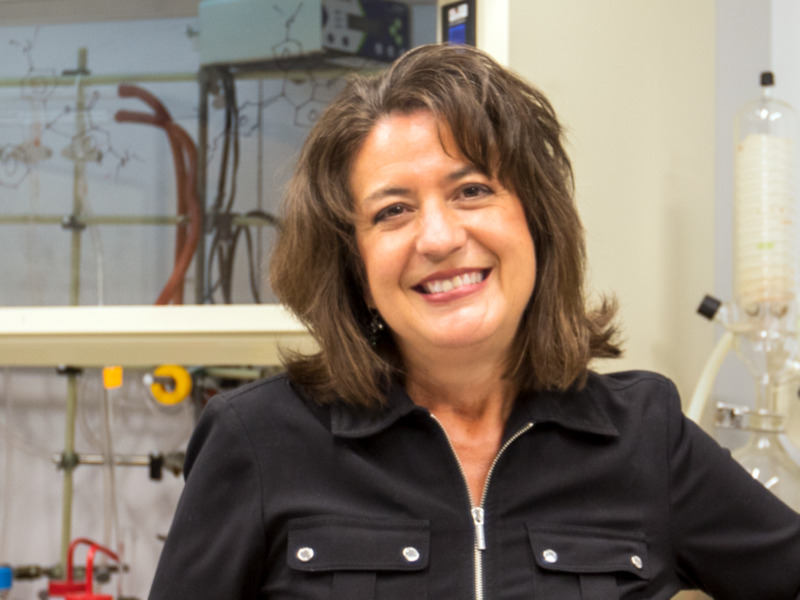
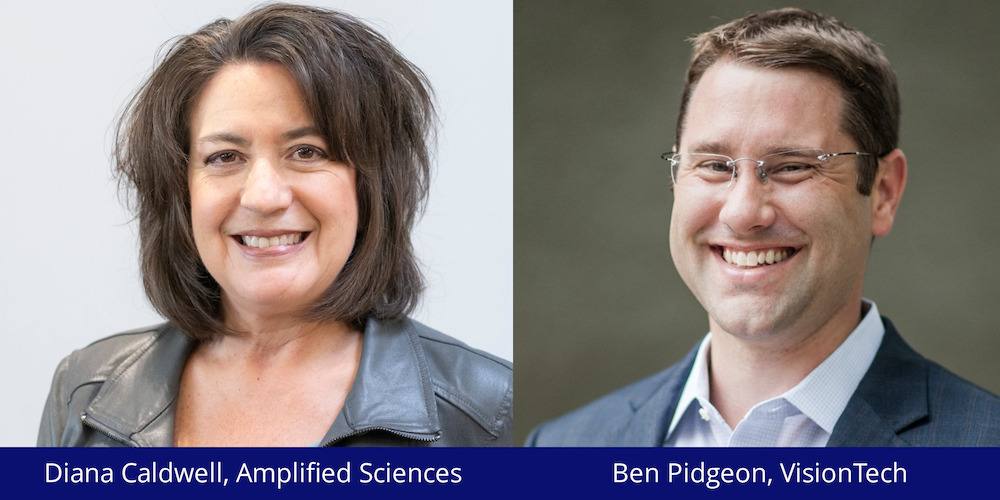
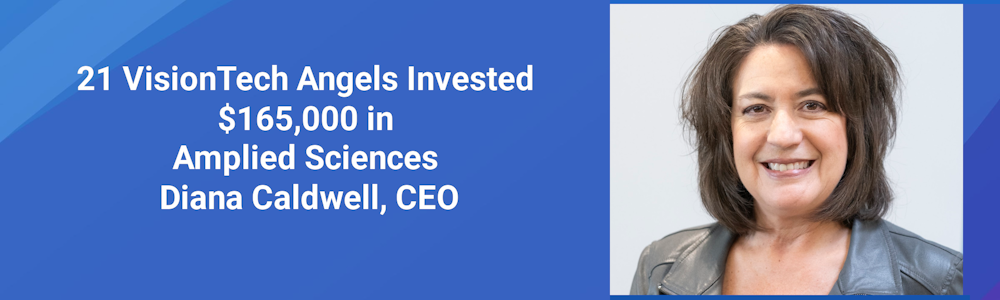
    Apparently, VisionTech Angels investors didn’t read the TechCrunch report as 45 wrote checks totaling $338,000 in two female-led startups, Pelvital led by CEO Lydia Zeller, and Amplified Sciences led by CEO Diana Caldwell. Pelvital raised $173,000 and Amplified Sciences $165,000 with VisionTech in seed rounds.
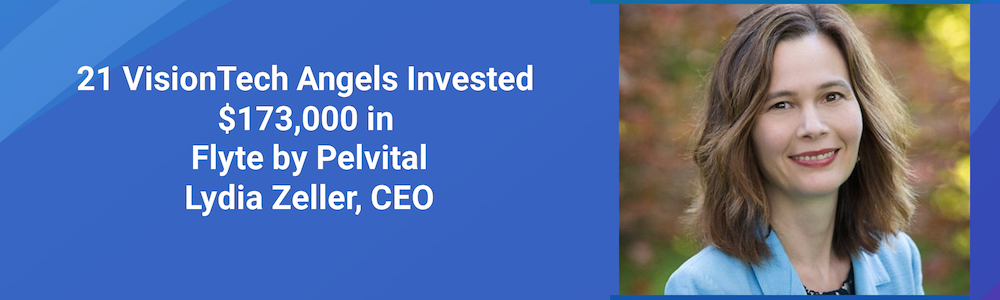
    VisionTech Angels has invested in four startups this year, three of which are led by women (Karen Wurster, CEO of Adipo Therapeutics, is the third). Executive Direct Ben Pidgeon is not surprised by his group bucking the trend and betting on female founders in 2023.

    “In each case, we have strong, proven, trailblazing female leaders in Lydia, Diana, and Karen with potentially transformative solutions in the life sciences market. They may be breaking barriers, but our members saw solid opportunities that are rewriting the code of innovation and invested in these companies and their leadership.”

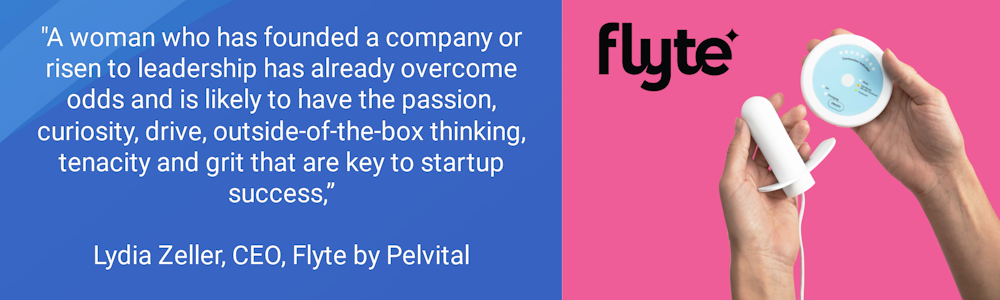
    Zeller, whose company Pelvital is commercializing a clinically proven medical device called Flyte that helps solve the embarrassing problem of female urinary incontinence, admits that female-led startups face unique challenges, some of it self-inflicted. Women tend to undervalue the perspective and expertise they bring to the table and struggle with pre-conceptions of what an entrepreneur looks like. She believes women need to flip the table on this thinking.

    “Our varied responsibilities across work and non-work domains help women leaders by necessity become adept at synthesizing nuanced information from multiple inputs and distilling it into key actionable insights. I rarely encounter a woman CEO who is hampered by overly linear thinking. They are open minded, curious, skilled at evaluating and mitigating risk, and unafraid to seek the diversity of perspectives that strengthens any decision-making process. A woman who has founded a company or risen to leadership has already overcome odds and is likely to have the passion, curiosity, drive, outside-of-the-box thinking, tenacity and grit that are key to startup success,” she says.

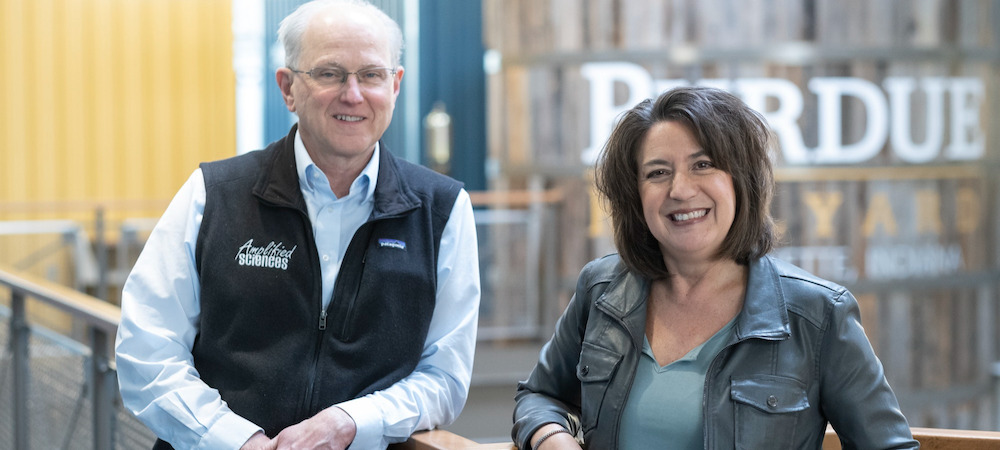
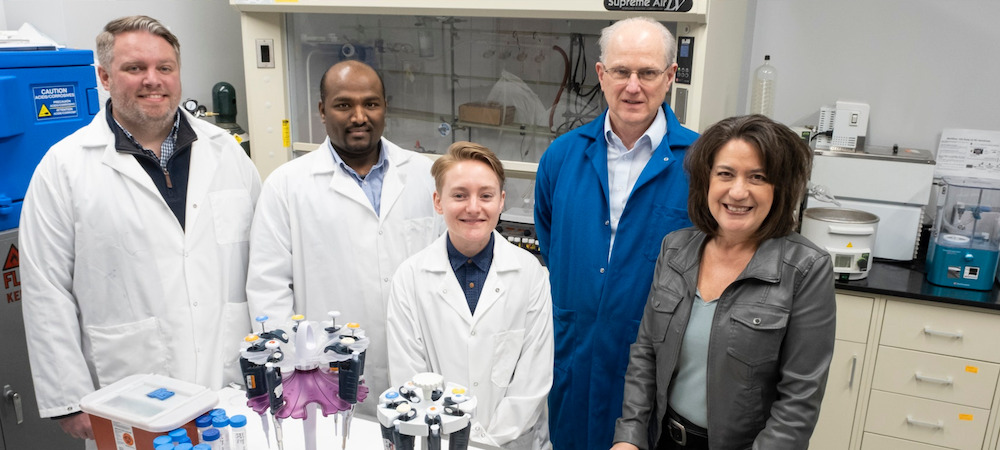
    Caldwell is no stranger to startups. She is the founder of Pearl Pathways, a life sciences consulting firm she led as CEO for nine years. Caldwell also has served as an entrepreneur in residence at the Purdue Research Foundation and on the boards of startups. Having advised hundreds of life sciences entrepreneurs, it comes as no surprise that she would join a well-respected Purdue researcher, V. Jo Davison, PhD, in co-founding Amplified Sciences. Based in West Lafayette, Amplified Sciences is a clinical stage diagnostics company focused on accurately detecting and preempting the risks of debilitating diseases.
    Having a male co-founder is proven to increase the odds of a female founder attracting capital. In 2022, startups with male and female co-founders secured 16.5% of venture capital compared to 1.9% women-only founders pulled in. Says Caldwell, “Clearly, there are more challenges in fundraising for female startups. There have even been well documented studies demonstrating that investors ask different kinds of questions of females when pitching. Specifically, men get asked questions about the potential for gains while women get asked about the potential for losses. “

    Caldwell, like Zeller, has not let these biases stop her or other female founders who are her colleagues. “I know many life sciences female founders who are rockstar builders of teams, incredibly creative when solving problems, know how to surround themselves with diverse teams AND listen to them, and are always planning ahead for plan b and c.  And when it comes to capital raises, perhaps we are more familiar with how much one can raise with ‘bake sales’ and therefore get really creative when fundraising,” she says. 

    Case in point, in early July, Amplified Sciences pursued and was awarded a SBIR grant worth approximately $400,000 to develop a test to determine if pancreatic cysts are benign or potentially malignant. Says Caldwell, “I’m extremely proud of our team for earning the SBIR award. This grant provides important non-dilutive funding that will help us achieve a number of milestones and help fund partnership with clinicians to access critical clinical samples.” 
    As for Zeller, Pelvital closed its seed round in July having raised $2.68 million. Boomerang Ventures led the round with participation from VisionTech Angels, Wisconsin Investment Partners, and Edward Bergmark, founder and former CEO of Optum. The infusion of capital was well timed. The company is preparing for the release of its next generation Flyte device in October that delivers an enhanced user experience and adds significant capabilities for clinical partners.

    “With our recent funding round, we expanded our commercial team, bringing in three leaders with outstanding experience across the clinical and payor ecosystem and are dedicated to improving women’s health. Our team is energized and keenly focused on expanding access to Flyte’s novel technology through contracts with health systems, payors, and virtual healthcare providers. It’s going to be an exciting and pivotal year for Flyte,” Zeller says.

    Pidgeon loves the energy VisionTech Angels’ women-led startups bring to the group’s investment portfolio. “We recognize that traditionally angel investing has been the realm of men. VisionTech Angels, however, has a history of investing in highly capable and high-performing female founders and CEOs—Shaily Baranwall of Elevate K12, Lindsay Watson of Augment Therapy and Haley Marie Keith of MITO Materials—to name a few.”

    He adds, “We’re excited to add Lydia, Diana, and Karen Wurster to our portfolio in 2023. It may be a down year elsewhere for investing in female-led startups, but that’s definitely not the case with VisionTech Angels.”

    If you are the founder or CEO of an early growth startup company, we invite you to learn more about VisionTech Angels and our investing process here. We welcome all comers! If you are an accredited investor who’d like to join a collegial, inclusive and active angel investing network, invest with us! Learn more about VisionTech Angels here.
  • Meet June Pitch Presenters Shane Bivens + Stuart Lowry of ArcticRx, Revolutionizing Refrigerated Shipping

    Meet June Pitch Presenters Shane Bivens + Stuart Lowry of ArcticRx, Revolutionizing Refrigerated Shipping

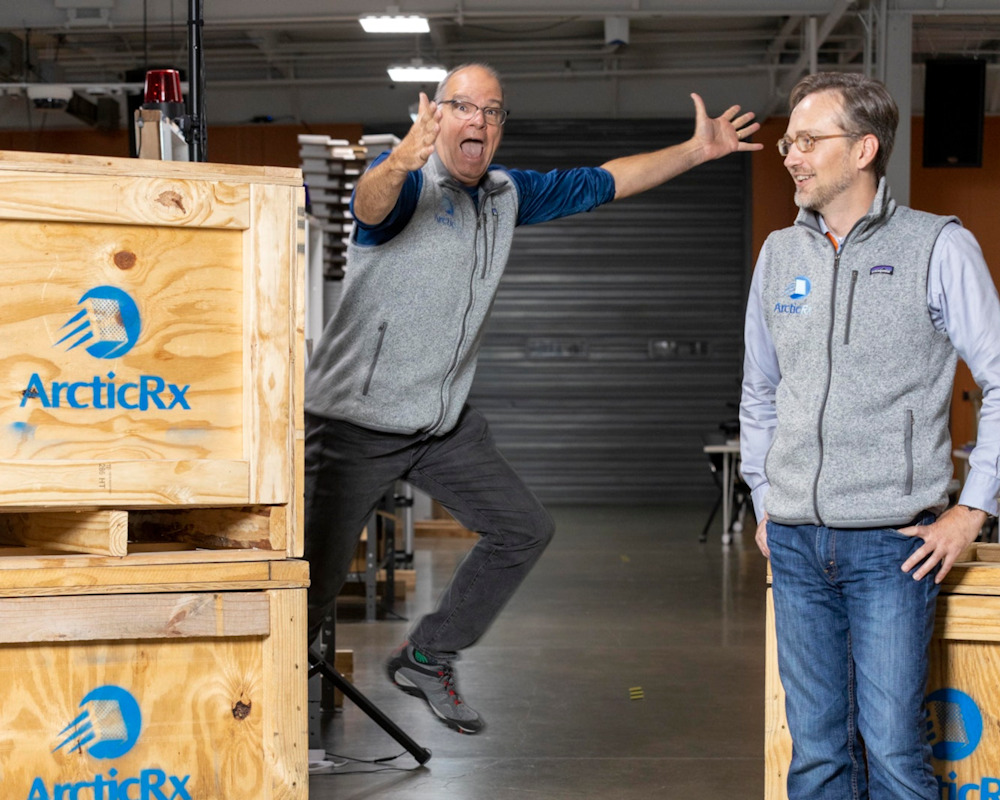
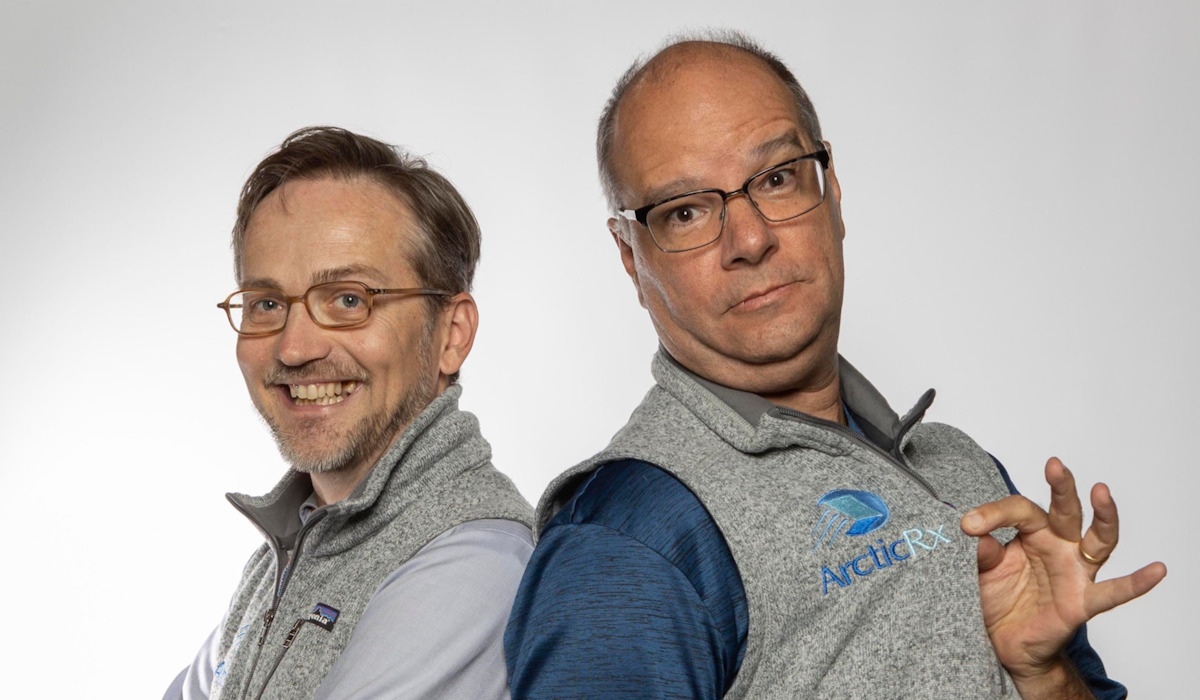
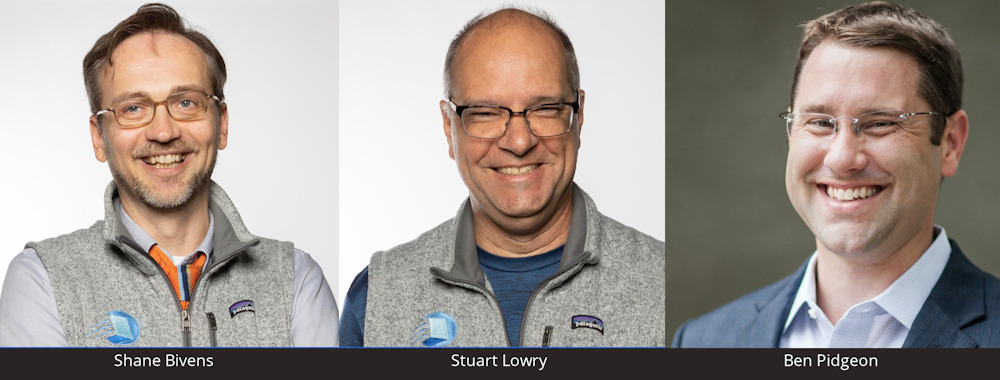
    While VisionTech Angels invests in companies from across the United States, we have a sweet spot for Indiana startups. So I was excited when Shane Bivens and Stuart Lowry of ArcticRx reached out to me about pitching to our investors. They had just won the 2023 Innovative Small Business of the Year Award from the Indiana Small Business Development Center and Indiana Economic Development Corporation (IEDC) for their ultra-low temperature transport technology. That definitely got my attention. When they shared details on market trends and unmet needs along with ArcticRx’s product-market fit and traction to date, I invited Shane and Stuart to meet with our Screening Committee. The group was impressed and invited them to present at our June 22nd pitch events. Here’s a preview.

    BP: How did you find out about VisionTech Angels?
    SB: When we started fundraising, we talked to a lot of people and your name kept coming up. “Talk to Ben” is something we heard a lot. When the stars aligned, we reached out to you and VisionTech Angels.

    BP: Tell me a little about yourselves and your background as entrepreneurs/startups.
    SB: I got my start in college when someone said, “You look like a guy who could build a website.” So I did. Since then, I’ve been involved in a number of startups and helped organizations scale.

    SL: I am a not-for-profit Thoroughbred. I’ve spent nearly all of my career working with non-profits and government agencies, including IEDC, Heartland Film and the Indianapolis Parks Department. I met Shane while working on a food equity concept and we just clicked. I’m a left brain-right brain kind of person and co-founding a disruptive startup like ArcticRx that can do so much good in the world made sense for me.

    BP: What’s the backstory on ArcticRx? You launched in 2020 while we were in the throes of the pandemic. Are the two related?
    SB: Stuart and I were originally focused on another startup product called ChefsFridge we launched in 2019. We were working on our technology, had investors and then COVID hit. There was an immediate need in the pharmaceutical industry for thermal shippers that could keep coronavirus vaccines at a very specific cold temperature from the date shipped until they reached the final destination. So we pivoted to what is now ArcticRx.  There was such an urgency for a solution due to the lack of good cold chain shipping options within the United States and across the world. This urgency caused companies to be more open to change, thus we found the perfect moment to bring ArcticRx to market.

    SL: You probably saw the headlines where hospital freezers were breaking, and they were scrambling to give the vaccines before they spoiled. In all of this insanity, Shane and I saw an opportunity to pivot to a new shipping container that could be used as both a shipping and storage container for highly temperature sensitive pharmaceuticals. It would help pharmaceutical companies and governments solve huge, costly issues domestically and create new health equity opportunities in other countries across the global, with a special focus on Africa.

    BP: You’ve created what you call “The World’s first Engineered Reusable Non-electrified 21-day ULT Transport and Storage Pod.” Explain.
    SB: First, I’d like to mention the annual growth rate of cold-chain dependent pharmaceuticals is twice that of shelf-stable medications. So it’s a significant market opportunity. But the other side of the equation is current options don’t cut it in terms of performance, energy use and sustainability.

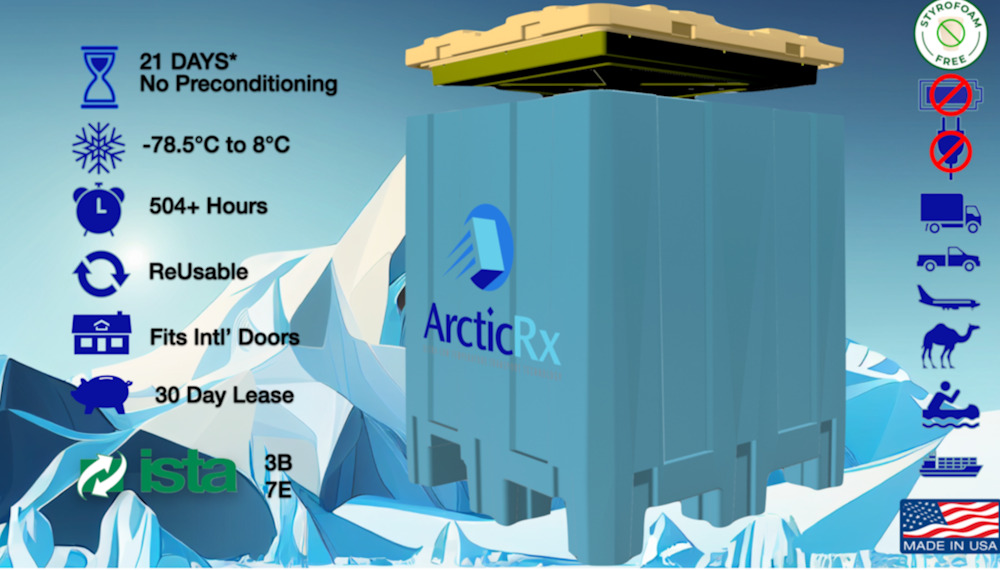
    Our shippers are rugged and capable of protecting temperature-sensitive products for more than 21 days of shipping and storage without a battery or other external energy source. They are made with a durable plastic shell, are Styrofoam free, reusable, stackable for ease of shipping, and lightweight. They can be moved by hand if needed. And we’ve created our technology by tapping into the wealth of expertise found right here in Indiana such as thermal engineering, aerospace and the defense industry, and smart manufacturing.

    BP: What role does sustainability play?
    SL: This is definitely a key driver of our strategy. People hate Styrofoam because it’s not recyclable and yet it’s used everywhere to ship products requiring refrigeration. Based on our meta-analysis, a massive number of current thermal shippers  will be regulated out of the market in the next five years because of Styrofoam and other sustainability goals. 

    SB: Sustainability is integral to ArcticRx. Many cold chain shipping containers are single-use disposables with a large carbon footprint. There’s a lot of waste and expense in shipping containers and frankly people are tired of it. Our products are specifically designed for reusability and for multi-year use. Ideally, they’d be used for two-way shipping. We envision they will  be sent to one destination with one product and returned  with another. Another plus is our containers do not require a battery or other energy source nor do they need to be transported in refrigerated trucks, saving fuel and lowering carbon footprints.

    BP: How is your solution different from others on the market?
    SB: We like to say our shippers are not an evolution of current technology, but a revolution because we are redefining the category. They’re sustainable, reusable, more affordable than current options,  and lastly, stay fully refrigerated for 21 days without a power source.

    SL: There is nothing else like it on the market in the passive transport space.

    BP: Is it transferable to other industries besides pharmaceuticals?
    SB: We’re focused on pharmaceuticals which require cold storage now, but definitely the technology can be leveraged across health care for transporting a wide range of products such as blood bags or organs for transplant. ArcticRx will be ideal for  relief efforts, war fighter support, medical supplies, and perishable foods.

    BP: What kind of intellectual property protection do you have?
    SL:We have a patent attorney and have completed our freedom to operate analysis and have the green light to apply for patents. Our patent searches showed that we’re free and clear. In fact, our attorney says we’re in rare air as we don’t have any redesign or rework changes.  

    BP: Where are you in terms of commercialization?
    SB: We have been very mindful in our development as a company. Since October 2020, we’ve had three distinct phases: engineering, prototyping  and contract manufacturer identification, and now sales and marketing. All of our prototypes have been built, tested, and proven so now we’re in the market and having client discovery conversations. We have  a number of proposals with defense contacts, global companies and contacts in key African countries. We’ll get into more specifics during  our pitch.

    SL: It’s a really exciting time! When we get on calls with people—and that includes Indiana companies, other U.S. companies, hospitals, global departments of defense, UNICEF, and many foreign entities—there’s a lot of excitement about what we’re doing. The lead procurement director at UNICEF and others in our conversations have said,  “Wow! You’re going to change the world.” They see the possibilities.  

    BP: What is your revenue model?
    SB: Our plan is to do long-term leasing to logistics companies with terms of one, three and five years. It’s a common approach in logistics where companies maintain “pools” of reusable packaging that are then leased to companies shipping various products. We will also work with companies on custom applications where we are the “white glove service” for their product packaging and delivery.

    BP: What round is this?
    SB: This is our seed round and our goal is to raise at least $800,000.

    BP: What is your planned use of funds?
    SL: It’s pretty straight forward. We want to quicken our speed to market and that means hiring key people, field testing with potential customers who are anxious to get started, and finally having the capital for manufacturing and warehousing expenses. Right now it’s only Shane and I—which has been great by the way—but we’re at the point where it’s time to move faster and prepare to scale. We’re excited about the field trials and seeing how our products perform with the customers’ products and in their supply chains.

    BP: Give me three reasons why VisionTech Angels members should invest.
    SL: First, we’ve taken the best of Indiana—its manufacturing resources, tech talent, and pharmaceutical companies that will benefit from our products—and created a company that’s ready to take off in a high-end market. We have multiple runways for diversification. Second, we’re a very collaborative company. We always give before we get. Third, we have strong connections within global defense departments and have done technology demonstrations with several military branches that can benefit from our technology. Our first hires will be military veterans. We’re one of the only companies in the state that is part of the U.S. Department of Defense SkillBridge Program that incentivizes veteran hires.

    SB: I’ve got another reason.

    BP: Sure!
    SB: We have Indiana’s superpower in spades. We get things done!

    BP: Thanks guys! Looking forward to your pitch on June 22.

    VisionTech Angels’ Pitch Events will be virtual on Thursday, June 22 at Noon and live at 6 p.m. ET at KSM at 800 E 96th St #500, Indianapolis. Pitch events are open to our members and accredited investors interested in joining our group. To register, check your email for an invitation, go to our Events page where you’ll find the RSVP links, or email Ben Pidgeon at bpidgeon@visiontech-partners.com.

  • Meet June Pitch Presenters Wade Lange + Dave Skibinski of FiberX, a New Spin on a Hoosier Staple

    Meet June Pitch Presenters Wade Lange + Dave Skibinski of FiberX, a New Spin on a Hoosier Staple

    I’ve known Wade Lange for many years, mainly through his past role as vice president and chief entrepreneurial officer at the Purdue Research Foundation. Like me, Wade grew up in West Lafayette and went to Purdue. He went off to a career at Lilly and later with a series of biotech startups before landing at Purdue. He is now the co-founder of FiberX with Dave Skibinski, an Indiana University grad and former team manager for famed IU coach Bobby Knight. I’m sure Dave’s got some stories! The two serial entrepreneurs have teamed up with FiberX, which is converting the familiar ag waste product, corn stover, into bio-based industrial products that are sustainable alternatives to petroleum-based products. I invited Dave and Wade to meet with the VisionTech Angels Screening Committee in May. The group was impressed with FiberX, its novel approach to the need for sustainable biopolymers and invited them to present at our June 22nd virtual pitch events. Here’s a preview.

    (L to R) Wade Lange, Dave Skibinski, Ben Pidgeon

    BP: How do you know VisionTech Angels?
    WL: I go way back with VisionTech, maybe even before you were Stepstone Partners because of my relationship with Oscar Moralez. We were both involved in biotech companies and with Purdue, so our paths crossed often. When you joined VisionTech, I leaned on you to come speak to faculty and student entrepreneurs at the Purdue Research Foundation

     BP: How do you two guys, graduates of huge rivals, IU and Purdue, know each other?
    DS: I wish I could say we met at a basketball game in Bloomington, but that’s not the case! The real story is Wade tried to recruit me to Purdue in 2021 when he was the chief entrepreneur officer at the Purdue Research Foundation. He thought I would make a great entrepreneur-in-residence based on my background in medical technology and with a startup I’d co-founded called SnapMD, which was at the forefront of telemedicine. We exited in early 2021 and I needed a new challenge. While I turned Wade down on the residency, we ended up launching a new venture together, FiberX.

    BP: How’d you pull that off, Wade?
    WL: Working at Purdue I was exposed to some incredible faculty and their technologies. One of them was Jim Caruthers, a chemical engineering professor who has dedicated his career to polymer science. He’d developed technology to convert biomass such as corn stover into “green” adhesives for engineered wood products. When Dave mentioned he wanted to start another company, I introduced him to Jim. Dave saw the potential immediately. After much discussion, we decided to co-found FiberX. Dave is the CEO focused on building the business and our core capabilities angle, while I’m chief commercial officer and boots on the ground here in Indiana.

    BP: What exactly is corn stover?
    DS: I can’t believe you’re from Indiana and don’t know what corn stover is, Ben! Corn stover is the stalks, husks, leaves, and cobs that remain after field corn is harvested. While some is used to feed livestock and as bedding, the bulk of it is not commercially used. In many cases, farmers leave it in the field to degrade to help control soil erosion and to return nutrients such as nitrogen, potassium and phosphorus to the soil when they plow the stover back into the soil. Corn stover is the world’s and Indiana’s largest agricultural waste product.

    BP: What unmet need are you solving?
    WL:  We’re solving problems on both sides of the coin. Farmers have taken a beating these last few years. Their input costs are up, commodity pricing for corn is down, and they’re always battling Mother Nature for a good crop. Corn stover is FiberX’s raw material. By purchasing this byproduct following the corn harvest, we’re creating a new revenue stream for farmers. Talking with many Indiana farmers, we know that they are open to selling stover if the economics work out because their high corn yields are producing tremendous amounts of stover.

    The other side of the coin are the industrial markets that are interested in replacing petroleum-based adhesives and plastics with environmentally friendly biomaterials that have the same if not better performance characteristics. We’re  bioindustrial resins and biocomposite plastics with sustainable corn stover as a feedstock rather than petroleum. With our resins, we’re also eliminating the use of formaldehyde as a curing agent. Although widely used in the production of plywood, other manufactured board and resins as well as cosmetics and medicines, formaldehyde is highly toxic, flammable at room temperature, and can be a cause of lung disease and cancer. So for manufacturers, eliminating the need for formaldehyde removes a potential safety and health hazard.

    BP: The push to replace petrochemical-based adhesives and plastics is a global movement. What is your initial target?
    DS: It absolutely is. Global companies that use plastics in their products or packaging have clear, and in many cases, aggressive sustainability goals regarding plastics. This includes recycling, reusing, reducing the amount of plastic used, reducing the amount of petroleum used to manufacture those products, and ultimately replacing plastics with renewable biomaterials. The demand for alternatives is there. However, the biomaterials market is in its infancy. There are products on the market and in aggressive testing with corporate partners.

    We have three different product categories we’re focused on, with increasing product value. First up and the fastest route to market entry is processed corn stover, which is added to synthetic or natural plastics to create biocomposite plastics. Next are intermediate products, lignin and cellulose, which are used as sustainable ingredients if you will for many products, including packaging. Finally, we have our proprietary formulations, the adhesive resins for composite wood products that include flooring, furniture, sheathing, and cabinets that are made from composite and engineered wood products rather than solid wood. For example, La-Z-Boy upholstered furniture is made with composite woods as is much of the furniture from IKEA and Target for example.

    BP: How is your material different from other biopolymers already on the market?
    WL: The big difference is our raw material, corn stover. It’s plentiful and an agricultural waste product versus corn, soybeans, and wood pulp that are also used in biopolymers, but are all primary market products. Currently, there’s only one marketed non-petroleum adhesive resin. It does not meet customer requirements and it’s really expensive. We want to step up quickly with a sustainable resin that works.

    BP: What is your total addressable market?
    DS:  The total addressable market for green chemicals and materials globally is projected to reach $229 billion by 2030. The global market for our initial products, adhesive resins, is $8 billion.

    BP: What kind of intellectual property protection do you have?
    WL: We have an exclusive option from Purdue to license five pieces of intellectual property that cover the manufacturing processes for the adhesive resin. Our plan is to exercise the options in the second  half of this year. We will also have numerous trade secrets as every product formulation we create will be unique to its target use case.

    BO: Where are you in terms of commercialization?
    WL: From the supply side, we’re building relationships with farmers and agronomists and also working with farmer-owned cooperatives in the Midwest to build the raw material supply chain. Some are ready to start right away, and others want to wait and see, which is common regardless of the industry.

    DS: We’ve achieved our proof of concepts on our stover processing and have produced product prototypes. We are in discussions with several of the largest lumber and engineered wood companies in North America that are looking for sustainable resins and materials that won’t compromise performance but will help meet sustainability objectives. We have a terrific project with Purdue this summer with our resin, and the early results are very exciting. We have also completed our proof-of-concepts for our biocomposite plastic product line. We are now conducting iterative product development to refine these product formulations. Our goal with  these biocomposite plastics is to replace 40% of petrochemical-based plastics. This is a win for global companies as it reduces their reliance on traditional plastics and helps them reach their sustainability goals.

    BP: What round is this?
    DS: This is a $500,000 pre-seed round.

    BP: What is your planned use of funds?
    DS: The primary uses are to build and refine our stover processing and supply chain, produce sample resin and boards to take to the engineered wood industry, and finally, produce samples of biocomposite plastics to take out to a variety of industries committed to reducing their use of traditional plastics.

    BP: Give me three reasons why VisionTech Angels members should invest.
    WL: FiberX is creating an entirely new industry for Indiana and has a huge market opportunity with a short-term path to revenue. Second, we’re leveraging Indiana’s strengths in agriculture and manufacturing. Finally, we have an exceptionally strong team including two serial entrepreneurs with experience and multiple exits in hard tech, our CTO Tom Santelli who has led technology and product development at the largest board manufacturers, a multi-generational Indiana farming family, and a tremendous team at the Purdue School of Chemical Engineering

    DS: Plus, we’re leveraging the industrial manufacturing and rural farming assets of Indiana. And there’s the whole IU-Purdue thing.  Something for everyone who likes to support Indiana companies.

    BP: Thanks guys! This sounds like a great pitch and opportunity.

    VisionTech Angels’ Pitch Events will be virtual on Thursday, June 22 at Noon and live at 6 p.m. ET at KSM at 800 E 96th St #500, Indianapolis. Pitch events are open to our members and accredited investors interested in joining our group. To register, check your email for an invitation, go to our Events page where you’ll find the RSVP links, or email Ben Pidgeon at bpidgeon@visiontech-partners.com.

  • VisionTech Angels Invest $196,500 in NuvOx Therapeutics

    VisionTech Angels Invest $196,500 in NuvOx Therapeutics

    Tucson, Arizona-based clinical stage biotechnology company developing a first-in-class
    therapeutic that uses oxygen to amplify treatment of life-threatening diseases.

    VisionTech Angels, among the Midwest’s most active angel investing networks, has invested $196,500 in NuvOx Therapeutics Inc. (NuvOx), with 27 individual members participating in a bridge round following a $10.4 million Series A. NuvOx has also succeeded in attracting $14 million in non-dilutive funding from the National Institutes of Health, Department of Defense and other government funders. NuvOx is VisionTech Angels’ 65th portfolio company.

    Headquartered in Tucson, Arizona, NuvOx is a clinical stage biotechnology company developing a first-in-class oxygen therapeutic to treat life-threatening diseases where hypoxia, a condition in which there is a decrease in the oxygen supply to a tissue, plays a role. The company’s lead drug candidate, NanO2TM , represents a disruptive platform technology addressing multiple high unmet needs, and demonstrates great progress in improving the flow of oxygen from lungs to blood and from blood to tissue, which can amplify the effectiveness of treatment. Over 30 animal studies have shown therapeutic effect in seven different indications. Positive clinical efficacy is demonstrated in two completed Phase Ib/IIa studies: glioblastoma multiforme (brain cancer) as a radiosensitizer and stroke as a neuroprotectant. NuvOx has commenced its Phase IIb glioblastoma multiforme trial in United States and is preparing for two additional clinical trials in late 2023.

    VisionTech Angels’ Executive Director Ben Pidgeon says the groups investors are impressed by NuvOx’s potential as well as the track record of company co-founder and CEO, Evan Unger, MD. “Investing in biotech companies is a long game for investors because of time needed for development and clearing regulatory hurdles. NuvOx is well-positioned. They are addressing a massive market with an unmet need with a drug that has been substantially de-risked, has strong patent protection and a clear pathway to commercialization.”

    Adds Pidgeon, “We also have great confidence in Dr. Unger, his leadership team and advisory board. He has an impressive background in the startup world and in medicine. He’s founded four biotech companies, successfully exiting two. His first company, ImaRx Pharmaceutical, developed three FDA-approved drugs and was acquired by DuPont, yielding a 20X return on investment. His second company, ImaRx Therapeutics, went public, and NuvOx, shows great promise. Dr. Unger is an inventor on more than 120 U.S. patents, a board-certified radiologist and Professor Emeritus of Medical Imaging at the University of Arizona.”

    About VisionTech
    Founded in 2009, VisionTech is a privately held company that links investors to high-potential, early-growth companies. Based in Indianapolis, VisionTech’s angel investing network includes more than 130 active members across Indiana and Ohio. As of November 2022, 175 VisionTech member investors have deployed more than $24.8 million in capital, investing in 65 portfolio companies from across the United States. Membership is open to accredited investors. Those interested in joining are encouraged to contact VisionTech.

    About NuvOx Pharma, Inc.
    NuvOx is a privately held Phase IIb company developing a novel oxygen therapeutic where hypoxia plays a role. Hypoxia, or low oxygen, is responsible for resistance to cancer treatment, brain damage in stroke, and the death of COVID-19 patients with acute respiratory distress syndrome (ARDS). The Company’s lead drug, NanO2TM, represents a disruptive platform technology addressing multiple highly unmet needs, with positive clinical efficacy demonstrated in two completed Phase Ib/IIa studies: glioblastoma multiforme as a radiosensitizer and stroke as a neuroprotectant. It was shown to be the most effective oxygen therapeutic among 74 clinical-stage compounds. It has safety and efficacy data in more than seven indications in various clinical stages, including Orphan Drug Designation for both glioblastoma multiforme and sickle cell disease. The product was derived from Dr. Evan Unger’s pioneering work in microbubbles, which was commercialized as the number one selling contract agent. As such, it has safety data in more than 2,000 subjects. The product is designed to be synergistic, rather than competitive with, standard of care. For additional information, visit website.

  • Meet April Pitch Presenter Paul Couston of Ascent Integrated Tech, Sparking Tech-Fueled Change in Fire Fighting

    Meet April Pitch Presenter Paul Couston of Ascent Integrated Tech, Sparking Tech-Fueled Change in Fire Fighting

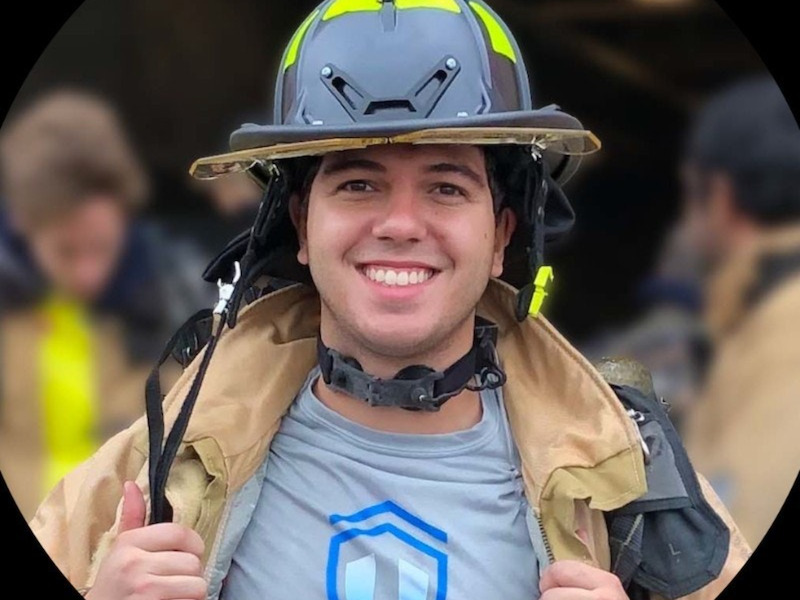
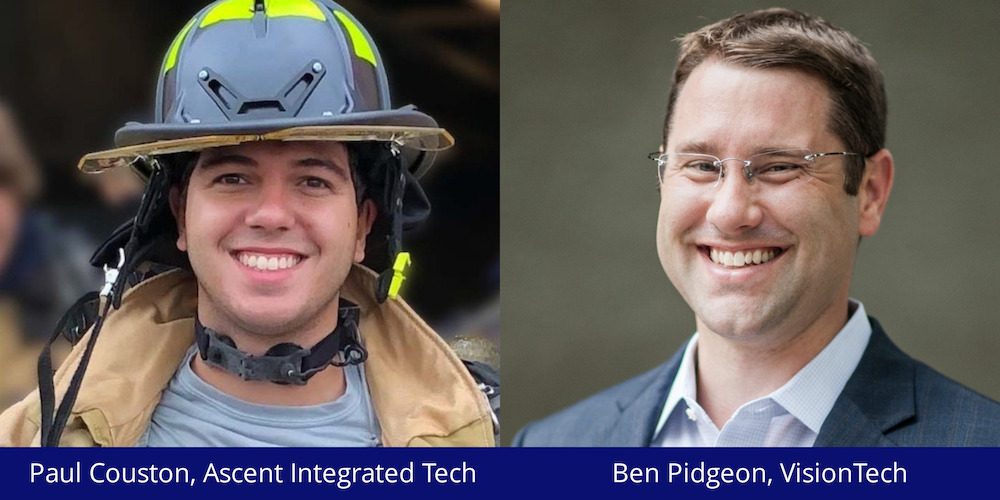
    I met Paul Couston through Jonathan Ellis of Sandalphan Capital who had nothing but praise for the CEO and co-founder of Ascent Integrated Tech. Just two years out of the University of Illinois Urbana-Champaign, he’s already a seasoned CEO with two startups under his belt and an alumna of Techstars Chicago (2018). Paul and his co-founder, Alex Gorsuch, are tackling a hot industry, firefighting, with a platform tech solution that gives commanders more oversight and control over firefights as well as the health and safety of firefighters. The VisionTech Screening Committee and I invited Paul to present at our April 27 virtual pitch events. Here’s a preview of Ascent’s technology, progress to date and details on the round.

    BP: Tell me a little about yourself. Is this your first startup?
    PC: No. I actually started my first venture, Optivolt Labs, while at the University of Illinois. Optivolt builds micro-solar technology that allows for self-charging phone cases, e-scooters, sensors, satellites, and commercial drones. I took some time off from school to participate with Optivolt in Techstars Chicago in 2018. This led to us making incredible contacts in Chicago’s venture ecosystem, raising millions in venture capital, employing a full team of engineers in Silicon Valley, and building deployable solar generators for the U.S. Air Force and the 21st Space Wing. I stepped back from Optivolt in 2020 and returned to the University of Illinois to finish my degree. I’m a shareholder in Optivolt and they’re doing well.

    BP: What’s the backstory on Ascent Integrated Technology? What “sparked” your interest in firefighting? How did you connect with your co-founder?
    PC: Alex and I met while serving as mentors with the University of Illinois I-Venture Accelerator for students. We both had previous startups, were both looking for our next company, and knowing this, people said, “You need to meet the Viking.” The Viking being Alex, who has a commanding presence, an impressive beard, makes mead, and is a fearless entrepreneur. We met and had a lot in common based on experiences with our past startups.

    Unlike other founders who have direct experience in their industry, neither Alex nor I have a background in firefighting. We kind of stumbled into the fire service and the fire service accepted us with open arms. What’s interesting is firefighting is steeped in tradition and reliant on knowledge gained across decades yet is still very open to new technology. The number one objective is to keep the team safe and pass down their knowledge. Going in, we quickly realized our mission was not to fundamentally change firefighting. Instead, we are augmenting traditions, processes, and knowledge with technology that enables optimal management of fire events and the health and safety of firefighting teams.

    BP: What are the unmet needs in firefighting? How did you validate product-market fit?
    PC: Firefighting for the most part has been very traditional and reactive to what firefighters find on the ground at a fire. For example, when firefighters arrive on scene, they conduct a 360-degree assessment on foot around the fire’s perimeter. So valuable time is lost between dispatch and arrival. Incident commanders typically set up a large whiteboard on site at the fire and manually track people and resources. While this may work on smaller fire events, it’s impractical for large industrial or disaster events when multiple fire companies and hundreds of firefighters and other responders are involved. There’s also a wealth of past history battling all kinds of fires. We wanted to determine the best way to tap into this knowledge so it can be leveraged in the future on our platform.

    In 2022, we conducted exhaustive customer discovery interviews with some 1,900 fire departments from across the United States. Our goal was to collect operational insights, pain points, current tactics and processes, and get reactions to the solution we envisioned. Common feedback we got was how revolutionary it would be to have the ability to monitor firefighters’ locations in real time – before, during and after a fire event. There was tremendous excitement among those we talked to. The insights we gained have been critical to product development. We continue to work with a number of highly engaged fire stations around the country to fine tune our solution.

    BP: Explain briefly how your solution works.
    Ascent is a unifying platform for incident command that allows the commander to better plan and manage tasks, monitor the health and location of firefighters, and capture data about each fire event to support future firefighter training and response. The core goal is to allow for localization of firefighters to help achieve safe, positive outcomes.

    When a fire alarm goes off and the incident command has the address of the fire, our platform has a web-scraping tool that pulls data from Zillow, Redfin, Apartments.com, Google Street View, and other sites to get approximate floor plans and even construction materials so they have a good assessment of what to expect and can start pre-planning. Once onsite, the firefighters wear an Ascent module on their helmets and an Ascent wristband health monitor. The helmet module enables incident commanders to confirm a structure’s floor plan, monitor movements and other data points of firefighters in real time. It’s extremely accurate, determining within three feet of where each firefighter is. The helmet module also allows us to build a heat map and have better insights into how the fire is behaving.

    The module and the wristband also give the commander insights into the toxicity of the fire, a firefighter’s movements, heart rate, and other data points that lets them know if individuals are succumbing to heat or smoke inhalation. Firefighters continue to wear the wrist band health monitor post fire to make sure heart rates are returning to normal as heart attacks are the number one cause of firefighting-related deaths. Here’s a video with more detail.

    BP: Explain your two customer categories and why each is important.
    PC: We have two customer categories, civilian and military markets, each with an incredible need for our technology. Civilian firefighters are the municipal services we see in communities across America. The U.S. Department of Defense (DoD), and specifically AFWERX, a program of the U.S. Air Force that fosters innovation, has a lot of funding available to improve firefighting technology. The DoD funds these projects because of the dual use by the military and civilians. The advantage of DoD contracts is the funding is non dilutive plus what we learn and develop is applicable to both markets.

    We just got some big news from AFWERX that we have been awarded $2.5 million from U.S. Air Force fire response and are now pursuing a dollar-to-dollar match up to 15 million. We’ve been working on this for 18 months and just got confirmation!

    BP: That is great news! Congratulations.
    PC: Pretty happy about it.

    BP: Do you have any competitors?
    PC: There are definitely others doing software for firefighters, including major manufacturers like Motorola and Scott. Given we’re all trying to replace technology developed during the Vietnam War, there is a lot of room for improvement. At this point, the space if very fragmented and companies are addressing niches within firefighting. Our objective is to be the Google of the firefighting industry with the central operating system for firefighters. With this in mind, the best path forward may include licensing to other companies or partnering with manufacturers on a universal platform.

    BP: What is your total addressable market?
    PC: Being early stage, we are initially focused on U.S. civilian firefighting departments and Air Force firefighters as our beachhead. This on its own is a $557 million market. When fully deployed globally, we’re looking at a $50 billion market. This includes expanding those using our solution beyond firefighters to SWAT teams, special forces, HAZMAT operators, and professions working in confined spaces.

    BP: What’s your revenue model?
    PC: It’s a recurring revenue model with pricing based on a per firefighter basis of $1,000 per year. We are looking at an average contract length of 10 years. So a 50-person department would generate $500,000 in gross revenue over 10 years. The equipment cost is included in year one.

    BP: Where are you in terms of commercialization?
    PC: Last year was focused entirely on customer discovery and product development. We also closed a $1.6 million Pre-Seed Round and secured $700,000 in U.S. Department of Defense contracts. In 2023, our priorities are on piloting the product, continuing to build upon our defense contracts and securing pre-orders among fire departments. So far this year, we’ve booked $2.8 million in defense contracts and have $2.7 million in pre-orders from 24 fire departments in five states.

    BP: What kind of intellectual property protection do you have?
    PC: We have four global patents pending. It’s not about the helmet or the sensors, but how the system acts as a whole that is patentable.

    BP: What round is this?
    PC: Some people call this a bridge round, but we’re calling it our priced financing round. The goal is to quickly raise $1 million. We have about $700,000 in commitments, which leaves about $300,000 for VisionTech and the other angel investors who have expressed interest. The round is going to close by May 19, so we’re moving fast and may oversubscribe slightly.

    BP: What is your planned use of funds?
    PC: Let me tell you what we’re not using these funds for first. We are not using equity dollars to finance the product. Instead, we’re using the funds from this round to hire specific senior level engineers, clean up our cap table, and extend our runway to and prep for our Series A.

    BP: Give me three reasons why VisionTech Angels members should invest.
    PC: First, this really is about the bigger mission of protecting the health and safety of firefighters and becoming the global platform for firefighting technology. Second, we have an unfair advantage in how to secure non-dilutive funding. I don’t know too many startup founders that have $15 million in non-dilutive funding like we have with the STRATFI funding through AFWERX. This is an incredible war chest for R&D and commercialization. Third, Government contracts have a long sales cycle and are very hard to get, but once you have them, they range from three to ten years and are very sticky. It is not fun, but we know how to get them.

    VisionTech Angels’ April Pitch Events will be virtual on Thursday, April 27 at Noon and at 6 p.m. ET. Pitch events are open to our members and accredited investors interested in joining our group. To register, check your email for an invitation, go to our Events page where you’ll find the RSVP links, or email Ben Pidgeon at bpidgeon@visiontech-partners.com

  • Meet Our April Pitch Presenter: Diana Caldwell of Amplified Sciences, Amplifying Trace Enzymes for Earlier Diagnosis

    Meet Our April Pitch Presenter: Diana Caldwell of Amplified Sciences, Amplifying Trace Enzymes for Earlier Diagnosis

    I first met Diana Caldwell when she was the co-founder and CEO of Pearl Pathways. Pearl was among VisionTech’s corporate sponsors and an invaluable commercialization resource for our life sciences portfolio companies. It didn’t take long for Diana to become a member of VisionTech Angels, giving us deep bench strength as a subject matter expert in drug development and FDA regulatory paths. When she co-founded a new diagnostics startup with pancreatic cancer as its first target, Amplified Science, I was eager to learn more. Pancreatic cancer is the third most deadly cancer, killing 74 of 100 patients within a year of diagnosis, largely because it is rarely discovered early enough to treat successfully. I invited Diana to meet with the VisionTech Angels Screening Committee earlier this month. The group was impressed with Amplified Sciences, its novel technology, progress to date, and invited her to present at our April 27 virtual pitch events. Here’s a preview.

    BP: Tell me a little about yourself. Is this your first startup?
    DC: This is actually my second startup. I was also a co-founder of Pearl Pathways. After earning an MBA at the IU Kelley School of Business, I joined Lilly where I held commercial and cross functional roles for the next 16 years. Lilly really gave me a broad foundation of experience in leadership and developing teams in the biotech space. Eventually, a desire to be an entrepreneur and get back into product development for unmet clinical needs brought me to the startup space.

    BP: What’s the backstory on Amplified Sciences? How did you connect with your co-founder, Dr. V. Jo Davisson?
    DC: I was working at the Purdue Foundry as an entrepreneur-in-resident, helping a half a dozen startups and shopping for IP for my next startup. While I was there, I met Jo,  a Purdue faculty member and biochemist with 30 years of experience in drug and diagnostic discovery and development. He had invented a chemistry reagent platform for the early detection of debilitating diseases, had founded the company, and was looking for a CEO with deep business experience. For the next nine months we had the opportunity to work alongside each other—Purdue has this great knack of pairing entrepreneurs with scientists! In the summer of 2019, I became a co-founder and CEO with Jo as our CSO, and we got to work. 

    BP: What is your product and how is it different?

    DC: Our lead product is a diagnostic reagent for accurately detecting a biomarker that is an indicator of potential malignancy for pancreatic cancer.  Amplified Sciences’ chemistry reagent platform is a suite of patented reporter dyes that amplify biomarker signals. What’s novel about our technology is the ability to detect indicators of disease at a much lower concentration – up to 10,000 times improved limits of detection – than comparable technologies.  Our ultrasensitive dye probes work particularly well when there is a low abundance of the target biomarker and when there is a low volume sample involved. These features are important when you’re working with low volume samples such as with a cyst or when a disease is in its very early stages.

    BP: Let’s discuss your lead assay, PanCystProTM. Why pancreatic cancer? Where are you in its development?
    DC: We chose pancreatic cancer for our lead assay for several reasons. First, because of the deadly nature of the disease—roughly three out of four patients are dead within a year of diagnosis—and the unmet medical need for early-stage diagnostics to help increase survival rates. Pancreatic cancer is a “silent cancer” in that symptoms don’t show up until late stage if they show up at all. By then it’s too late to treat effectively. Early detection is the only way to significantly change outcomes.

    Here’s an example for you. Supreme Court Justice Ruth Bader Ginsburg had colon cancer. It was caught early, and she survived. Later, when she was undergoing a full body scan, an early-stage cyst was found on her pancreas. She was treated with a surgical removal of that cyst, and survived for years. It was only by chance that her pancreatic cancer was found when still treatable.

    Why is it so hard to find? For one thing, the pancreas is deep within the body, behind the stomach, so it’s hard to see in imaging. Most of these cysts are found by imaging incidentally meaning they are found in a cat scan or MRI when doctors are looking for something else .

    Our PanCystPro™ assays test the fluid from these cysts, which are very small so fluid sample sizes are small. This works in our favor because of the ability of our technology to operate with very small sample volumes. Our initial PanCystPro assay is a minimal sample assay for protease biomarkers and is a “rule out” test to determine if the cyst is benign. At +90% sensitivity and specificity, it is more accurate than competing tests.

    We have additional assays in this disease state in development.  I’d also like to mention that we were just awarded a Phase 1 SBIR grant of $400,000 from the National Cancer Institute. This will help accelerate development of our second assay for pancreatic cancer. The award validates the huge clinical need for this test.

    BP: Where are you in development?

    DC: We are making steady progress. The PanCystPro test has been used in clinical samples and is ready for translation to a clinical lab and to enter the regulatory process. Our team, which includes three Ph.D. scientists, is set to expand soon. Research and development on additional assays are underway and this includes active institutional review board (IRBs) studies with three premier research universities.

    BP: What is your total addressable market?
    DC: The in-vitro diagnostics market is huge, about $88 billion. For initial market entry, we are focusing on the pancreatic cancer diagnostic market, which is $2.2 billion including imaging. Drilling down to our real value proposition, more accurate diagnosis of patients with pancreatic cysts, the market is $300 million with a potential market share of $80 million. Pancreatic cancer in-vitro diagnostics is just the start so keep in mind, this is a platform technology that will be leveraged to other disease states.

    BP: What kind of intellectual property protection do you have?
    DC: We have a suite of global composition of matter patents exclusively licensed from Purdue. We are adding patents on our individual products.

    BP: What round is this?

    DC: This is our Series Seed Preferred Round. We completed a previous Series Seed convertible note round in early 2021, raising $1.78 million. In this round, our goal is to raise $3-3.5 million. We have two co-leads, Elevate Ventures and OCA Ventures, that have done their due diligence. They, alongside two other venture firms, closed $1.5 million in Wave 1 of the open round on March 3, 2023. We’d like to raise another $1.5 to $2 million so there’s still plenty of room for VisionTech Angels.

    BP: What is your planned use of funds?
    DC:  The largest portion will be directed to research and development on two additional assays, followed by CLIA regulatory approval, targeted launch with key opinion leaders, clinical utility and trials, sales and marketing, and capital equipment.

    BP: Give me three reasons why VisionTech Angels members should invest.
    DC: First, this is an opportunity to help us build a great diagnostics company focused on earlier, mor accurate detection starting with pancreatic cancer. Second, others believe we are up to the challenge. We already have two respected investors leading the round, Elevate Ventures and OCA Ventures, both of which have invested in diagnostics companies in the past and are familiar with the space. Third, we are a clinical stage company making measurable progress and are planning our commercial launch by end of year. I’m going to sneak in a fourth: we have identified multiple paths to exit and are working hard on the milestones needed for a near term exit.

    VisionTech Angels’ April Pitch Events will be virtual on Thursday, April 27 at Noon and at 6 p.m. ET. Pitch events are open to our members and accredited investors interested in joining our group. To register, check your email for an invitation, go to our Events page where you’ll find the RSVP links, or email Ben Pidgeon at bpidgeon@visiontech-partners.com

  • VisionTech Angels Invest $242,000 in Indiana-Based Adipo Therapeutics

    VisionTech Angels Invest $242,000 in Indiana-Based Adipo Therapeutics

    INDIANAPOLIS, Indiana (April 11, 2023) – – VisionTech Angels, among the Midwest’s most active angel investing networks, has invested $242,000 in Adipo Therapeutics, with 29 individual members participating in the round. With the investment, Adipo has closed its seed round, raising $2.8 million with participation from VisionTech Angels, Purdue Ventures, Elevate Ventures, IU Ventures, Racine Medical Angels, and other angel investors.

    Adipo, a pre-clinical stage company seeking to transform treatment of type 2 diabetes and obesity, was founded in 2016 by Meng Deng, Ph.D., an associate professor of Agricultural and Biological Engineering, Biomedical Engineering, and Materials Engineering at Purdue University. Adipo’s breakthrough technology stems from Deng’s strong commitment and interdisciplinary collaboration in the development of biomaterials-based translational technologies for cellular and regenerative engineering. The company is led by CEO Karen Wurster, who spent 25 years with Eli Lilly developing, launching and commercializing blockbuster diabetes treatments prior to joining Adipo in 2020.

    Adipo’s novel method of action seeks to fundamentally transform how type 2 diabetes and obesity are managed by changing energy-storing white fat cells into energy-burning brown fat cells. The metamorphosis of adipose tissue through browning has the potential to use the body’s own physiology to increase energy expenditure, reduce adiposity and improve insulin resistance.

    Commenting on the announcement, VisionTech Executive Director Ben Pidgeon said the group’s investors were impressed by the enormity of the technology’s human impact and market potential in reversing serious conditions that have reached epidemic proportions in the United States and globally. “By 2025, 37 million American will be diagnosed with type 2 diabetes while 64 percent of the U.S. population will be either overweight or obese. Both conditions often lead to complications that include heart disease, stroke, blindness, and death. Adipo’s goal to use the body’s fat to reverse course and help people live healthier lives would be a tremendous breakthrough.”

    He added, “Adipo is initially targeting a segment of the U.S. type 2 diabetes treatment market that involves injections and is estimated at $1.7 billion. The platform technology can potentially be leveraged to treat obesity and other metabolic disorders, significantly increasing market value.”

    Adipo is VisionTech Angels’ 63rd portfolio company and the first of 2023. Wurster is pleased with the strong support her company has received from VisionTech and other Indiana-based venture groups, which helps advance a much-needed solution for people living with type 2 diabetes. “I am thrilled to be leading a team to realize the potential of this groundbreaking science to improve the treatment of millions of people suffering with type 2 diabetes and obesity. We are appreciative of the support we have received as an Indiana startup from VisionTech, Elevate Ventures, IU Ventures, and Purdue Foundry and look forward to moving our product to the next phase of development.”

    Adipo is using the funds to continue to de-risk their technology, while preparing for a Series A fundraising round that is anticipated to begin later this year.

    About VisionTech
    Founded in 2009, VisionTech is a privately held company that links investors to high-potential, early-growth companies. Based in Indianapolis, VisionTech’s angel investing network includes more than 130 active members across Indiana and Ohio. As of November 2022, 175 VisionTech member investors have deployed more than $24.8 million in capital, investing in 63 portfolio companies from across the United States. Membership is open to accredited investors. Those interested in joining are encouraged to contact VisionTech.

    About Adipo Therapeutics
    Founded in 2016, Adipo Therapeutics LLC, is a privately held biotech company focused on localized conversion of energy-storing white fat to energy-burning brown fat for the treatment of obesity and type 2 diabetes. Adipo’s lead product, ADPO-002-NP, is in pre-clinical development.  For additional information, visit our website.

  • VisionTech Angels Invest $190,000 in Seneca Therapeutics Follow-on Round

    VisionTech Angels Invest $190,000 in Seneca Therapeutics Follow-on Round

    INDIANAPOLIS, Indiana (March 21, 2023) – – VisionTech Angels, among the Midwest’s most active angel investing networks, has invested $190,000 in Seneca Therapeutics with 16 members participating in the follow-on round. With the investment, Seneca has raised $2.8 million to date in its bridge round, with Keiretsu Capital leading the round and participation from VisionTech Angels and multiple other angel investors.

    Seneca, based in Blue Bell, Pennsylvania, is a clinical stage biopharmaceutical company focused on developing novel immunotherapeutics and derivatives for difficult to treat solid cancers. Their first candidate is an oncolytic immunotherapeutic called Seneca Valley Virus (SVV) that eliminates tumor cells in which it can replicate. In October 2022, the company received FDA clearance to begin a Phase I/II clinical study utilizing Seneca Valley Virus (SVV-001) in combination with a checkpoint inhibitor in 2023.

    VisionTech Angels made its first investment in Seneca in 2021 when 34 investors wrote checks totaling $327,500. The group’s total investment in the biopharmaceutical company is $517,500.

    Commenting on the announcement, VisionTech Executive Director Ben Pidgeon said, “VisionTech Angels is excited to continue to support our portfolio company Seneca. Their novel therapy of oncolytic viruses has the potential to identify and treat immunotherapy-resistant tumors. The management team has met several milestones after our initial investment, a significant one was FDA approval of a Phase I/II study. The first oncolytic virus as therapy—Imlygic, now owned by Amgen—was approved in 2015, and there have been recent successes with Replimune, CG Oncology and Tilt. The oncolytic virus immunotherapy market is an exciting space with an expected compound annual growth rate of 12 percent through 2029.”

    Seneca CEO James Hussey said he is pleased with the strong support his company has received from VisionTech across two rounds of investment. “VisionTech has been a great investor and supporter of Seneca Therapeutics over the last few years. They are one of the premier angel groups in the United States and we are excited to partner with them on this follow-on round.”

    About VisionTech

    Founded in 2009, VisionTech is a privately held company that links investors to high-potential, early-growth companies. Based in Indianapolis, VisionTech’s angel investing network includes more than 130 active members across Indiana and Ohio. As of March 15, 2022, 200 VisionTech Angels member investors have deployed more than $27.5 million in capital, investing in 63 portfolio companies from across the United States. Membership is open to accredited investors. Those interested in joining are encouraged to contact VisionTech.

    About Seneca Therapeutics, Inc.
    Seneca Therapeutics was founded to capitalize on the profound tumor specificity of SVV and further the development of SVV-001 in several upcoming clinical trials and the creation and testing of armed derivatives selectively expressing gene product(s) that are inserted into the genome of SVV-001 that create additional anti-tumor effects. Learn more.

    CONTACT: Melanie Lux at Melanie@Lux-writes.com or 803-331-4794

  • 5 Reasons Startups Should Go Local, Return to Personal Banking Relationships

    5 Reasons Startups Should Go Local, Return to Personal Banking Relationships

    On Friday, March 10, 2023, Silicon Valley Bank (SVB), the flagship of the startup banking world, collapsed, causing the FDIC to take over the bank. The failure is the largest since 2008, and it caused a firestorm among customers, the startup and venture ecosystem, policy makers, and politicians. Fanning the flames were  media and social platforms, raising the bar on histrionics. It was no wonder that many people dreaded the Monday after. And yet SVB reopened on Monday under the control of the newly created Deposit Insurance National Bank of Santa Clara. Insured depositors with up to $250,000 in their accounts were able to access their money.

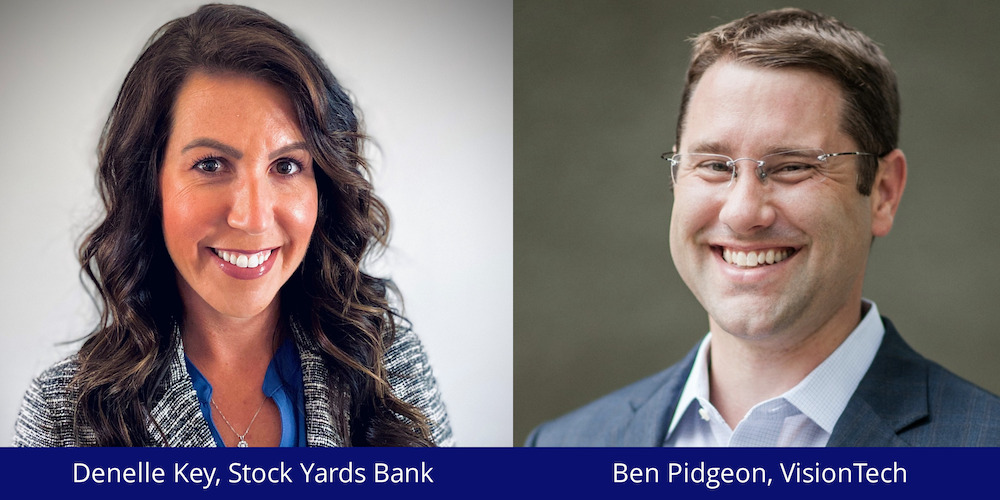
    So what next? Although the fallout from SVB’s failure is still unfolding, VisionTech turned to Stock Yard Bank’s Denelle Key for insight. She offered five reasons why startups should go local with their banking and return to personal banking relationships.  – Ben Pidgeon, VisionTech Executive Director

    BP: How are you handling Friday’s news of Silicon Valley Bank’s crash?
    DK: First off, this is nothing like the Lehman Brother collapse in 2008. My head is still spinning by how quickly SVB went into receivership. I think it’s the direct result of social media commentary, fearmongering and politicization that the FDIC felt it had to move quickly to avoid more devastating consequences. All weekend long I got calls from fearful bank customers and providing reassurance that Stock Yards Bank is sound, and their accounts are protected. Fortunately, the right people are stepping in to manage the immediate crisis of SVB and avoid the collapse of more banks.

    BP: You’ve pointed to the media’s role, but is there another big difference from the financial crisis of 2008?
    DK: Absolutely! There is a huge generational difference in how young startup founders and their teams – particularly those in the tech sector –  have approached banking and the financial side of their businesses. I call them debit card kids. They’ve never handled real money. They don’t see it or deal with it. And they don’t understand the basic fundamentals of banking. They rely solely on the convenience of the Internet and apps for banking services. Most have never stepped foot in a bank. With everything moving so fast in the digital world, it’s easy to lose track of banking and money basics. When a startup CEO has a problem, they head back online as they have no idea what it means to pick up a phone, call their banker and get a real, thoughtful answer from a knowledgeable banker.

    BP: You’re right about that. So what are the five reasons why startups should go local and return to personal banking relationships?
    DK: Reason One is Experience. When you work with a local community bank, you’re working with people who have years of experience advising businesses on the fundamentals of banking, lending and growth. Startups often don’t know what they might need from a banking perspective, and in this environment, the needs change often. Utilizing a small bank allows you to find someone who has working with startups, has experience in your industry, and can speak to the needs of your business. Oftentimes, a startup thinks they need to go to a national bank as they’re going to be doing business on a national or international scale. The reality is that local banks such as Stock Yards is no different than a Bank of America in terms of having the experienced people, products, and services needed to doing business around the world.

    BP: It seems like people automatically think large banks are too big to fail.
    DK: That’s the assumption. Which is why Reason Two is Security. You need to know that your bank, regardless of size, is sound. Take SVB. Its 40,000 customers are mostly tech companies; big companies alike Shopify, Teladoc and ZipRecruiter. They provided services to around half of all U.S. startups. So if you are a startup CEO, it was pretty safe to assume SVB was a good, secure choice. Now we know that wasn’t the case, but why would you think otherwise?

    A CEO of a startup or any other stage company should understand the strength of their bank and expect that their personal banker can speak to the bank’s performance. With a community bank, it’s more likely that you’ll find a well-capitalized, balanced bank with strong loan-to-deposit ratios. And if you don’t know why this is important to you as a startup, that’s okay! Ask questions! You want to ensure that your bank is sound, and your money is safe, as both are critical. You don’t want to come to work on Friday, looking forward to the weekend, and see your bank and accounts crashing.

    BP: We’ve kind of gotten away from relationships with our bankers. Is that a fair assessment?
    DK: That’s point three: We need to get back to connected relationships with our bankers. And I don’t mean connected in the LinkedIn sense. I mean pick up the phone, let’s have lunch, can you help me out here, I have a question kind of connection. Real relationships!

    Startups, regardless of the age of their founder or CEO, need more than just an ATM, the internet, a debit card, and mobile deposit. You may think that banking and the services they provide are commodities, and you can get by with a digital relationship. However, the last three years have taught us that a relationship with a bank will save your company when hard time happen. During the COVID-19 pandemic, Paycheck Protection Program (PPP) funds distributed through large banks took weeks and weeks to process. Many companies didn’t receive funds simply because they were pushed to the end of the line. Community banks like Stock Yard were able to quickly take care of our clients’ needs because every client had a relationship with their banker. No stone was left unturned by bankers to help their customers. People and their businesses matter. While banking online is convenient, it’s also faceless. And that’s a real problem when problems crop up. A chatbot won’t cut it.

    BP: It really get down to that human connection, right?
    DK: Yep, human connection. So reason four is the ability to communicate with a person, and to trust that person. When you have an engaged banker, someone you’re comfortable talking things over with, this person knows your business and is prepared to problem solve for you. Bankers want to know your business, so we understand where you came from and where you want to go. There’s also a big difference between an employee who works at a bank, and a banker that is a true advisor to your startup or business.  Your banker should also be accessible to you, and available to listen to your questions and issues.  Having one person to be able to contact to troubleshoot and also brainstorm is a huge asset to a business owner and help you through them. Your job as a business owner is to generate revenue, not spend your time managing customer service issues with a bank. You should be able to easily reach your banker and trust their counsel.

    BP: And the last reason to go local?
    DK: Personal service from a bank and banker with whom you have an open, honest connection. Find a bank that makes you feel comfortable as a client. Even better, find one that makes you happy and valued to be there! Providing outstanding service in all of the ways I’ve mentioned help create and build strong, engaged relationships. You should feel great about the service you are receiving from your bank, know and trust your banker, know they are interested in helping you succeed, and feel comfortable having them as an advisor to your business. If any of these items fall short, it’s time to consider a new bank!

    ABOUT STOCK YARDS BANK

    Stock Yards Bank’s impressive history began in 1904. Since then, Stock Yards Bank has earned a reputation for personal service, financial strength, and a commitment to the highest standards of business ethics. We have a full range of financial services to meet the needs of each of our customers, regardless of the size or complexity of their needs. We’ve built our business in the simplest and most straightforward way possible: one account at a time, relationship by relationship.

    Our mission statement calls for providing unsurpassed service to our customers and a great place to work for our employees. Our commitment to this philosophy is a key reason our parent company, Stock Yards Bancorp, a publicly traded company (NASDAQ:SYBT), has consistently ranked among the country’s top-performing community banks and recognized as one of the “Best Banks to Work For.” Learn more here.

  • Meet Our February Pitch Presenter: Dr. Evan Unger of NuvOx Pharma, Using Oxygen to Amplify Treatments

    Meet Our February Pitch Presenter: Dr. Evan Unger of NuvOx Pharma, Using Oxygen to Amplify Treatments

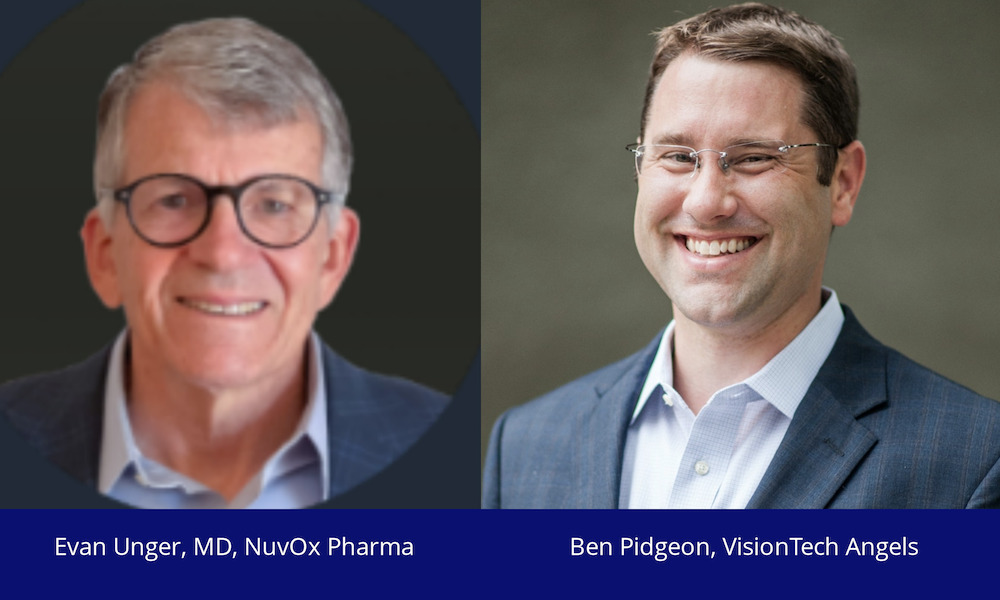
    I was introduced to Dr. Evan Unger by Mike Eckert of the NOLA Angel Network in New Orleans. Their group is syndicating an investment opportunity in NuvOx Pharma, a clinical stage pharmaceutical company developing a drug that significantly improves the flow of oxygen from lungs to blood and from blood to tissue. The drug has applications in treating cancer, stroke, acute respiratory distress syndrome, and other fatal diseases. I invited Evan to meet with the VisionTech Angels Screening Committee earlier this month. The group was impressed with NuvOx, its leadership team and board, traction, and the investment opportunity, and we invited him to present at our February 23rd virtual pitch events. Here’s a preview.

    BP: I went through your website and was very impressed by your team, starting with yourself.
    EU: I’ve been busy: board-certified radiologist and inventor; 30 years as a professor of radiology and bioengineering; have 120 issued patents; have founded four biotech companies, the first of which exited to DuPont at a 20x return; and now CEO, president and co-founder of NuvOx. My experience with startups helps me avoid the common pitfalls!

    Our leadership team is impressive. Rong Wang is our CFO/COO and is a very strong organizational leader . Prior to joining NuvOx, she was an executive in investor-backed companies and led multiple successful exits. She’s also worked for Fortune 500 companies such as Baxter International. Jennifer Johnson, PhD, is a co-founder and chief scientific officer of NuvOx. She has more than 20 years of deep R&D and regulatory experience, including tenure with Roche. Our skillsets are very complementary, and we form a high performing team.

    I can’t thank our board and scientific advisory members enough. We have physicians, a former Roche executive, biotech CEOs, and the former U.S. surgeon general, Richard Carmona. They provide comprehensive board governance structure, investor introductions, advice and more.

    BP: Explain the unmet need and how your solution, NanO2, addresses it.
    EU: The problem we’re solving is hypoxia, a state in which oxygen is not available in sufficient amounts at the tissue level to adequately maintain normal functions. This lack of oxygen is responsible for death or morbidities in cancer, stroke, heart attack, traumatic brain injury, acute respiratory distress syndrome (ARDS), and other diseases.

    Our solution is NanO2TM. It is a gas-based active pharmaceutical ingredient (API) that is nanobubble emulsified into liquids to reverse hypoxia in specific medical conditions via simple IV injection. It is designed for use primarily as an adjunct treatment that is synergistic with the standard of care and improves the effectiveness of the treatment. Here is an example. Glioblastoma, a malignant brain cancer, is typically treated with radiation and chemotherapy. Cancer tumors have low levels of oxygen, which makes them resistant to treatment. NanO2 is administered 30 to 60 minutes before chemoradiation to bring up the oxygen level in the tumor. This elevates the effectiveness of the therapy because the standard care, chemoradiation, needs the oxygen in the tumor to be effective. In our initial clinical trial, median survival increased by 40%.

    NanO2 can also be applied as an adjunct treatment for ischemic stroke. When it’s administered immediately after stroke in multiple doses, it provides the necessary oxygenation to preserve brain tissue (penumbra ) for about six hours. This exceeds typical door-to-needle treatment window of the American Heart Association, and significantly improved functional independence in our trial.

    BP: Where are you in terms of commercialization?
    EU: Our product has already been developed in formulation, and we are manufacturing it ourselves for upcoming clinical trials. We can easily scale up our manufacturing and at the appropriate time, engage a contract manufacturer. We’ve completed initial clinical trials for glioblastoma with good results and are preparing for a Phase IIb clinical trial for glioblastoma to start in Q1 2023. We have orphan drug status, giving us the advantage of speed to market in the $100 billion oncology market. A second Phase IIb trial in stroke will commence later in 2023. We seek to leverage our active and planned clinical programs with additional non dilutive funding.

    BP: You mention this is a platform technology. In addition to cancer and stroke, that other conditions can potentially be addressed by NanO2?
    EU: While we have clinical evidence in glioblastoma and stroke, we also have pre-clinical evidence in animal models and current or potential grant funding for immunotherapy, heart attack, sickle cell diseases, and ARDS. Other clinicians have suggested applications in wound care such as diabetic foot. There are so many possibilities to leverage our platform, but we remain focused on our clinical programs, so we’re not spreading ourselves too thin.

    BP: What kind of IP do you have?
    EU: We currently have eight patent families that includes seven U.S.-issued patents and their international equivalents that cover China, Europe, Canada, Australia, Japan, and Korea. We plan to file new patents for key excipient, which would give us an additional 20 years’ runway of protection.

    In terms of additional protection, we have two orphan drug designations with seven-year market exclusivity. Our drug is potentially regulated as a biologic, which, if we achieve this regulatory status, comes with 12-year market exclusivity. We have also protected our position with an exclusive supply agreement, control of our key ingredients and proprietary manufacturing know how.

    BP: What investment round is this?
    EU: This is a bridge round following a $10 million Series A. It’s worth noting we’ve been very successful in attracting $13 million in non dilutive funding from the National Institutes of Health, Department of Defense and other government funders.

    BP: What is your planned use of funds from this round?
    EU: We plan to use proceeds of the raise to fund our Phase IIb trials for glioblastoma, which begins enrolling patients very shortly. We also will start a Phase IIb trial for stroke in 2023. That clinical trial is being funded by the United Kingdom government.

    BP: Why should VisionTech Angels invest in your company? EU: We are addressing a massive market with an unmet need with a drug that has been substantially de-risked, has strong IP protection and a clear pathway to commercialization. We don’t have effective competitors in this field and are very capital efficient. A significant benefit for investors is we have secured more than $13 million in non-dilutive funding and are close to securing an additional $4 million. Finally, our leadership team, our board, and our scientific advisors have deep experience in all aspects of drug development and commercialization and have played a critical role in our success thus far.

    VisionTech Angels’ February Pitch Events will be virtual on Thursday, February 23 at Noon and at 6 p.m. ET. Pitch events are open to our members and accredited investors interested in joining our group. To register, check your email for an invitation, go to our Events page where you’ll find the RSVP links, or email Ben Pidgeon at bpidgeon@visiontech-partners.com