Tag: VIsionTech Angels

  • July 12 Pitch Presenter Solomon Ssenyange, CEO of RedNOx, Is Tackling Greenhouse Gases – and Winning

    July 12 Pitch Presenter Solomon Ssenyange, CEO of RedNOx, Is Tackling Greenhouse Gases – and Winning

    In late June, Rev1 Ventures came to me with an interesting investment opportunity and like Croft, a fast-moving deal. Rev1 is leading a $1.7 million seed round in RedNOx, a startup based on technology from Ohio State University that has developed highly sensitive sensors for NOx, N20 and CO2. RedNOx has raised and will close on half of that amount in early July. Thinking the deal is a good fit for VisionTech, Rev1 offered to syndicate the deal with us to help close the round. RedNOx Solomon Ssenyange is a PhD and a serial entrepreneur with one exit to his credit. His new venture has impressive traction, which is why I invited him to pitch Friday, July 12 at 12 noon. Here’s a quick preview.

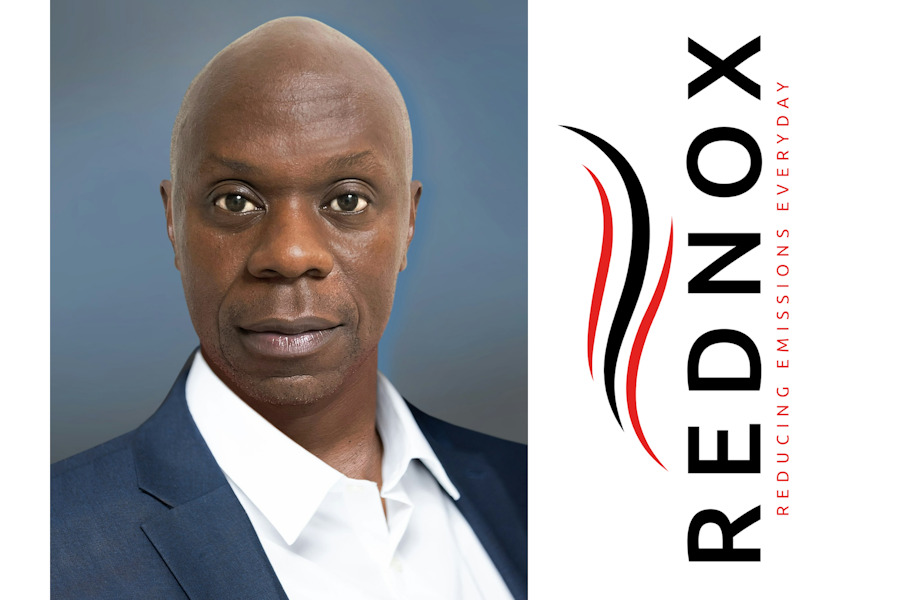
    Solomon Ssenyange, RedNOx, and Ben Pidgeon, VisionTech

    BP: You are an academic by training, but also a serial entrepreneur. How did you pivot from research lab to boardroom?
    SS: I earned a PhD in Analytical Chemistry from the University of Alberta in Canada, with emphasis on solid-state electrochemistry—the science behind advanced sensors. I also did a post-doc at Ohio State University in Analytical Chemistry. My real passion is business. In 2021, I licensed technology from Ohio State that became the foundation of Spirometrix. We commercialized an FDA-cleared, hand-held breath monitoring device for people with  asthma. We exited the company in 2020. I’m now involved in other startups, including RedNOx.

    BP: Tell me about RedNOx.
    SS: RedNOx is a startup with an innovative sensor platform for greenhouse gases such as NOx, N2O, and CO2. It’s the same proven sensor technology behind Spirometrix, but we’re applying it to new industries. The main objective of our sensor platform is to detect the presence of greenhouse gases and reduce emissions for various industries as rapidly as possible. 

    Our initial focus is mobility and agriculture. In mobility, makers of gas and diesel engines used in light and heavy equipment, trucks, and cars have NOx emissions limits they are mandated to meet by 2027 in both the U.S. and E.U. Existing NOx sensor technologies do not meet ultra-low NOx measurement requirements except for RedNOx. Our sensors detect with incredible sensitivity (less than 1ppm), emissions levels to ensure manufacturers are compliant with future emission limits that will bring future internal combustion engine closer to near zero-emissions. RedNOx sensors are also being used to help farmers optimize fertilizer usage while minimizing greenhouse gas emissions.

    All vehicles must meet stringent new emissions standards in the US and EU by 2027.

    BP: Why are your sensors so compelling to engine and automotive industries?
    SS: The fines for noncompliance are staggering. Last December, Cummins paid $1.675 billion in fines for installing devices engines to allow them to emit excess pollution. Navistar was fined $52 million in another emissions case. Toyota had to halt shipments of 10 models over mishandling its engine tests. These manufacturers can’t afford to be noncompliant. Our ultra-low NOx Sensor is the answer in part because our sensors exceed the global regulatory range for NO and NO2 with no cross sensitivity to other emissions. Our sensors also perform in high-temperature, high stress environments. 

    BP: What kind of traction do you have?
    SS: Cummins and Caterpillar recognize the potential of deploying our sensors in their engines and both have signed purchase orders with us. 

    BP: Impressive! What about the agriculture industry?
    SS: Nitrogen is essential for crop growth; however, its production and use is linked to greenhouse gas emissions. The agriculture industry is under pressure to reduce the use of nitrogen to bring down emissions. We are developing the AgroNOx sensor specifically for the agriculture industry to accurately measure  and monitor both NOx and N2O emissions. Our sensors are capable of measuring both with high accuracy and surpassing other sensors that measure only NOx.

    The benefit to farmers is they can avoid over application of nitrogen, which can save 10-30% in costs. It also supports precision ag and sustainability goals.

    RedNOx was just awarded a $650,000 SBIR Phase II Award to further development of its ag sensors.

    BP: What kind of traction do you have in agriculture?
    SS: We have good traction there, too, with two specialty fertilizer companies. The first is ICL Group of Tel Aviv in Israel, and PivotBio. They are using our technology to help determine the amount of greenhouse gases their fertilizers release when used by farmers. We are very early in agriculture, and it represents a maximum greenfield for us.

    BP: You recently got some great news for this part of your business.
    SS: Yes, we were just awarded a $650,000 SBIR Phase II Award from the USDA to accelerate development of our agriculture sensors. It’s great to have this non-dilutive funding to put into the company and our technology.

    BP: Do you have any patent protection?
    SS: Yes, we have a robust patent portfolio addressing our gas sensors and systems and methods. We also have two patents pending specific to agriculture applications. We conduct quarterly intellectual property reviews against competitors to protect our IP from competitors.

    BP: Do you have any competitors?
    SS: We have three competitors that we’re aware of, Nittera, NGK Insulator and Indrio Technologies. Indrio comes the closest in performance, but they product is priced significantly higher than RedNOx sensor. The other companies are low in price and performance.

    BP: What investment round is this?
    SS: This is our seed round, and our goal is to raise $1.7 million. We are halfway there with Rev1 Ventures leading the way. We hope to close the round by the end of September 2024.

    BP: What is your planned use of funds?
    SS: Two-fold. First, to fulfill the purchase orders for Cummins and Caterpillar. Second, to complete the development of our AGRI-NOX sensor so we can move forward quickly with current and future partnerships.

    BP: Give me 3 reasons VisionTech investors should invest in REDNOX?
    SS: Our sensor technology is truly innovative and our ability to detect the presence of specific emissions exceeds global standards. The market demand for emissions monitoring technology is growing as evidenced by the purchase orders we have from global companies very familiar in Indiana like Cummins and Caterpillar. Finally, we have validation of our technology and strong pipelines from both the mobility and agriculture sectors.

    VisionTech’s Friday, July 12 Pitch Event will have one virtual session only at 12 noon ET. 
    Please plan to join me, Solomon and fellow VisionTech investors. Please register here.

  • Meet July 1 Pitch Presenter Scott Prince, CEO & Co-Founder of Croft, a Fast-Growing Ag Ops Platform

    Meet July 1 Pitch Presenter Scott Prince, CEO & Co-Founder of Croft, a Fast-Growing Ag Ops Platform

    VisionTech’s first foray into agtech, Smart Apply, Inc., ended extremely well with an exit to John Deere roughly 18 months after our first investment round. So when I bumped into Scott Prince, a serial entrepreneur and now CEO and co-founder of Croft at a recent Techpoint Venture Connect event, I was interested to learn more about what Scott was doing with his tech platform that automates and streamlines HR and more specifically, H-2A, administration. It was a great discussion which ultimately led to an invitation to Scott to present to VisionTech Angels investors on Monday, July 1 at 12 noon. Here’s a quick preview.

    (L to R) Scott Prince, Croft; Ben Pidgeon, VisionTech

    BP: What is the problem you’ve identified in the agriculture industry?
    SP: U.S. agribusinesses  have a huge issue with back office operational efficiency, cost, and compliance, especially those that are labor-intensive. Labor costs as well as shortages are critical issues. There is a mass shortage of domestic workers, forcing many agribusinesses to use the complicated and expensive H-2A Visa seasonal, nonimmigrant ag worker program. H-2A is a non-capped seasonal Visa for almost 100 eligible countries, with the majority of the 400,000 annual farmworkers coming from Mexico, Central America and South Africa. H-2A has more than 200 rules and the bureaucracy behind the program is complex and as hard to navigate. Since labor is usually one of the highest input costs for a farm, securing a competent workforce in a compliant and lowest-cost way is essential to farm profitability and viability.

    BP: How are you solving it with Croft?
    SP: Croft has built and continues to enhance a collaborative ag operations platform that automates and streamlines farmers’ back-office operations administration by centralizing and managing data, forms, and workflows for the agribusiness, domestic and H-2A workers, H-2A agent, and service providers. We’re helping  15,000 farms that rely on H-2A  workers and the rest of the 250,000 labor-intensive farms be more organized, efficient, productive, compliant, and profitable. Croft Case Manager streamlines H-2A agents’ internal operations, and those agents resell Croft Connect to each of their farm clients. Case Manager and Connect work in tandem to bring all participants together collaboratively in the same platform for the first time to save all time & money while increasing overall compliance.

    BP: Croft was founded in late 2022, but already you have great traction.
    SP: Yes, we do I both funding and customer revenue. Our first major investor was Purdue University DIAL Ventures in partnership with High Alpha Innovations. Purdue invested $950,000 in pre-seed money to fuel the development of our platform. Croft has attracted other agtech venture funds, including Ag Startup Engine and Ag Ventures Alliance. We have paying customers throughout the United States and have onboarded notable operations like Tom Farms and Beck’s Hybrids here in Indiana. These early adopters provided critical feedback, allowing us to refine our platform and demonstrate substantial value in the market.

    BP: What are farmers and farm agents liking about Croft?
    SP: We have the ability to cut their administrative time in half, be prepared for government audits and inevitable investigations, increase the performance of their workers who don’t have to worry about compliance, and finally, increase farm profitability. Our platform is also very easy to learn and use. It’s tough to make a buck in farming while you’re trying to feed the world and your family. We want to make farming financially viable through more efficient, effective back-office operations.

    BP: What’s your revenue model?
    SP: Typical B2B SaaS with annual per farm platform and per farmworker user fees and  add-on modules to follow. The typical SaaS direct go-to-market activities of advertising, engaging via demos, converting trials, selling, upselling, and renewing are more difficult and much longer for agriculture given its late tech adoption curve and rural/remote geographies. Croft has a direct sales program, but most of the emphasis is on our indirect Partner Reseller program, launching with H-2A agents that 80% of H-2A growers use. This indirect model decreases our customer acquisition cost and by sales cycle by over 85%.

    BP: Any competitors?
    SP: No one is doing exactly what we’re doing. The industry is still largely paper-based.

    BP: What round is this?
    SP: This is our seed round. Grit Road Partners, a Nebraska-based, agtech venture firm, is leading the round. We look to raise $1.5 million with a likely oversubscription up to $2 million.

    BP: How will these funds be used?
    SP: Much of it will go to sales, customer support and marketing. We’re taking a “white glove” approach to sales and service to develop strong, personal relationships with value-added resellers and ag customers, spark referrals, build our brand and position Croft as a thought leader. We’ll be attending targeted industry conferences, participating in podcasts, and networking with ag bureaus for national awareness, with very specialized and local co-marketing activities with Resellers. 

    BP: Give three reasons why VisionTech members should invest in Croft.
    SP: First, we’re solving a very critical set of problems for the U.S. agriculture industry, one that has been overlooked by leading tech vendors. Second, our current solutions have extra strong product-market fit, with a strategic roadmap supporting business intelligence-based services that farms will depend on to increase profitability. Third, we have a seasoned team with deep technology, agriculture, SaaS, finance, operations, sales, and marketing experience that knows how to launch, grow, and exit SaaS companies successfully.

    One more thing investors will like  – we’re certified as a Qualified Indiana Business and investors are eligible for the Indiana Venture Capital Investment Tax Credit.

    BP: If people want to learn more, where should they go?
    SP: Our website of course. But I highly recommend watching this video for more. 

    VisionTech’s July 1 Pitch Event will have one virtual session only at 12 noon ET. This is a fast-moving opportunity so please plan to join me, Scott and fellow VisionTech investors. Please register here.

  • VisionTech Portfolio Company OnStation Closes $8.5 Million Series A Round

    VisionTech Portfolio Company OnStation Closes $8.5 Million Series A Round

    INDIANAPOLIS, Indiana (June 11, 2024) – – Three years ago, VisionTech Angels investors took a chance and invested in an early-stage startup from Cleveland, Ohio, called OnStation that had developed an application to make highway construction projects more efficient, more accurate, and safer for workers. This week OnStation, now the leading provider of digital stationing solutions for the heavy highway industry and poised for massive growth, announced it had successfully raised $8.5 million in a Series A Round. 

    VisionTech participated in the Series A round, with 37 investors writing checks totaling $467,000. In total, VisionTech has invested $1.27 million over three rounds in OnStation since 2021. The Series A round was led by JumpStart Ventures with participation from Frontier Angels, Up2 Opportunity Fund, JobsOhio Growth Capital Fund, Next Chapter Ventures, North Coast Ventures, New Dominion Angels, and other individual investors.

    Patrick Russo, OnStation Ben Pidgeon, VisionTech

    VisionTech Executive Director Ben Pidgeon says OnStation’s successful raise in a tough economy is a testimony to the progress the company, led by CEO Patrick Russo, has made in just three years. “When Patrick first pitched our group in 2021, the company had a handful of early adopters using its application. Today, OnStation’s platform has evolved into a robust, location-based project record that provides users with instant access to stationing, design layers, and plans from project initiation through completion via a mobile app.

    “With the increase in functionality, OnStation now serves multiple state Department of Transportation (DOT) clients and more than 200 contractors, integrating seamlessly with major industry software to streamline communication and data management. Patrick’s vision, ability to recruit great people, execute to plan, and meet milestones have led to OnStation’s impressive success to date and VisionTech investors’ loyalty,” Pidgeon says.

    In addition to financial backing, VisionTech investor Scott Noble serves on the OnStation board of directors. VisionTech also provides business advisory services as needed.

    “We are grateful to have VisionTech Angels and other investors such as JumpStart that believed in us from the very beginning and have remained in our corner as investors, advisors and advocates,” says Russo. “Startups are never easy, but the right investors provide rocket fuel and a hundred other things that keep you on track.”

    According to Russo, the highway construction industry and specifically, how it manages large projects is ripe for disruption. Ninety-six percent of construction data is unstructured and unused, while workers spend eighteen percent of their time struggling to find project-critical data. Users quickly find that OnStation’s application greatly improves project management and are clamoring for more functionality. 

    “OnStation’s integrated platform has the potential to be used in every road project in the United States, and this investment is allowing us scale our market presence and functionality more quickly to meet the incredible demand,” Russo says.

    About VisionTech 

    Founded in 2009, VisionTech is a privately held company that links investors to high-potential, early-growth companies. Based in Indianapolis, VisionTech’s angel investing network includes more than 140 active members across Indiana and Ohio. As of December 2023, 175 VisionTech member investors have deployed more than $24.8 million in capital, investing in 65 portfolio companies from across the United States. Membership is open to accredited investors. Those interested in joining are encouraged to contact VisionTech.

    About OnStation

    OnStation is a collaborative digital stationing platform that offers location-based project records from bid to close. Specifically designed for the heavy highway industry, OnStation’s mobile app centralizes communication, boosts productivity, enhances worker safety, and improves project quality. Users benefit from instant jobsite stationing, milepost and LRS capabilities. They can overlay design layers on the project map and communicate via a custom chat platform that organizes and records project events at their locations. OnStation is available on both the Apple App Store and Google Play Store and is supported on all desktop systems. Learn more.

  • Meet May Pitch Presenter 1LogTech’s JP Wiggins, Delivering the First Transportation Integration Platform

    Meet May Pitch Presenter 1LogTech’s JP Wiggins, Delivering the First Transportation Integration Platform

    The global pandemic caused significant issues for global supply chains while at the same time, people stuck at home increased reliance on home deliveries. If you’re like me, you don’t think too much about the mechanics of receiving packages on your front porch. But as I recently learned, the challenges are monumental for shippers—and an opportunity for entrepreneurs like JP Wiggins. JP’s company, 1LogTech, was created to solve a major pain point for the shipping and logistics industry, an integration platform as a service (iPaaS) to streamline digital communications without programmers. Impressed, I invited him to present at VisionTech’s May 29th and 30th pitch events. Here’s a preview.

    BP: This is not your first rodeo founding a company in the shipping industry. Tell me about previous companies and the exits.
    JP: I’ve always been fascinated by transportation; it’s a huge industry with a million carriers in North America alone. This led me to earn a degree from Ohio State University’s Transportation and Logistics program. After college, I jumped in, joining a software development company for the logistics industry. Seeing the challenges the industry faces really fueled my passion. With my industry-specific software development background, I went on to co-found four logistics companies, all with successful exits: 3G, a transportation management system (TMS), sold to Sumeru Equity Partners; GLOG, sold to Oracle and now operating as Oracle TMS, the industry’s largest TMS; DX/DT, logistics integration tool, sold to Descartes; and Wesley Software, a TMS, sold to Red Prairie (now Blue Yonder). Two of these exits delivered 7x returns.

    BP: That’s impressive! What market pain points inspired you to co-found 1LogTech? 
    JP: In a nutshell, shippers, manufacturers and distributors of products, need to be digitally connected to all of the partners handling their freight at all times. Not just for visibility so they know where their products are, but also operations to reduce manual interactions. Making connectivity happen is expensive and time consuming.

    That said, if you’ve ordered anything delivered by UPS and FedEx recently, you get a link that lets you know where your package is, when it will arrive and confirmation of delivery. It’s amazing customer service. But higher up the supply chain—that’s where the real pain is. Shippers must be able to communicate electronically with their over-the-road carriers for rating, booking, tracking, and documentation in real time.

    Today, this level of B2B communication is done with either by EDI, API, email or phone. Any form of digital connection requires developers who are costly and time consuming. Pick an example like Chewy.com. They use hundreds of carriers. Integrating Chewy’s systems with each carrier’s system is a huge challenge. To make matters worse, Chewy changes carriers all the time. It’s a never-ending battle with their IT team to create all these connections and the operational team that needs to get the freight delivered.

    BP: Give me a brief explanation of your solution and how it works.
    JP: 1Logtech is providing is the industry’s first transportation-focused integration platform as a service (iPaaS) that enables shippers to self-deployand maintain carrier integrations more quickly without the skills and expense of a programmer or developer.   Operational users use the 1Logtech tool and without coding they are able to form a full integration with their carriers. We make the process simple for operations to get all the connectivity they need and do the work themselves versus outsourcing.

    Without our tool and using classic development, a single API integration generally costs the creator about $10,000 and takes two months. Our costs are a fraction of that and setup is days if not hours. It’s a totally different way to make a connection. Pricing is subscription based on shipment volume at a shipment cost ranging from $0.30 to $1.00 depending on the type of shipment. This works out to be more than 70% less than other methods.

    BP: So your competitive advantage is better, cheaper, faster.
    JP: Absolutely.

    BP: Why is this the “right time” for 1LogTech? 
    JP: Shippers and everyone else in the supply chain industry want to reduce the complexities and cost of establishing and maintaining visibility in their supply chains. The last few years have been hell. We can’t live without transportation and logistics, so everyone slogged through. Now is the right time for greater simplicity and operability and 1LogTech brings that to the table.

    BP: Any direct competitors?
    JP: Not really any direct competitors, yet there are other methods to establish connectivity such as EDI services that are expensive and lengthy to execute. Also large companies with large budgets buy enterprise class iPaaS tools and use banks of developers to create connectivity. 1Logtech does not replace an enterprise iPaaS but would augment it for carrier connections. 

    BP: How have you protected your technology?
    JP: We have a patent in process addressing how we transform integration rules and data mapping into a fully functional integration. Additionally, we have years of intellectual property in designing transportation management systems. 

    BP: Explain iPaaS. Is it something customers understand and easily adopt?
    JP: Gartner estimated the integration platform as a service market, iPaaS, to be $8 billion in 2023 and growing at 30% annually. So what is it? iPaaS is a self-service cloud-based solution that standardizes how multiple applications are integrated, simplifying integration to deliver a unified solution to customers. As business becomes more digitized, iPaaS is  increasingly integral to nearly every business model. 1LogTech is the first transportation-focused, no code platform for shippers to integrate to carriers without developers or third-party integrators. We believe companies will embrace it because of the inherent benefits.

    BP: What’s your go to market strategy?
    JP: In the early stage, we’re relying on direct sales to mid- to large shippers/3PLs that either have been referred to us or met us through trade shows or partner conferences. For larger opportunities like enterprise shippers, we will focus on developing channels and leveraging our personal network. This sets up resellers or white label solutions with consulting firms and other logistics technology companies.

    BP: How have you funded the company to date? Why are you raising money?
    JP: So far, my co-founder and I have bootstrapped the company. We have no dept, no outside investment and a clean cap table. Initial development is done, and we’re ready to go to market. 

    BP: What is your planned use of funds?
    JP: Initial development is done. Most funds will be used for go-to-market hires and support.

    BP: Give three reasons why VisionTech investors should invest.
    JP: First, 1LogTech has a disruptive technology that’s poised to change the transportation industry, which is valued at more than a trillion dollars globally. Second, we have a proven team who are experts in transportation and have successfully exited multiple companies. Finally, our product is live and in use with customers. We are very conservative in our projections, and believe we’ll be at $5 million in ARR in three years.

    BP: Thanks for the insights, JP.
    JP: We look forward to presenting.

    We’re mixing things up this month. VisionTech Angels’ Virtual Pitch Event will be Wednesday, May 29 at 12 Noon . We will host a second live pitch event with dinner on Thursday, May 30 at 5:45 p.m. ET. Pitch events are open to our members and accredited investors interested in joining our group. To register, check your email for an invitation, go to our Events page where you’ll find the RSVP links. You can also email Ben Pidgeon at bpidgeon@visiontech-partners.com.

  • Meet February Pitch Presenter Aegle Therapeutics’ Shelley Hartman: Healing with EVs

    Meet February Pitch Presenter Aegle Therapeutics’ Shelley Hartman: Healing with EVs

    Last year was a very good year for VisionTech. Applying strict criteria, we completed 18 deals worth $2.88 million. We’re continuing our thesis this year, looking hard at leadership, the unmet needs being met, milestones achieved, and deal terms. We’re also leaning into syndication partners for deal flow and diligence. Early this year, New World Angels of Boca Raton, Florida, suggested we look at a pioneering biotech startup called Aegle Therapeutics. Last year, both of our groups  invested in NuvOx Therapeutics, so I was open to reviewing Aegle and its novel platform therapy for severe burns and other rare and challenging skin conditions.Impressed with CEO Shelley Hartman, her “EV” technology’s potential impact on lives and traction, I invited her to present at our February 29 pitch events. Here’s a preview.

    Ben Pidgeon, Shelley Hartman

    BP: Before we get started, I heard you are the proud mom of a former high school football player.
    SH: (Smiles) That would be my daughter Sofia. During her senior year in high school, she was a starting running back for the boys’ varsity team. Before the season started, the coach took me aside and said, ” Do you know why she is so good? She can see the hole and run through it.” And so she did. All season.

    BP: That’s a great story. Your background is in banking. How did you get involved with a biotech startup out of the University of Miami?
    SH: You must be reading my LinkedIn profile, Ben. Yes, I spent nearly 20 years with First Boston and Goldman Sachs. In both cases, my focus was life sciences and healthcare services companies: advising, raising capital, mergers and acquisitions. In 2004, I was recruited to Fort Lauderdale, Florida, to run LifeSync Holdings, a corporate incubator developing biopharma, medtech and diagnostic products. We were funded by TGP, Medtronic, 3M, and other large investors; it was a great experience. I wrapped up that role in 2013, but because of my daughter’s football, weightlifting and lacrosse career, I wanted to stay in Florida. So I became an entrepreneur-in-residence (EIR) for the University of Miami Miller School of Medicine.  

    BP: How did you get involved with Aegle Therapeutics?
    SH: I was introduced to Bob Williamson in the tech transfer office at the University of Miami Miller School of Medicine. He’s a serial life sciences entrepreneur and was looking at licensing some technology around stem cells and wanted my help on it. That tech came from the lab of Dr. Van Badiavas. Van had found a way to harness the poer of stem cells without using the cells. This was the foundation of what would soon become Aegle Therapeutics. I reviewed it and thought the science was brilliant and very elegant. We ended up licensing the technology and I came onboard with Aegle full-time in 2019 as CEO.

    BP: You mentioned something called “EVs” in an earlier conversation and all I could think about was Tesla. Can you explain, in layman’s terms, what you’re doing with Aegle and EVs.
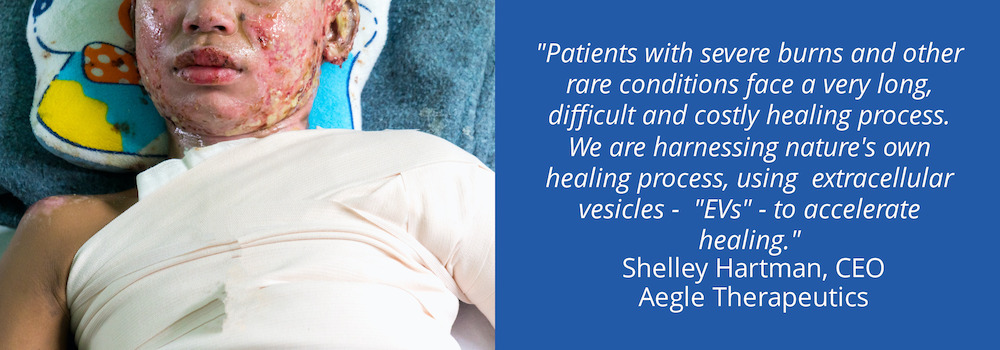
    SH: The science does get pretty deep, but here’s the elevator version: Aegle is developing novel, extracellular vesicle (EVs) therapies in the form of a topical medication to treat rare and severe dermatological disorders with significant unmet medical need. Our initial targets are severe second degree burns and a rare pediatric, skin condition called dystrophic epidermolysis bullosa.

    You’ve probably heard  of stem cells being used to treat cancer and other diseases. Well, we are taking EVs, which are secreted by stem cells, and using them to influence the immune system, accelerate healing, support blood vessel growth and neuronal regeneration, and minimize inflammation and scarring . Using EVs, we are harnessing the body’s own power to heal itself faster and more completely.

    BP: Share an example.
    SH: Think about someone who’s experienced severe burns in a fire, a work or recreational accident or on a battlefield. Burn wounds are extremely difficult for patients and physicians. They’re painful, they swell, they’re slow to heal, and cause terrible scarring. It  can cost millions per patient to treat. If skin grafts are required, that’s another layer of complexity, pain and cost. We recently treated our first patient whose foot was charred in a boating accident. Withing seven days of one dose of our EV-based topical, his burn wound was closed, there was a significant reduction in swelling, and no sign of ischemic reperfusion injury. In four weeks, his pain was gone, and in 12 weeks, his foot was completed healed.

    BP: That’s impressive! I can see why the military would be interested in this.
    SH: They are! We have $1.5 million in non-dilutive funding through the Congressionally Directed Medical Research Program, specifically for biotech innovations like ours.

    BP: Why hasn’t this been addressed before?
    SH: Our overall approach is novel, but it’s our manufacturing approach that truly differentiates our platform. Our lead product, AGLE-102™, is a natural composite of EVs; it’s not engineered. Our method of isolating and collecting the EVs is very precise, safe, and does not damage or modify the EVs. The end product mimics the body’s own natural production.

    BP: We always want to know about IP to ensure companies’ moats are deep and wide.
    SH: We’ve definitely got that covered. We have 85 patents of which 55 have been granted. Many of these are around our manufacturing and composition of matter. Our patents cover all major markets, including the United States, EU, Japan, Australia, and Canada. We’ll continue adding to our IP as we add to our pipeline.

    BP: What round is this?
    SH: This is a $5 million Series A preferred stock round. Right now we have commitments for $2.8 million and would like to close on $3 million by the end of February.

    BP: What’s the planned use of funds?
    SH: Basically to continue our momentum. We plan to use the proceeds to generate strong clinical data in both our burn and dystrophic EB clinical trials, which we hope shows AGLE-102 as a new modality to treat other inflammatory and immune-based dermatologic disorders.

    BP: Give me three reasons why VisionTech Angels should invest in Aegle.
    SH: First, it’s the perfect time to get behind our company. We recently completed the proof of concept in our burn trial and the results exceeded expectations. We are moving forward with our second clinical trial, dystrophic EB, which is a major inflection point. Third, our manufacturing process is unique, challenging and the IP behind it is extensively protected. We have successfully completed multiple GMP manufacturing runs. Here’s a fourth reason: we all know it’s a challenging time for biotech startups to be fundraising. We’d like to close the round quickly, so our pre-money  valuation is very favorable to investors. 

    VisionTech Angels’ Virtual Pitch Events will be held Thursday, February 29 at 12 Noon and 6 p.m. ET. Pitch events are open to our members and accredited investors interested in joining our group. To register, check your email for an invitation, go to our Events page where you’ll find the RSVP links. You can also email Ben Pidgeon at bpidgeon@visiontech-partners.com.

  • Meet February Pitch Presenter Tim Blair of iCHOR: Saving Lives, Simplified

    Meet February Pitch Presenter Tim Blair of iCHOR: Saving Lives, Simplified

    VisionTech Angels enjoys strong deal flow, something I credit to our relationships with other venture groups in state and across the country. When our syndication partners have opportunities they believe are a good fit for our group, they send them our way. This ensures we see top quality deals, but also allows us to leverage due diligence. This is how I met Tim Blair, president of iCHOR. Queen City Angels liked Tim and iCHOR’s percutaneous clot retrieval system that improves patient outcomes and reduces surgical costs.The value proposition, leadership, and traction is compelling, so I invited Tim to present at our February 29 pitch events. Here’s a preview.

    BP: How did you get involved with iCHOR?
    TB: The past 30 years, I’ve focused my career on medtech, medical device, healthcare consumables, and nutraceuticals. This includes sales, marketing, business development, operations and R&D across the peripheral vascular space. I spent more than nine years working at NAMSA, a medical device contract research organization, which whetted by appetite for improving technology and bringing devices to market more efficiently.

    In 2018, I became president of a medical device company called iCHOR Vascular, a platform technology that is aimed at becoming the market leader in opening vascular occlusions related to vascular disease such as embolic and thrombotic events. Our goal is to be an elegant “first line on the table therapy” in treating peripheral vascular occlusions.

    BP: Explain the issue you’re addressing.
    TB: The gold standard for removing peripheral blood clots are drugs (lytics) that essential break down clots over a few days.  However 40-50% of patients are not candidates for lytics which means they receive a surgical thrombectomy or we intervene with stroke type technologies that are not always optimal for the issues in our peripheral vascular system. It should also be noted that drug and surgical therapeutic options have significant bleeding and surgical complications that can be minimized or eliminated with iCHOR technology. 

    Unlike data we now have on coronary disease and stroke, peripheral vascular occlusions are far less understood. Peripheral disease of arteries and veins in lower extremities is a fast-growing market with significant mortality rates. The tools and techniques to treat these conditions are outdated, don’t improve outcomes yet costs to treat are skyrocketing. What does treatment look like now? It’s either drugs to dissolve the clot which require several days in the ICU or surgery. We knew we needed new tools to address the shortcomings of today’s gold standard, drugs and surgeries. Patient outcomes have not budged in 50-plus years. This directly attributed to the lack of reasonable therapeutic options in the toolbox today.

    BP: What’s driving the market?
    TB: The market is driven by an aging population, patients living longer, an increase in disease prevalence, increases in virus-related conditions that also increase prevalence, and things like opiates and other drug use. Today’s treatment options are less than perfect and extremely expensive.  We need tools that are simple, effective, and equally address the economics that plague our healthcare industry.  

    BP: Explain iCHOR’s solution and value proposition.
    TB: The iCHOR system replicates successful parameters of surgical clot removal with a proven mechanism of action (balloon sweep) combined with on-demand embolic protection.  iCHOR checks key boxes for physician end users and patients:

    • Non-surgical therapy
    • Non-drug therapy
    • Arresting flow avoids blood loss often associated with surgery or aspiration tools
    • Arresting flow avoids distal embolization of materials moving downstream
    • Designed to fit all anatomical vessels
    • Designed to always maintain sheath/wire access so physicians can make multiple passes quickly
    • Avoids scarring or valve damage associated with metal dragging tools like stent retrievers
    • Does not require capital equipment.

    We believe iCHOR’s technology will become the new gold standard to treat peripheral blood clots because it’s easy to use, can treat a wide range of clot anatomy and morphology, and we address the economic issues associated with today’s therapies.

    BP: What’s your competitive advantage?
    TB: Simplicity and familiarity. Our platform is built on techniques physicians have trusted for decades in surgery. Physicians aren’t having to be convinced of using something totally foreign or difficult to master. The mechanism of action is proven. We just made it minimally invasive. Once they use our iSWEEP device and discover how simple and effective it is, well, there’s no going back.

    BP: You’ve assembled a strong leadership team and strategic partnerships.
    TB: We sure have! Our executive team all have decades of experience in the medtech industry and professional networks that are proven and trusted. Our scientific advisors include vascular surgeons, interventional radiologists and cardiologists, who are industry influencers and are actively involved in advising iCHOR so we can get better treatment options to market sooner rather than later. Lastly, we have partnerships with the Cleveland Clinic’s Global Cardiovascular Innovation Center; NAMSA, the testing gold standard for the FDA and globally notified bodies); Medical Murray, a best-in-class engineering and manufacturing company we’ve worked with previously; and experts in reimbursement, intellectual property and financial services. We are looking to add several more scientific advisors and  strategic partnerships in the coming months as part of our go to market strategy.

    BP: Where are you in terms of commercialization?
    TB: We have both market clearance from the FDA and published real-world efficacy data in a 25-patient test market. We continue to focus on market validation and real-world data from a clinical perspective, but also on technical and manufacturing validation. The venous device is currently being used in a limited market release and expect the University of North Carolina, Vanderbilt, and several other major health systems to come on board this quarter. Our next generation devices have already been submitted to the FDA. 

    Although we’re in the early stages of commercialization with this limited market release, we have started to execute our hybrid sales model which utilizes distributors, direct hires and 1099s. It’s an approach we’ve used successfully in the past.

    BP: What’s the market size?
    TB: In a word, massive. This is a $4.7 billion available treatable market in the U.S. and $20 billion outside the U.S. for our current iCHOR arterial and venous technologies. Peripheral arterial disease and deep vein thrombosis is a rapidly growing market currently underserved with mechanical options.  We believe our ease of use, effectiveness, less stress on patients, and the economics will make iCHOR devices the “go to.”

    BP: What kind of IP do you have?
    TB: Our first patent was issued in the U.S. in August 2021. Our patents support the marketed product, which is not always the case with many patents. Our IP also supports the methods behind the procedures to prevent people from cobbling parts together to do what we do.  Additionally, we have patent protection in Canada and the European Union.  Our plan is to add to our IP portfolio as we extend the product line and indications for use.

    BP: What round is this?
    TB: This is a Series A Equity Round with a $5 million ask. Queen City Angels is leading the round and we’ve gotten strong support from a number of other angel groups around the country. We currently have $4.2 million in and hope to close the round quickly so we can focus 110% of our efforts on commercializing iCHOR.

    BP: What is your planned use of funds?
    TB: The proceeds of this raise will be used to fund R&D, quality and regulatory, sales and marketing, and administrative costs aimed at strong exit potential and an eventual positive balance sheet. We have a clear path of milestones laid out, and this funding will help us check the boxes our industry values.

    BP: Give me three reasons why VisionTech Angels members should invest.
    TB: Sure! First, couple the addressable market for our iCHOR arterial and venous technologies ($4.7 billion) with the tremendous interest from physicians and it’s a huge opportunity. Second, our market clearance and early procedures are going well; we’re meeting our de-risking milestones which is critical. Finally, our valuation and terms are very favorable to investors, and we’d love to have VisionTech Angels investors involved.

    VisionTech Angels’ Virtual Pitch Events will be held Thursday, February 29 at 12 Noon and 6 p.m. ET. Pitch events are open to our members and accredited investors interested in joining our group. To register, check your email for an invitation, go to our Events page where you’ll find the RSVP links. You can also email Ben Pidgeon at bpidgeon@visiontech-partners.com.

  • Bucking the Trend: VisionTech Angels Invest $2.88 Million in 18 Deals, Nearly a Half a Million More than in 2022

    Bucking the Trend: VisionTech Angels Invest $2.88 Million in 18 Deals, Nearly a Half a Million More than in 2022

    INDIANAPOLIS, Indiana (January 23, 2024) – – In a report issued January 4 by Crunchbase, global investing in startups stalled in 2023, declining by 38%, the lowest level in five years. Lackluster investing left startups scrambling for capital, tightening belts, laying off employees, and even shutting down.

    Perhaps VisionTech Angels didn’t get the memo because the Indianapolis-based venture firm bucked the trend, increasing its total amount invested in 2023 by 18%. VisionTech Angels invested $2.88 million in 2023, nearly a half million dollars over the previous year ($2.4 million). The group’s investors ponied up, participating in 18 deals, writing 157 checks. VisionTech ended the year with eight new portfolio companies: Adipo Therapeutics, Amplified Sciences, FiberX, Laxis, Mentavi Health, NuvOx Therapeutics, Pelvital USA, Inc. (Flyte), and Primary Record.

    Ben Pidgeon, executive director of VisionTech, says despite headwinds his group stayed the course and continued to invest, taking advantage of the most investor friendly terms in a decade. “We had a really great year in 2023. Company valuations were lower, investors had more leverage on deal terms, and thanks to our great syndication network in Indiana and across the country, we were able to participate in attractive deals on companies generating income and hitting key milestones.”

    He adds, “Investors in the Midwest tend to be practical, maybe a bit conservative. In 2023, when VisionTech was presented with good deals, we moved quickly, sometimes in as little as 30 days.”

    (L-R) Lydia Zeller, Patrick Russo, Diana Caldwell

    One of those was deals was Pelvital, a femtech company based in Minneapolis with a novel device called Flyte for treating urinary incontinence in women. VisionTech was part of a syndicate of investors led by Boomerang Ventures, investing $259,900 in two rounds during 2023. The deal first came to VisionTech in 2021 but the group passed, unconvinced of its ability to scale. When Pelvital circled back in 2023 with a new CEO, Lydia Zeller, a new business model and the ability to meet ambitious milestones, VisionTech’s members embraced the opportunity.

    Says Pidgeon, “Lydia is a strong startup founder and leader. Although she faced some skepticism from investors early on, she wasn’t fazed and outperformed her milestones. Pelvital just completed a companion app for their device, has successfully transitioned from a B2C to B2B company, and the results of their clinical trial will soon be published in an important peer-reviewed journal, Therapeutic Advances in Urology. That performance earned her two rounds of investment in 2023 from our group.”

    VisionTech investors also reacted strongly to OnStation, a mobile productivity app for roadway workers. Since VisionTech’s original investment in 2021, OnStation has signed contracts with multiple states’ Department of Transportation and more than 100 contractors as their go-to app for interstate construction projects. VisionTech has participated invested in two rounds with OnStation totaling $803,000.

    OnStation CEO Patrick Russo says having VisionTech as an investor is a huge advantage for his startup. “Knowing I can count on VisionTech for follow-on investments has made fundraising easier. I can circle the wagons with them, see what I’ve got and what I still need to raise. Because they’ve invested multiple times, that gives new investors the confidence to invest in us, too.”

    Another plus is having a VisionTech investor, Scott Noble, serve on OnStation’s board of directors. “Scott sees everything that’s happening in our company; there are no secrets. The trust we’ve built over three years is invaluable.”

    Pidgeon says VisionTech investors focused a lot of attention on startup leadership teams in 2023. Investors were impressed with Diana Caldwell, CEO of Amplified Sciences, a startup based on technology developed at Purdue University. “Diana gained deep experience while working at Lilly for 17 years, as founder of Pearl Pathways and an entrepreneur-in-residence at Purdue. This gave our group confidence in Diana; 21 investors wrote checks totaling $165,000 to Amplified Sciences in their fundraising round.”

    Caldwell says VisionTech’s funding helped her startup close their seed round of investment which fueled the achievement of major milestones. “We secured our CLIA lab regulatory certificate, have a soft launch of our first test targeted, and are developing two additional tests.”

    In addition to continuing to invest, VisionTech also had three exits with positive returns to investors: Allotrope, SmartFile and Smart Apply. Says Pidgeon with a smile, “It’s why we do what we do.”

    Looking ahead to 2024, Pidgeon is optimistic. “It’s a great time to be an early-stage investor. Valuations will continue to shift lower and be more favorable to investors. Exit windows are expected to open up. Portfolio companies that survived 2023 are the ones with cash flow to carry them into the new year—there are no substitutes for profitability. Fortune favors the bold and patient. That’s definitely VisionTech.”

    About VisionTech

    Founded in 2009, VisionTech is a privately held company that links early-stage investors to high-potential, early-growth companies. Based in Indianapolis, VisionTech’s angel investing network includes more than 130 active members across Indiana and Ohio. As of December 2023, 215 VisionTech member investors have deployed more than $27.4 million in capital, investing in 71 portfolio companies from across the United States. Membership is open to accredited investors. Those interested in joining are encouraged to contact VisionTech.

  • It’s Back! VisionTech Angels’ Tiki-Themed Holiday CEO Summit

    It’s Back! VisionTech Angels’ Tiki-Themed Holiday CEO Summit

    Break out your favorite Hawaiian shirt and shorts for VisionTech Angels’ annual end-of-the year celebration at the Hillcrest Country Club in Indianapolis. This annual event is for VisionTech members, sponsors, and portfolio company CEOs to mix and mingle!

    Plans include an informal year-in-review from VisionTech Executive Director Ben Pidgeon, update on open rounds, a look ahead to 2024, and then the serious fun begins! We’ll have awards, a tiki trivia hunt, and fab food and bar.

    Register here> https://www.eventbrite.com/e/visiontech-2023-ceo-summit-tickets-744579526407?aff=oddtdtcreator

    The Holiday CEO Summit is open to VisionTech member investors and portfolio company CEOs. Those who become a VisionTech Angels member-investor by December 5, 2023, are invited to attend this fun event. Contact Ben Pidgeon for details at bpidgeon@visiontech-partners.com.

  • Meet October Pitch Presenter Dom Raban of Xploro: Replacing Young Patients’ Fear with Empowerment

    Meet October Pitch Presenter Dom Raban of Xploro: Replacing Young Patients’ Fear with Empowerment

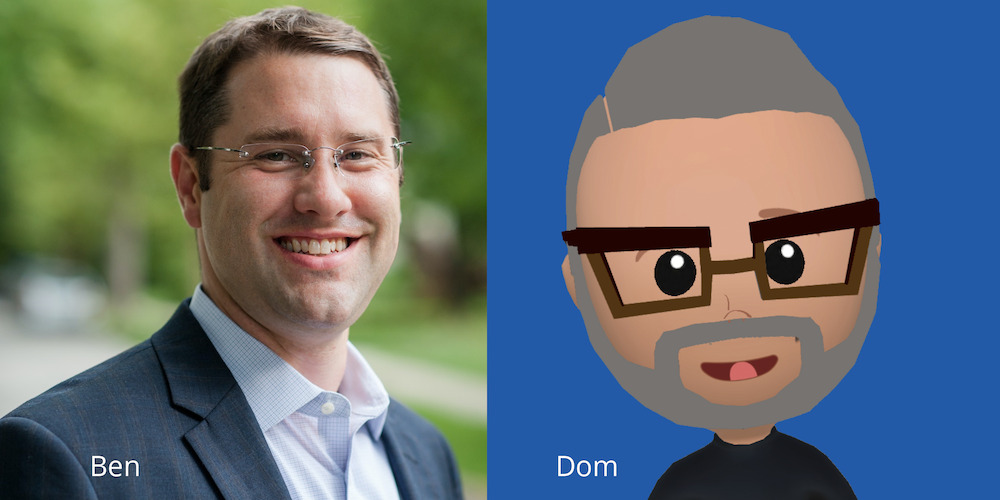
    You’re probably wondering who the funny avatar startup founder is and why he doesn’t have a “real” head shot. That guy is Dom Raban, the founder and CEO of Xploro, an international award-winning startup that removes the fear and anxiety kids feel when facing serious illnesses and treatment. And Xploro does it in a way that meets kids on their level, through interactive digital content that looks like their favorite games. One the Dom’s claims is that this “gamification” approach not only informs kids, but it also eases their anxiety so once they get to the hospital, they know what to expect. As a father of three whose kids have been known to freak out at a regular doctor’s appointment, I immediately saw the value. I invited Dom to a VisionTech Angels Screening Committee meeting earlier this month. The group immediately saw Xploro’s potential and invited him to present at our October 26 pitch events. Here’s a preview.

    BP: How does a startup from Manchester, England, land in Cleveland, Ohio?
    DR: That’s a long story so I’ll try to make it short. In 2021, I was introduced to the venture arm of University Hospital Cleveland Medical Center by Plug and Play, an accelerator. We co-developed a project together and it went so well, they wanted to invest in us. We also worked with Jumpstart Cleveland. The state is home to top children’s hospitals, one of which recently became a customer. So in the end, Ohio chose us for our U.S. office. The Midwest location makes it easy to reach out to the rest of the country and is more affordable than the West and East Coasts.

    BP: How did you find out about VisionTech Angels?
    DR: JumpStart Cleveland has been a great connector for us. They introduced us to Boomerang Ventures, which led to an introduction to VisionTech Angels. I’m also a friend and colleague of Lindsay Watson, whose company Augment Therapy is a VisionTech Angels portfolio company. She put in a good word for you.

    BP: Tell me a little about yourself and your background as an entrepreneur.
    DR: Except for a time in college where I delivered pizzas, I have always been an entrepreneur. For the last 30 years, I’ve been founding and running digital and creative agencies that specialize in the design and development of games, mobile and emerging tech. As a designer, I’ve always been drawn to interactive design and software that prioritizes human-centered design. I enjoy looking at things from the end user’s perspective and designing for their needs and goals.

    BP: Where did the idea for Xploro originate?
    DR: When my daughter Issy was 13 years old, she started taking horseback riding lessons. When she started learning how to post with the horse’s trot, she had extreme pain in the tumor in her sacrum. She was given morphine for two weeks before being diagnosed with Ewings Sarcoma, a bone cancer. When meeting with doctors, they talked to us, her parents, not recognizing Issy and her need to know. So like any other person, Issy went to Dr. Google to do her own research. The first thing she sees is her type of cancer has a 20% survival rate. The lack of information made her incredibly anxious and although she is now cancer-free, she is still reluctant to engage with healthcare providers.

    I discovered from other parents that Issy’s experience is common. Anxious patients are expensive patients due to the lack of age-appropriate information. It causes anxiety, repeat testing, more sedation, higher medical costs, poorer clinical outcomes, problems at home, longer appointments—the list goes on.

    I knew there had to be a better way so starting in 2016, when my agency had downtime, we started working on the Xploro platform. In 2019, it was officially spun out as a standalone company and here we are, changing how kids approach health challenges.

    BP: Explain what Xploro is and how it works.
    DR: Xploro is a disease-agnostic, patient-engagement platform that uses augmented reality, AI, and game play to deliver health information to young patients ages six to 14 to reduce anxiety and improve procedural efficiency. Xploro’s purpose is to prepare kids for the unfamiliar and “scary” environments and processes they experience during diagnosis and treatment of a serious disease. It educates them in a way that’s accessible and familiar: in an interactive game-like format they use on a phone or tablet.

    Here’s how it works. The child creates their own avatar “friend” who guides them through the information. Their Xploro avatar can look just like them in terms of race or gender or totally different; it’s up to the child. This builds trust. Here are some examples of what a child learns. How an IV works. They see an arm, how the needle goes in and how to breathe to relax. They can experience an MRI in Xploro so when they see the actual machine, it’s familiar. And rather than giving a kid access to Xploro the day they come to the hospital, they get it days in advance, so they learn what to expect in a way that calms anxiety before it starts.

    Reducing a child’s anxiety with Xploro, reduces repeat procedures, reduces the need for procedural sedation, encourages adherence, encourages patient-reported outcomes, better supports caregiver staff, and ultimately leads to better outcomes. 

    BP: Where are you in terms of commercialization?
    DR: Xploro is live. Our first customer was Boston Children’s Hospital, the second ranked pediatric hospital in the U.S., which was great validation. The top ranked pediatric hospital, Cincinnati Children’s is now a customer as is Chicago Comer Children’s, Corewell Health Helen DeVos Children’s Hospital, University Hospitals, plus a number of children’s hospitals in the United Kingdom. Our annual recurring revenue has grown by 54% since the fundraising round was originally priced in January. We’ve had so much success with pediatric cancer, we’re now building the Xploro platform out for any patient, any age, any condition, anywhere.

    BP: Do you have intellectual property protection?
    DR: We’ve protected our name and URL and applied for patents. No patents to date.

    BP: How big is your market?
    DR: The pediatric healthcare market that includes primary, secondary, and tertiary care is $70 million and is based on children’s healthcare providers purchasing information solutions. Our objective is to expand the Xploro platform to adults in 2025, which will dramatically increase our market size.

    BP: You seem to have a number of competitors. What’s your advantage over them?

    DR: You’re right, Ben. It’s an emerging market and there are a number of competitors trying to solve the information gap for the pediatric market. We’ve done three things to differentiate Xploro from all the others. First, we’ve positioned our platform for kids, somewhere between Pokémon Go and The Sims. Our production value is really high, definitely on the level of these games, so kids feel comfortable from the start. Our competitors position their solutions as hospital-provided information, which turns kids off. Second, we don’t require special hardware such as a VR headset. All of our content is accessible on a phone or tablet. Again, kids feel right at home engaging with Xploro. Third, we have published academic research that shows using Xploro reduces anxiety in kids, caregivers are more efficient and satisfaction rates are high.

    BP: What round is this?
    DR: This is a seed round with the goal of raising $1.7 million. We’ve already closed on $1.45 million and want to close on remaining amount by mid-December. We don’t plan to oversubscribe the round so those who want to invest should act quickly.

    BP: What is your planned use of funds?
    DR:The funds we’re raising will go to develop content for new treatment and disease areas, build out the sales and customer success function and extend our runway through 2025.

    BP: Give me three reasons why VisionTech Angels members should invest in Xploro.
    DR: That’s easy: Team, Traction and Trust. Our whole team is fantastic, but I’d like to call out Stefan Agamanolis and Joe Kemp, Stefan is our chief strategy officer and has spent more than a decade at Akron Children’s Hospital in Ohio as director of patient experience and chief innovation officer. He really understands the customer side. Joe is our technical wizard and strategist. He has 20 years of experience building immersive technologies for companies like Sony and is the perfect fit to lead our tech team.  We have traction, which is validated by having the top two children’s hospitals in the United States as customers. Trust comes in from Boomerang Ventures, which was very thorough in their due diligence of Xploro and has closed their investment.

    BP: What does your daughter Issy think about all of this?
    DR: Issy’s now grown up and started her own career. She’s very proud of what we’re doing. She’d just rather not be the “face” of Xploro. (Laughs)

    VisionTech Angels’ Virtual Pitch Events will be held Thursday, October  26 at 12 noon ET and 6 pm ET. Pitch events are open to our members and accredited investors interested in joining our group. To register, check your email for an invitation or visit our Events page where you’ll find the RSVP links. You can also email Ben Pidgeon at bpidgeon@visiontech-partners.com.

    The two Dom Rabans
  • Meet October Pitch Presenter Alli Truttmann of Wicked-Smart Pad: Real-Time Relief for Vulnerable Seniors

    Meet October Pitch Presenter Alli Truttmann of Wicked-Smart Pad: Real-Time Relief for Vulnerable Seniors

    Alli Truttmann, CEO of Wicked Technologies, is on a mission to solve an extremely painful and costly problem among the elderly and their caregivers: bed sores. Perhaps better known as pressure ulcers, these sores are made much worse by a person’s incontinence and lack of a timely response from caregivers. When I met Alli, she shared the story of her grandma, Shirley, and how it inspired her to create the Wicked-Smart Pad™, a solution that has the potential to bring dignity and dryness back to the elderly and enable for responsive care. I invited Alli to a VisionTech Angels Screening Committee. The group immediately saw the potential and invited her to present at our October 26 pitch events. Here’s a preview.

    BP: How did you find out about VisionTech Angels?
    AT: I was working with Elevate Ventures and participating in one of their life sciences pitch competitions. Knowing how strong Indiana’s life sciences ecosystem is, particularly medical device and drug discovery, I asked Elevate if there were angel groups in the state that might be interested in investing in my company. The first group out of their mouth was VisionTech Angels. Meeting Ben and learning more about the group’s members and expertise, I knew it was the perfect group to engage with.

    BP: Tell me a little about yourself and your background as an entrepreneur.
    AT: I went to college to become a child psychologist working with kids on the spectrum. After tearing my ACL playing indoor soccer, I realized I would not be able to do active physical therapy with kids—I’m a get down on the floor kind of therapist. So I had to find something else. I pivoted to health care when I began having night sweats. Realizing there had to be a better option than regular sheets, I developed moisture wicking sheets and founded Wicked Sheets, LLC, in 2008.

    I’ve always been close to my grandma, Shirley Truttman. In her 90s, she suffered from dementia, mild incontinence and bedsores. She also had very sensitive skin, which was aggravated by the moisture of incontinence. So I got her on Wicked Sheets to help keep her dry. Unfortunately, she died from incontinence-related bedsores at age 94 in 2017. See grandma and grandpa suffer through this inspired me find a better solution for elderly people, their families and caregivers.

    BP: Where did the idea for Wicked Technologies come from?
    AT: I have to give COVID some credit here. Because of supply chain issues caused by COVID, I had sheets sitting on ships off the coast of California. Wanting to keep my team busy, we started working on an incontinence pad. I even filed a patent on the idea without the technology. I had a friend who was an entrepreneur in residence at the University of Louisville. There was a professor who had a wearable sensor to detect sweat. Sweat’s a lot like urine. I thought, ‘Why can’t we use this sensor to detect urine and help stop moisture-related bed sores?’ So I applied for an SBIR grant from the National Institutes of Health (NIH) and was awarded $500,000. I put Wicked Sheets on pause, and it was off to the races with Wicked Technologies and the Wicked-Smart Pad.

    BP: How big is the problem?
    AT: Huge! Incontinence in older adults is very common. It’s estimated 13 million live with incontinence. One in ten will develop incontinence-related bedsores from urine, which is very acidic and painful on thinning skin. From a financial perspective, the cost of bed sore treatment is estimated to  be $39 billion. And that doesn’t include the 17,000 annual lawsuits over bedsores.

    BP: Explain your solution.
    AT: The Wicked-Smart Pad is designed for senior care facilities, with future versions for aging in place and hospice It is a washable, dryable pad with sensors that detect in real time a moisture event and sends an alert to the caregiver. This alert goes to a dashboard of choice: nurses’ station desktop, smart phone or tablet. A second alert is sent to ensure a timely response of cleaning the person up, changing undergarments or diaper, and replacing the pad. The soiled pad is laundered for reuse. What’s impressive is the sensors detect can detect as little as one ounce of urine in less than 15 seconds.

    There are a number of benefits. First, quicker response to incontinence events that helps avoid a person lying or sitting in urine-soaked garments or beds. Second, it is so much easier to replace a pad than it is to strip, sanitize, and remake a bed after an incontinence event. It’s also safer for the patient. Third, the data from monitoring patients and the frequency and volume of their events is invaluable to understanding their conditions and care needs. Also, communications are encrypted and wirelessly transmitted. Watch a demo here.

    BP: Do you have intellectual property protection?
    AT: We have one non-provisional patent, two provisional patents, an exclusive option with the University of Louisville Research Foundation and another that we are considering.

    BP: Where are you in terms of commercialization?
    AT: We’ve got a lot going on. We’re working with regulatory and quality management consultants on our FDA clearance and manufacturing controls. We’re pursuing an FDA approval as a Class 1 medical device, which is 510(k) exempt. We think that will take five to six months to clear. We’ve hired a quality consultant in Indianapolis who came highly recommended. We’re also working on our reimbursement code.

    What’s very exciting is we have an active NIH pilot in Louisville with an Atria Senior Living and have two-paid pilots with Atria Senior Living scheduled to begin in the next several months.

    BP: What’s your go to market strategy?
    AT: We are learning a lot with our current pilot. A key validation is a 300% improvement in staff response time to incontinence events. Once the three scheduled pilots are completed and we have our FDA clearance, reimbursement code and manufacturing processes locked in, we will be ready to scale. In 2024, that includes implementing across Atria Senior Living’s portfolio of 370 communities. Followed in 2025 with implementations at Glennis Solutions properties. They currently have more than 1,000 communities in their portfolio. We’ll also start looking at a new category, assisted living communities, for additional expansion.

    BP: Any competitors? How are you different?

    AT: There are a  lot of incontinence management products on the market, the most recognizable being adult diapers. Most, however, are single use, do not have sensor capabilities or monitoring, and are more about capturing urine rather than detecting when a person urinates. The Wicked-Smart Pad is truly tech-enabled with real-time detection and monitoring, caregiver alerts, being wireless, and finally reusable through simple laundering. Finally, it takes five minutes to change our pad versus the 45 minutes it takes to clean up a person, change their clothes, and sanitize and remake a bed.

    BP: What round is this?
    AT: This is a Series A round with the goal of raising $1.58 million This gives us 16 months of runway, and potentially more based on sales.

    BP: What is your planned use of funds?
    AT: Half of what’s raised will go to building our inventory. Another 25% will go to continuing product development and the rest to salaries and selling, general and administrative expenses.

    BP: Why should  VisionTech Angels members invest in Wicked Technologies.
    AT: First, when you look at the comfort, health and dignity of the elderly coupled with labor shortages in the senior care space, the need for a high-impact, technology-enabled solution is great. Second, I’ve spent the last 14 years developing high performance wicking fabrics that I’m now enhancing with sensor technology. Third, we have a clear path ahead with our pilots and roll-out strategy in 2024-2025. Lastly, our approach to developing the Wicked-Smart Pad has been to go to senior living stakeholders and ask patient care directors what they need and build to those needs.

    VisionTech Angels’ Virtual Pitch Events will be held Thursday, October  26 at  Noon and 6 p.m. ET. Pitch events are open to our members and accredited investors interested in joining our group. To register, check your email for an invitation, go to our Events page where you’ll find event information and the RSVP links. You can also email Ben Pidgeon at bpidgeon@visiontech-partners.com.