Tag: June Pitch Week

  • Meet June Pitch Presenter #2: Ody, De La Paz CEO, Sensytec, Inc.

    Meet June Pitch Presenter #2: Ody, De La Paz CEO, Sensytec, Inc.

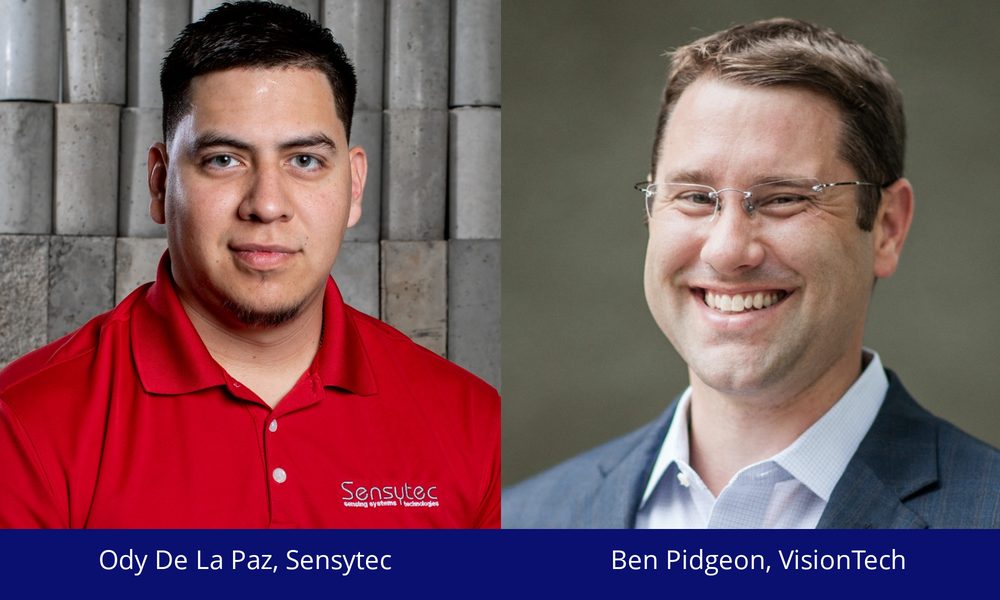
    While we were reviewing companies for June Pitch Week, a colleague at Lateral Capital, a micro VC in Sarasota, Florida, suggested VisionTech Angels take a look at Sensytec, a tech company out of Houston with a solution for the concrete industry. When I connected with the company’s CEO and Co-founder Ody De La Paz, he explained just how old school the concrete industry is and as a result, what a bottleneck and budget buster it’s become for the construction industry. Their solution is two-pronged, wireless real-time monitoring of concrete and an app that keeps a contractor’s fingers on the pulse of a job’s concrete, potentially saving a tremendous amount of time and money. The VisionTech Screening Committee and I invited Ody to present during our June Pitch Week. Here’s a sneak preview. I hope you’ll join us to hear Ody and participate in the discussion on this investment opportunity.
    BP: How did you get involved in the concrete industry?
    OD: I worked in the construction industry in my late teens and early 20s and found out quickly that working with concrete, specifically pouring and breaking test cylinders, was back-breaking work. I literally waited for the concrete trucks to come to the job site, they’d fill my wheelbarrow, I’d shovel the wet concrete into cylinders, wait for it to dry, and then break the cylinders to see if it had set correctly. It was time consuming and  like I said, back breaking!

    Later, as a student in the University of Houston’s entrepreneurship program, I met Anudeep Reddy, a civil and structural engineering student. He was working on a “smart cement” technology for monitoring the structural health of concrete and cement. I was intrigued. We started working together and in 2016 we co-founded Sensytec.

    BP: What pain point did you see in the market?
    OD: Concrete is a paint point for the construction industry. (Laughs) As complicated as it can be, the process of pouring, curing, and monitoring concrete is pretty much a guessing game. It’s largely reliant on manual tests that involve casting test cylinders, waiting for them to cure, and sending them to a lab to perform a break test. This is extremely time consuming. There are also many variables that can go wrong with concrete such as weather, the wrong mixture of water and cement and human error. During this last year, we’ve seen a labor shortage, causing more issues. Finally, problems with concrete can set a project back weeks and when a project goes past a deadline that costs money and contractors lose bonuses for meeting deadlines.

    Our solution, called SensyRoc™, is a wireless sensor that is embedded into the concrete as it’s poured. The sensor collects real-time data as the concrete cures, sending it wirelessly to our free mobile app where users, contractors, and their teams can instantly see and share what is happening with the concrete. Monitoring in place with Sensytec means no more cylinder tests are needed, less manual labor is needed and no waiting days for results. It’s all there on their smart phones when they need it, which is usually now. Time is money, and if you can save even a day on pouring, that’s significant. On average, we save contractors two days per pour on their projects, which equates to about $7,000- $10,000 a day.

    BP: That’s impressive. What kind of data are you tracking?
    OD: We’re tracking and monitoring a number of things like the in-place temperature of the concrete as that impacts the quality of the cure. We’re also tracking the setting time and compressive strength. And finally, the thing that really sets Sensytec apart is that we’re monitoring the electrical resistivity. When concrete is poured there can be voids, air pockets if you will, that won’t be detected by monitoring temperature alone. Electrical resistivity identifies the nature of voids. If there’s a problem, it can be addressed immediately and not weeks, months, or years down the road when it could become a structural or even liability issue. Electrical Resistivity also provides data on Hydration of concrete, water & cement ratio, and slump of concrete allows contractors to fully understand their concrete mix and better optimize their mix designs for their projects.

    BP: What kind of IP do you have?
    OD: We currently hold a worldwide patent on Smart cement technology and have a patent pending on SensyRoc that is intended to also be a worldwide patent. These patents are protecting the electrical resistivity measurements using embedded sensors in concrete, asphalt and other materials.

    BP: What kind of traction do you have?
    OD: We are commercial with our sensors in Texas, Oklahoma, Florida, Minnesota, and Iowa. Some of our customer are Flatiron, Meyer Contracting, Harvey Builders, and Silverstar Construction.

    BP: What is the competitive landscape?

    OD: There are competitors in this space. Hilti, which is a large supplier to the concrete industry, has a sensor solution. There’s also Giatec and Kryton that offer monitoring solutions. These products are all the same tech and only use temperature measurements. What sets us apart though is the electrical resistivity measurements. When concrete is poured, there can be voids, air pockets if you will, that won’t be detected by monitoring temperature alone. Electrical resistivity identifies the nature of voids. If there’s a problem, it can be addressed immediately and not weeks, months, or years down the road when it could become a structural or even liability issue. Electrical resistivity also provides data on hydration of concrete, the water and cement ratio. This allows contractors to fully understand their concrete mix and better optimize mix designs for their projects.

    BP: What is the potential for exit?
    OD:  Potential acquirers include large tool companies like DeWalt and Bosch that are adding to their technology solutions. RediMix, which is the leading concrete company in the U.S., is another potential acquirer.

    BP: What will this round be used for?
    OD: We are raising a $1 million seed round which we will use to expand outside of Texas, scale our manufacturing, and make key hires in sales, manufacturing and electrical engineering.

    BP: Why should VisionTech investors back you?
    OD: The concrete sector of the construction industry has tremendous room for improvement as it is still reliant on time-intensive manual processes. We believe there is a significant opportunity as our sensors and app will save contractors a tremendous amount of time and money. We are specifically looking for investors who bring more than capital and will serve more as partners in our growth and can potentially make introductions in the construction industry.

    To learn more about Sensytec, visit their website. VisionTech Angels’ June Pitch Events will be virtual on Tuesday, June 22 and Thursday, June 294at 6 p.m. Pitch events are open to our members and accredited investors interested in joining our group. To register, check your email for an invitation, go to our Events page or email Ben Pidgeon at bpidgeon@visiontech-partners.com.

  • Meet June Pitch Presenter #1: Jim Hussey, CEO, Seneca Therapeutics

    Meet June Pitch Presenter #1: Jim Hussey, CEO, Seneca Therapeutics

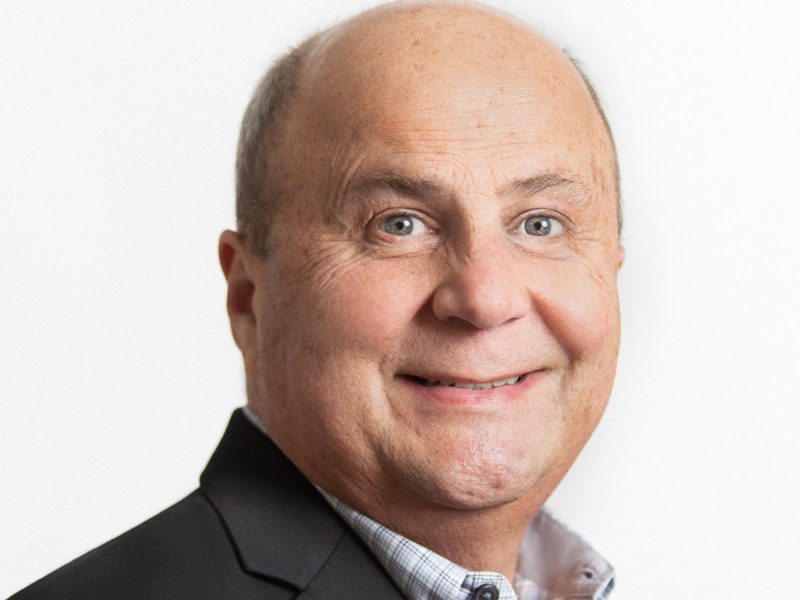
    Life sciences are a sweet spot for VisionTech Angels so when I met Jim Hussey, CEO of Seneca Therapeutics , at the ACA Life Sciences Syndicate meeting and learned about their virus that combats “cold” cancer tumors, I thought our group would be interested. Cancer therapeutics tend to be a long haul for investors, but Seneca is starting its Phase 2 trials of their lead asset, SVV-001, an oncolytic virus that shows significant clinical benefit in neuroendocrine tumors. Specifically, SVV-001 works to turn cold solid tumors hot and therefore treatable with immunotherapies. The VisionTech Screening Committee and I invited Jim to pitch during our June Pitch Week. Here’s a sneak preview. I hope you’ll join us to hear Jim and join in the discussion on this investment opportunity.


    BP: Seneca Therapeutics has a strong leadership and scientific team. Tell me about your founder, Paul Hallenback, and yourself.
    JH: We are really proud of the team we’ve assembled. Paul Hallenbeck is our founder, president and chief scientific officer. He’s spent the last 27 years in the biotechnology industry with tremendous expertise in all phases of cancer immuno-therapeutics R&D. Paul is also a serial entrepreneur and was the sole founder of Neotropix, where he raised $30 million in venture capital. Now with Seneca, Paul has led our lead asset, SVV-001, through IND approval and completed several Phase I/II clinical trials, establishing its safety and early evidence of efficacy. 

    I’ve spent my entire career in the pharmaceutical and biotech industries, the last 27 years in C-suite positions.  I left Morphosys—where I was president of the U.S. business—and joined Seneca because of the enormous upside of SVV-001. My focus is positioning Seneca for our Series B and ultimately an exit or partnership with big pharma with a highly favorable, near-term return for our investors.

    BP: I’m not an oncologist so please explain the issue here.
    JH: Certainly! Immunotherapy drugs are very effective on some types of cancers because they enable the body’s own T-cells to find and kill cancer cells. However, for these drugs to work, the tumor must be functional, hot and inflamed. The issue is many solid cancer tumors are cold and not inflamed so the immune system does not recognize them as foreign and does not attack the tumor. As a result, cold solid tumors do not respond to promising immunotherapies.

    There is a significant gap in the percentage of cancer patients who respond to immunotherapy. About 12.5% of tumors do respond and about 44% do not respond to the newer immunotherapies primarily because of cold tumors. So how do we enable the body’s immune system to get to work?  Oncolytic viruses like SVV-001 are unique in the ability to turn cold tumors hot and respond to immunotherapies like checkpoint inhibitors.

    Checkpoint inhibitors like Keytruda and Opdivo you’ve probably seen advertised are immunology drugs that work by blocking checkpoint proteins from binding with their partner proteins and sending an “all clear” message to the body. Using SVV-001, an oncolytic virus, the previously cold tumor is recognized as hot and the T cells do their job, which is attacking the cancer cells and allowing the checkpoint inhibitor to work.

    BP: What is novel about your lead asset, SVV-001?
    JH:  SVV-001 is small in size enabling rapid, potent, and efficient distribution and infection within tumors. This infection turns the tumor hot and leads to tumor cell death.  SVV-001 is a “best in class” oncolytic virus drug because of its “TEM8” advantage which makes it the most cancer-specific oncolytic virus. What TEM8 does is provide the opportunity to define the population where SVV-001 mediated therapy can make a major impact in terms of treatment response and outcomes. Due to the presence of TEM8 on more than 60% of solid tumors, we predict that more than 60% of patients may benefit. This would dramatically increase the number of patients with solid cancer tumors that respond to immunotherapy drugs.

    BP: What types of cancer is this best utilized for?
    JH: Ultimately, SVV-001 could be utilized in any type of solid tumors expressing TEM8 such as breast cancer, lung cancer and pancreatic cancer.  Seneca is currently focused on neuroendocrine tumors and neuroendocrine carcinoma.

    BP: What kind of IP do you have?
    JH: When the mechanism of action (binding to TEM8) for SVV-001 was discovered in 2017, it allowed new IP to be filed and issued through 2040.  There is other IP as well covering the gene delivery technology for SVV-001.

    BP: Where are you in the commercialization process?
    JH: We hope to file our BLA (biologics license application) with the FDA in the fourth quarter of 2023 and have this therapy on the market by second quarter 2024.

    BP: What does the market look like for an oncolytic virus like SVV-001?

    JH: The market for oncolytic virus platforms is robust with a tremendous amount of activity in the last three years and a lot of potential for additional exits. Some highlights include a $1 billion plus exit of BeneVir to Johnson & Johnson and a $900 million exit of Turnstone to Takeda. Both were pre-clinical, which says a lot about the level of interest. Here’s another—Replimune completed an IPO in July 2018 and now has a valuation of $1.6 billion and they’re currently in Phase II clinical trials. You also have Merck and Boehringer Ingelheim that have made acquisitions.

    BP: What will this round be used for?
    JH: We completed our Series A February 1 and are now raising a convertible bridge round leading into our Series B this fall. The bridge gives us additional time and flexibility as we plan the next round of Phase II and III clinical trials. The time and flexibility is for completing the animal data before we begin the clinical trial this fall and for negotiations with potential strategic pharma partners or VCs.  Our goal is to raise $5 million in our Series B and we have around $3 million left to raise.

    BP: Why should VisionTech investors back you?
    JH: The risk reward is very favorable. This is a later stage asset, with substantial human and animal data. We also have a ton of positive data from 76 humans who have received SVV-001 and that data supports the premise that SVV-001 solves the cold tumor issue. Turning cold tumors hot and therefore receptive to immunotherapies is a significant development for patients whose tumors were previously not responding to immunotherapies.

    To learn more about Seneca Therapeutics, visit their website. VisionTech Angels’ June Pitch Events will be virtual on Tuesday, June 22 and Thursday, June 294at 6 p.m. Pitch events are open to our members and accredited investors interested in joining our group. To register, check your email for an invitation, go to our Events page or email Ben Pidgeon at bpidgeon@visiontech-partners.com.

  • Brickell Biotech Added to June Pitch Week Line-up

    As VisionTech Angels know, I hate to turn away interesting investment opportunities. That’s why our selection committee reviews some 400 startups a year; we’re hoping for a unicorn. So when Brickell Biotech contacted me earlier this week to see if they could participate in VisionTech’s June Pitch Week, I agreed to take a look.

    Ben Pidgeon, VisionTech Executive Director

    It didn’t take long for me to invite the Boulder, Colorado-based company to come on the road with me for Pitch Week, June 24-27, and pitch to VisionTech Angels’ chapters in Lafayette, Dayton, OH; Fort Wayne, Bloomington, and Indianapolis.

    Here’s what caught my eye about Brickell:

    Brickell is a clinical-stage pharmaceutical company focused on differentiated innovative prescription therapeutics for treating debillitating skin diseases. Their lead pipeline asset, sofpironium bromide, is a topical soft anticholinergic intended for axillary hyperhidrosis (uncontrolled excessive sweating) that recently completed Phase 3 in Japan, successfully meeting all primary and secondary endpoints, via Brickell’s partner, Kaken Pharmaceutical Co., Ltd. Brickell is eligible to receive sales-based milestones and royalties of future net sales from Kaken in Japan and other Asian countries.

    The market for sofpironium bromide is large. There are many individuals living with hyperhidrosis. Roughly 15.3 million in the United States alone suffer from hyperhidrosis. This condition is chronic and has the tendency to negatively impact virtually all important aspects of life.

    A competitor is paving the way for reimbursement in the United States. Dermira, a public company valued at $550 million, recently launched the first topical prescription treatment for hyperhidrosis, Qbrexza®, approved by the FDA. Brickell’s investigational product is being developed to offer potentially unique differentiating features that the company believes could be best-in-class.

    Brickell just announced a reverse merger with Vical Inc. (Nasdaq:VICL) and, in combination, is raising $25 million from a prominent life sciences investment firm to fund the pivotal U.S. registration trials that Brickell intends to start in Q4 2019. Brickell will merge with a wholly owned subsidiary of Vical in an all-stock transaction. When finalized, the combined company will operate under the name, Brickell Biotech, Inc., and trade on the Nasdaq under a new ticker symbol to be determined. Brickell will own 60 percent of the new company. Read the release here>

    Here’s the deal for VisionTech Angels investors: Brickell is raising $10 million in a convertible debt offering to get through the closing of the reverse merger. Just under half is already subscribed from current investors and the leadership team’s own personal investments, with an additional $1 million in commitments from two venture capital firms. The reverse merger is scheduled to close prior to the end of Q3 2019. The new company is estimated to have a post-merger valuation of approximately $90 million. Funds from the merger will get Brickell through completion of a Phase 3 clinical trial of the lead pipeline asset, sofpironium bromide, in the United States.

    Brickell’s management team is impressive. Its members have launched multiple billion-dollar blockbuster drug brands such as Prozac®, Cialis®, Taltz®, Cymbalta®, and Juvederm® and successfully built several biotechs that were acquired by big pharma at very attractive multiples. CEO Rob Brown and General Counsel David McAvoy are both former long-time Lilly executives.

    We now how two presenting companies for June Pitch Week, Xact Medical and Brickell Biotech and I’m excited by them both. If you have not RSVP’d yet, I encourage you to do so now. Find details here.


  • Xact Medical Uses Robotics to “Stick” Patients and Wants You to Join Them

    VisionTech Angels’ Executive Director Ben Pidgeon recently sat down with Andrew Cothrel, CEO of Xact Medical, to learn more about how the company is using point-of-care robotics to transform the process of “sticking” patients for placing ports or catheters needed for chemotherapy, parental feeding and other purposes, typically referred to as central vascular access. Last March, the International Pediatric Endosurgery Group awarded Xact Medical’s FIND system the 2019 IPEG Innovation Award at their annual conference in Santiago, Chile. Andrew will present Xact Medical during VisionTech’s upcoming Pitch Week, June 24-27. Read on!

    Ben Pidgeon, VisionTech Angels

    BP: Tell me about the genesis of Xact Medical.
    AC: It all started with a pediatric surgeon with a passion for innovation and robotics. Dr. Dan von Allmen, the chair of Pediatric Surgery at the Cincinnati Children’s Hospital, saw an urgent need for better vascular access in his pediatric surgical practice. Children’s veins are smaller, they’re harder to locate and require high-skilled clinicians to obtain vascular access. The problem is, hospitals don’t always have clinicians of the right skill level available when vascular access is needed for a line or a port. This is particularly true after hours, on weekends and in small hospitals.

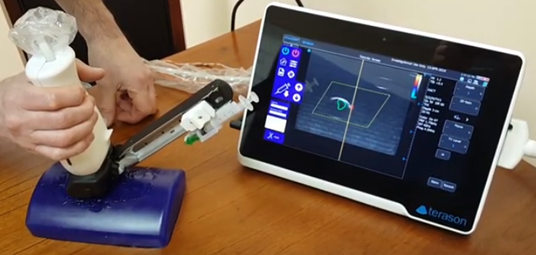
    Cincinnati Children’s Hospital has a research partnership with Ben Gurion University in Israel. While in Israel judging a competition, Dr. von Allmen met Hugo Guterman, an electrical and computer engineer and robotics expert with Ben Gurion University. While attending the competition , Dan shared his idea with Hugo and the two sketched it out over lunch. To their delight, the idea was funded during the conference based on the significant unmet in precision needle placement. Hugo and his research lab built the first prototype of what’s now called FIND—Fast Intelligent Needle Delivery—a robotic ultrasound transducer that automates ultrasound-guided needle placement in the body.

    BP: How did you get involved?
    AC: Cincinnati Children’s Hospital was excited about the FIND platform and reached out to me to explore commercialization opportunities. My advice to them was that a startup would be needed to ensure that the technology was fully developed and pediatric patients could benefit from it. Xact Medical was launched with the help of Cincy Tech, a public-private seed stage investor that provides a variety of resources and funding to life sciences and tech startups. In 2016, we (Cincinnati Children’s Cincytech, Ben Gurion, and me) co-founded Xact Medical and I was named CEO based on my 25 years of experience in medtech management and a shared passion for the FIND Platform and the mission to advance new technologies in the underserved pediatric patient population.

    Xact Medical CEO Andrew Cothrel

    BP: Talk to me about central vascular access. Why build a company around it?
    AC: Believe it or not, there are over five million central vascular access “sticks” performed each year, and millions more for peripheral vascular access. These aren’t simply needle sticks; central vascular access (usually in the jugular, femoral or subclavian veins or arteries) is done to deliver chemotherapy, feed a patient, introduce an instrument, or to place a catheter. It’s serious business and requires a highly skilled clinician, typically an interventional radiologist, surgeon, or anesthesiologist. When you factor in patients who are obese, have diabetes or other conditions, are very old or very young, the process can be very time-consuming, unpredictable, frustrating and painful.

    Let me share an example. The hospital has a pediatric patient scheduled for surgery who needs central vascular access procedure performed before surgery can start. The patient is in the OR and the surgeon and the surgical team are waiting. The anesthesiologist is trying to get the A-line in (peripheral arterial catheter) and having trouble. Two hours later, he’s still working on it. Meanwhile, you’re tying up an operating room, surgeon and surgical team, and patient’s procedure is significantly prolonged, including time under anesthesia. The longer a person is under, the higher the risk, not to mention the expense, while pushing the next surgery cases for that room to another location or later in the day, all adding costs to the hospital system.

    FIND uses the principles of man-machine teaming and advanced adaptive algorithms to automate the process and enhance clinician capabilities and control so they can precisely, quickly place a needle tip at any ultrasound-imaged point in the body. This is a platform technology with many clinical applications, so the unmet need was significant enough to form Xact Medical to commercialize the technology and ultimately position for an exit.

    See FIND at VisionTech Angels June Pitch Week

    BP: Where are you in development of FIND?
    AC: We’re moving quickly. The initial proof of concept is done and we now have a fully functional prototype we’re using for market research and large animal studies, with plans for a cadaver study. Once we get sterilization processes prepared, we’ll be ready for use on humans. We plan to begin clinical testing with healthy volunteers in Q3 and then move to FDA 510(k) clearance in Q4 FIND is a class 2 medical device and we don’t anticipate any issues; the FDA considers it safer to be stuck by a robot than a human.

    We’re also focused on patents. Cincinnati Children’s Hospital and Ben Gurion University own the original patents. Xact Medical holds the exclusive global license. We’ve also submitted two provisional patents in the U.S. with another three more in the works.

    BP: What barriers to adoption do you anticipate?
    AC: Selling into hospitals. (Smiles.) Any new technology has to go through value analysis and capital request committees, which can draw out the sales cycle. In addition, behavior change is the other potential barrier as humans generally don’t like to change how they currently do things. We spent a lot of time making sure the FIND system fits seamlessly into current workflows. We also made FIND intuitive so most people are proficient in minutes. The best approach is to let physicians play with the system and then observe their reactions. They literally get giddy.

    BP: What is Xact Medical’s commercialization pathway?
    AC: Our plan is to launch nine beta sites in the first half of 2020. We’re in the process of lining up three children’s hospitals, three research hospitals and three general hospitals for the beta now. We’ll expand rapidly from there, launching in pediatrics first.

    BP: Why should VisionTech Angels invest in Xact Medical?
    AC: I’ll give you four reasons. First, the market need is rock solid; there are millions of central and peripheral vascular sticks each year that the FIND Platform can address. Second, with robotics and adaptive algorithms we can “de-skill” the workforce required to place needles as we increase safety and efficiency and reduce costs. Third, we have a leadership dream team with experts in all of our functional areas. Finally, we designed Xact Medical to be acquired and right now there are six companies that are solid exit prospects.

    To learn more about Xact Medical, visit their website. For details on VisionTech Angels’ June Pitch Week, visit our events calendar.