INDIANAPOLIS, Indiana (May 28, 2025) – – Despite recent gyrations in the U.S. economy, VisionTech and its network of 120-plus angel investors continue to back entrepreneurs whose technology has the potential to disrupt and transform entire market categories. In the first four months of 2025 alone, VisionTech has invested $1,003,600 million in eight deals, with participation from 65 investors.
Three of VisionTech’s early 2025 deals are new investments made in companies with deep Indiana connections:
HAPPE Spineis commercializing the INTEGRATE-C interbody fusion cage that supports faster bone growth thanks to proprietary materials and manufacturing processes. Founder, CEO, and inventor Ryan Roeder earned his undergraduate, graduate and PhD degrees from Purdue University; completed a fellowship at the Indiana University School of Medicine; and is now a Notre Dame University research professor. HAPPE’s platform technology can be applied to a range of other implanted medical devices. VisionTech investors wrote checks totaling $274,850 to HAPPE.
Oro Muscles is revolutionizing rehabilitation with AI-powered real-time, actionable insights into muscle activity with live biofeedback and instant analysis. Already, more than 50 percent of Major League Baseball teams, Major League Soccer, and other elite professional and collegiate teams are using Oro Muscles’ technology. The company was co-founded by Rose Hulman Institute alumni Tanya Colonna and Hobey Tam. VisionTech investors chipped in $191,250 to Oro Muscles.
SinuSauna has developed a respiratory wellness product that employs dry heat rather than messy liquids to keep nasal passages clear. Two of SinuSauna’s co-founders, Drs. Jack Townsend and Matthew Zielenski, are graduates of the Indiana University School of Medicine. The company was launched out of Indianapolis’ Boomerang Ventures. VisionTech investors contributed $146,500 to SinuSauna.
VisionTech’s five remaining investments were follow-on rounds in current VisionTech portfolio companies totaling $391,000. They include:
VisionTech Executive Director Ben Pidgeon says he’s not surprised by the level of his group’s investments so early in 2025. “Our deal flow continues to offer high potential opportunities to invest in promising early growth companies. Our investors have a passion for startups and appreciate being involved in early-stage companies that are on the cutting edge of innovation. They are not just writing checks; they interact with the founders and CEOs, drive our due diligence process, provide mentoring, and participate on our portfolio companies’ boards. Our investors enjoy making an impact with our portfolio companies.”
Angel investing is a class investing where accredited individual investors and groups provide capital to startup companies, typically in early stages of commercialization, in exchange for convertible debt or ownership equity. The VisionTech model of angel investing provides structure and autonomy.
“We have proven processes for screening, due diligence and portfolio management; the best practices of the Angel Capital Association; and national and state connections critical for quality deal flow. Along with that, each member drives their own destiny. They decide what deals to invest in and how much as well as how involved they want to be with our portfolio companies,” Pidgeon says.
“Our members have their fingers on the pulse of some of the hottest, most innovative technology around. It’s fun!” he adds.
VisionTech is not resting on this early success. Two exciting companies in the life sciences and pharmaceutical space pitch the group in May, with another pitch set for June 2 with another disruptive pharmaceutical investment opportunity.
About VisionTech Founded in 2009, VisionTech is a privately held company that links investors to high-potential, early-growth companies. Based in Indianapolis, VisionTech’s angel investing network includes more than 120 active members across Indiana and Ohio. As of April 30, 2025, the group has deployed more than $32.6 million in capital, investing in 72 portfolio companies from Indiana and across the United States. VisionTech is a member of the Angel Capital Association. Membership is open to accredited investors. Those interested in joining are encouraged to contact VisionTech. For media relations, contact Melanie Lux.
VisionTech Angels enjoys strong deal flow, something I credit to our relationships with other venture groups in state and across the country. When our syndication partners have opportunities they believe are a good fit for our group, they send them our way. This ensures we see top quality deals, but also allows us to leverage due diligence. This is how I met Tim Blair, president of iCHOR. Queen City Angels liked Tim and iCHOR’s percutaneous clot retrieval system that improves patient outcomes and reduces surgical costs.The value proposition, leadership, and traction is compelling, so I invited Tim to present at our February 29 pitch events. Here’s a preview.
BP: How did you get involved with iCHOR? TB: The past 30 years, I’ve focused my career on medtech, medical device, healthcare consumables, and nutraceuticals. This includes sales, marketing, business development, operations and R&D across the peripheral vascular space. I spent more than nine years working at NAMSA, a medical device contract research organization, which whetted by appetite for improving technology and bringing devices to market more efficiently.
In 2018, I became president of a medical device company called iCHOR Vascular, a platform technology that is aimed at becoming the market leader in opening vascular occlusions related to vascular disease such as embolic and thrombotic events. Our goal is to be an elegant “first line on the table therapy” in treating peripheral vascular occlusions.
BP: Explain the issue you’re addressing. TB: The gold standard for removing peripheral blood clots are drugs (lytics) that essential break down clots over a few days. However 40-50% of patients are not candidates for lytics which means they receive a surgical thrombectomy or we intervene with stroke type technologies that are not always optimal for the issues in our peripheral vascular system. It should also be noted that drug and surgical therapeutic options have significant bleeding and surgical complications that can be minimized or eliminated with iCHOR technology.
Unlike data we now have on coronary disease and stroke, peripheral vascular occlusions are far less understood. Peripheral disease of arteries and veins in lower extremities is a fast-growing market with significant mortality rates. The tools and techniques to treat these conditions are outdated, don’t improve outcomes yet costs to treat are skyrocketing. What does treatment look like now? It’s either drugs to dissolve the clot which require several days in the ICU or surgery. We knew we needed new tools to address the shortcomings of today’s gold standard, drugs and surgeries. Patient outcomes have not budged in 50-plus years. This directly attributed to the lack of reasonable therapeutic options in the toolbox today.
BP: What’s driving the market? TB: The market is driven by an aging population, patients living longer, an increase in disease prevalence, increases in virus-related conditions that also increase prevalence, and things like opiates and other drug use. Today’s treatment options are less than perfect and extremely expensive. We need tools that are simple, effective, and equally address the economics that plague our healthcare industry.
BP: Explain iCHOR’s solution and value proposition. TB: The iCHOR system replicates successful parameters of surgical clot removal with a proven mechanism of action (balloon sweep) combined with on-demand embolic protection. iCHOR checks key boxes for physician end users and patients:
Non-surgical therapy
Non-drug therapy
Arresting flow avoids blood loss often associated with surgery or aspiration tools
Arresting flow avoids distal embolization of materials moving downstream
Designed to fit all anatomical vessels
Designed to always maintain sheath/wire access so physicians can make multiple passes quickly
Avoids scarring or valve damage associated with metal dragging tools like stent retrievers
Does not require capital equipment.
We believe iCHOR’s technology will become the new gold standard to treat peripheral blood clots because it’s easy to use, can treat a wide range of clot anatomy and morphology, and we address the economic issues associated with today’s therapies.
BP: What’s your competitive advantage? TB: Simplicity and familiarity. Our platform is built on techniques physicians have trusted for decades in surgery. Physicians aren’t having to be convinced of using something totally foreign or difficult to master. The mechanism of action is proven. We just made it minimally invasive. Once they use our iSWEEP device and discover how simple and effective it is, well, there’s no going back.
BP: You’ve assembled a strong leadership team and strategic partnerships. TB: We sure have! Our executive team all have decades of experience in the medtech industry and professional networks that are proven and trusted. Our scientific advisors include vascular surgeons, interventional radiologists and cardiologists, who are industry influencers and are actively involved in advising iCHOR so we can get better treatment options to market sooner rather than later. Lastly, we have partnerships with the Cleveland Clinic’s Global Cardiovascular Innovation Center; NAMSA, the testing gold standard for the FDA and globally notified bodies); Medical Murray, a best-in-class engineering and manufacturing company we’ve worked with previously; and experts in reimbursement, intellectual property and financial services. We are looking to add several more scientific advisors and strategic partnerships in the coming months as part of our go to market strategy.
BP: Where are you in terms of commercialization? TB: We have both market clearance from the FDA and published real-world efficacy data in a 25-patient test market. We continue to focus on market validation and real-world data from a clinical perspective, but also on technical and manufacturing validation. The venous device is currently being used in a limited market release and expect the University of North Carolina, Vanderbilt, and several other major health systems to come on board this quarter. Our next generation devices have already been submitted to the FDA.
Although we’re in the early stages of commercialization with this limited market release, we have started to execute our hybrid sales model which utilizes distributors, direct hires and 1099s. It’s an approach we’ve used successfully in the past.
BP: What’s the market size? TB: In a word, massive. This is a $4.7 billion available treatable market in the U.S. and $20 billion outside the U.S. for our current iCHOR arterial and venous technologies. Peripheral arterial disease and deep vein thrombosis is a rapidly growing market currently underserved with mechanical options. We believe our ease of use, effectiveness, less stress on patients, and the economics will make iCHOR devices the “go to.”
BP: What kind of IP do you have? TB: Our first patent was issued in the U.S. in August 2021. Our patents support the marketed product, which is not always the case with many patents. Our IP also supports the methods behind the procedures to prevent people from cobbling parts together to do what we do. Additionally, we have patent protection in Canada and the European Union. Our plan is to add to our IP portfolio as we extend the product line and indications for use.
BP: What round is this? TB: This is a Series A Equity Round with a $5 million ask. Queen City Angels is leading the round and we’ve gotten strong support from a number of other angel groups around the country. We currently have $4.2 million in and hope to close the round quickly so we can focus 110% of our efforts on commercializing iCHOR.
BP: What is your planned use of funds? TB: The proceeds of this raise will be used to fund R&D, quality and regulatory, sales and marketing, and administrative costs aimed at strong exit potential and an eventual positive balance sheet. We have a clear path of milestones laid out, and this funding will help us check the boxes our industry values.
BP: Give me three reasons why VisionTech Angels members should invest. TB: Sure! First, couple the addressable market for our iCHOR arterial and venous technologies ($4.7 billion) with the tremendous interest from physicians and it’s a huge opportunity. Second, our market clearance and early procedures are going well; we’re meeting our de-risking milestones which is critical. Finally, our valuation and terms are very favorable to investors, and we’d love to have VisionTech Angels investors involved.
VisionTech Angels’ Virtual Pitch Events will be held Thursday, February 29 at 12 Noon and 6 p.m. ET. Pitch events are open to our members and accredited investors interested in joining our group. To register, check your email for an invitation, go to our Events page where you’ll find the RSVP links. You can also email Ben Pidgeon at bpidgeon@visiontech-partners.com.
Justin Wiseman, CEO of MS Pen, has a long history with VisionTech Angels. While CEO and president of Prosolia, a Purdue startup that developed molecular imaging tools, he pitched the company to StepStone Partners, our group’s previous brand. Though we didn’t invest, he led Prosolia to a successful exit to Waters Corporation in 2018. Elevate Ventures suggested VisionTech take a look at his new venture, MS Pen, which seeks to diagnose tumors intraoperatively—in real time, during surgery. If successful, this technology has the potential to improve cancer survival rates and reduce healthcare costs. I liked MS Pen’s vision and pedigree, so I invited Justin to a VisionTech Angels Screening Committee. The group was impressed with the company’s vision to radically transform tissue diagnostics starting with lung cancer and invited him to present at our September 6 pitch events. Here’s a preview.
BP: Tell me a little about yourself. JW: I was born and raised in Indianapolis, went to Southport High School, worked at Lilly, before earning a PhD in Analytical Chemistry at Purdue University. During graduate school, I developed some technology that was spun out as a startup company, Prosolia. After seven years as president and CEO, the company had a positive exit to Waters, a tech company and leading provider of lab equipment, supplies, and software for scientists across the world.
In 2022, I was approached by the founders of MS Pen to help them scale the company. What’s interesting is the inventor of the mass spectrometry pen technology, which is the basis of MS Pen, is Dr. Livia Eberlin, who was a graduate student at Purdue. We had the same academic advisor and worked with some of the same people while in graduate school at Purdue. After meeting the team and reviewing the technology and vision to make molecular data on tissue samples available in real time during surgery to optimize treatment options for patients and improve survival rates, I was in.
BP: Explain the problem you are solving. JW: This will sound crazy, but modern cancer surgery still relies on a legacy, 117-year-old method to assess tumor margins during surgery. Here’s how it works. Surgeons remove suspected tissue from the patient, with the goal of complete removal of the tumor while preserving the surrounding margin of healthy tissue. A sample of the margin is sent to the laboratory where it’s frozen, cut, stained, and looked at under a microscope by a pathologist. At a minimum, it takes 30 to 45 minutes for the lab to process the sample while the patient is still in surgery. After that long wait, the results are still somewhat inconclusive. The extra time that the patient is in the operating room is unnecessary and increases the risk of post-operative complications. The biggest reason we need a precision medicine approach is locoregional cancer recurrence can be as high as 40%. This is not comforting for patients.
BP: Explain your offering and how it works. JW: MS Pen is developing a platform for tissue detection and diagnosis that combines the simplicity of our proprietary MasSpec Pen technology, the performance of mass spectrometry, and the power of AI/ML software. Our solution exploits the fundamentals of tumor biology to detect cancer on a molecular level in vivo to guide surgical decision making in real-time. Our initial focus is lung cancer, a deadly disease that claims more lives in the US and TX than breast, colon and prostate cancer combined, and where curative resection is highly dependent on intraoperative decision making. Using a hand-held device called the MasSpec Pen, a droplet of biocompatible solution is delivered to the tissue site. Diagnostic molecules are extracted from the tissue into the droplet. The droplet with the diagnostic molecules is delivered to the mass spectrometer for real-time analysis. The surgeon gets the results in seconds rather than hours or days. This allows the surgeon to make decisions based on the molecular patterns driving the disease rather than relying on what they see or feel in a patient and without waiting on the lab to get results back.
There are three main components of our solution: the MasSpec™ Pen, which can be handheld or robotic; the transportable medical mass spectrometry system console we call Ultiss™ that the pen is connected to; and the software powered by artificial intelligence and machine learning algorithms interpreting the data from the sample. The platform is easy to use, and is a faster, less intrusive and more accurate process.
BP: Why did you choose lung cancer as your first indication? JW: The platform is tissue agnostic, so we could have chosen any number of cancers including breast or pancreatic but decided on lung cancer as our first indication. Looking at the numbers, more Americans die of lung cancer each year—127,070—which is three times that of the second deadliest cancer, colorectal. Another factor is surgery is the number one treatment for lung cancer and there’s a more than 50% recurrence rate. We believe there’s lots of room for improvement in the first surgery if using the MS Pen platform when margins can be checked and validated with a high degree of accuracy.
Globally, the intraoperative lung cancer detection serviceable market is $2.1 billion, total addressable market is $6 billion.
BP: What are your competitive advantages? JW: Our fundamental competitive advantages are these. First, traditional methods involve taking a tissue sample and sending it to the lab during or post-surgery and don’t permit in vivo analysis of tissue prior to or during resection—taking a tissue sample while the patient is still undergoing surgery. MS Pen does not require a tissue sample and results are available at the point of care immediately.
The analysis done by MS pen is non-destructive to the tissue of interest or any surrounding tissue. No injectable products are required for our test. Finally, using the MS Pen platform during surgery does not disrupt traditional surgical workflows. The device is wheeled in and out of the operating room. The pen is handed to the surgeon just like any other instrument. It’s disposable so once used, you’re done.
BP: What is your path to commercialization? JW: The good news is that the MS Pen and platform are already being used in research by the Baylor College of Medicine, MD Anderson Cancer Center at the University of Texas and Johns Hopkins School of Medicine. To date, more than 20 surgeons have used the system with more than 200 patients. We’ve had more than 250 inquiries from around the world over the last 15 months. This includes Stanford Medical, the Mayo Clinic, Yale School of Medicine, Kings College London, and University of Bern in Switzerland to name a few.
To leverage this early traction, we’re launching a plug-and-play interface platform called Uniss™ for direct molecular analysis targeting clinical research in early 2024. The follow up is under development, an advanced data analytic and machine learning software to convert the complex metabolic data into actionable results. By 2006, we plan to launch the Ultiss™, an integrated platform that combines our MasSpec pen, a compact mass spectrometer and machine learning decision support software.
BP: Do you have IP protection? JW: Our IP protection is very broad on the device and how it works. We currently have six patents with more than 50 patents pending. Six or seven of those should be issued by the end of August.
BP: Any competitors? JW: Obviously, we aren’t the only ones who realize traditional pathology isn’t cutting it for surgeons and patients. We have at least four competitors trying to solve this issue, but none have the breadth of feature sets than MS Pen does. With our growing presence in clinical research with top medical and cancer centers, we believe we are ahead of the competition.
BP: What round is this? JW: This is a seed round. Our goal is to raise up to $5 million in non-dilutive capital over the next 12 to 18 months.
BP: What is your planned use of funds? JW: We’ve proven the tech in research, and now it’s time to develop the platform that will scale. We’ve allocated 50% of the raise to platform development. This also includes supporting our channel partners. Then, 20% will go to talent and operations; 15% to quality and regulatory, which includes finalizing our regulatory plans for our first indication and reimbursement strategy; and another 15% to marketing and other expenses.
BP: This is a platform technology. What other applications do you foresee? JW: There are a number of uses beyond cancer for our MasSpec pen system: agriculture, food authentication, forensics, clinical toxicology, and manufacturing QA/QC are just a few. The platform applies to industries needing rapid identification of a substance at the molecular level to inform real-time decision making.
BP: Give me three reasons why VisionTech Angels members should invest. JW: First, this is a disruptive technology change for surgical oncology that will solve a large problem in healthcare: reducing cancer recurrence with in vivo tissue diagnostic and thus improve patient outcomes. Second, we have a path to market that is non-regulatory, selling the technology for research purposes. Finally, MS Pen has an outstanding leadership team and board that knows how to bring technology to market. This includes known innovation and commercialization-minded physicians and PhDs. I point to my co-founder, creator of our platform and now CTO of MS Pen, Livia Eberlin, a MacArthur fellow, Genius grant recipient and Forbes 30 under 30 in Medicine; and to board member Thomas Milner, a prolific innovator who has founded two medtech companies and licensed technology to six others.
BP: Looking forward to your pitch on Wednesday, September 6!
VisionTech Angels’ Pitch Events will be held Wednesday, September 6. The Noon Session is virtual. The Evening Session at 5:30 pm ET is your choice of in-person with dinner at KSM at 800 E 96th St #500, Indianapolis, or virtual, which starts at 6 pm ET. Pitch events are open to our members and accredited investors interested in joining our group. To register, check your email for an invitation, go to our Events page where you’ll find the RSVP links. You can also email Ben Pidgeon at bpidgeon@visiontech-partners.com.
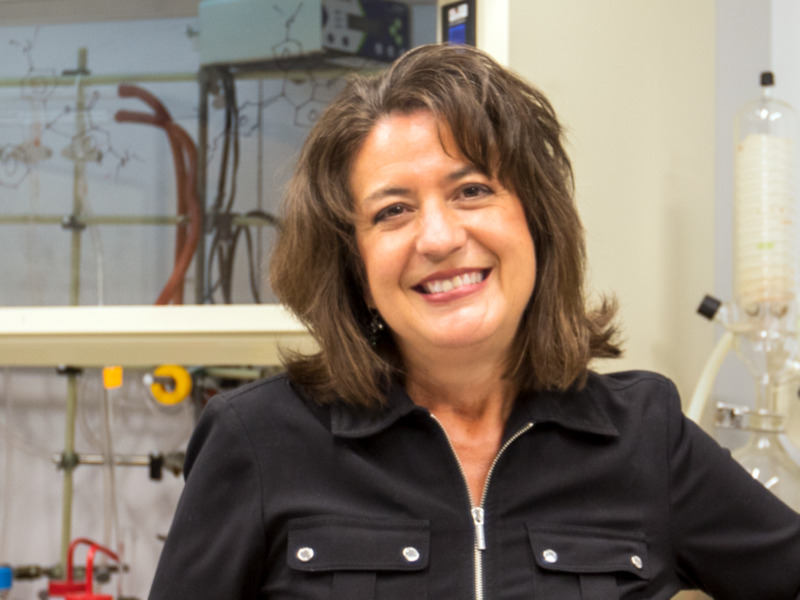
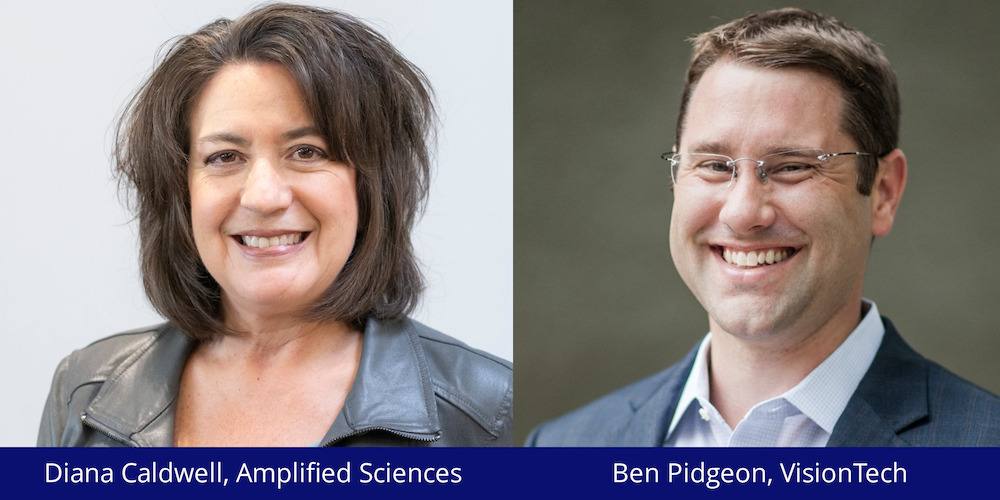
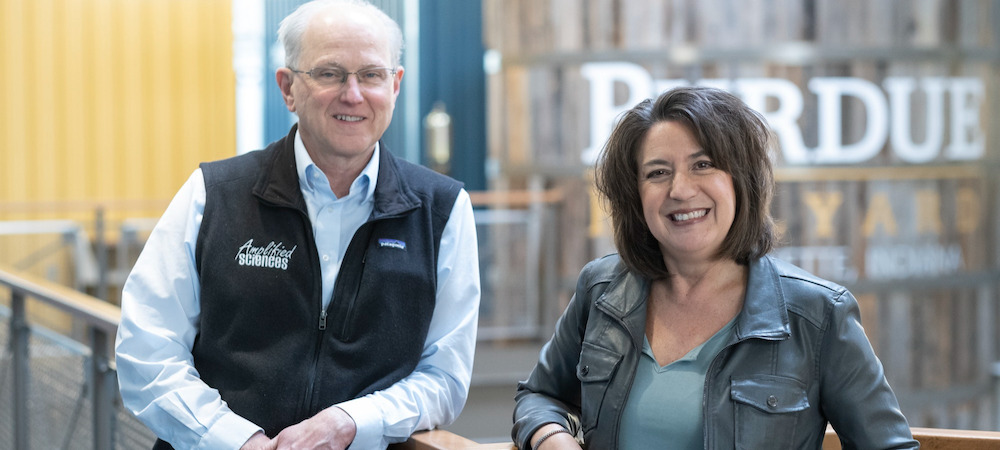
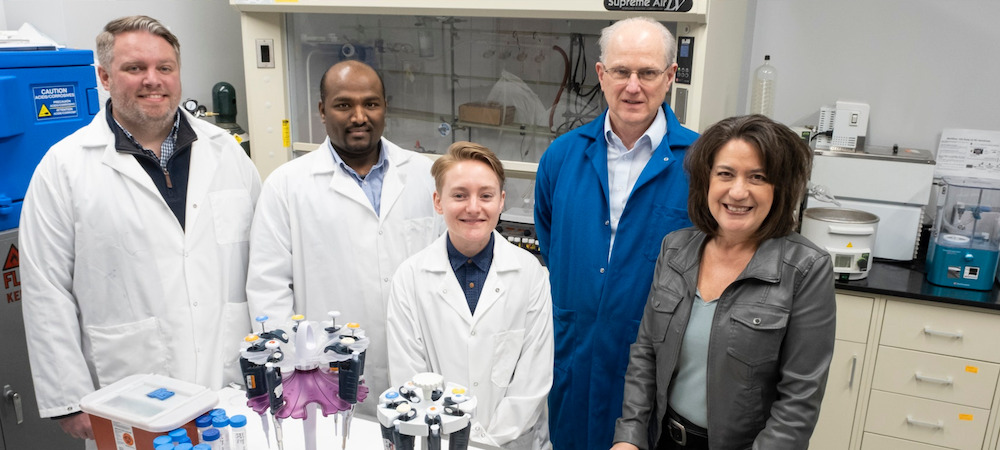
I first met Diana Caldwell when she was the co-founder and CEO of Pearl Pathways. Pearl was among VisionTech’s corporate sponsors and an invaluable commercialization resource for our life sciences portfolio companies. It didn’t take long for Diana to become a member of VisionTech Angels, giving us deep bench strength as a subject matter expert in drug development and FDA regulatory paths. When she co-founded a new diagnostics startup with pancreatic cancer as its first target, Amplified Science, I was eager to learn more. Pancreatic cancer is the third most deadly cancer, killing 74 of 100 patients within a year of diagnosis, largely because it is rarely discovered early enough to treat successfully. I invited Diana to meet with the VisionTech Angels Screening Committee earlier this month. The group was impressed with Amplified Sciences, its novel technology, progress to date, and invited her to present at our April 27 virtual pitch events. Here’s a preview.
BP: Tell me a little about yourself. Is this your first startup? DC: This is actually my second startup. I was also a co-founder of Pearl Pathways. After earning an MBA at the IU Kelley School of Business, I joined Lilly where I held commercial and cross functional roles for the next 16 years. Lilly really gave me a broad foundation of experience in leadership and developing teams in the biotech space. Eventually, a desire to be an entrepreneur and get back into product development for unmet clinical needs brought me to the startup space.
BP: What’s the backstory on Amplified Sciences? How did you connect with your co-founder, Dr. V. Jo Davisson? DC: I was working at the Purdue Foundry as an entrepreneur-in-resident, helping a half a dozen startups and shopping for IP for my next startup. While I was there, I met Jo, a Purdue faculty member and biochemist with 30 years of experience in drug and diagnostic discovery and development. He had invented a chemistry reagent platform for the early detection of debilitating diseases, had founded the company, and was looking for a CEO with deep business experience. For the next nine months we had the opportunity to work alongside each other—Purdue has this great knack of pairing entrepreneurs with scientists! In the summer of 2019, I became a co-founder and CEO with Jo as our CSO, and we got to work.
BP: What is your product and how is it different?
DC: Our lead product is a diagnostic reagent for accurately detecting a biomarker that is an indicator of potential malignancy for pancreatic cancer. Amplified Sciences’ chemistry reagent platform is a suite of patented reporter dyes that amplify biomarker signals. What’s novel about our technology is the ability to detect indicators of disease at a much lower concentration – up to 10,000 times improved limits of detection – than comparable technologies. Our ultrasensitive dye probes work particularly well when there is a low abundance of the target biomarker and when there is a low volume sample involved. These features are important when you’re working with low volume samples such as with a cyst or when a disease is in its very early stages.
BP: Let’s discuss your lead assay, PanCystProTM. Why pancreatic cancer? Where are you in its development? DC: We chose pancreatic cancer for our lead assay for several reasons. First, because of the deadly nature of the disease—roughly three out of four patients are dead within a year of diagnosis—and the unmet medical need for early-stage diagnostics to help increase survival rates. Pancreatic cancer is a “silent cancer” in that symptoms don’t show up until late stage if they show up at all. By then it’s too late to treat effectively. Early detection is the only way to significantly change outcomes.
Here’s an example for you. Supreme Court Justice Ruth Bader Ginsburg had colon cancer. It was caught early, and she survived. Later, when she was undergoing a full body scan, an early-stage cyst was found on her pancreas. She was treated with a surgical removal of that cyst, and survived for years. It was only by chance that her pancreatic cancer was found when still treatable.
Why is it so hard to find? For one thing, the pancreas is deep within the body, behind the stomach, so it’s hard to see in imaging. Most of these cysts are found by imaging incidentally meaning they are found in a cat scan or MRI when doctors are looking for something else .
Our PanCystPro™ assays test the fluid from these cysts, which are very small so fluid sample sizes are small. This works in our favor because of the ability of our technology to operate with very small sample volumes. Our initial PanCystPro assay is a minimal sample assay for protease biomarkers and is a “rule out” test to determine if the cyst is benign. At +90% sensitivity and specificity, it is more accurate than competing tests.
We have additional assays in this disease state in development. I’d also like to mention that we were just awarded a Phase 1 SBIR grant of $400,000 from the National Cancer Institute. This will help accelerate development of our second assay for pancreatic cancer. The award validates the huge clinical need for this test.
BP: Where are you in development?
DC: We are making steady progress. The PanCystPro test has been used in clinical samples and is ready for translation to a clinical lab and to enter the regulatory process. Our team, which includes three Ph.D. scientists, is set to expand soon. Research and development on additional assays are underway and this includesactive institutional review board (IRBs) studies with three premier research universities.
BP: What is your total addressable market? DC: The in-vitro diagnostics market is huge, about $88 billion. For initial market entry, we are focusing on the pancreatic cancer diagnostic market, which is $2.2 billion including imaging. Drilling down to our real value proposition, more accurate diagnosis of patients with pancreatic cysts, the market is $300 million with a potential market share of $80 million. Pancreatic cancer in-vitro diagnostics is just the start so keep in mind, this is a platform technology that will be leveraged to other disease states.
BP: What kind of intellectual property protection do you have? DC: We have a suite of global composition of matter patents exclusively licensed from Purdue. We are adding patents on our individual products.
BP: What round is this? DC: This is our Series Seed Preferred Round. We completed a previous Series Seed convertible note round in early 2021, raising $1.78 million. In this round, our goal is to raise $3-3.5 million. We have two co-leads, Elevate Ventures and OCA Ventures, that have done their due diligence. They, alongside two other venture firms, closed $1.5 million in Wave 1 of the open round on March 3, 2023. We’d like to raise another $1.5 to $2 million so there’s still plenty of room for VisionTech Angels.
BP: What is your planned use of funds? DC: The largest portion will be directed to research and development on two additional assays, followed by CLIA regulatory approval, targeted launch with key opinion leaders, clinical utility and trials, sales and marketing, and capital equipment.
BP: Give me three reasons why VisionTech Angels members should invest. DC: First, this is an opportunity to help us build a great diagnostics company focused on earlier, mor accurate detection starting with pancreatic cancer. Second, others believe we are up to the challenge. We already have two respected investors leading the round, Elevate Ventures and OCA Ventures, both of which have invested in diagnostics companies in the past and are familiar with the space. Third, we are a clinical stage company making measurable progress and are planning our commercial launch by end of year. I’m going to sneak in a fourth: we have identified multiple paths to exit and are working hard on the milestones needed for a near term exit.
VisionTech Angels’ April Pitch Events will be virtual on Thursday, April 27 at Noon and at 6 p.m. ET. Pitch events are open to our members and accredited investors interested in joining our group. To register, check your email for an invitation, go to our Events page where you’ll find the RSVP links, or email Ben Pidgeon at bpidgeon@visiontech-partners.com
INDIANAPOLIS, Indiana (March 21, 2023) – – VisionTech Angels, among the Midwest’s most active angel investing networks, has invested $190,000 in Seneca Therapeutics with 16 members participating in the follow-on round. With the investment, Seneca has raised $2.8 million to date in its bridge round, with Keiretsu Capital leading the round and participation from VisionTech Angels and multiple other angel investors.
Seneca, based in Blue Bell, Pennsylvania, is a clinical stage biopharmaceutical company focused on developing novel immunotherapeutics and derivatives for difficult to treat solid cancers. Their first candidate is an oncolytic immunotherapeutic called Seneca Valley Virus (SVV) that eliminates tumor cells in which it can replicate. In October 2022, the company received FDA clearance to begin a Phase I/II clinical study utilizing Seneca Valley Virus (SVV-001) in combination with a checkpoint inhibitor in 2023.
VisionTech Angels made its first investment in Seneca in 2021 when 34 investors wrote checks totaling $327,500. The group’s total investment in the biopharmaceutical company is $517,500.
Commenting on the announcement, VisionTech Executive Director Ben Pidgeon said, “VisionTech Angels is excited to continue to support our portfolio company Seneca. Their novel therapy of oncolytic viruses has the potential to identify and treat immunotherapy-resistant tumors. The management team has met several milestones after our initial investment, a significant one was FDA approval of a Phase I/II study. The first oncolytic virus as therapy—Imlygic, now owned by Amgen—was approved in 2015, and there have been recent successes with Replimune, CG Oncology and Tilt. The oncolytic virus immunotherapy market is an exciting space with an expected compound annual growth rate of 12 percent through 2029.”
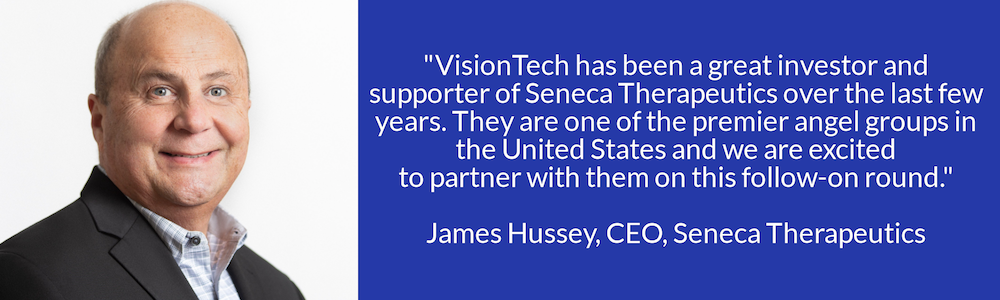
Seneca CEO James Hussey said he is pleased with the strong support his company has received from VisionTech across two rounds of investment. “VisionTech has been a great investor and supporter of Seneca Therapeutics over the last few years. They are one of the premier angel groups in the United States and we are excited to partner with them on this follow-on round.”
About VisionTech
Founded in 2009, VisionTech is a privately held company that links investors to high-potential, early-growth companies. Based in Indianapolis, VisionTech’s angel investing network includes more than 130 active members across Indiana and Ohio. As of March 15, 2022, 200 VisionTech Angels member investors have deployed more than $27.5 million in capital, investing in 63 portfolio companies from across the United States. Membership is open to accredited investors. Those interested in joining are encouraged to contact VisionTech.
About Seneca Therapeutics, Inc. Seneca Therapeutics was founded to capitalize on the profound tumor specificity of SVV and further the development of SVV-001 in several upcoming clinical trials and the creation and testing of armed derivatives selectively expressing gene product(s) that are inserted into the genome of SVV-001 that create additional anti-tumor effects. Learn more.
When I first spoke with Eric Shashoua, CEO and founder of Zive, he shared a mind-blowing number: there are 1.5 billion Gmail accounts. When Google launched the free email service in 2004, it was a simple application. But as Gmail’s popularity grew and Google continued to embellish it, it became increasingly frustrating for users in the browser. Where there’s a problem, there’s a solution. And where there’s a large market, there’s a motivated entrepreneur. Thus Eric and the Zive team set out to make Gmail user friendly again. The result is the hugely successful Kiwi for Gmail and now Kiwi for G Suite, applications that have grown rapidly across Google’s client base. What the company’s doing next will be even stronger. It’s a great story that Eric will share when he presents at next week’s VisionTech Angels Virtual Pitch Events, Tuesday and Thursday, June 23 and 25. Here’s a preview.
BP: Zive is not your first startup rodeo. ES: No, I actually started my first company while a senior at Brown University. I got an idea from the technology used for sleep studies, thinking it had a consumer application. I raised $14 million in angel and VC funding and launched the Zeo Personal Sleep Coach in the U.S. and Europe. The experience taught me two important lessons. First, it cost us $5 million to create and bring the Zeo device to market, so I became very jealous of software companies that need a fraction of that amount to commercialize. Second, in terms of attractiveness to potential acquirers, Zeo was something of a square peg in a round hole. We weren’t entirely healthcare nor were we entirely a consumer electronic product, which made an acquisition difficult. I left Zeo to start an enterprise software company, Zive, which created Kiwi.
BP: Where did the name Kiwi come from? ES: Another lesson learned from my previous company. We’re focused on enterprise software, but I believe that enterprise users like to be treated like consumers. Consumers like brands that are non-threatening, even cute, and easy to remember. Email is stressful for people. The name Kiwi, coupled with our colors and the brand illustrations we use in our applications, is childlike, small, and harmless, and subtly conveys the idea that we make Gmail and G Suite easier.
BP: Microsoft Office has been the 800-pound gorilla for years. Why are people and enterprises moving to Gmail and G Suite – and on to Kiwi? ES: A couple of reasons. Google is cheaper than Microsoft Office, and millennials who grew up on Gmail are now entering management and prefer Google. However, Google’s biggest strength lies in it being very good at enabling people to collaborate. Microsoft’s taken years to catch up to Google, creating better collaboration features, Microsoft Teams, and even a SaaS email model for enterprise. Microsoft under Nadella is quite a different beast than under Ballmer, but Google’s pressing their advantages hard.
BP: Explain Kiwi and the problem you’re solving. ES: First let me say as a millennial, I’ve always loved Gmail. But over the years, it went from a simple application to a much more complex tool that’s harder to use. In 2013, my co-founder Ryan Shetley and I began experimenting with ways to take Gmail out of the web browser and onto desktops to make it easier to use and enhance it with productivity features. We launched our first, basic version of Kiwi for Gmail on the Mac in 2015, followed by the Windows version. We gradually expanded our offering to Kiwi for G Suite, which is the enterprise version, which makes all of the Google apps like Docs, Sheets, Slides, and Calendar work together seamlessly in a full-featured desktop office productivity suite. We’ve also integrated plugins like Zoom, Webex, BlueJeans for video conferencing plus others—things people can’t live without these days.
Ben Pidgeon, Executive Director, VisionTech
BP: Speaking of that, how has the pandemic affected Kiwi? ES: It’s the direct opposite of what many companies are facing. Kiwi is built around remote work just like Zoom, Citrix and Slack. Throughout the economic lockdown and people working at home, we’ve experienced accelerated growth. Companies are moving to G Suite and we make it easier for their users. We are very well positioned in this space.
BP: What’s the response been to Kiwi? ES: Users love it, and we’ve grown to have users across the map in large companies like Salesforce, Netflix, RedHat, and Priceline. Kiwi for Gmail is one of the highest rated apps on the Mac App Store with five stars based on thousands of ratings. It’s our Trojan horse for getting into enterprise. Users who buy Kiwi do so because it saves them a lot of time doing their work – it’s outside the browser, it works well, it’s easier to manage multiple Gmail accounts, and has a number of features like Cloud Search and Focus Filters that make it much easier to find the emails and documents users are trying to work on. We’ve also gotten great press from Forbes, Inc., The Wall Street Journal, eWeek, TechRadar, and others. People say, “This is something Google should have thought of.” That’s an exciting thing to hear, because we admire Google’s product managers for really sticking it to the status quo and forcing this industry to evolve.
BP: Tell me about your leadership team. ES: We have a great team: my co-founder Ryan Shetley is our CTO with extensive experience in Chromium and browser frameworks; Eric Wanta, our CMO, has deep experience in B2B marketing; and Marc Elia, who’s taken other startups from launch to exit, heads up our business development. A massive development is that Christopher Fong just joined us as an advisor to Kiwi as well. Chris spent 8.5 years with Google, much of it in business development and strategic partnerships. He is also the founder of Xoogler.co, a community of 8,500 former Google employees who are focused on startups.
BP: What are you using this raise for? ES: We’re growing, and we have a number of immediate opportunities for new Kiwi for G Suite functionality that will accelerate our growth. Unrelated to Google, we also have an entirely new product that we’re building which will be much larger than our Google business. We plan to expand our team to pursue both of these things in parallel, as well as invest in sales and marketing efforts. The coronavirus-driven shift to remote work has left Zive in a very strong financial position. Our round is nearly full, and VisionTech Angels is likely the last angel investment group we’ll meet with.
BP: Last question: Why should VisionTech Angels invest in Kiwi? ES: There are two reasons, neither of which I can say much about publicly. Our successes over the past nine months have led to us building a strong relationship with Google. What’s coming beyond Kiwi for G Suite will multiply our potential acquirers, and be a lot of fun for us and our investors. We’re growing rapidly, we have good relationships within the industry, the market timing is with us, we’ve validated our exit thesis, and are well positioned to exit. We can elaborate more on this when we meet.
BP: Sounds great! We’re looking forward to the pitch events. ES: I’ll be there—on Kiwi for G Suite of course.
To learn more about Kiwi for G Suite, visit their website. VisionTech Angels’ June Virtual Pitch Events are open to our members and accredited investors interested in joining our group. To reserve your spot, email Ben Pidgeon at bpidgeon@visiontech-partners.com.
VisionTech Angels’ Executive Director Ben Pidgeon recently sat down with Rita Hansen, CEO of Onboard Dynamics, to learn more about how the company’s GoFlo® compressors are enabling municipal and commercial fleets—waste haulers, school buses, delivery companies—to replace diesel fuel with clean, zero-carbon emitting natural gas. Interest in the mobile natural gas compressors is high, particularly in states that have mandated all waste haulers move to green-powered vehicles by 2020. Rita, who recently represented the United States as a delegate to the 2019 Global Entrepreneurship Summit in The Hague, Netherlands, will present Onboard Dynamics during VisionTech’s upcoming Pitch Week, August 26-29. Read on!
Ben Pidgeon, VisionTech
BP: VisionTech Angels is excited to host Onboard Dynamics during our August Pitch Week. What’s your story? RH: Jeff Witwer and I co-founded Onboard Dynamics in 2013 with Dr. Chris Hagen after licensing technology developed in Chris’ clean energy systems lab at Oregon State University (OSU) and initially funded by the U.S. Department of Energy. Jeff is a serial entrepreneur with experience in the energy and software industries. My interests are clean technologies, alternative energy, and renewables that present opportunities domestically and internationally. We saw the tremendous potential of natural gas compression technology to lead the clean fuel revolution in a way that disrupts the status quo without being disruptive to fleet managers and organizations.
The company got immediate validation. After we licensed the technology, ARPA-E, a government agency that advances energy technologies with the potential to radically improve the U.S. economy, national security and environmental wellbeing, awarded us a $6.6 million cooperative agreement. This allowed us to develop and now commercialize a product from the technology, the GoFlo compressor. We just recently hit $1 million in sales!
Rita Hansen, CEO Onboard Dynamics
BP: Nice! We like revenue! What problem are you solving in the marketplace? RH: The macro problem is a global lack of infrastructure for refueling natural gas vehicles. Currently there are fewer than 1,000 public compressed natural gas stations. These refueling stations are also expensive; they cost more than $1 million to build. If you have a fleet of more than 50 vehicles, the cost can be justified. But for small fleet operators, you need an option that’s more affordable and in many cases, more flexible than a fixed fuel station.
Another big problem we solve is the push—and in some cases, a mandated push—to convert fleets of vehicles to clean and/or renewable energy sources to reduce emissions of regulated pollutants like NOX and reduce one’s carbon footprint. NOX is a very poisonous emission of diesel fuels. Some people are turning to electric vehicles; I’m sure a few of you drive Teslas and love them. But electric vehicles for fleet use—school buses for example—are very expensive. And in many cases, the electricity to fuel these buses comes from coal-generated electricity. So where’s the win in that?
BP: How easy are these compressors to use? RH: The GoFlo compressor makes the transition from diesel to natural gas-powered vehicles easy and affordable. It can be used in a fleet yard or off-site. It doesn’t require electricity to run, which is great for remote locations and disaster situations. And it accepts any low-pressure natural gas or renewable natural gas source for compression into a cost-effective, clean fuel for vehicles.
BP: What types of fleets are you targeting? RH: We’re targeting government and commercial fleets, including light duty CNG trucks, school and transit buses, delivery vehicles, and a big one for us, waste haulers. California has mandated that the waste hauling industry move to alternate fuels by 2020, creating a significant market for us. What makes the GoFlo compressor attractive to this group—beyond regulatory compliance—is the refueling system pays for itself in less than two years due to lower fuel and labor costs
One of our customers, an independent waste hauler in Southern California, is going live with a full system in mid-August. They’ve agreed to be a showcase for the more than 100 other similar independent waste haulers. The total market size of independent waste haulers in Southern California alone is 150-200 companies. We’ve also piloted GoFlo with a number of school districts and getting traction there.
BP: Are there other markets for GoFlo, here or internationally? RH: Glad you asked that, Ben. Natural gas utilities are perfect channel partners for us as they can sell the GoFlo compressors to their customer or offer as “Compressed Natural Gas as a Service” with monthly billing. We are also working with Canada’s Department of Natural Resources to certify GoFlo for the Canadian market. We’ve received payment toward the first unit and expect to start installation in Ontario in late fall with full deployment in the first quarter of 2020. Other markets such as Mexico, Latin America, and India represent opportunities to expand due to a lack of natural gas infrastructure and also a real need reduce air pollution.
BP: What kind of IP protection do you have? RH: The original technology has two international patents, and we’ve applied for six PCTs (patent cooperation treaty) on the compressor for national and international protection.
BP: Why should VisionTech Angels invest in Onboard Dynamics? RH: As a nation, leaders in business, and members of the global community, we have a responsibility to adopt green energy technologies to protect the world for future generations. With the GoFlo compressor, Onboard Dynamics has a practical solution that meets government, business and social goals. It reduces emissions, its carbon neutral, it leverages existing natural gas pipeline distribution systems, and saves money. Our team is really good, too. Even with our lean sales team, our pipeline is full. We expect to sell 15 units in 2019 and 55 in 2020. We’re a company that’s in the right place at the right time.
To learn more about Onboard Dynamics, visit their website.You can also watch their video. To RSVP for VisionTech Angels’ August Pitch Week, visit our events calendar.
VisionTech Angels’ Executive Director Ben Pidgeon recently sat down with Ian Hamilton, founder and CEO of Atlas Energy Systems, to learn more about the company that’s repurposing technology originally developed in the 1960s by NASA for space applications into an exciting new solution for the oil and gas, nuclear and solar energy industries. Ian, a Purdue graduate with a Masters in Nuclear Engineering, will be presenting Atlas Energy during VisionTech’s upcoming Pitch Week, April 15-18. Read on!
BP: The story behind Atlas Energy Systems’ technology is unique. Tell me about it. IH: Our thermionic energy converter (TEC) was inspired by technology previously developed in the 1960’s by NASA for space nuclear power. When the Soviet Union fell in the 1980s, NASA cancelled its space nuclear power programs. Russia was our competitor and with the end of the Cold Way, there was no reason to pursue it further despite the fact the technology was proven to work in space. So patents expired. I learned about it while an undergrad at Purdue, got interested, founded Atlas Energy Systems, and now we’re using NASA technology to develop plasma thermionic energy converters for waste heat power generation, concentrated solar and advanced nuclear reactors.
BP: How does your technology work – in layman’s terms? IH: It’s all in our tagline: Heat to Electricity, No Moving Parts. What we’re doing is directly converting heat from any source you can think of, whether it’s sunlight, nuclear or the waste gas from oil wells, into electricity. If you have a source of high intensity heat, we can generate electricity with a convertor that has no moving parts. Digging deeper, Atlas Energy Systems is leveraging modern materials science, new plasma physics simulations, and advanced manufacturing techniques to develop a thermionic energy converter for the 21st century. Our novel device designs incorporate proprietary electrode materials and coatings as well as an electrode form factor to increase converter performance and reduce operating temperatures. Bringing this new capability to the technology is the necessary step in taking thermionic energy converters from a lab technology to a commercialized product.
BP: What’s the driver behind the technology? IH: The short answer is that it’s a simple way to generate electricity. Also, the technology is proven; we’re not breaking new ground, we’re finding new applications. What makes it attractive is the simplicity of the process and the converter itself. The device has no moving parts so there’s nothing to break. It’s compact and saves space. We were originally thinking of compact power source for nuclear subs, but there are many other applications.
BP: You were targeting the nuclear industry with batteries made from nuclear waste, but now you’re focused on the oil and gas industry. How did that come about? IH: We initially were working on nuclear batteries for NASA and the U.S. Navy and its nuclear subs. We got a call from far left field—a company in the oil and gas industry. They were interested in replacing current three-decades old technology used in oil and gas sensors combustion fuel systems with our thermal electric converters. So it seems oil and gas chose us.
BP: What benefits do your thermionic energy converters offer the oil and gas industry? IH: Oil and gas production sites such as wells and offshore rigs use flare stacks, a gas combustion device, to burn off unusable, waste gas. The main application of our thermionic energy converters would be to replace the old combustion device with ours and convert the flair gas into electricity. The advantages are significant. Current systems are inefficient and expensive. Our converters turn the waste gas into electricity that can be used at the well site or on offshore rigs. Our converters have no moving parts and are proven to survive in the harshest environment possible, space, so maintenance is minimal; always a good thing in remote locations. Repurposing the waste reduces CO2 emissions and methane, which is good for the environment. Overall, it’s a smart solution for the industry.
BP: What type of patent protection do you have? IH: Original technology designs were either top secret or patent protected. What’s interesting is most of the original patents were for space and nuclear applications and expired in the 1980s when the government lost interest. Now anyone can access the old patents and use the information, which we have done. Atlas Energy Systems now has a patent pending on our plasma thermionic energy converter and will file additional patents on uses and applications.
Ian Hamilton, CEO, Atlas Energy Systems
BP: You have the unique honor of being included on Forbes’ 2018 “30 Under 30” list in 2018 that recognizes the brashest entrepreneurs across the United States. You were all of 25 years old when you won. That’s impressive. IH: It was exciting and also an honor as I was nominated by two different people. I’ve always been interested in entrepreneurship and, in fact, founded Atlas Energy Systems during my sophomore year at Purdue with three classmates. After earning my masters in Nuclear Engineering, I did a fellowship at Argonne National Labs Chain Reaction Lab in part because of their emphasis on entrepreneurship and how to translate energy tech into the marketplace. I’ve always thought it’s one thing to do research and scientific discovery, but if you can’t turn commercialize your technology and deliver a product the market cares about, it goes to waste.
BP: Why should VisionTech Angels invest in Atlas Energy Systems? IH: Although we’re an early stage energy startup, we’re positioned as a hard tech scalable manufacturing company capable of providing thousands of units to companies. And the oil and gas industry is a great launch pad for us with interest from customers and a potential acquirer that I will discuss in my pitch. We currently have a demonstration unit and money from VisionTech Angels would fund our initial units for immediate sales and support our go to market strategy for oil and gas.
To learn more about Atlas Energy Systems, visit their website. For details on VisionTech Angels’ April Pitch Week, visit our events calendar.
VisionTech Angels’ Executive Director Ben Pidgeon recently sat down with Robb Monkman, co-founder and CEO of React Mobile, to learn more about the company that’s dedicated to protecting people working in the hospitality industry from on-the-job assault, harassment and other dangers, Robb will be presenting React Mobile, a SaaS platform, during VisionTech’s upcoming Pitch Week, April 15-18. Read on!
BP: What motivated you to found React Mobile? RM: When I was in college, I lived off campus with roommates. One night, two guys with guns broke into our apartment, held guns to our heads and robbed us. I was literally frozen; there was no way to call for help. That led me to create an app college students could use for emergencies. Since then, the app has grown into a powerful enterprise platform that gives people from all walks of life – at universities, in business environments and now the hospitality industry – a way to call for help. Ultimately, my partners and I are motivated to make the world a safer place.
Robb Monkman, CEO, React Mobile
BP: You started at universities and then moved to hotels and resorts. What attracted you to the hospitality industry? RM: It’s simple: the obvious need for personal safety and increasing acknowledgement and action by lawmakers and leaders in the hospitality industry that the issue of employee safety has to be addressed. Here’s a quick fact for you: more than half of hotel workers, primarily housekeeping staff, face harassment and assault on the job. And it happens every day! Laws are now being passed to implement panic buttons for hospitality employees. React Mobile’s hometown, Seattle, was among the first in the country to pass a law. New York, Chicago, Miami, and other major destination cities have passed similar laws. They’re serious, too. Failure to comply could result in a hotel having their license revoked, fines and/or increased liability insurance costs.
The hospitality industry has also addressed the problem, creating the 5 Star Promise to provide panic buttons to all employees by 2020 to keep people safe should they encounter any threat on the job. This initiative is backed by the top 19 brands, including Hilton, Marriott and Disney Resorts, for a total of more than 18,000 properties.
BP: Explain how React Mobile works. RM: The React Mobile platform utilizes both GPS geolocation and blue tooth beacon technology that allows hotel security to pinpoint the whereabouts of employees in real time down to a specific room when a distress call is received. It works equally well in a high-rise property as is does in a sprawling casino property. Should a distress call be off-property on a golf course or in a pool area for example, we provide exact GPS coordinates for Google map tracking. React Mobile is cloud-based and integrates with the leading hotel platforms, making it easy to install. Finally, React Mobile is not a one-size-fits-all solution. Hotels can choose from several solutions.
BP: I know this is intended for employee safety, but it could protect guests as well. RM: Absolutely! The sniper at the Mandalay Bay in Las Vegas in 2017 was an eye-opener for the industry. After that incident, employees were afraid to go to work. They never know what they’re going to find behind a hotel door. The unions began to pressure hotels to provide employees with panic buttons. I am proud to say that React Mobile was the first solution to be deployed on the Vegas strip.
BP: Tell me about the market. Is there an ideal customer? RM: The market for React Mobile is huge; any hotel would benefit from our panic button solution. Our technology is particularly well suited for multi-story buildings, multi-building properties and golf, ski and other themed resorts. Currently, our focus is the major brands due in part to their commitment to implementing employee panic buttons by 2020.
BP: What’s your traction look like? RM: It’s an exciting time for React Mobile. We have nearly 150 properties under contract and are a preferred vendor with a number of top brands, including Choice Hotels, Best Western Caesar’s Entertainment, Accor Hotels, and the Sands, owner of the Venetian in Las Vegas. We recently won an RFP with a major theme park company. We have a huge opportunity with hotel management groups and aggregators.
BP: What’s your revenue model? RM: React Mobile is sold as a software-as-a-service, but we have three revenue streams: hardware that includes the Bluetooth beacons and panic buttons; recurring service fees based on room counts; and lastly, installation and onsite training.
BP: What’s your exit strategy? RM: It’s fairly clear-cut. An acquisition partner would likely come from one of our integration partners or someone in the security industry.
BP: Why should VisionTech Angels invest in React Mobile? RM: We have serious traction—almost 20,000 hotels are committed to implementing panic button technology. As one of the firsts in the space, we’ve built a strong foundation and our platform is easy to implement as it integrates with current security platforms. We’re trusted by large hotels, casinos and resorts. The 2020 implementation deadline is almost here. All we need is rocket fuel for our growth to take off.
To learn more about React Mobile, visit their website. For details on VisionTech Angels’ April Pitch Week, visit our events calendar.
This Don’t Miss Event Is Co-Sponsored by VisionTech Angels + the Indiana Chapter of the Society of Physician Entrepreneurs (SOPE).
Bob Seevers is a master storyteller. Before you ask him if he’ll tell stories to your kid’s first grade class, you have to understand one thing: the stories he shares are not about The Three Little Pigs, Curious George or Diary of a Wimpy Kid.
No, Bob’s stories are about promising medical devices and drug candidates. And they’re intended for a very specialized audience, the U.S.
Bob Seevers, PhD, Pearl Pathways
Food and Drug Administration (FDA). Rather than entertain, the purpose is to streamline the FDA regulatory process, which is infamous for being confusing, time consuming and costly.
As a senior advisor at Pearl Pathways, there’s nothing Bob likes better than grooming clients to become master storytellers so they can tell their story in a way FDA regulators understand and how they want to hear it. (With not even a peep of a whine!)
Now he’s ready to share his insight with you.
On Thursday, February 7, 5:45 pm at Leaf Software, Bob will share 25 years worth of experiences on the inside track of the FDA in a special VisionTech-SOPE event titled: Don’t Whine About the FDA: How to Talk so Regulators Will Listen.
The topic is important to a diverse audience that includes:
Life sciences startups with medical devices or drug candidates facing or in the process of securing FDA clearance
Physician entrepreneurs considering their own startup.
Angel investors looking for a greater understanding of investable companies that require an FDA approval to advance to commercialization.
At the core of Bob’s discussion and generous question and answer segment is how best to present your story so your drug or device moves smoothly through the regulatory process. Here’s a taste of what you’ll learn:
“FDA reviewers are solid scientists who have seen good work and bad, including cases where folks have tried to cheat. Reviewers know where to look for information. Best to build trust by giving them what they want.”
“The entrepreneurs I’ve had the pleasure to work with have worked their butts off getting their device or drug to this point. They can’t help but tell a reviewer, ‘We’ve tested this and it’s good.’ Don’t give in to this temptation. There’s no shortcut; the FDA needs to see your data.”
“It’s tempting to tell FDA reviewers everything, but I advise clients to cut 80 percent of what they want to say. At the first meeting, all you need is a high level summary that gets to core of your device or drug. The FDA will take it from there.”
Intrigued? We sure are. Bob’s “inside baseball” perspective on how best to navigate the FDA regulatory processes was earned at the FDA itself and at Eli Lilly and Company. He spent eight years at the FDA as a team leader, managing a staff of PhD reviewers for the evaluation of CMC sections of INDs and NDAs. During his 16 years with Lilly, Bob was a principal regulatory scientist, leading the regulatory CMC submission strategy for drugs in preclinical development through their NDA/MAA submission and the approval process for both small and large molecules. He’s also served as a World Health Organization invited lecturer on drug development.
Additionally, Bob’s knowledge spans all major therapeutic areas with specific expertise in CNS, endocrine, metabolism, autoimmune, oncology, pediatric drug formulation and clinical research, radiopharmaceuticals, and drug delivery systems.
“Don’t Wine About the FDA: How to Talk so Regulators Will Listen” with Pearl Pathways’ Bob Seevers is set for Thursday, February 7, 5:45 pm, less than two weeks away. Space is limited. RSVP here> Find directions to Leaf Software here>










 BP: Zive is not your first startup rodeo.
 ES: Another lesson learned from my previous company. We’re focused on enterprise software, but I believe that enterprise users like to be treated like consumers. Consumers like brands that are non-threatening, even cute, and easy to remember. Email is stressful for people. The name Kiwi, coupled with our colors and the brand illustrations we use in our applications, is childlike, small, and harmless, and subtly conveys the idea that we make Gmail and G Suite easier.
 VisionTech Angels

 a significant market for us. What makes the GoFlo compressor attractive to this group—beyond regulatory compliance—is the refueling system pays for itself in less than two years due to lower fuel and labor costs